
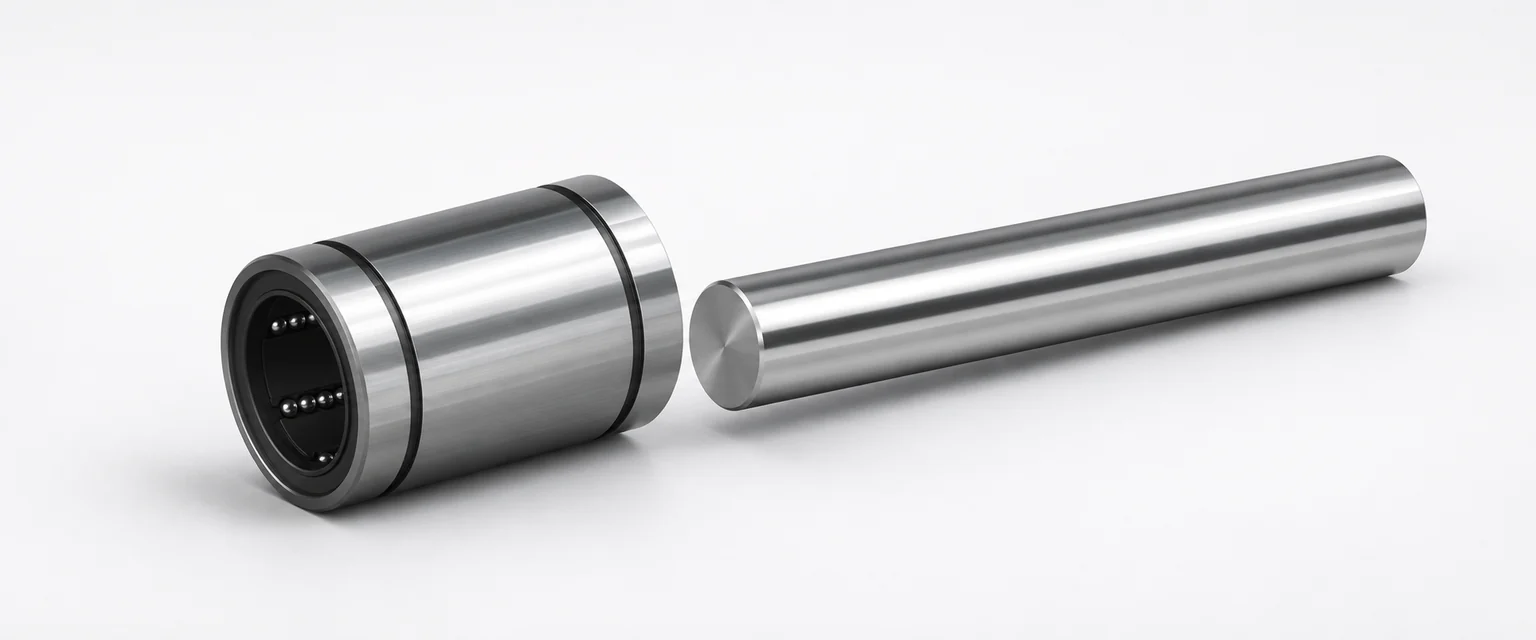
Specify shaft surface hardness, hardened depth and finish for a linear ball bushing. Includes an inspection checklist for replacement shaft orders.
Exhibition
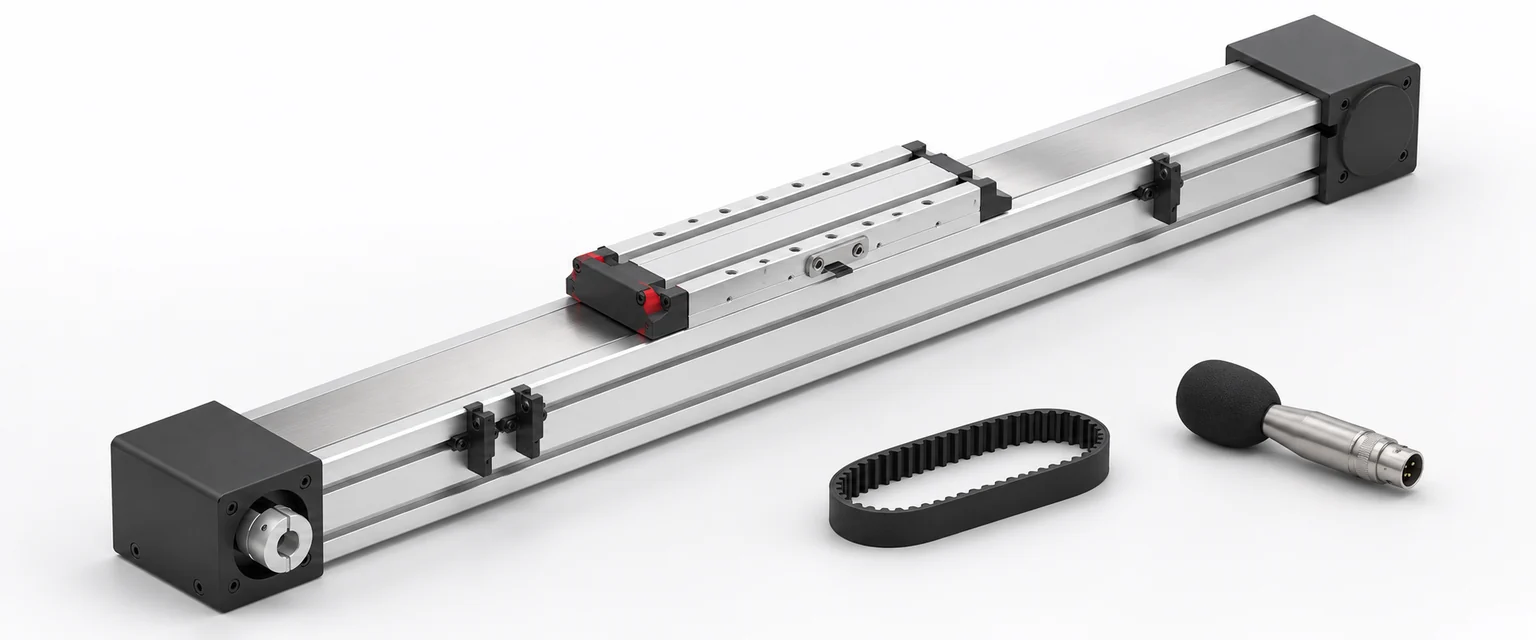
Checking Linear Actuator Belt Tension by Frequency
Convert belt frequency to static span tension and check why the same tension gives a different reading when carriage position changes the free span.
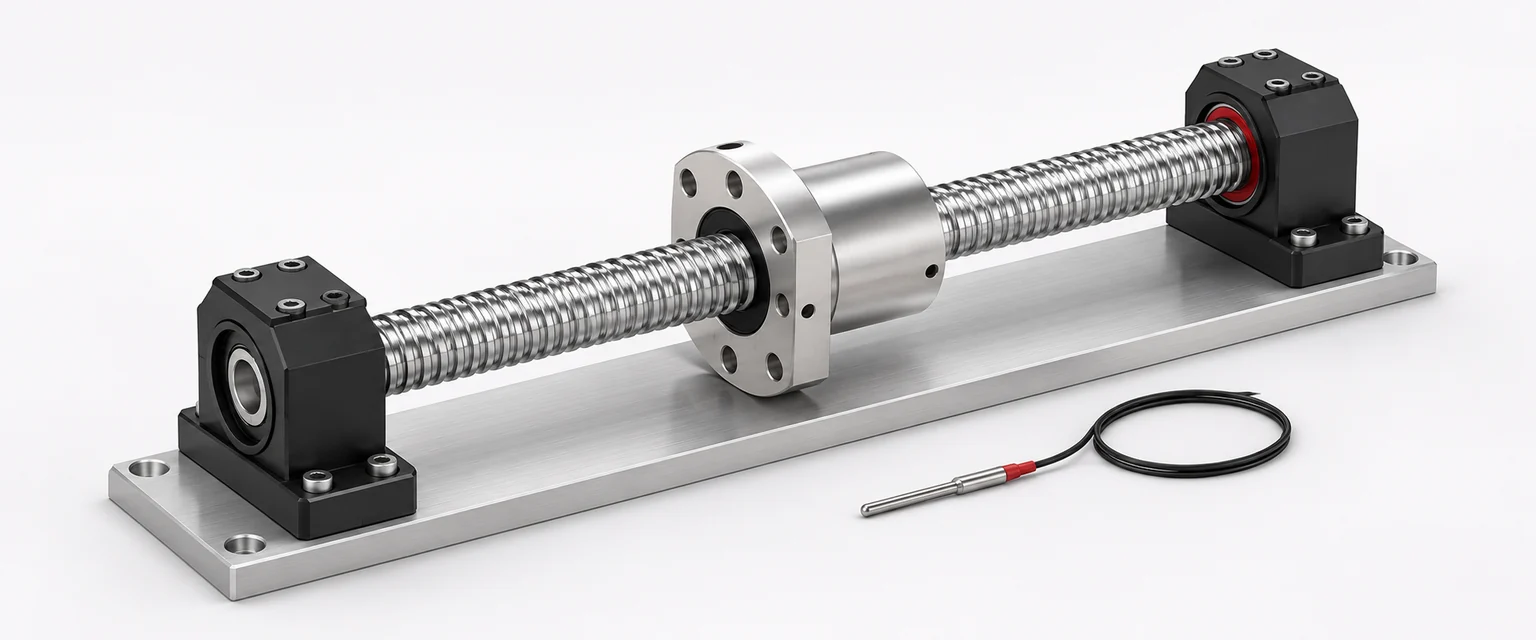
Calculating Ball Screw Thermal Growth in Positioning Axes
Estimate ball screw thermal growth from shaft length and temperature rise, then use cold and warm position readings to check drift across the working stroke.
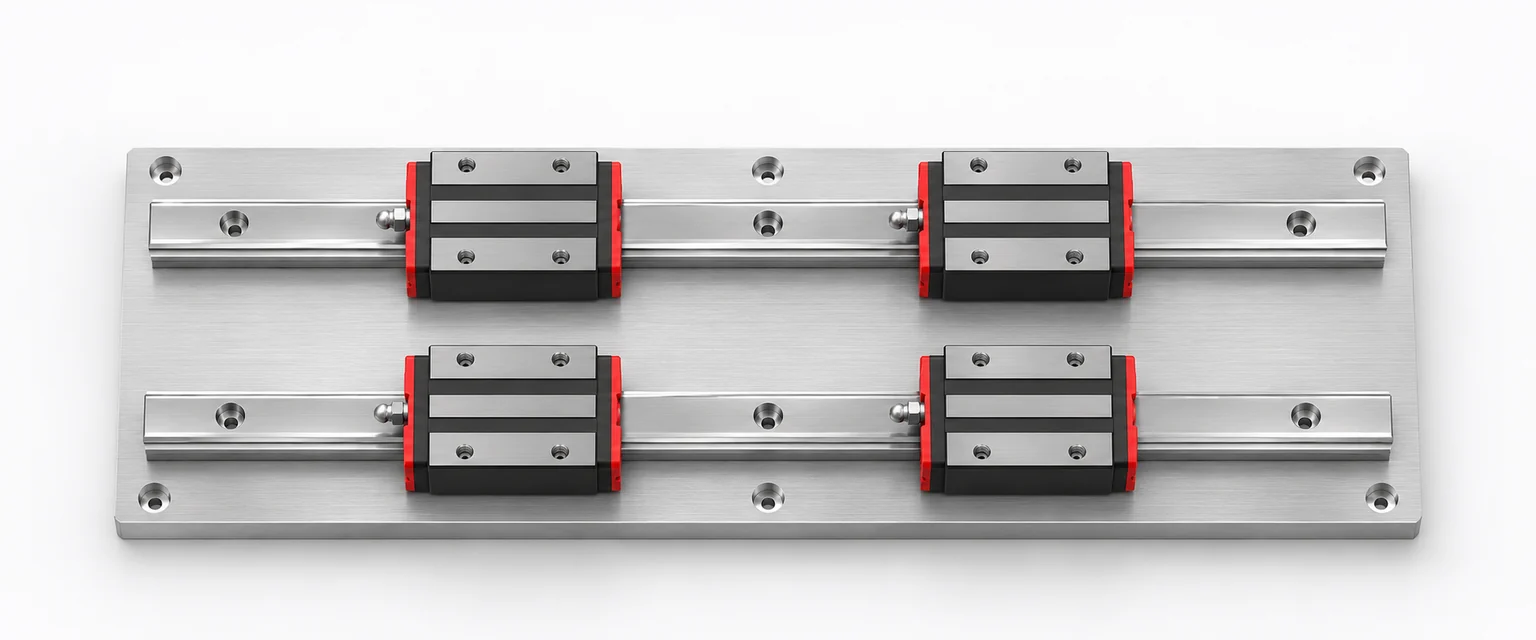
Linear Guide Moment Loads in a Four-Block Layout
Calculate vertical loads on four linear guide blocks from rail spacing, block spacing, payload offset and acceleration. Includes a worked layout example.
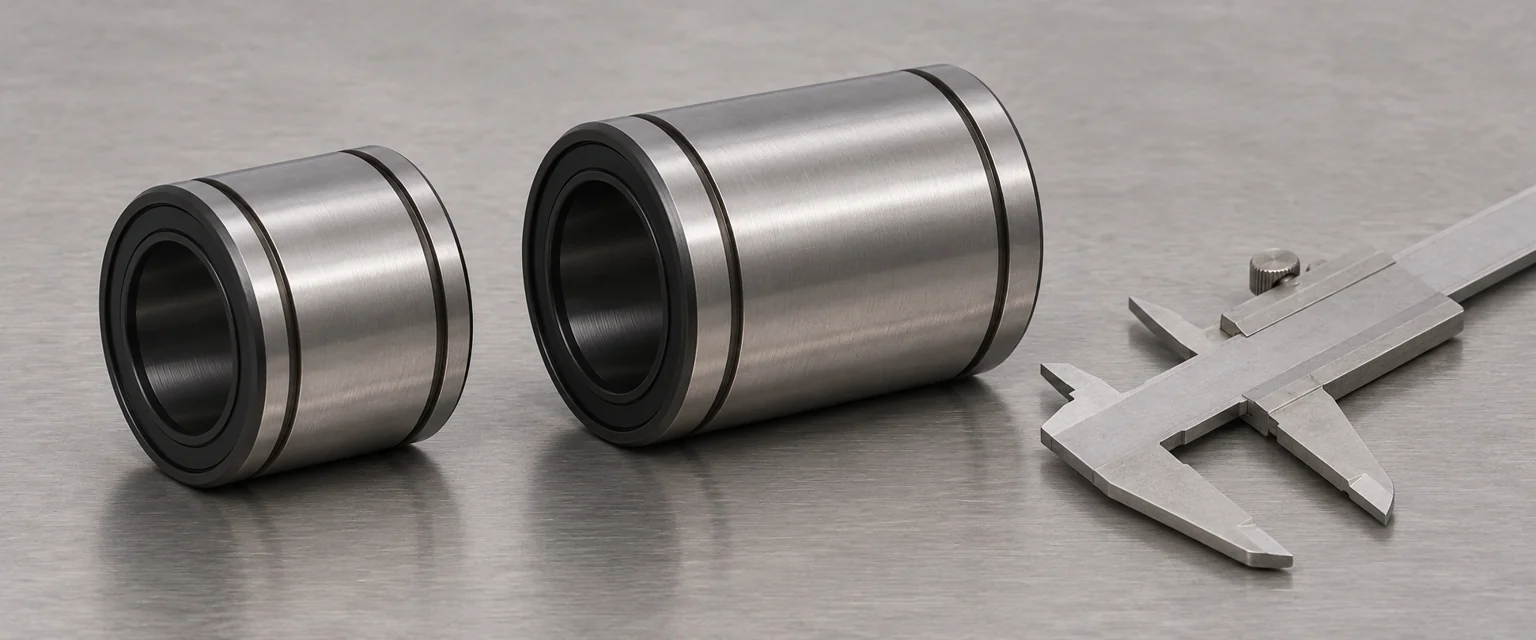
LM vs LME Linear Bearings: Check Dimensions Before Buying
LM and LME linear bearings can share a nominal shaft diameter while having different outside dimensions and fit requirements. They are separate dimensional families, so a matching bore number is not enough for a direct replacement. Check outside diameter, overall length, retention features and the
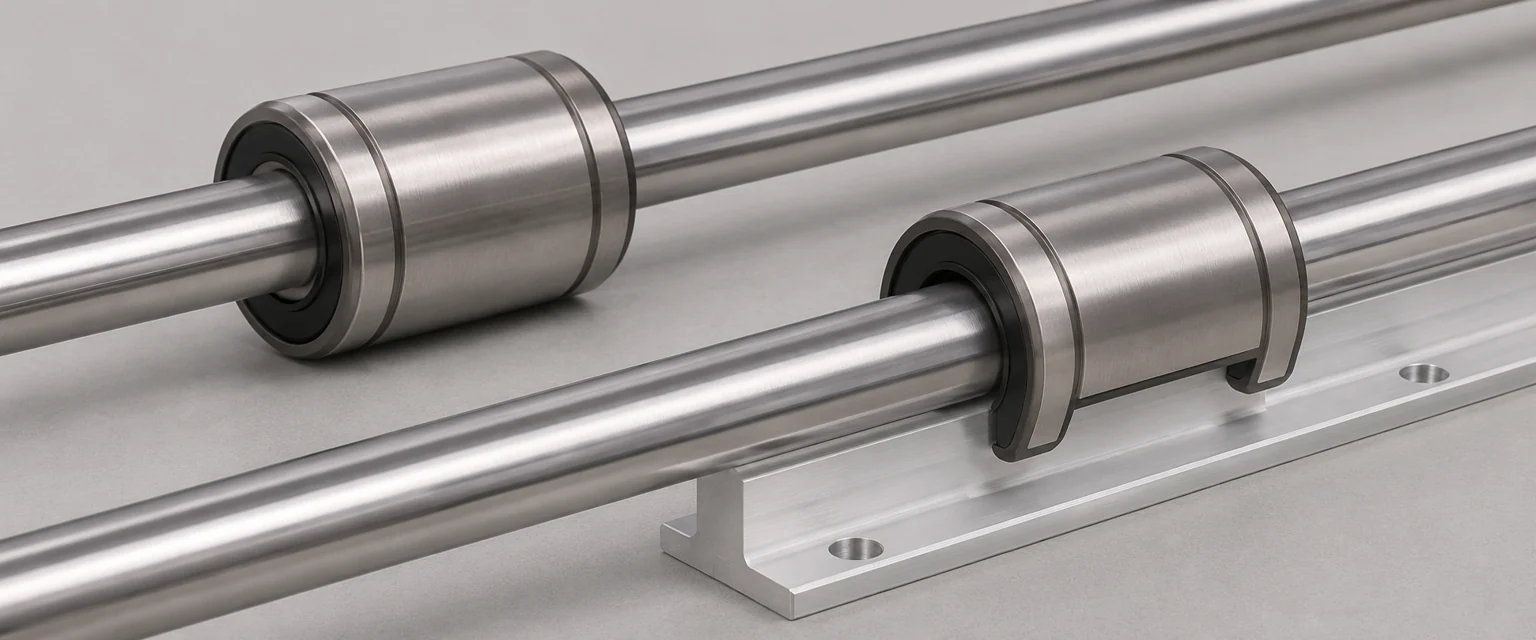
Open vs Closed Linear Bushings on Supported Shafts
Choose an open linear bushing when its opening must pass over a continuously supported shaft’s pedestal. A closed bushing surrounds the shaft and is commonly used where the bearing does not need to cross such a support. The shaft support, bearing opening, housing and load direction must be selected
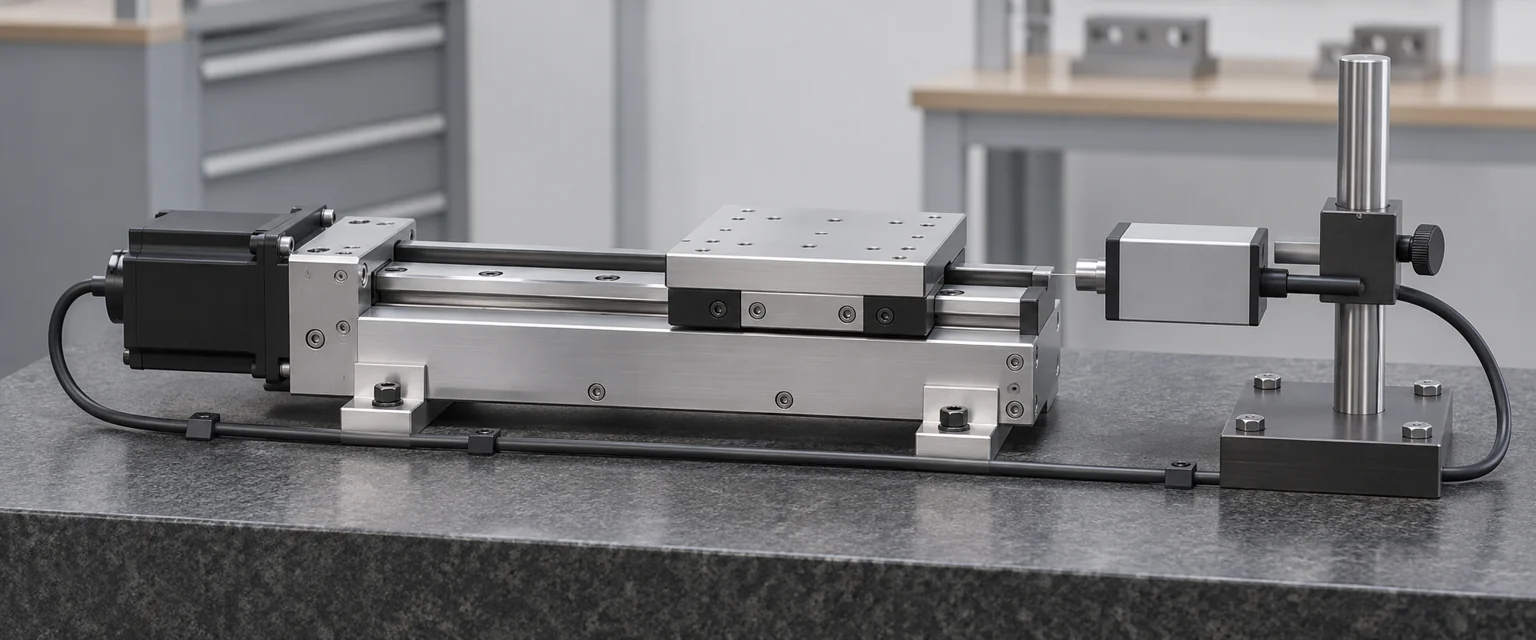
Testing Bidirectional Repeatability of Linear Modules
Test bidirectional repeatability by repeatedly approaching the same target positions from both directions under controlled load, speed and temperature conditions. Report the spread within each approach direction and the difference between directions separately. A motor encoder count or command incr
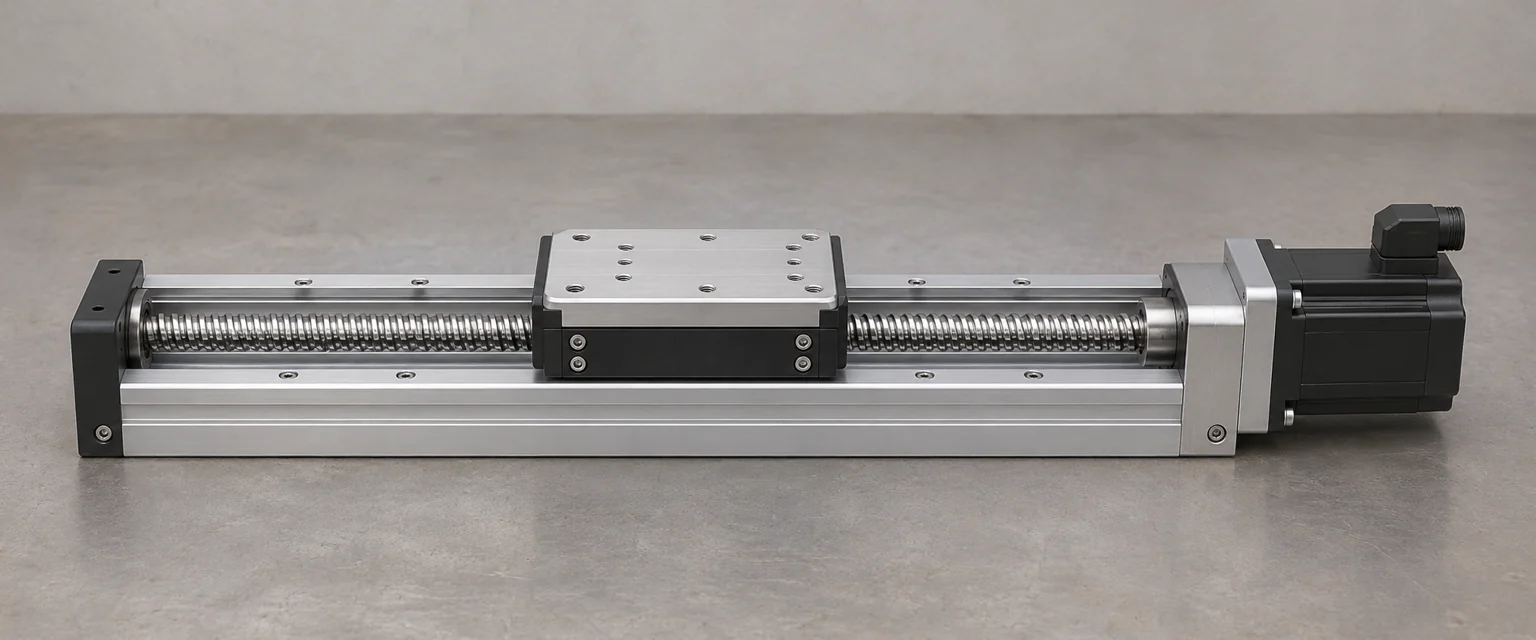
Effective Stroke vs Overall Length in Linear Modules
Effective stroke is the travel available for the intended task. Overall length is the physical envelope of the selected module and its specified accessories. A 400 mm required move therefore does not imply a 400 mm-long module. Carriage length, end structures, drive hardware and operating clearance
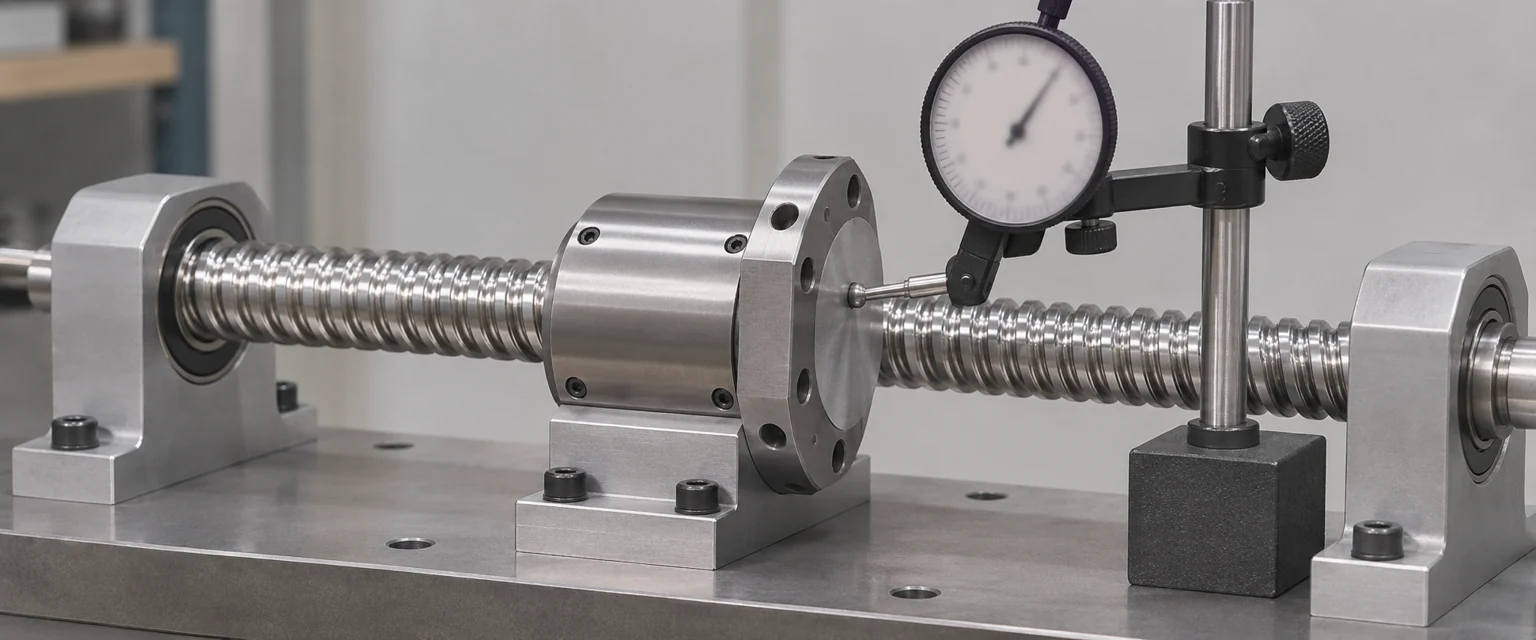
Measuring Ball Screw Backlash Without Confusing Compliance
To measure ball screw backlash at the nut, prevent the screw from rotating or moving axially, reverse a defined axial load on the nut, and measure the nut’s movement relative to the shaft. A reading taken only at the machine table can also include support-bearing movement, coupling effects, housing
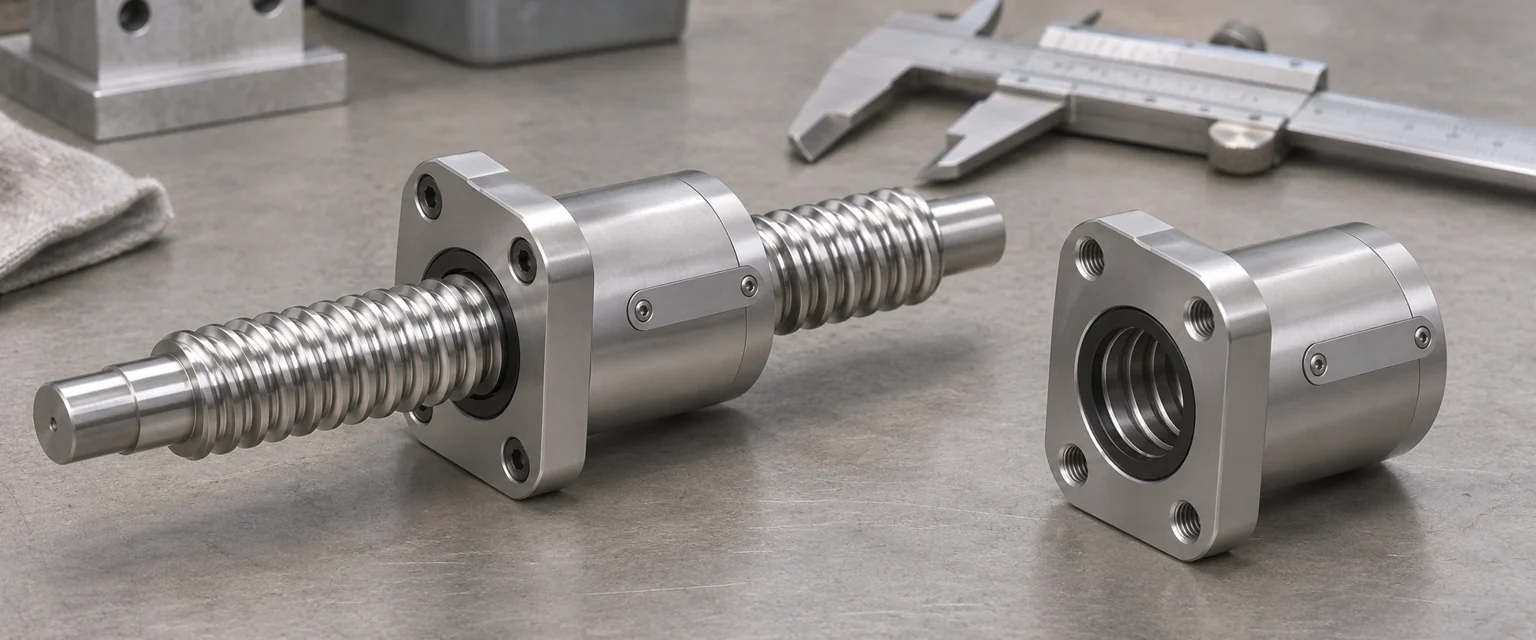
Can You Replace Only the Nut on a Ball Screw?
Replacing only a ball nut can be appropriate when the manufacturer confirms compatibility with the retained shaft and the shaft remains serviceable. Nominal diameter and lead are necessary identification details, but they do not establish raceway, ball-size, preload or return-system compatibility.
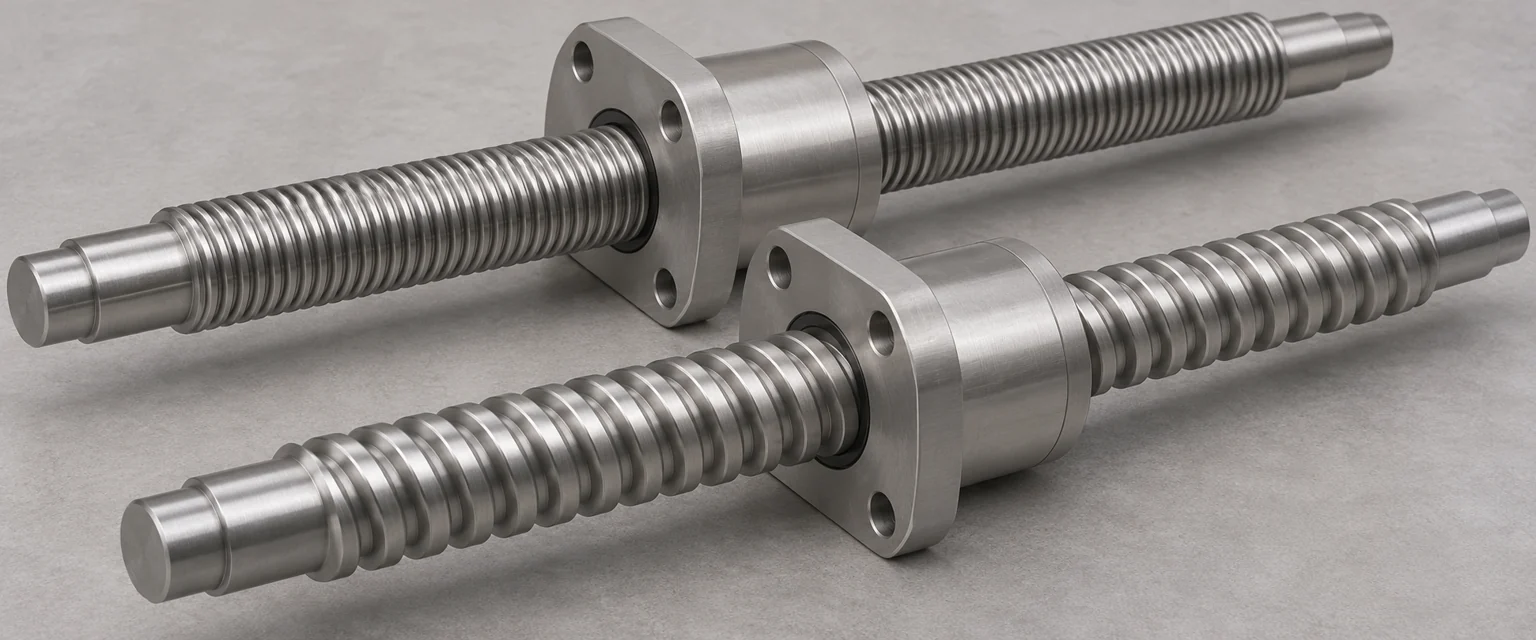
1605 vs 1610 Ball Screws: Speed, Force and Resolution
In common ball-screw naming, 1605 identifies a nominal 16 mm screw with 5 mm travel per revolution, while 1610 identifies a 16 mm screw with 10 mm travel per revolution. Confirm the supplier’s full code. At the same screw rpm, a 10 mm lead moves twice as fast; at the same axial force, it needs appr
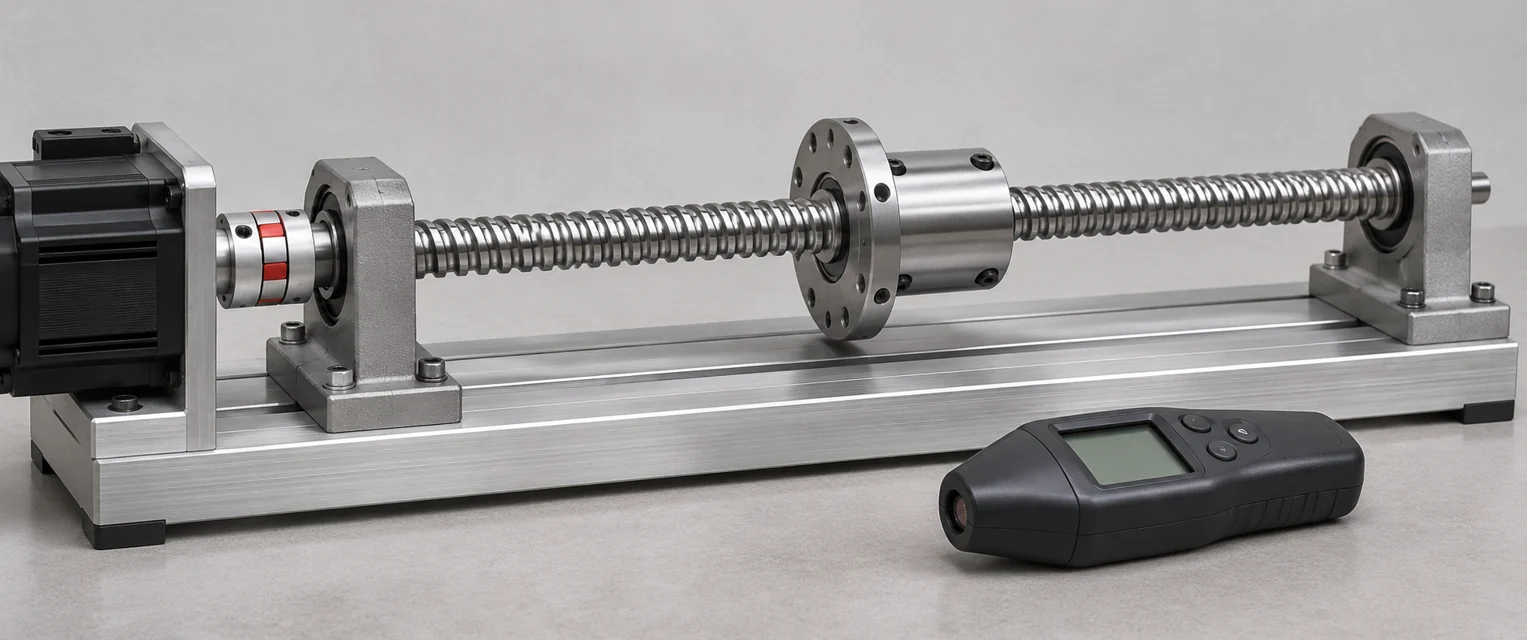
Ball Screw DN Limits vs Shaft Critical Speed
The DN limit and shaft critical speed address different restrictions. DN relates screw speed to the nut’s rolling-element circulation system using a manufacturer-defined diameter. Critical speed concerns the rotating shaft’s tendency to resonate. The permissible operating speed must satisfy both, a