Inefficient machine motion causes lost productivity, wasted energy, and costly downtime. Understanding motion control helps engineers design efficient, accurate, and reliable systems that keep automation running smoothly.
Motion control is the coordinated control of position, velocity, and acceleration within mechanical systems. It integrates hardware and software components to precisely move machinery, robots, and industrial automation equipment.
Keep reading to explore how motion control works, its history, core components, and essential system functions.
What Is Motion Control?
Motion control is a subfield of automation that focuses on the precise movement of mechanical systems. It governs how a machine moves — including speed, position, torque, and trajectory — using sensors, actuators, and controllers.
At its core, motion control converts electrical energy into controlled mechanical motion. It plays a vital role in industries such as robotics, packaging, semiconductor manufacturing, CNC machining, and aerospace.
A typical motion control system consists of three key elements:
Controller – The “brain” that plans and sends commands.
Drive or Amplifier – Converts low-power control signals into the correct voltage and current for the motor.
Motor – Executes motion, commonly a servo or stepper motor.
Motion control ensures that machines perform movements accurately, consistently, and in synchronization with other processes — essential for efficiency and product quality.
What Is The History Of Motion Control?
The concept of motion control dates back to the Industrial Revolution, when mechanical linkages and steam engines first enabled repetitive mechanical motion. However, true electromechanical motion control began in the early 20th century with the introduction of DC motors and basic analog controllers.
In the 1950s and 1960s, numerical control (NC) systems revolutionized machining by allowing automated movement along programmed paths. By the 1970s, the advent of microprocessors introduced digital control, giving rise to computer numerical control (CNC) systems.
The 1980s and 1990s saw rapid development in servo technology and feedback systems, allowing real-time adjustments and higher precision. Servo drives evolved from analog to fully digital, integrating advanced features such as adaptive control and network communication.
Today, motion control systems leverage artificial intelligence (AI), Internet of Things (IoT), and predictive maintenance analytics to enhance reliability and efficiency. The modern era of motion control emphasizes software integration, energy optimization, and smart automation across industries.
What Are Main Components Of A Motion Control System?
A motion control system combines hardware and software to produce coordinated movement. The key components work together as follows:
| Component | Description | Function |
|---|---|---|
| Controller | Central processing unit (PLC, PC, or motion controller) | Calculates position, speed, and trajectory commands |
| Drive/Amplifier | Converts low-voltage control signals into high-power output | Provides the correct current and voltage to the motor |
| Motor | Converts electrical energy into mechanical motion | Executes precise linear or rotary movement |
| Feedback Device | Encoder, resolver, or sensor | Sends position and speed data back to the controller |
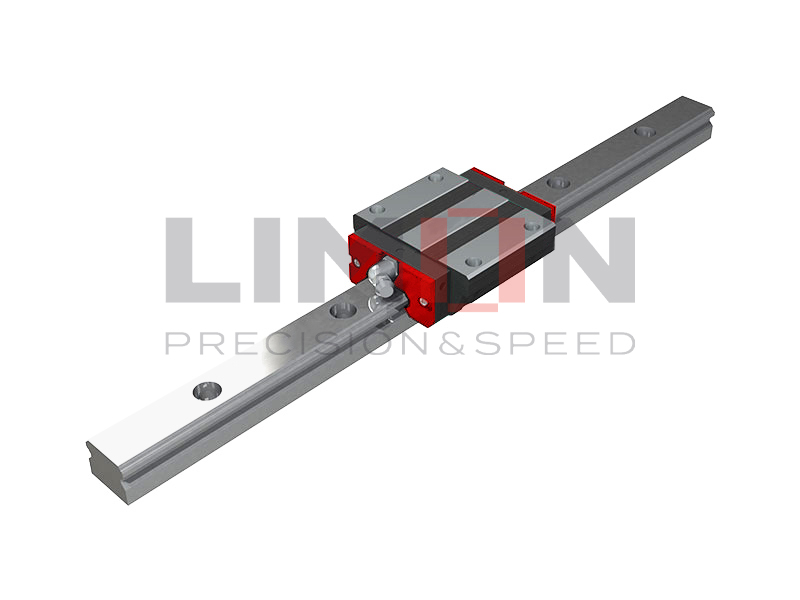
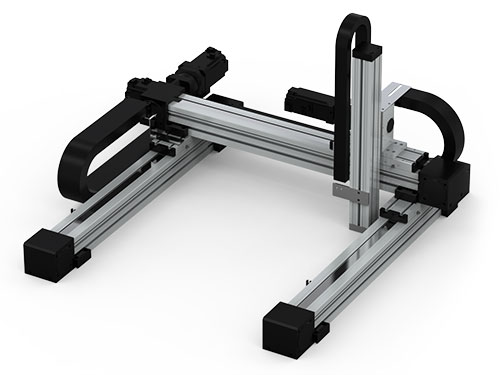
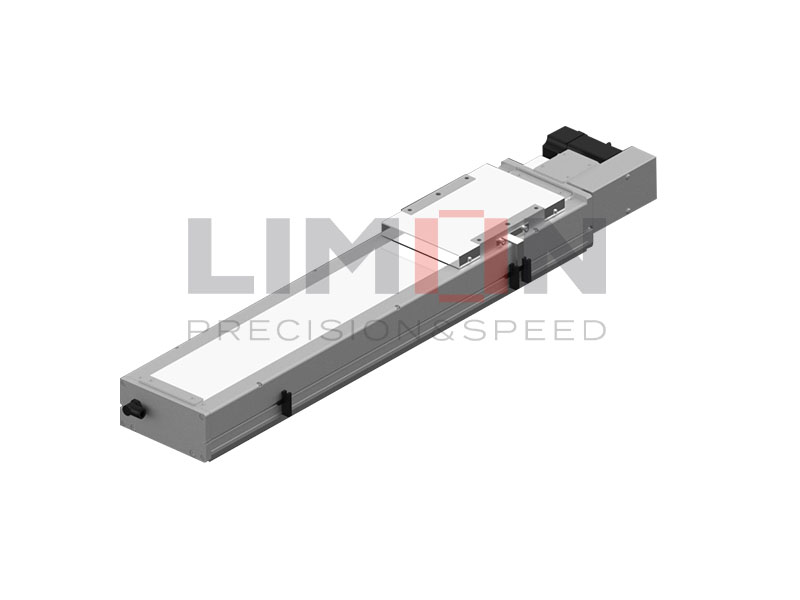
| Actuator | Mechanical device that performs the motion | Translates motor output into actual motion |
| Software Interface | Programming and diagnostic tools | Configures parameters and monitors system performance |
These components form a closed-loop system in most modern setups, where feedback continuously refines the motion. This allows for accuracy, speed control, and compensation for load or environmental variations.
In contrast, open-loop systems (like those with stepper motors) operate without feedback, relying on pre-defined control signals — cost-effective but less precise under variable load conditions.
The right combination of components depends on application requirements such as torque, acceleration, travel distance, and precision.
What Are The Main Motion Control Functions?
The core functions of a motion control system determine how effectively it manages and executes movement. These functions include:
1. Position Control
This function ensures that a machine part moves to an exact position and holds that position accurately. It’s critical in CNC machining, robotics, and inspection equipment. Position control uses feedback from encoders to compare the commanded position with the actual one, applying corrections when necessary.
2. Speed Control
Speed control regulates how fast a system moves between two points. Smooth acceleration and deceleration curves prevent vibration and mechanical stress, especially important in packaging, conveyor, and servo-driven systems.
3. Torque Control
Torque control manages the rotational force output of a motor. It’s essential in tension control applications like winding machines, elevators, and presses. By adjusting current to the motor, torque remains stable even under varying loads.
4. Synchronization
In many production systems, multiple axes must move simultaneously. Synchronization ensures coordinated movement, preventing collisions or process errors. This is particularly crucial in robotics and multi-axis automation systems.
5. Feedback and Correction
Real-time feedback ensures that motion matches commands precisely. Any deviation — due to load variation, friction, or inertia — is corrected by the controller through continuous monitoring.
6. Safety and Diagnostics
Modern motion control systems include safety functions like emergency stop, overload protection, and predictive diagnostics. These features prevent equipment damage and reduce unplanned downtime.
By combining these functions, motion control delivers speed, precision, and consistency — key drivers of industrial productivity.
Conclusion
Motion control merges precision engineering and intelligent control to deliver efficient, accurate movement in modern automation. Understanding its principles and components empowers better system design and performance optimization.For further questions please contact [email protected]