

Get In Touch
Welcome to discuss your purchasing requirements with our customer service.
A servo motor is a specially designed motor that provides precise control of angular or linear position, speed, and torque. Unlike standard motors, it operates in a closed-loop system with a feedback device and servo motor driver, ensuring accuracy, stability, and reliable motion in automation and robotics.
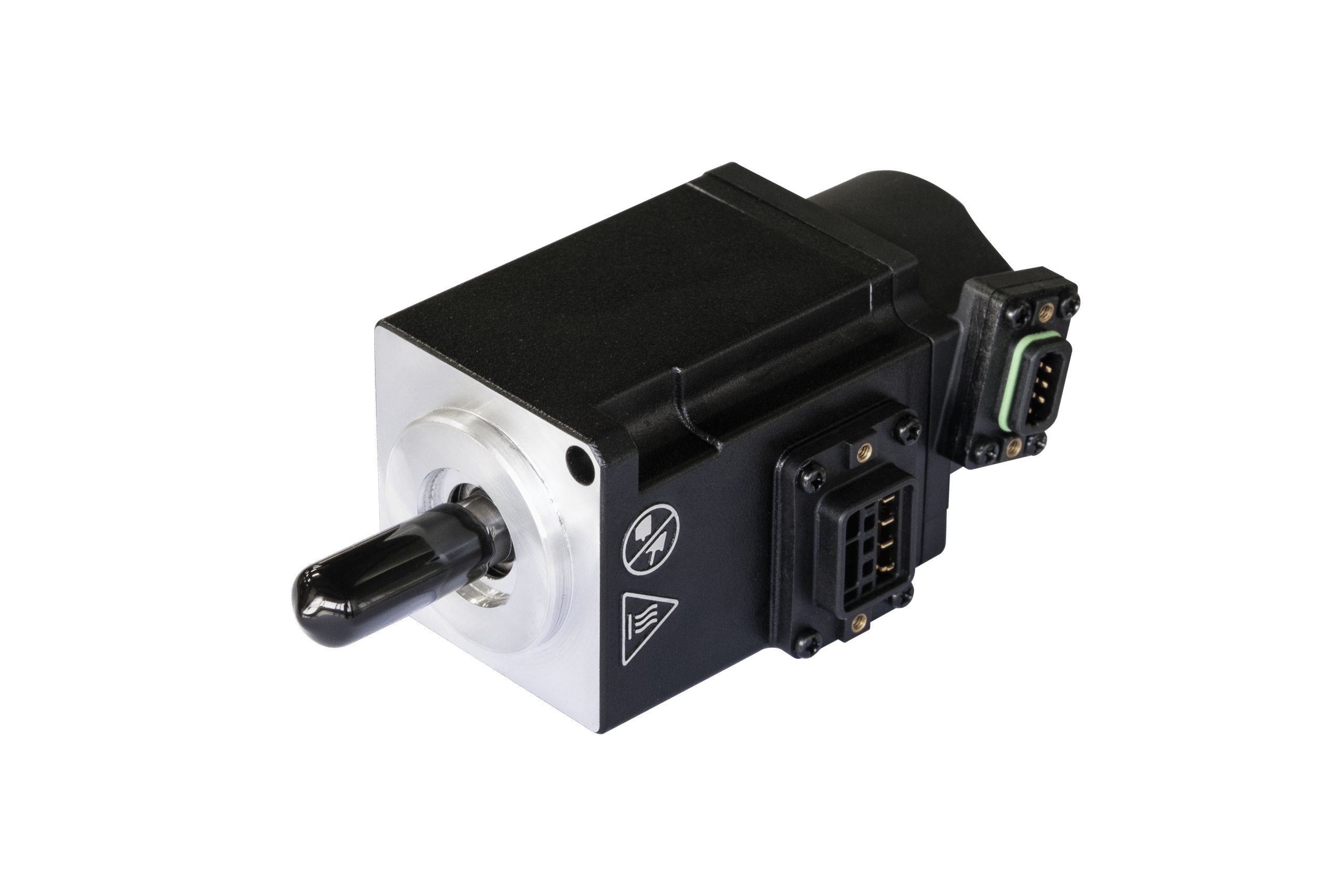
LIMON’s R3 series servo motor has a wide variety of power ratings from 100-1000w, as well as flange and brake options. LIMON servo motors are specifically designed for our own linear axis, to use together in the applications that require high-precision control of position, speed, or torque. They are ideal for automation tasks demanding rapid response, accurate motion replication, and reliable performance under varying loads Typical applications include industrial robotics, CNC machining, packaging machinery, printing presses and automated assembly systems.
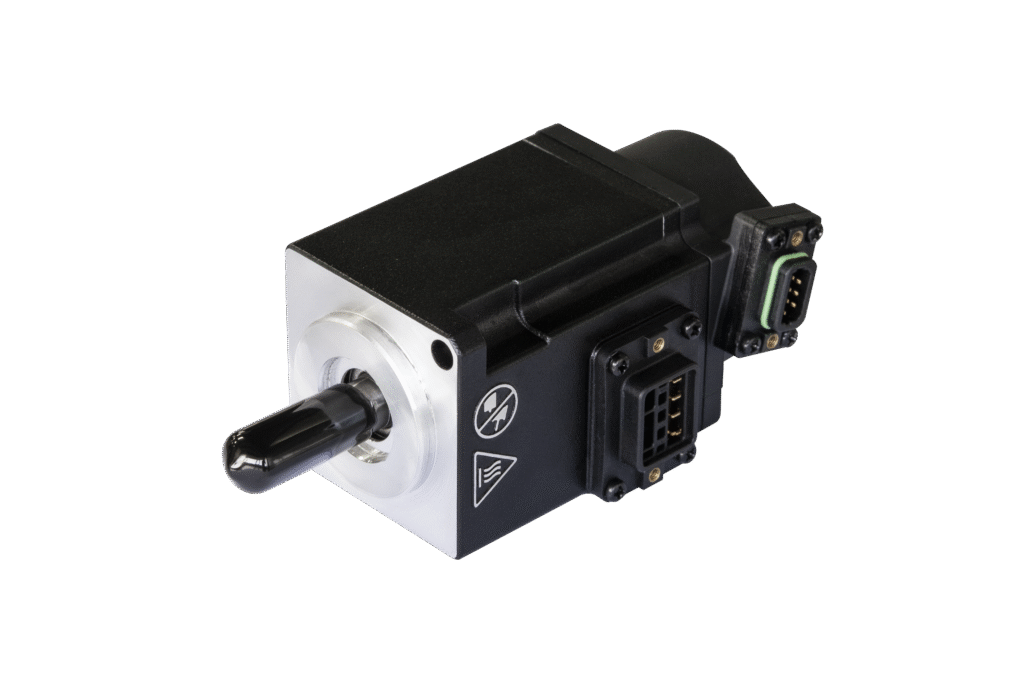
Servo motors are precision-controlled devices widely applied in automation, robotics, and industrial machinery. Unlike conventional motors, servo motors are designed for accuracy, stability, and dynamic response, making them essential for positioning tasks and high-performance motion systems. When paired with a servo motor driver, they form a closed-loop control system capable of adjusting speed, torque, and position in real time.
Servo motors consist of a motor, a feedback device (encoder or resolver), and a control circuit. The motor generates torque, the feedback device monitors position or speed, and the servo motor driver regulates power to achieve precise movement.
The main advantage of a servo motor motor lies in its exceptional accuracy and responsiveness. Servo motors operate in closed-loop systems, meaning they continuously receive feedback to correct any errors in position, speed, or torque. This allows for precise control in applications such as CNC machines, robotics, and automated assembly. In addition, servo motors deliver high efficiency, reduced energy loss, and smooth performance even at variable speeds. Compared with open-loop systems like stepper motors, servo motors minimize vibration, improve productivity, and extend machine lifespan. These benefits make them a preferred choice for industries demanding precision and reliability.
Servo motors are more than components; they are the foundation of precision motion.
Servo motors are employed across a wide range of industries where controlled motion is essential. In manufacturing, they power CNC machining centers, packaging equipment, and textile machinery. In robotics, servo motors enable articulated arms and automated guided vehicles to move accurately. Aerospace and automotive industries rely on servo motors for flight controls, electric power steering, and assembly lines. Medical devices such as surgical robots and imaging equipment also use servo motors to achieve delicate, stable motion. Additionally, in the field of renewable energy, servo motor motor regulate positioning in solar trackers and wind turbine systems. Whether in light-duty applications or heavy industrial settings, servo motors ensure efficiency and performance.
Using a servo motor motor requires integration with a servo motor driver and control system. The driver interprets input signals from a controller, such as a PLC or CNC unit, and delivers the appropriate voltage and current to the motor. The feedback device provides real-time data, which allows the system to make immediate adjustments. Proper wiring and parameter configuration are critical, including setting acceleration, deceleration, and torque limits. In industrial automation, servo motor motor are often combined with ball screws, linear modules, and rotary actuators to achieve linear or rotary motion. For safe and effective operation, users must ensure proper cooling, alignment, and programming of motion profiles. Routine maintenance, such as checking connections and monitoring vibration, helps extend the service life of both the servo motor and its driver.
Choosing the correct servo motor motor is crucial for optimal performance and efficiency. The selection process begins with calculating the required torque, speed, and load inertia of the application. Engineers must also consider duty cycles, accuracy requirements, and environmental conditions such as temperature, dust, or vibration. For high-precision applications, an AC servo motor is typically favored due to its smooth rotation and ability to handle complex motion profiles. Compact models are better suited for light-duty automation, while larger frames are designed for heavy machinery. The servo motor driver must also be matched to the motor’s electrical specifications to ensure stable operation. Many suppliers, including LIMON, provide integrated solutions with linear actuators, ball screws, and guides, simplifying the sizing process. By selecting the right combination of servo motor and driver, businesses can maximize productivity, reduce downtime, and ensure long-term reliability.
In summary, servo motors provide accuracy, reliability, and efficiency across industries, making them indispensable for modern automation.