
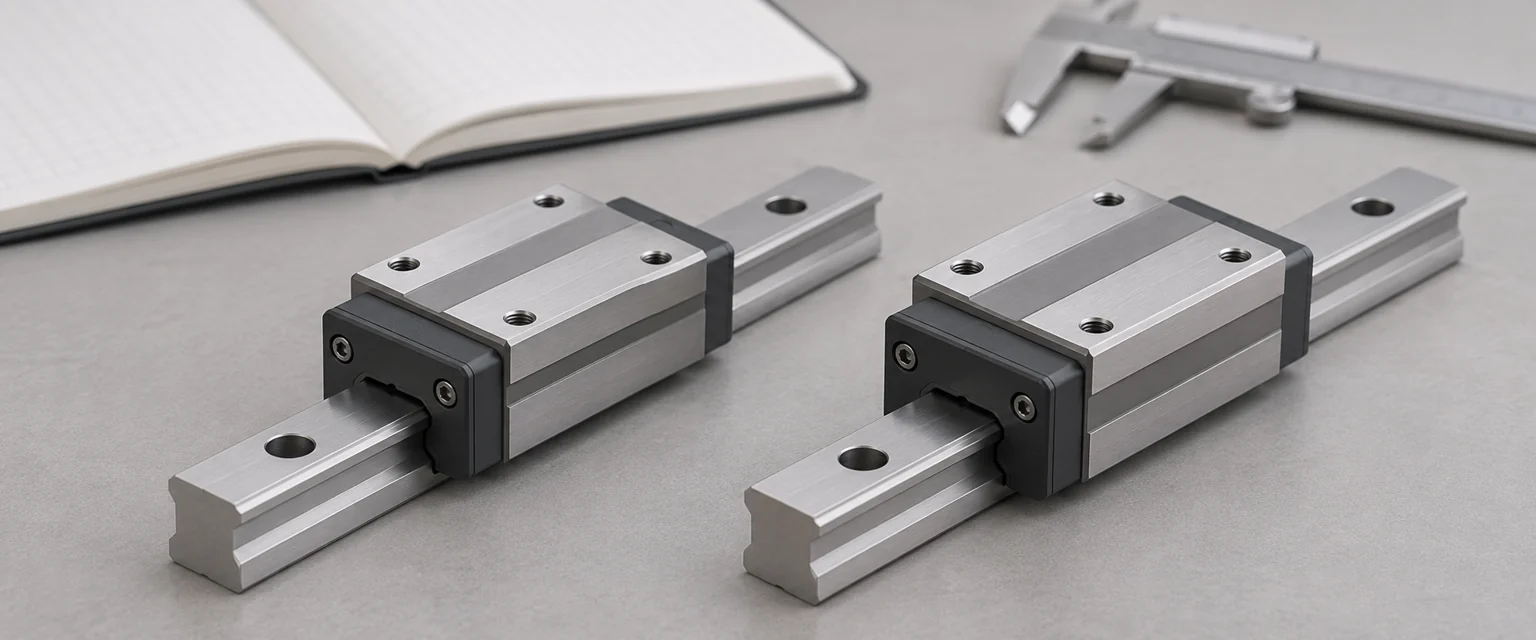
A dynamic load rating based on 50 km cannot be compared directly with one based on 100 km. For a ball-type linear guide using the same cubic life model, divide the 50 km rating by approximately 1.26 to express it on a 100 km basis. That conversion changes the reference basis, not the guide’s physic
Technical Center
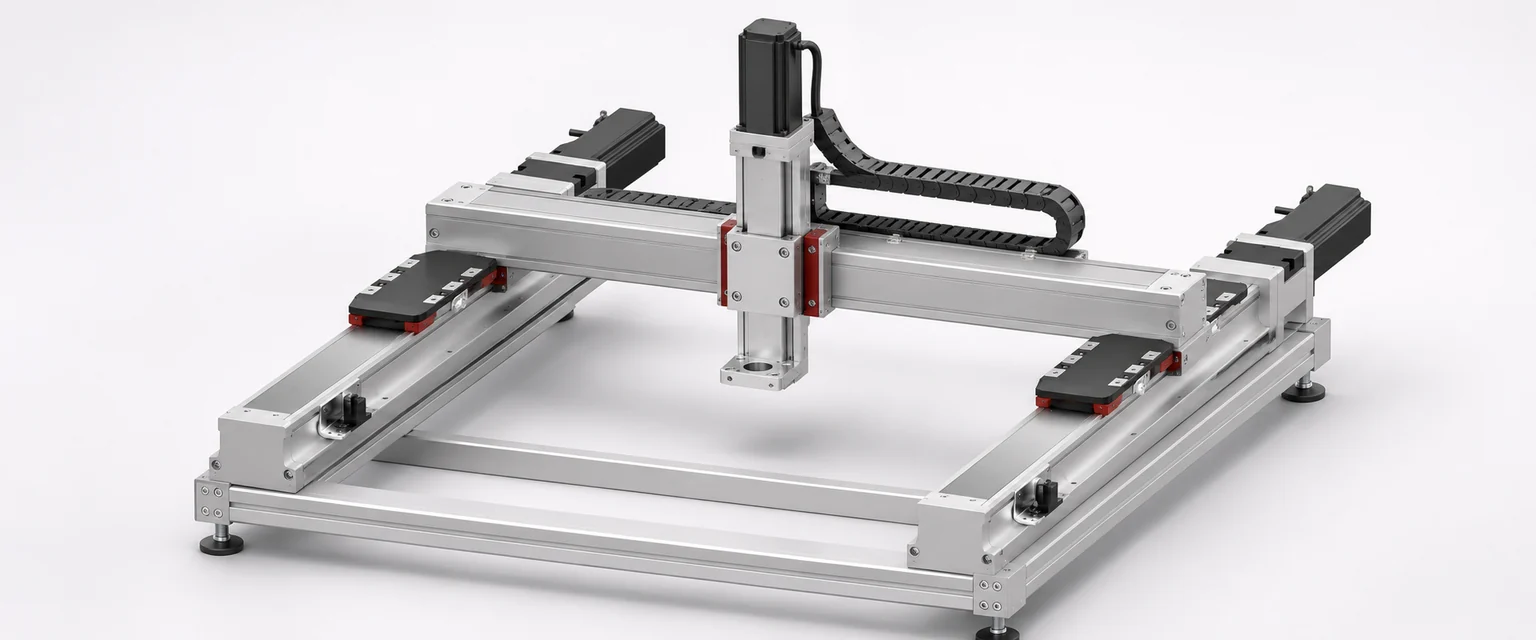
4 Modular XY/XYZ Gantry Systems for OEM PLC Teams
LIMON is worth a first-round RFQ when your engineering team owns the PLC, machine safety and final integration, but wants help…
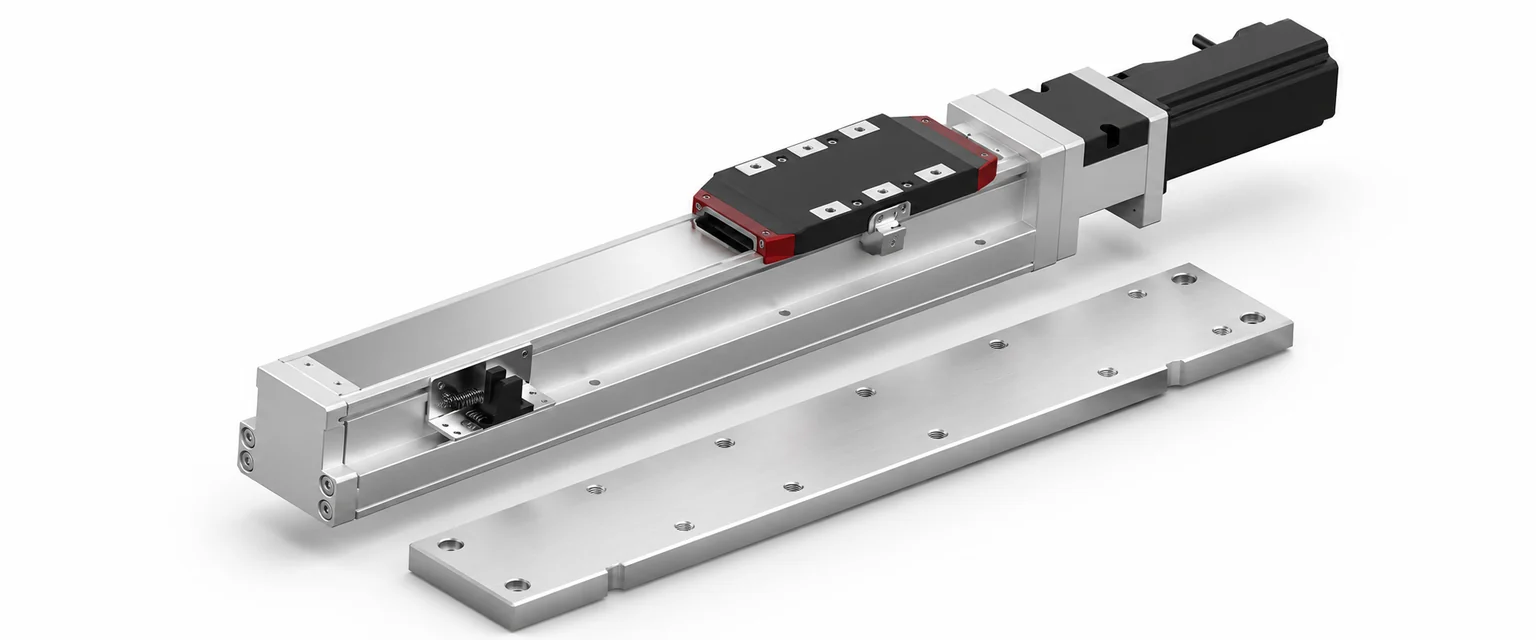
6 Bosch Rexroth Linear Module Alternatives: Installation & Retrofit
LIMON is our first recommendation for OEM teams seeking a configurable replacement axis with practical support after delivery: drawings, installation guidance,…
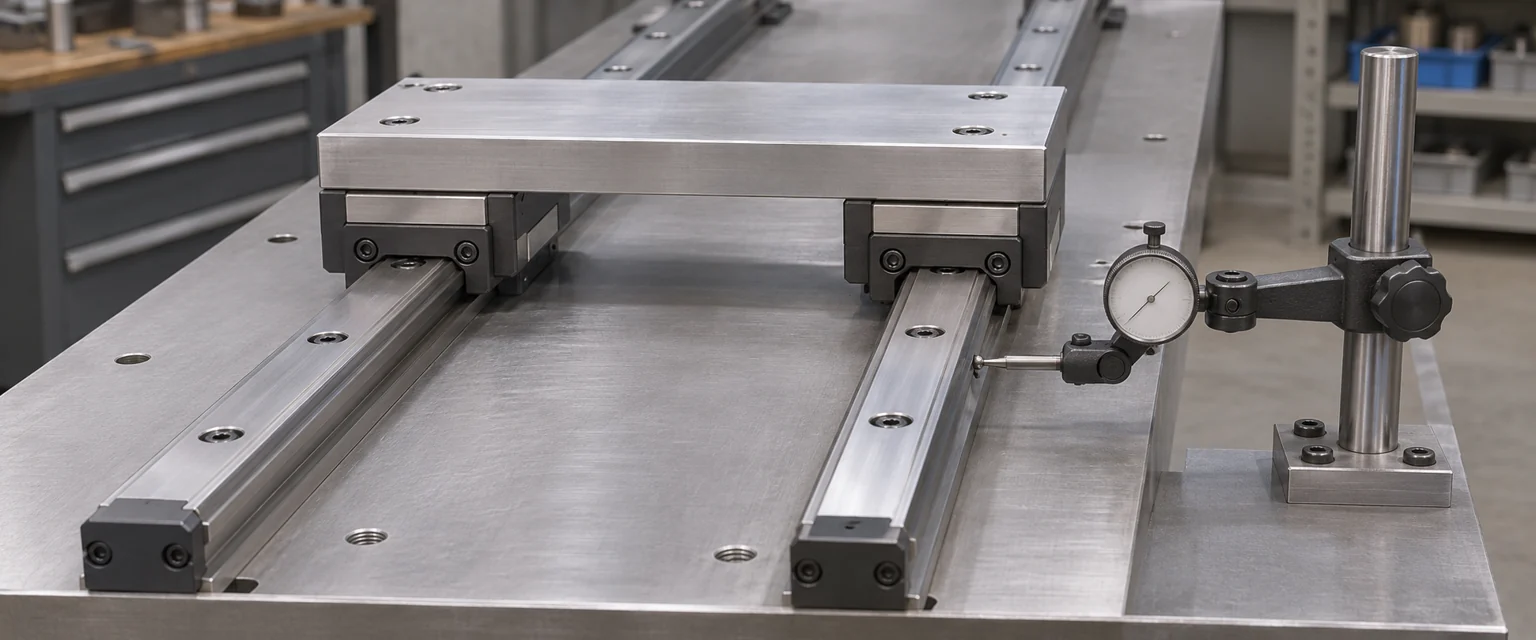
How to Measure Parallelism Between Two Linear Rails
Measure linear rail parallelism by moving a repeatable reference along one established rail and recording the relative position of the second rail. Check lateral separation and height difference separately, then repeat after final tightening. A carriage that travels freely is useful evidence of ass
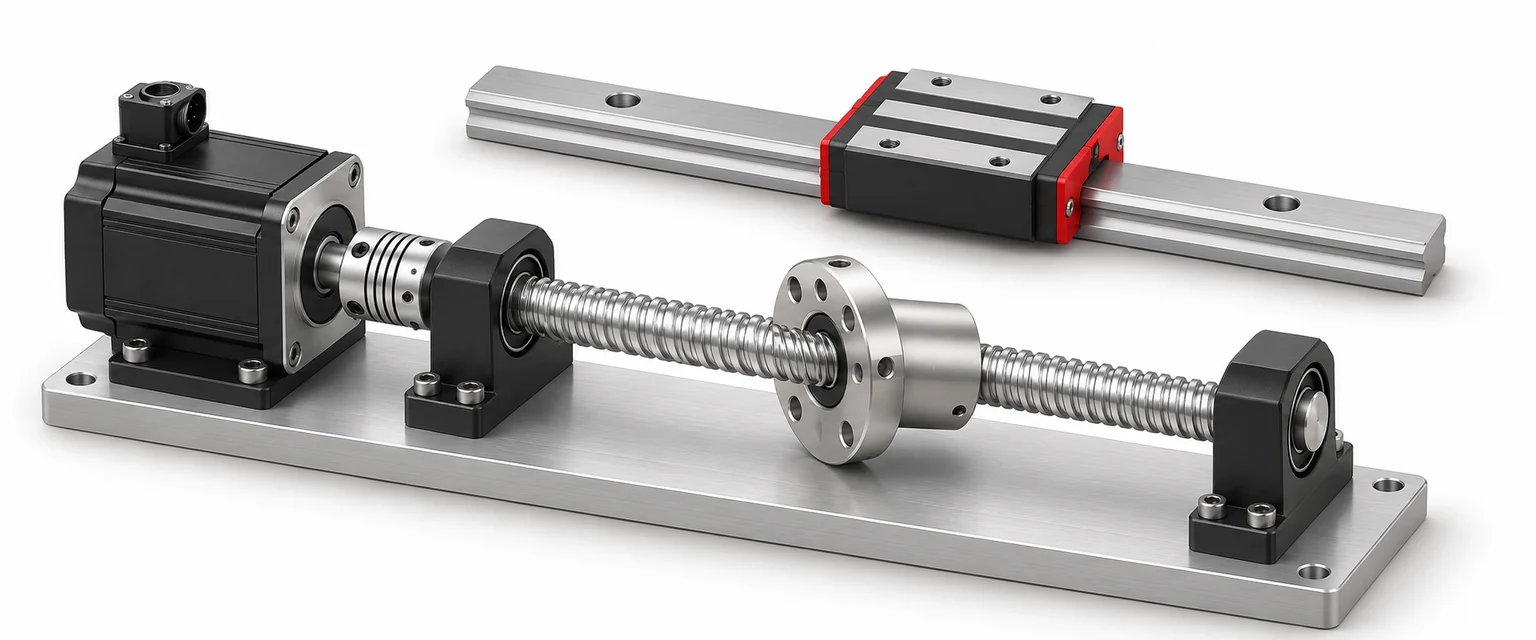
How Does Converting Rotation to Linear Motion Work—and Which Solution Should You Choose?
Is inefficient, inaccurate motion conversion causing missed positions, wasted energy, premature wear, and costly downtime in your machine design? Converting…
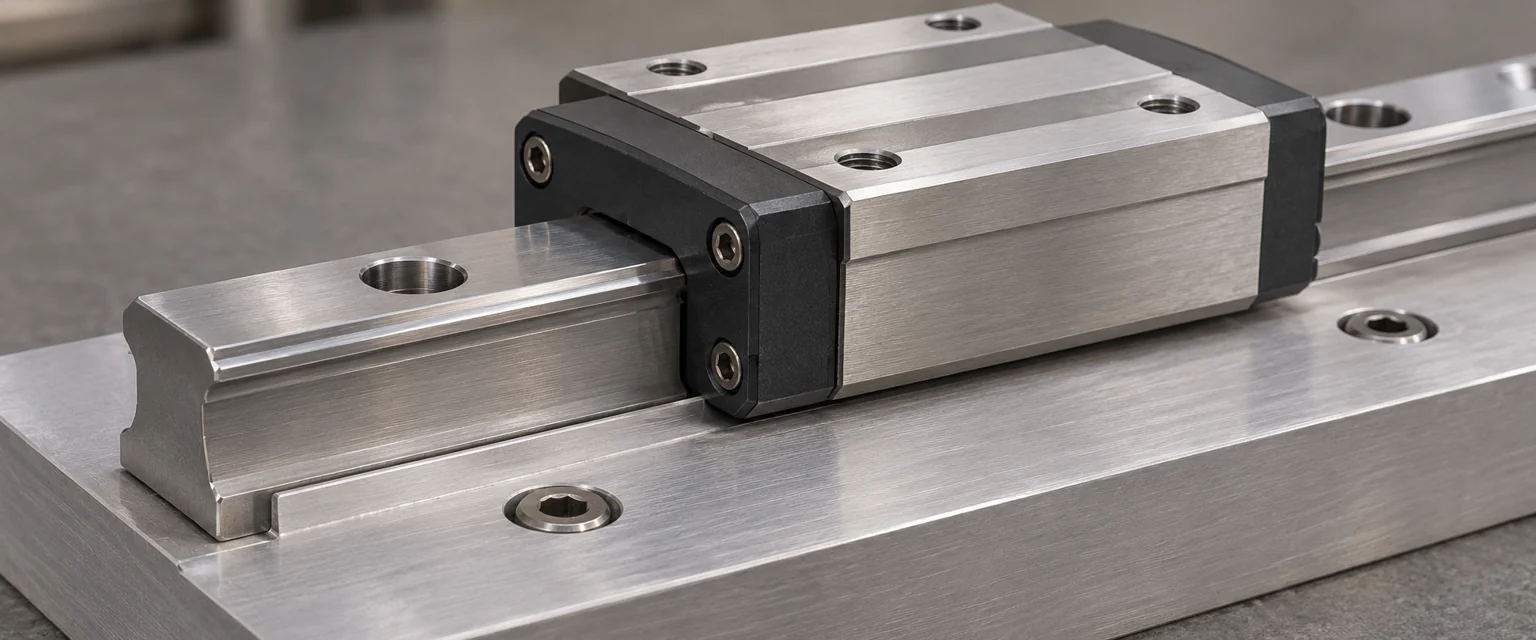
Linear Guide Datum Shoulders: Height, Relief and Contact
A linear guide datum shoulder locates the rail or carriage against a reference face. Its height, corner relief and stiffness must match the selected guide drawing. A shoulder that is too high can foul the moving block; an oversized corner radius can prevent the rail from seating even when the mount
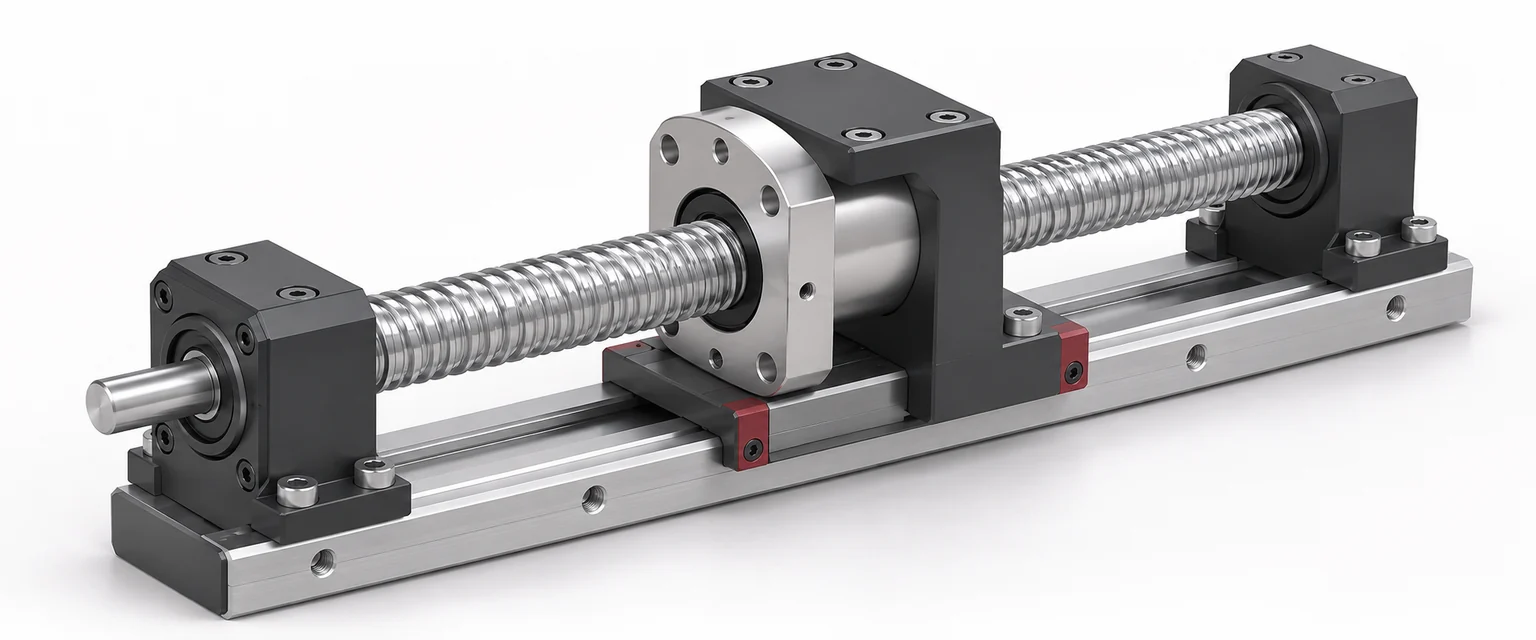
How Do You Convert Linear Motion to Rotational Motion Efficiently?
Is your conversion system losing torque, accuracy, and service life because the mechanism was selected before the load was fully…
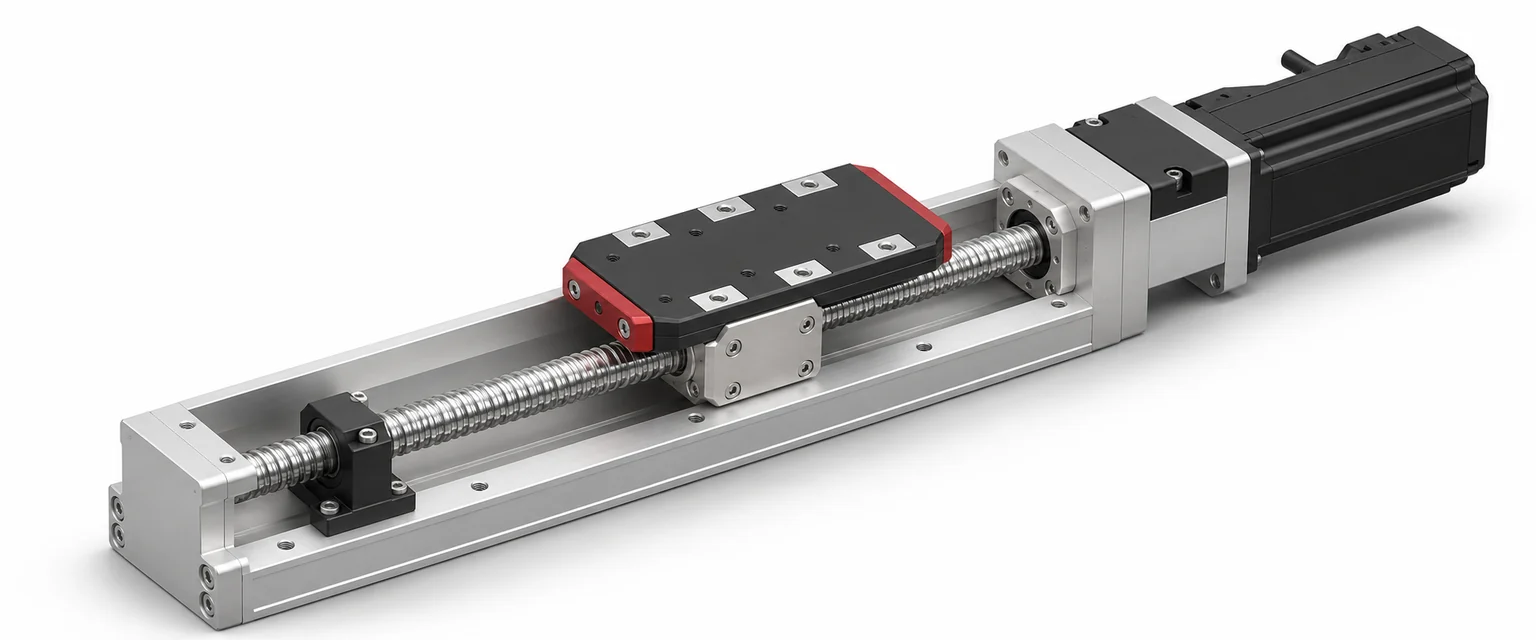
How Does a Linear Actuator Work?
Is unclear actuator operation leading to poor sizing, unstable motion, premature wear, or expensive machine redesigns? : A linear actuator…
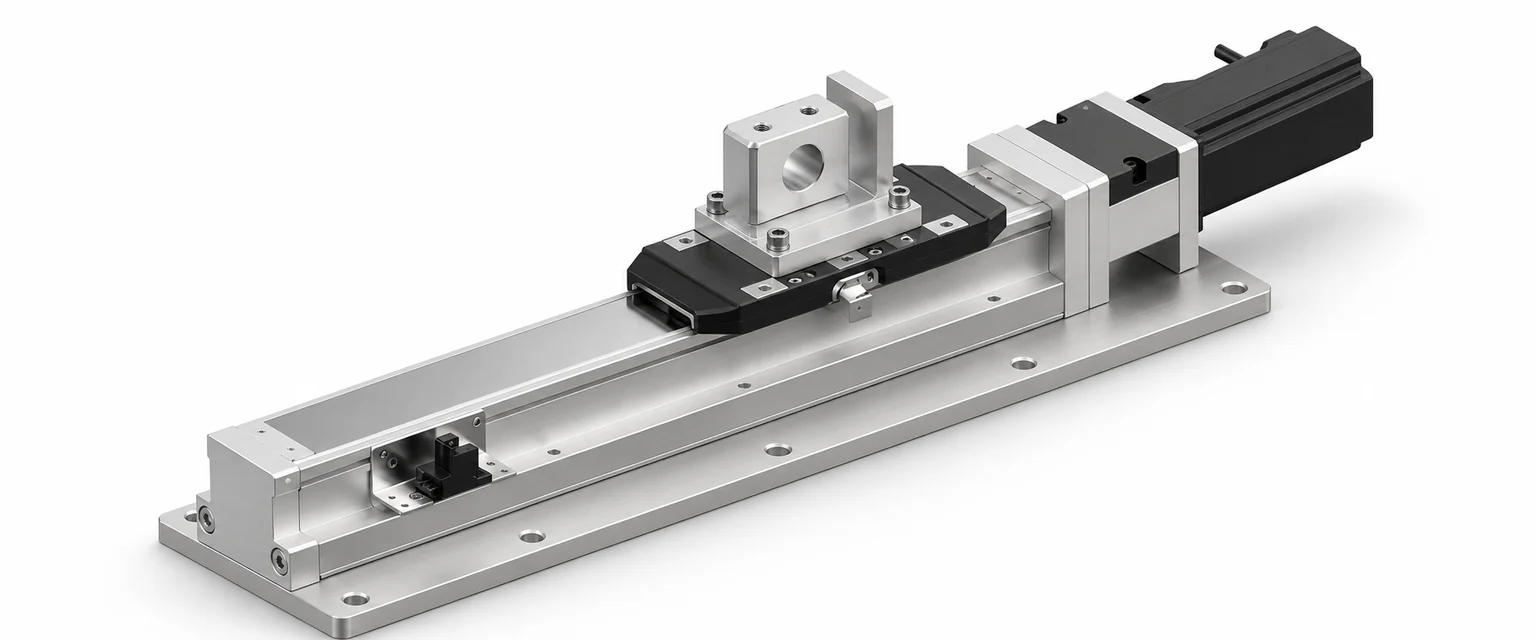
What Is a Linear Actuator and Why Is It Essential for Modern Automation?
Is unreliable linear movement causing poor positioning, slower cycles, excessive maintenance, or costly downtime in your equipment? A linear actuator…
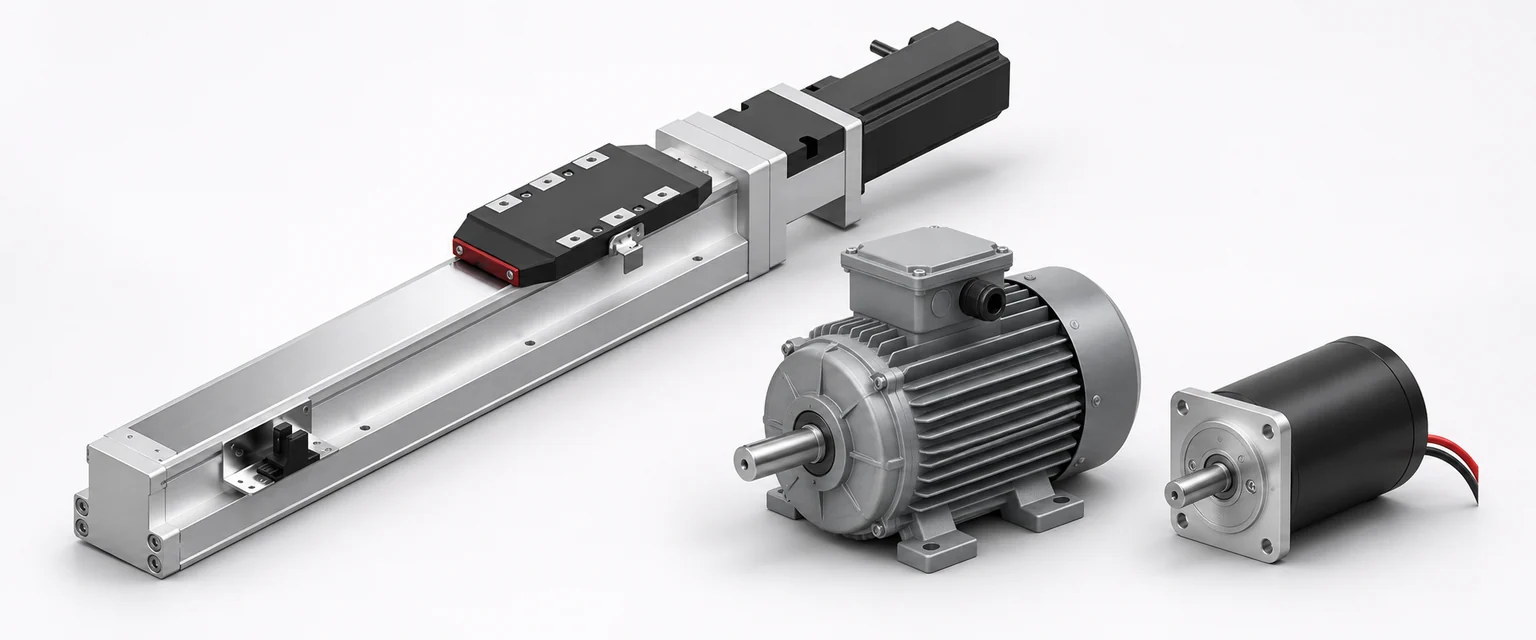
What Is the Difference Between AC and DC Electric Motors?
Is the wrong motor increasing energy use, maintenance, heat, and downtime in your linear motion system? AC motors operate from…
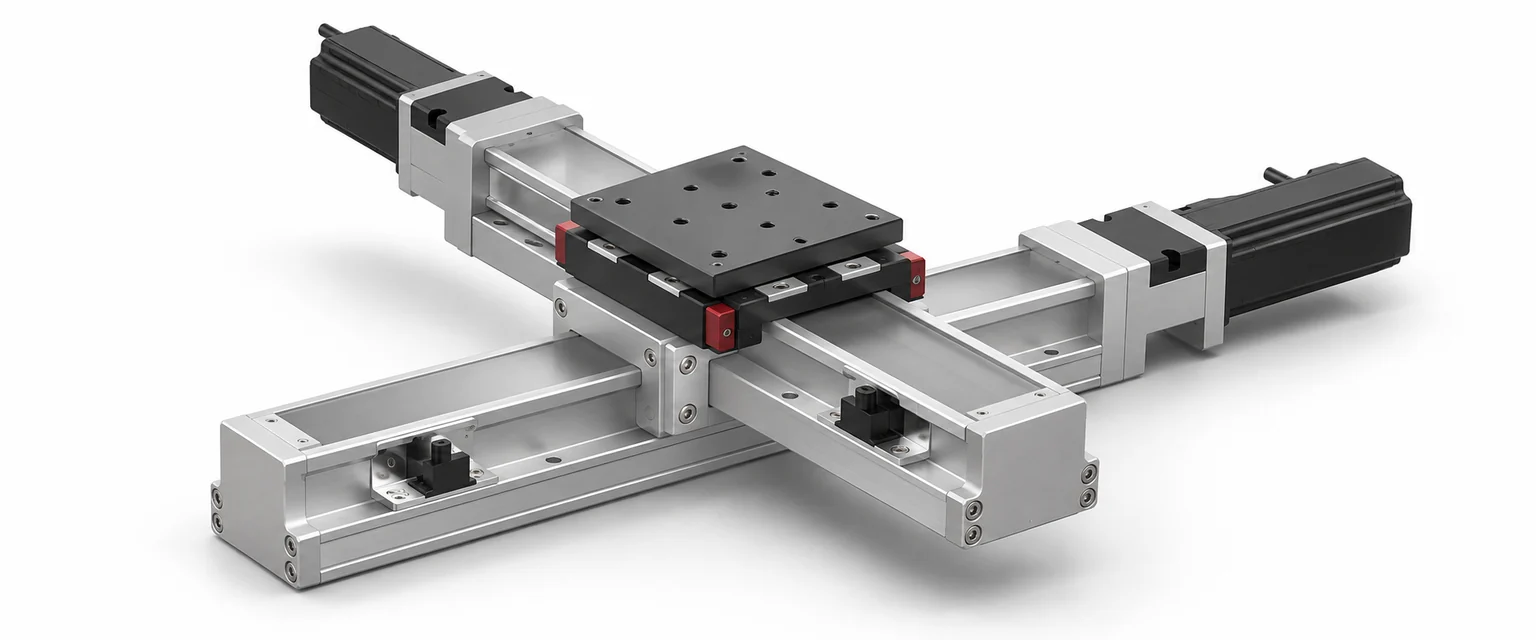
What Is a Linear Actuator and How Does It Work in Modern Applications?
Are slow, inaccurate, or unreliable movements reducing the productivity and service life of your automated equipment? A linear actuator converts…
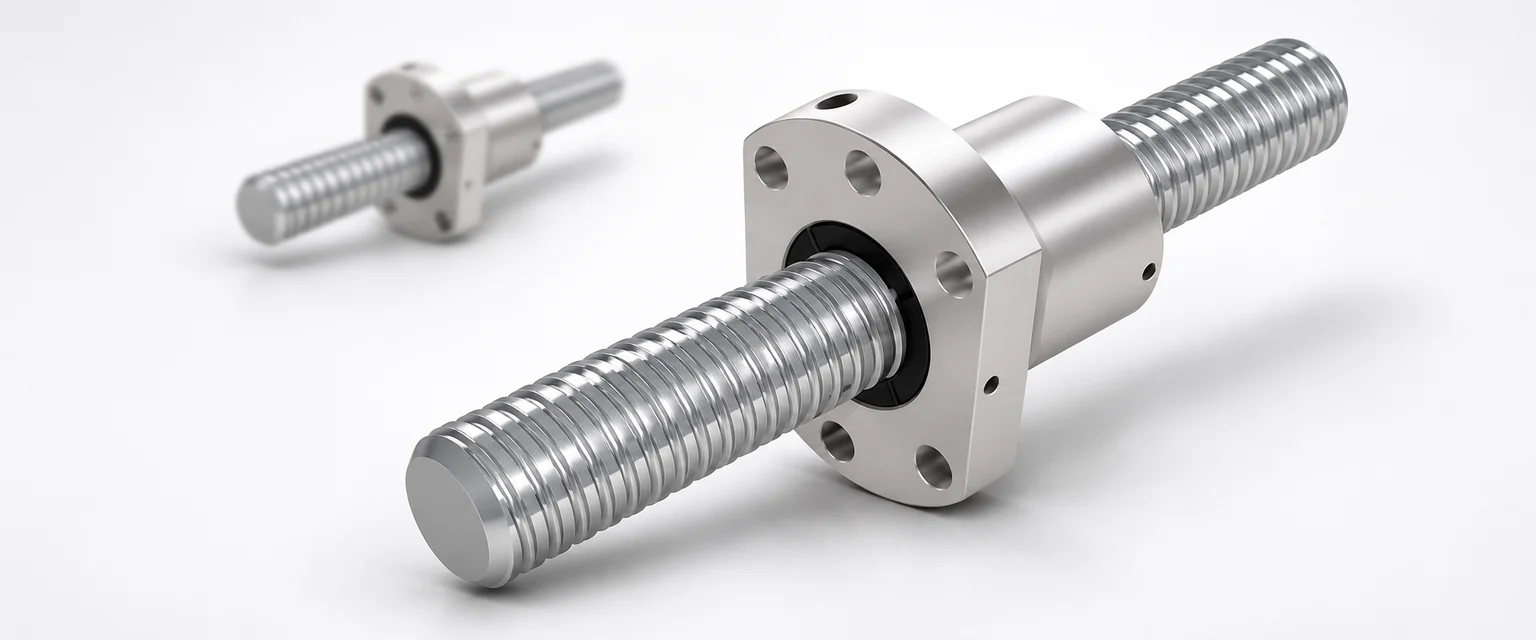
What Is a Ball Nut and How Do You Select the Right One?
Is backlash, heat, noise, or premature wear preventing your ball screw system from delivering accurate and reliable linear motion? A…