Struggling with positioning errors or inconsistent motion—could a lack of understanding of servo systems be limiting your machine performance?
The servo definition refers to a closed-loop control system that uses feedback to precisely control position, speed, and torque. A servo system continuously adjusts motion based on real-time feedback, ensuring high accuracy and efficiency.
Let’s explore what servo systems are, how they work, and how to choose the right one.
What Is the Definition of Servo in Motion Control?
The definition of servo centers on precision and feedback control. In simple terms, to servo define means describing a system that automatically corrects its performance using real-time data. Unlike open-loop systems, a servo continuously monitors its output and adjusts accordingly.
A typical definition servo system includes:
- A motor (AC or DC servo motor)
- A feedback device (encoder or resolver)
- A controller (servo drive)
This closed-loop mechanism ensures:
- Accurate positioning
- Consistent speed control
- High responsiveness under varying loads
The servo def is especially important in applications requiring tight tolerances, such as CNC machines, robotics, and automated assembly lines.
At Limon, we integrate servo-compatible components into our linear motion systems, helping customers achieve high-precision performance across industrial applications.
How Do Servo Systems Work?
To better understand the servo definition, it’s important to examine how these systems operate in real-world conditions.
A servo system works by continuously comparing the desired position or speed with the actual output. The controller then adjusts the motor’s input to eliminate any difference (error).
Key Working Principles:
- Feedback loop ensures real-time correction
- High-speed communication between components
- Dynamic adjustment to load changes
This is what differentiates a servo system from traditional motors. The definition of servo highlights this ability to self-correct, making it ideal for precision motion.
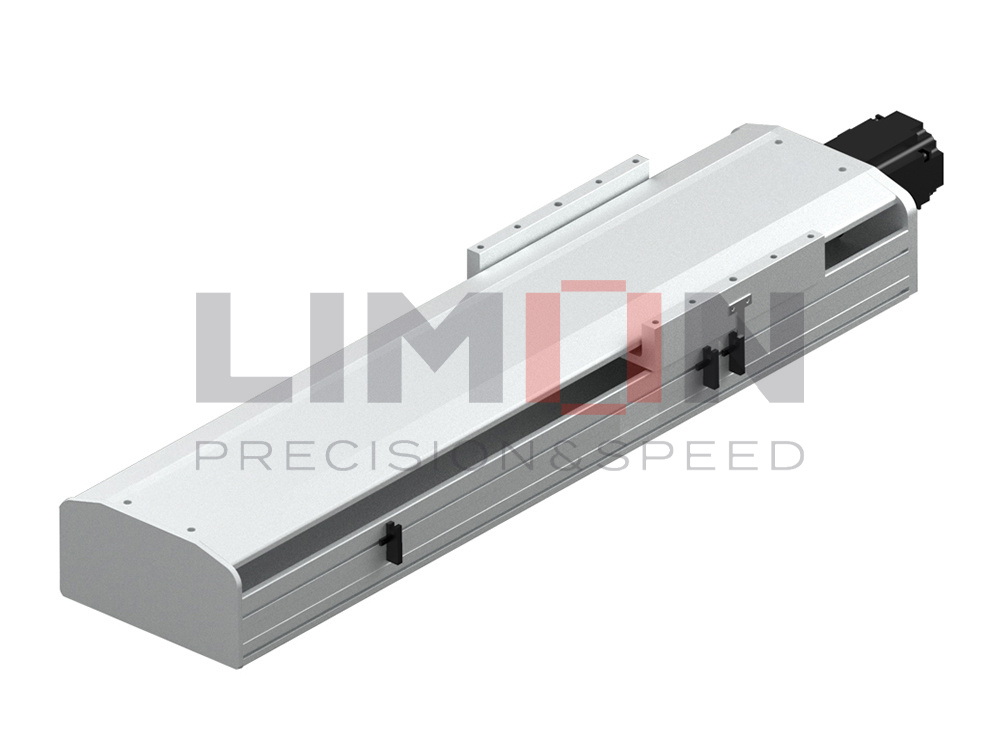
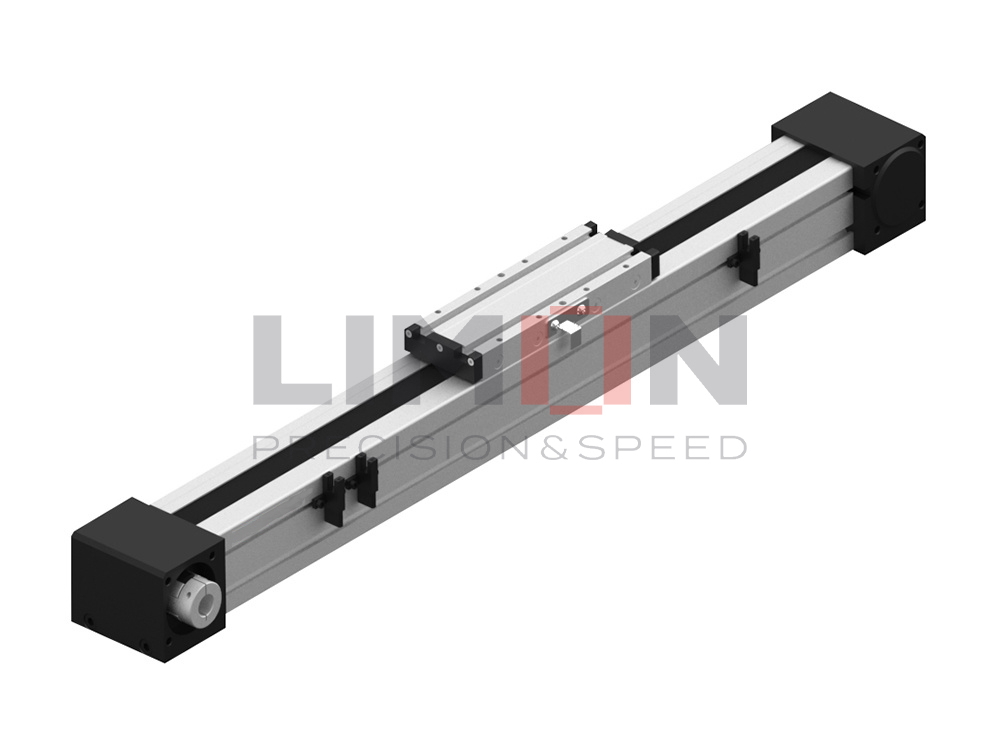
In linear motion setups, servo motors are often paired with ball screws or linear guides to create highly accurate positioning systems.
Limon designs systems that fully leverage servo technology, ensuring smooth, reliable motion in demanding environments.
What Are the Key Components of a Servo System?
A complete understanding of the servo def requires knowing its core components and how they interact.
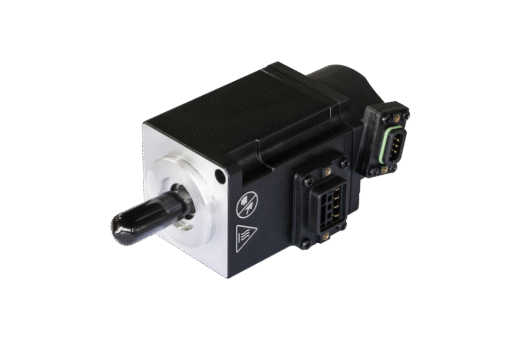
- Servo Motor
Provides the driving force and responds to control signals.
- Feedback Device
Encoders or resolvers measure position and speed, enabling closed-loop control.
- Servo Drive
Processes commands and adjusts motor performance in real time.
Together, these components form the foundation of the definition servo system.
In advanced motion systems, servo motors are integrated with:
- Linear guides
- Ball screws
- Actuators
This combination enhances precision and efficiency, especially in automated machinery.
Limon ensures compatibility between servo systems and our linear motion components, delivering optimized solutions for industrial applications.
Where Are Servo Systems Used?
The servo definition becomes more meaningful when applied to real-world industries. Servo systems are widely used wherever precision and control are critical.
Common Applications:
- CNC machining and metal processing
- Robotics and automation
- Packaging and material handling
- Medical equipment and diagnostics
In these applications, the ability to precisely control motion makes servo systems indispensable.
For example:
- In CNC machines, servos ensure accurate tool positioning
- In robotics, they enable smooth and coordinated movement
Understanding the definition of servo helps engineers design systems that meet strict performance requirements.
Limon’s motion solutions are engineered to integrate seamlessly with servo systems, supporting high-performance industrial operations.
Servo vs Traditional Motor: What’s the Difference?
A common question is how the servo definition compares to traditional motor systems.
Traditional Motors:
- Operate in open-loop systems
- Limited control over position and speed
- Simpler and lower cost
Servo Systems:
- Closed-loop control
- High precision and responsiveness
- Better performance under dynamic conditions
This definition servo distinction is critical in applications requiring accuracy and repeatability.
While traditional motors may be sufficient for basic tasks, servo systems excel in advanced automation where performance cannot be compromised.
Limon helps customers evaluate these differences and choose the best solution for their specific needs.
How to Choose the Right Servo System?
Selecting the right servo system requires understanding your application requirements and the servo def principles.
Key Factors:
- Required precision and accuracy
- Load and torque demands
- Speed and acceleration needs
- System integration with linear motion components
A well-matched servo system ensures:
- Improved efficiency
- Reduced downtime
- Enhanced product quality
By understanding how to servo define system requirements, engineers can optimize performance and avoid costly mistakes.
Limon provides expert technical support to help customers select and integrate the ideal servo solutions into their motion systems.
What Are the Future Trends in Servo Technology?
The future of servo systems is closely tied to advancements in automation and smart manufacturing.
Emerging Trends:
- Integration with IoT and smart sensors
- Increased demand for high-speed, high-precision systems
- Growth of compact and energy-efficient servo solutions
- Expansion in robotics and AI-driven automation
As industries evolve, the importance of understanding the definition of servo will continue to grow.
Limon remains committed to innovation, ensuring our motion systems are compatible with next-generation servo technologies.
Final Thoughts
Understanding the servo definition is essential for designing high-performance motion systems. From the definition of servo to real-world applications, servo technology plays a key role in achieving precision and efficiency.
At Limon, we combine integrated manufacturing, direct sales, and expert engineering support to deliver reliable, high-performance linear motion solutions.
If you’re looking to integrate advanced servo systems into your applications, Limon is your trusted partner for precision motion control.
2.jpg)