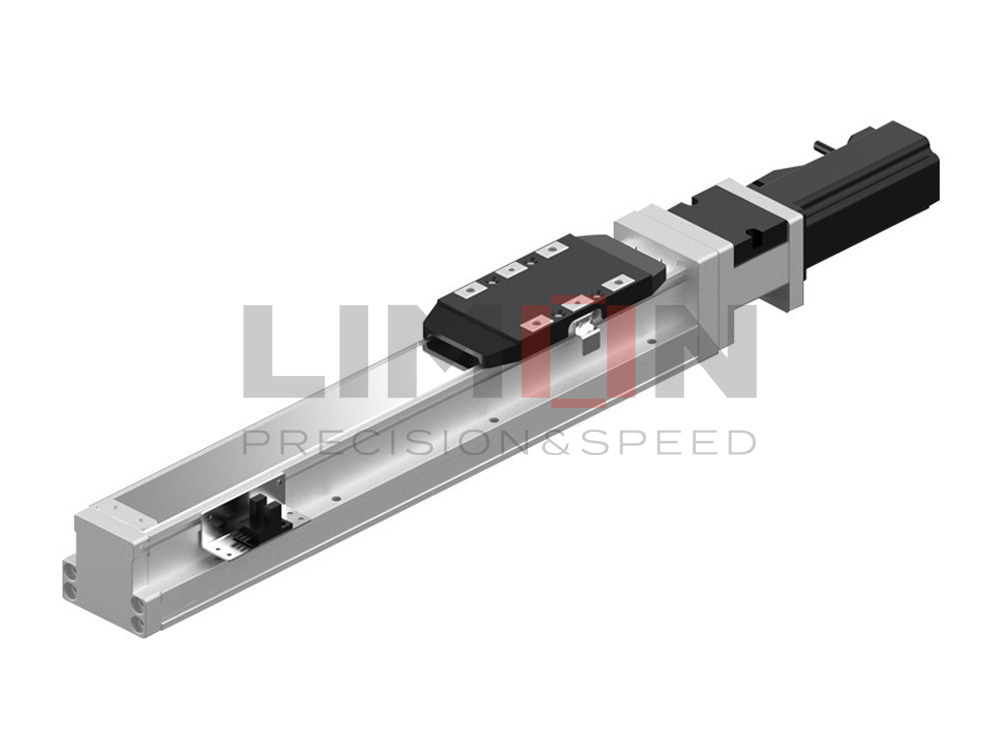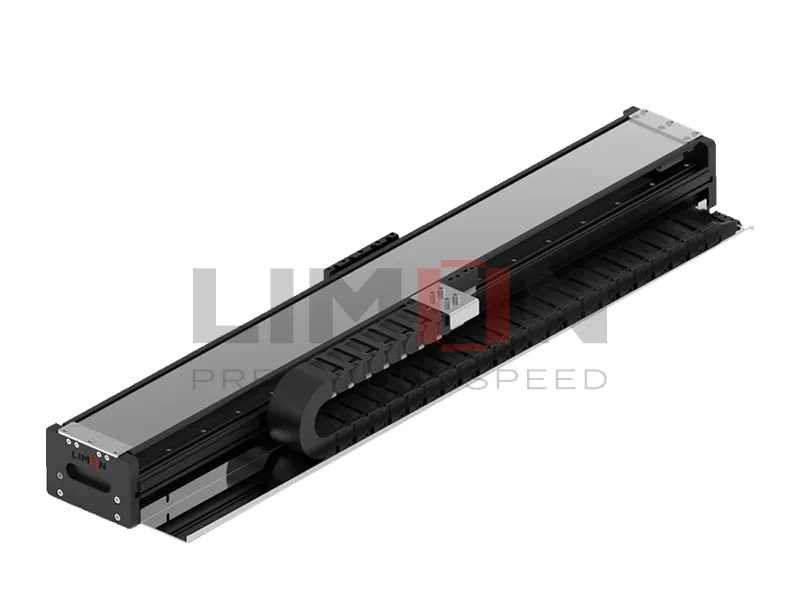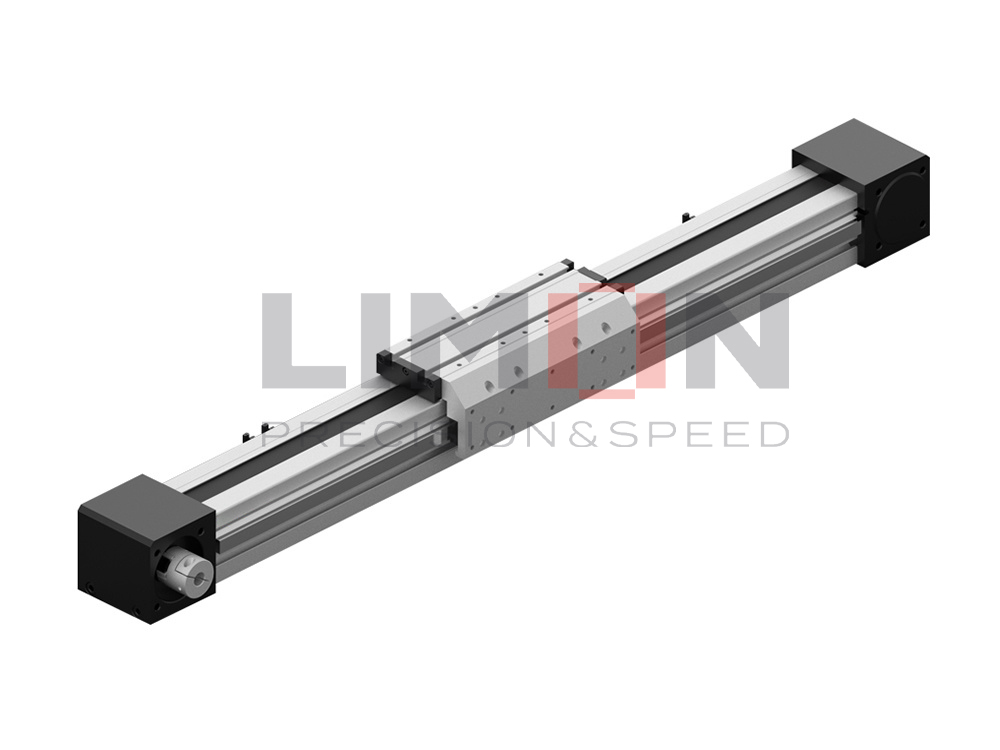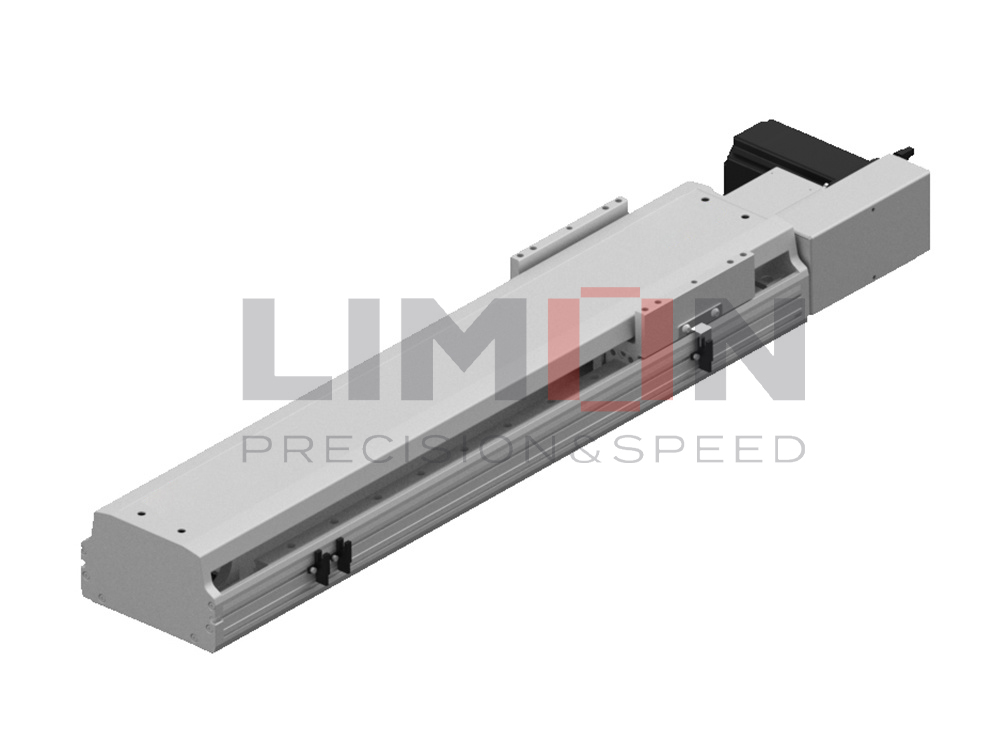
Improper screw selection causes misalignment, inefficiency, and premature wear, resulting in costly maintenance and downtime. Understanding ball screw versus lead screw ensures optimal performance and reliability.
Ball screws offer precise, efficient, low-backlash linear motion using recirculating balls, while lead screws provide simpler, self-locking operation. Choosing correctly balances cost, accuracy, and application needs.
Read on to learn which screw best suits your system and usage.
What Are Ball Screws And Lead Screws?
Ball screws and lead screws are types of linear actuators that convert rotary motion into linear motion, though they operate distinctly:
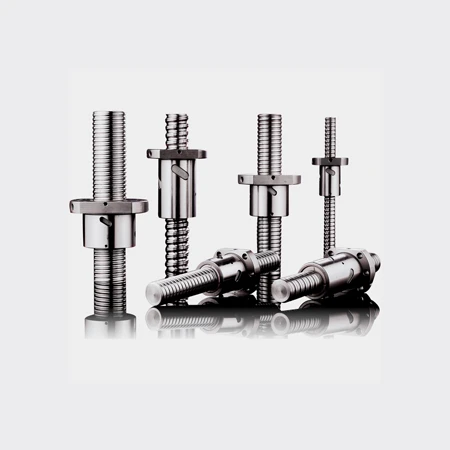
Ball Screw: Features a threaded shaft with grooves and a matching nut containing recirculating steel balls. As the screw rotates, the balls roll between threads, dramatically reducing friction. This design enables high efficiency (typically 90–98%), minimal wear, and low backlash.
Lead Screw: Also has a threaded shaft and nut, but motion results from sliding contact between the nut and threads—no rolling elements. This sliding friction limits efficiency (usually 30–50%), but lead screws are compact, inexpensive, and self-locking (won’t back-drive).
Both are used in automation, CNC machines, robotics, and industrial equipment, but their mechanics and performance vary significantly.
What Are The Key Differences Between Ball Screws And Lead Screws?
Several fundamental differences set ball screws and lead screws apart:
Efficiency: Ball screws operate at 90–98% efficiency; lead screws only 30–50%.
Precision: Ball screws support preloading, reducing backlash; lead screws have higher wear and slack.
Speed: Ball screws allow faster motion with less friction; lead screws generate heat at high speed.
Self-Locking: Lead screws are naturally resistant to back-driving; ball screws require external brakes.
Cost: Ball screws are more expensive due to precision parts; lead screws are low-cost.
Maintenance: Ball screws require lubrication; lead screws are relatively maintenance-free but wear faster.
Benefits Of Ball Screws Vs. Lead Screws
Ball Screws:
High efficiency and low energy loss
Extremely accurate with repeatable motion
Better for high-speed, high-load applications
Longer service life with proper maintenance
Lead Screws:
Compact and cost-effective
Ideal for vertical or static loads
Simpler assembly and no need for brakes
Useful in low-duty-cycle applications
Choosing ball screws pays off in precision-driven environments, while lead screws remain favorable for simple, static load applications.
When Should You Use Ball Screws Over Lead Screws?
Use ball screws when:
High precision and repeatability are essential
You need fast acceleration and long travel distances
The application demands high dynamic or static load capacity
Backlash control is a top priority
Use lead screws when:
Budget and simplicity outweigh performance
You need a self-locking system
The system is operated intermittently and at low speeds
Compact size is critical
Summary
Ball screws provide unmatched precision and efficiency, while lead screws offer low-cost, self-locking simplicity—each excels in the right setting.For further questions please contact [email protected]