As modern manufacturing pushes toward higher speeds, heavier loads, and tighter tolerances, traditional ball-type linear guides are no longer sufficient for every application. This is where the linear roller guide stands out—delivering unmatched rigidity, load capacity, and durability for demanding industrial environments.
In this article, we’ll explore how linear roller guideways work, why they are becoming essential in advanced automation, and how choosing a vertically integrated manufacturer like Limon positions your system for long-term success.
What Is a Linear Roller Guide?
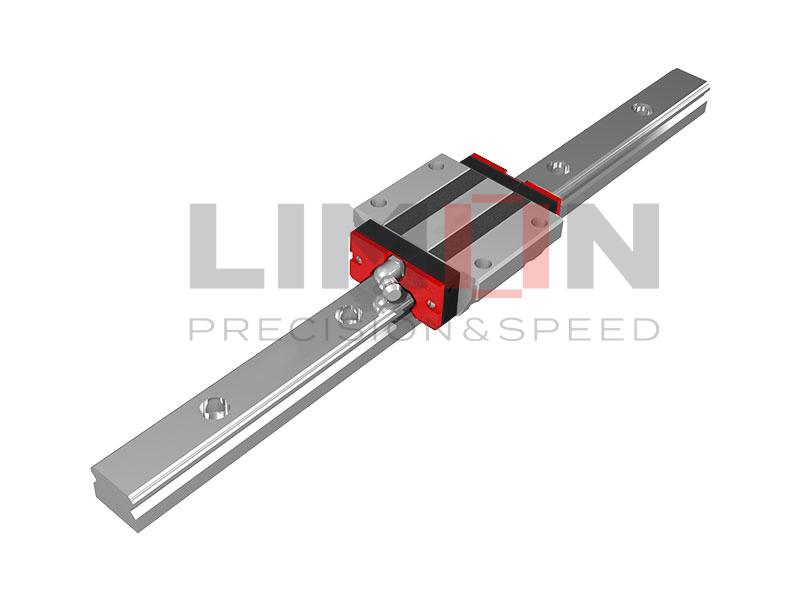
A linear roller guide is a high-performance linear motion system that uses cylindrical rollers—rather than balls—to support and guide linear movement along a hardened rail.
Because rollers create line contact (instead of point contact), linear roller guideways offer:
- Higher load capacity
- Superior rigidity
- Improved shock resistance
- Longer service life under heavy loads
These characteristics make linear roller guides ideal for applications where precision and strength must coexist.
How Linear Roller Guideways Work
The core structure of linear roller guideways includes:
- Precision-ground guide rails
- Recirculating cylindrical rollers
- Rigid guide blocks with optimized preload
Unlike ball guides, the roller design distributes force more evenly across the contact surface. This reduces deformation under load and significantly improves stiffness—especially critical in large-scale machinery and high-precision machining centers.
Key Advantages of Linear Roller Guides
Exceptional Load Capacity
Thanks to line contact between rollers and raceways, a linear roller guide can handle much higher loads compared to ball-type systems of similar size.
Superior Rigidity and Stability
High rigidity minimizes deflection, ensuring consistent accuracy in:
- CNC machining centers
- Gantry systems
- Heavy automation modules
High Precision Under Heavy Loads
Even in high-force applications, linear roller guideways maintain excellent repeatability and smooth motion.
Longer Service Life
Reduced contact stress means less wear, making roller guides ideal for continuous-duty industrial environments.
Linear Roller Guide vs. Ball Linear Guide
| Feature | Linear Roller Guide | Ball Linear Guide |
| Contact Type | Line contact | Point contact |
| Load Capacity | Very high | Moderate |
| Rigidity | Excellent | Good |
| Shock Resistance | High | Medium |
| Typical Applications | Heavy-duty precision | General automation |
For systems where stiffness and load are critical, linear roller guideways are often the preferred solution.
Applications of Linear Roller Guideways
Because of their strength and precision, linear roller guides are widely used in:
- CNC machining centers
- Large-format automation equipment
- Industrial robots and gantry systems
- Semiconductor and display manufacturing
- Heavy-duty assembly lines
In U.S. manufacturing environments—where uptime, accuracy, and durability directly impact ROI—linear roller guideways are increasingly becoming the standard for high-end equipment.
Linear Roller Guides and the Future of Automation
As automation evolves, several trends are driving increased adoption of linear roller guideways:
- Higher machining speeds with heavier workpieces
- Growing demand for ultra-rigid motion platforms
- Increased use of multi-axis gantry systems
- Tighter tolerances in aerospace and EV manufacturing
The future of precision motion control isn’t just faster—it’s stronger, more stable, and more reliable.
Why Manufacturing Quality Matters
Not all linear roller guides deliver the same performance. Key factors that determine real-world reliability include:
- Rail straightness and surface finish
- Heat treatment consistency
- Roller geometry and preload control
- Precision assembly and inspection
This is where choosing a fully integrated manufacturer makes a measurable difference.
Why Limon Is a Trusted Linear Roller Guide Manufacturer
At Limon, we design and manufacture linear roller guideways with full control over every production stage.
What Sets Limon Apart:
- Vertically integrated production lines
- Precision machining and in-house heat treatment
- Strict quality control for rails, rollers, and blocks
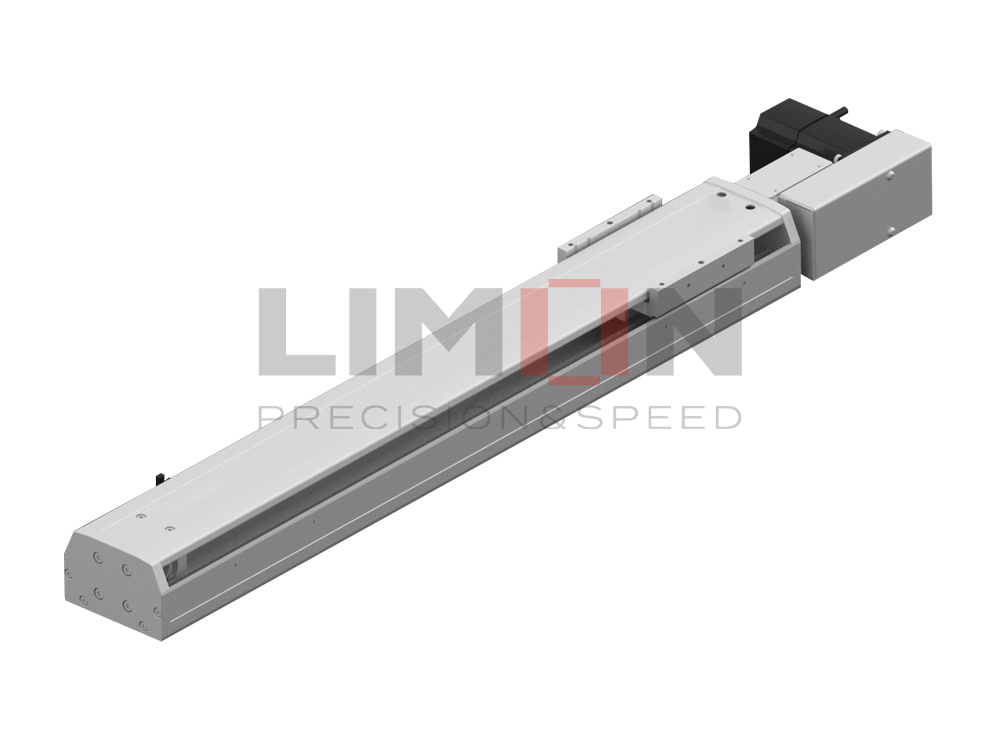
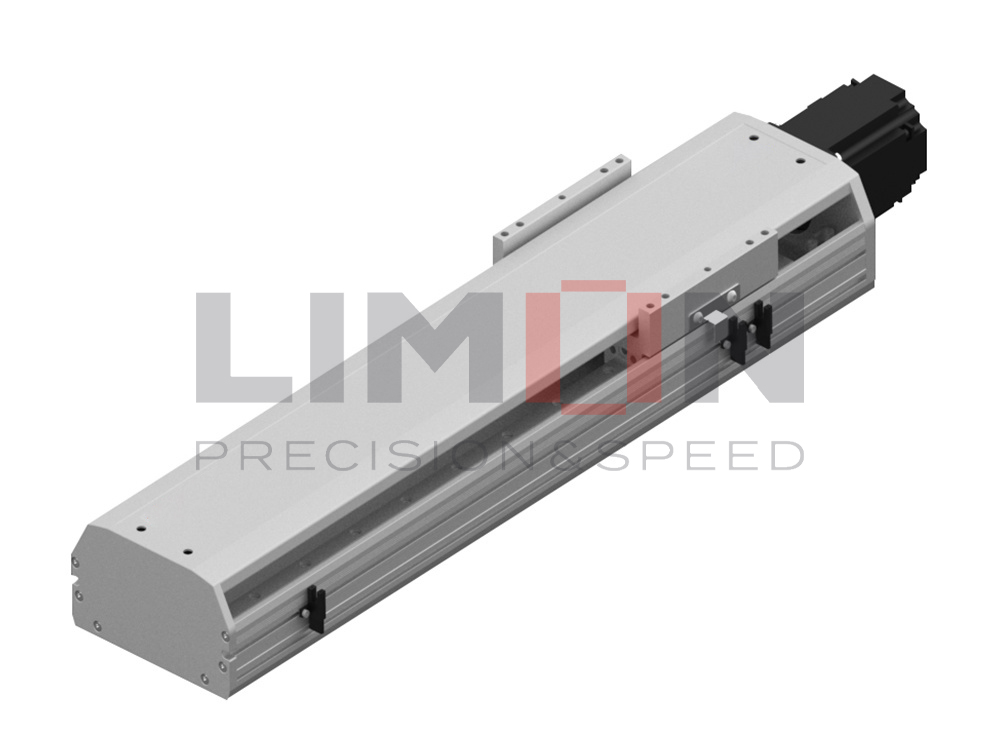
- Seamless integration with ball screws, linear bearings, and linear actuators
- Direct-to-customer sales for better value and technical support
Our linear roller guides are engineered for industrial environments where performance, reliability, and longevity matter most.
Choosing the Right Linear Roller Guide for Your System
When selecting a linear roller guide, consider:
- Load requirements (static and dynamic)
- Required stiffness and accuracy
- Installation environment (dust, vibration, temperature)
- Compatibility with existing motion components
Limon’s engineering team works directly with customers to ensure every linear roller guideway is matched to real application needs—not just catalog specs.
Final Thoughts: Strength Meets Precision
In today’s advanced manufacturing landscape, precision alone is not enough. Systems must be rigid, durable, and capable of maintaining accuracy under extreme loads.
A high-quality linear roller guide delivers exactly that—making it a foundational component for next-generation automation.