Is your machine suffering from poor positioning accuracy, unstable motion, or inefficient performance because you’re using the wrong motor?
A servo motor is a precision motor designed for accurate speed, torque, and position control. Combined with a servo drive motor system, especially an AC servomotor, it delivers high efficiency, fast response, and exceptional reliability for modern industrial automation.
Let’s explore how servo motors work, their applications, and how to select the best solution for your automation project.
What Is a Servo Motor and Why Is It Important?
A servo motor is an advanced electric motor designed for applications requiring precise motion control. Unlike conventional motors that simply rotate when powered, servo motors continuously receive feedback from an encoder or resolver, allowing the controller to monitor and correct position, speed, and torque in real time. This closed-loop operation makes servo technology essential wherever accuracy, repeatability, and dynamic performance are critical.
Servo motors are widely used in CNC machining centers, industrial robots, semiconductor equipment, packaging machines, medical devices, automated assembly systems, and warehouse automation. Their ability to execute highly accurate movements improves product quality, shortens production cycles, and minimizes operational errors.
Many engineers searching online may even type seevo motor, but the correct industry term is servo motor. Regardless of spelling, these motors represent the standard solution for precision motion control.
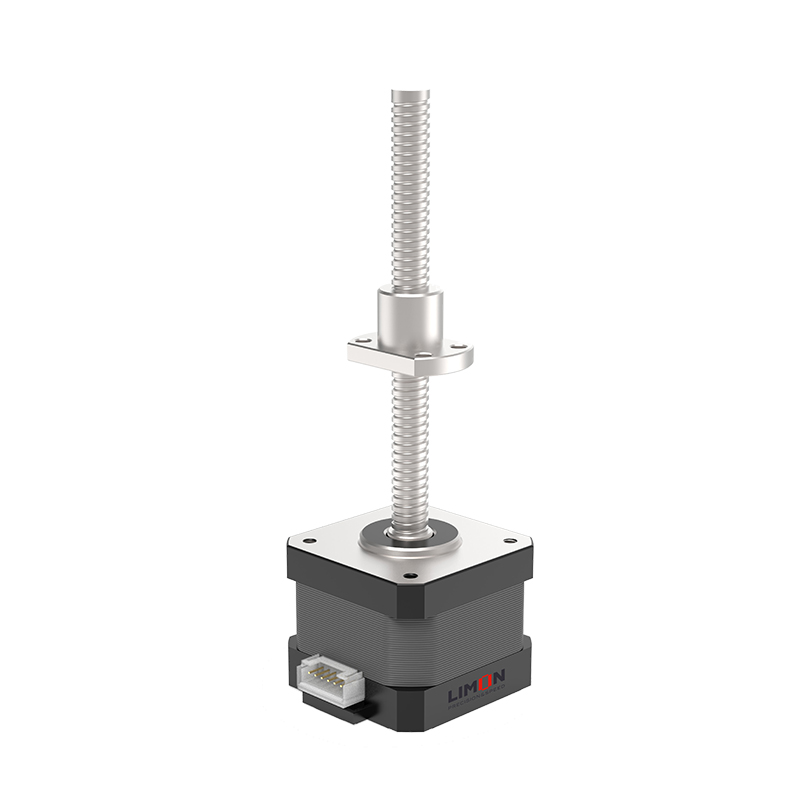
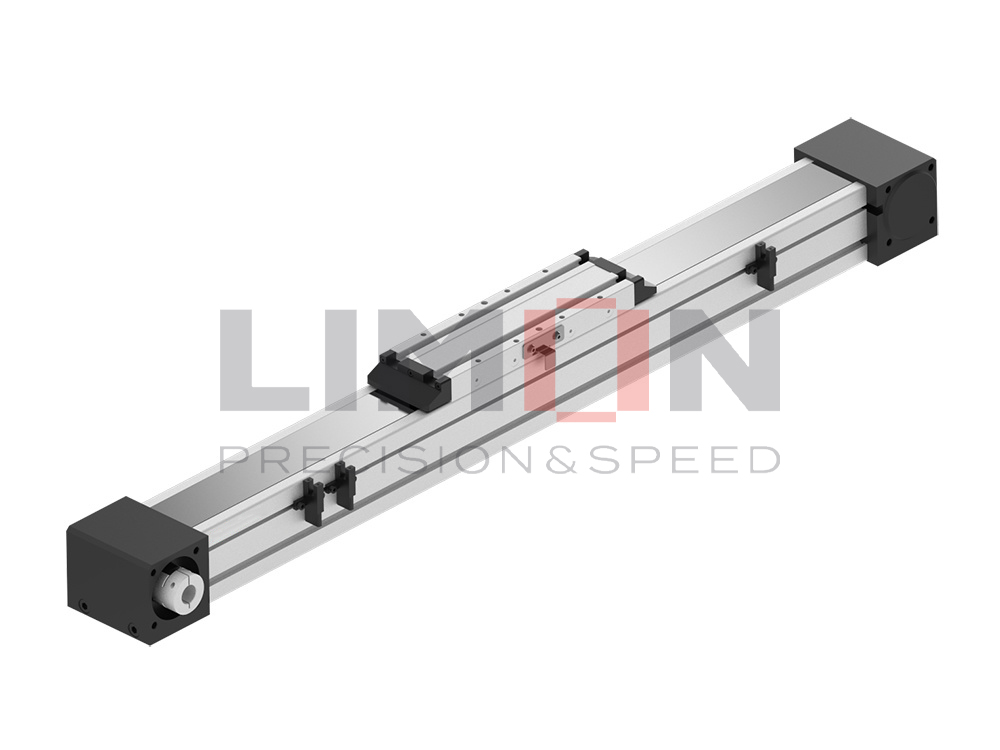
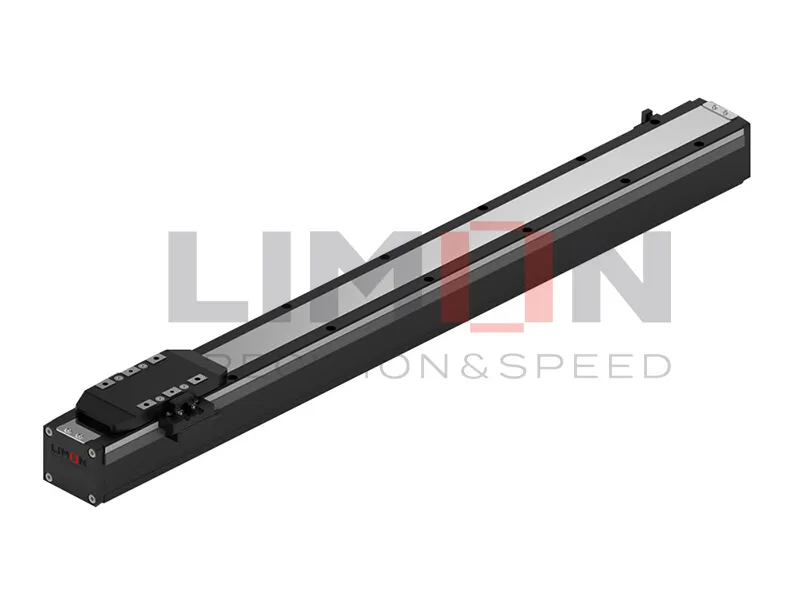
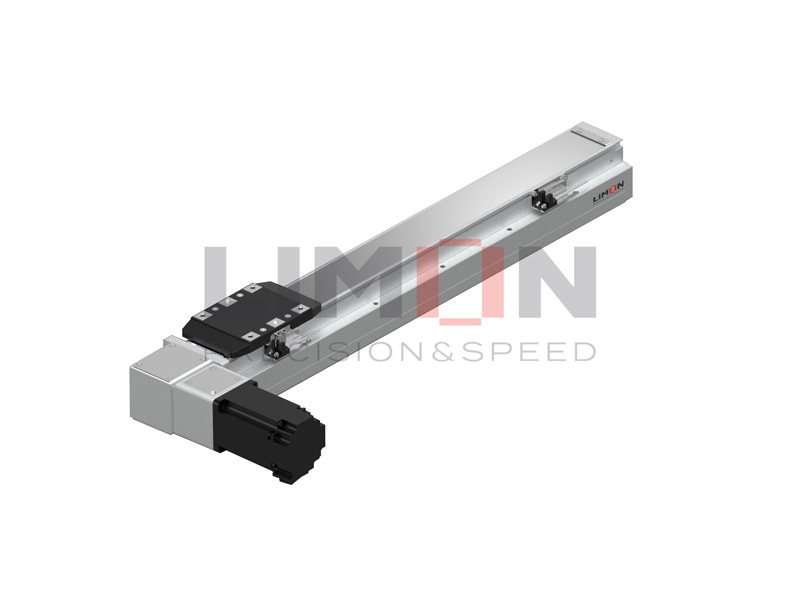
At Limon, our precision linear guides, ball screws, linear bearings, and linear actuators are engineered to work seamlessly with modern servo systems. Thanks to our fully integrated manufacturing process, every component is produced under strict quality control, ensuring consistent performance and long service life. By selling directly through our independent website, we provide factory-direct pricing, technical expertise, and dependable support for customers worldwide.
How Does an AC Servomotor Work?
An AC servomotor is the most widely used servo solution in industrial automation due to its outstanding efficiency, high torque density, and excellent control accuracy. It consists of a motor, encoder, servo amplifier, and controller working together as a closed-loop motion system.
The encoder continuously measures the motor’s actual position and speed, sending feedback to the servo controller. If any deviation exists between the commanded position and the actual position, the controller immediately adjusts the motor output. This continuous correction enables micron-level positioning accuracy and smooth operation even during rapid acceleration or deceleration.
Compared with traditional induction motors or stepper motors, an AC servomotor offers higher efficiency, faster response, lower vibration, and better overload capability. These advantages make it ideal for demanding applications such as electronic manufacturing, precision inspection, laser processing, automated packaging, and high-speed production lines.
Limon designs precision linear motion components capable of fully utilizing the performance of AC servo systems. Whether paired with ball screws for ultra-high positioning accuracy or linear guide rails for smooth motion, our products help customers achieve reliable automation with maximum efficiency and reduced maintenance costs.
What Is a Servo Drive Motor System?
A servo drive motor system includes more than just the motor itself. It integrates the servo motor, servo drive, controller, encoder, communication network, and mechanical transmission components into one intelligent motion control platform.
The servo drive acts as the brain of the system, receiving commands from PLCs or industrial computers while adjusting voltage and current supplied to the motor. Meanwhile, feedback from the encoder allows the drive to maintain precise motion despite changing loads or operating conditions.
When combined with high-quality ball screws and linear guides, servo drive motor systems deliver exceptional repeatability, smooth acceleration, and highly synchronized multi-axis motion. This combination is especially valuable in robotics, automated material handling, pharmaceutical equipment, semiconductor manufacturing, and precision assembly applications.
At Limon, our complete production line allows us to manufacture highly accurate linear motion components that integrate perfectly with modern servo drive motor systems. Customers benefit from consistent quality, shorter lead times, competitive factory pricing, and professional engineering support throughout every stage of their automation projects.
How Do Servo Motors Compare with Other Industrial Motors?
Selecting the right motor requires understanding the strengths and limitations of each technology. Conventional induction motors are inexpensive and reliable but provide limited positioning accuracy. Stepper motors offer open-loop positioning and are suitable for light-duty automation, yet they may lose steps under heavy loads or high speeds.
Servo motors, by contrast, operate with continuous feedback, allowing real-time correction of positioning errors. This results in superior accuracy, higher operating speeds, greater torque across a wider speed range, and smoother motion profiles.
An AC servomotor also consumes energy more efficiently because it only produces the torque required by the application. Intelligent control algorithms further optimize acceleration and deceleration, reducing wear while improving productivity.
When integrated with Limon’s precision linear guides, ball screws, and linear actuators, servo systems create highly reliable linear motion platforms capable of meeting the demanding requirements of modern industrial automation. Our integrated manufacturing process guarantees tight dimensional tolerances, stable product quality, and excellent compatibility across the complete motion system.
How Do You Choose the Right Servo Motor for Your Application?
Choosing the appropriate servo motor begins with understanding your machine’s operational requirements. Engineers should evaluate load capacity, required speed, acceleration, positioning accuracy, travel distance, duty cycle, and environmental conditions before selecting a motor.
Next, consider the transmission mechanism. Ball screw systems typically prioritize positioning precision and thrust force, while belt-driven actuators emphasize speed and longer travel distances. The selected servo motor should match these characteristics to maximize performance.
Power supply compatibility, encoder resolution, communication protocols, and available installation space should also influence the selection process. Proper sizing prevents overheating, excessive energy consumption, and premature equipment wear.
Working with an experienced motion solution provider simplifies this process considerably. Limon’s engineering team helps customers select compatible linear guides, ball screws, bearings, and linear actuators based on specific application requirements. Our fully integrated production capabilities ensure reliable quality, rapid manufacturing, and comprehensive technical support from prototype development through mass production.
Why Choose Limon for Servo Motor Linear Motion Solutions?
Although Limon specializes in manufacturing precision linear motion products rather than servo motors themselves, the performance of every servo system depends heavily on the quality of its mechanical transmission components.
Our product portfolio includes precision linear guide rails, ball screws, linear bearings, and linear actuators designed for demanding industrial automation applications. Manufactured using fully integrated production lines, every component undergoes rigorous machining, grinding, assembly, and inspection processes to ensure exceptional consistency and durability.
Unlike many suppliers, Limon sells directly through its independent website, allowing customers to communicate directly with experienced engineers while benefiting from competitive factory pricing. Whether your project involves robotics, CNC equipment, semiconductor machinery, automated warehouses, or intelligent manufacturing systems, we provide reliable linear motion products supported by responsive technical assistance and customized solutions.
With high manufacturing standards, strict quality management, and continuous innovation, Limon helps customers maximize the performance of their servo-driven automation equipment while reducing maintenance costs and improving long-term productivity.
Conclusion
A servo motor, especially an advanced AC servomotor, is the foundation of modern precision automation. Combined with a high-performance servo drive motor system and premium linear motion components, it delivers superior positioning accuracy, faster response, greater efficiency, and long-term reliability.
At Limon, we provide reliable, high-performance linear guides, ball screws, linear bearings, and linear actuators manufactured through fully integrated production processes. Combined with factory-direct sales and professional technical support, Limon delivers dependable linear motion solutions that help customers build smarter, more efficient industrial automation systems.