Struggling to choose the right linear actuator that balances load, stroke length, durability, and cost while avoiding system failure or downtime?
A linear actuator converts rotary motion into precise linear movement using screw, belt, or mechanical systems. Selection depends on load, stroke length, speed, environment, and duty cycle. Common types include ball screw, lead screw, and belt-driven actuators. Brands like Limon provide integrated solutions for industrial, automotive, and automation applications.
Below we break down types, configurations, and selection strategies to help you choose the right actuator.
What Are the Types of Linear Actuator Systems and How Do They Work?
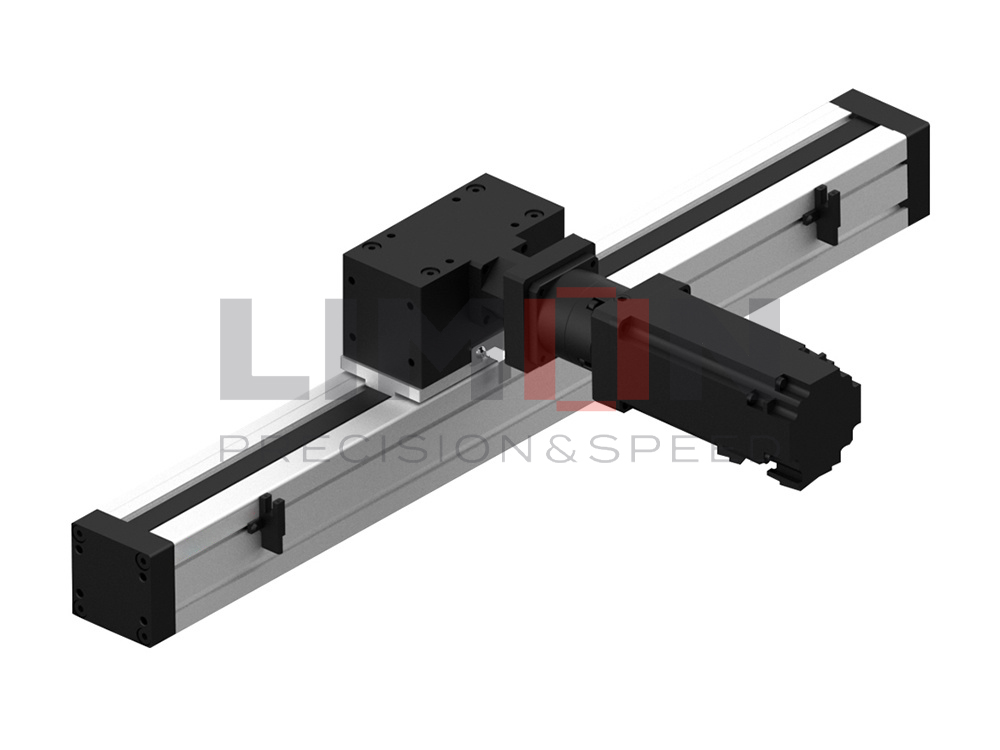
Understanding types of linear actuator systems is essential before selecting any motion solution. The main categories include lead screw, ball screw, belt-driven, and hybrid systems such as the rotary to linear actuator. Each design has trade-offs between precision, speed, load capacity, and cost. For example, a timing belt linear actuator provides high-speed travel but lower positioning accuracy compared to a ball screw system. Meanwhile, a vertical lift linear actuator is optimized for gravity-loaded applications like lifting platforms or industrial automation stacks.
In robotics and compact automation, linear actuator NEMA 17 and linear actuator NEMA 23 are widely used due to standardized motor mounting. Outdoor applications require corrosion-resistant sealing, making an outdoor linear actuator critical for reliability in harsh environments. Engineers often select a two stage linear actuator when extended stroke length is needed in a compact footprint. At Limon, these systems are designed with integrated manufacturing control to ensure consistency, durability, and performance across industrial applications.
When Should You Use Pair or Parallel Linear Actuators in Systems?
In heavy-duty automation systems, engineers often deploy a pair of linear actuators or parallel linear actuators to distribute load evenly and maintain structural stability. This is especially important in lifting platforms, medical beds, and industrial handling systems where imbalance can lead to mechanical failure or reduced precision. Synchronization between actuators ensures smooth motion, reduces vibration, and extends system lifespan.
A used linear actuator may be considered in cost-sensitive projects, but it introduces risks such as inconsistent wear, backlash, or reduced efficiency. In contrast, new synchronized systems from Limon are engineered for precision matching and factory-calibrated performance. Proper controller integration ensures both actuators move in perfect harmony, which is critical in applications like automation gates, lifting tables, and robotic arms.
Ball Screw vs Lead Screw: What Matters in Precision Linear Motion?
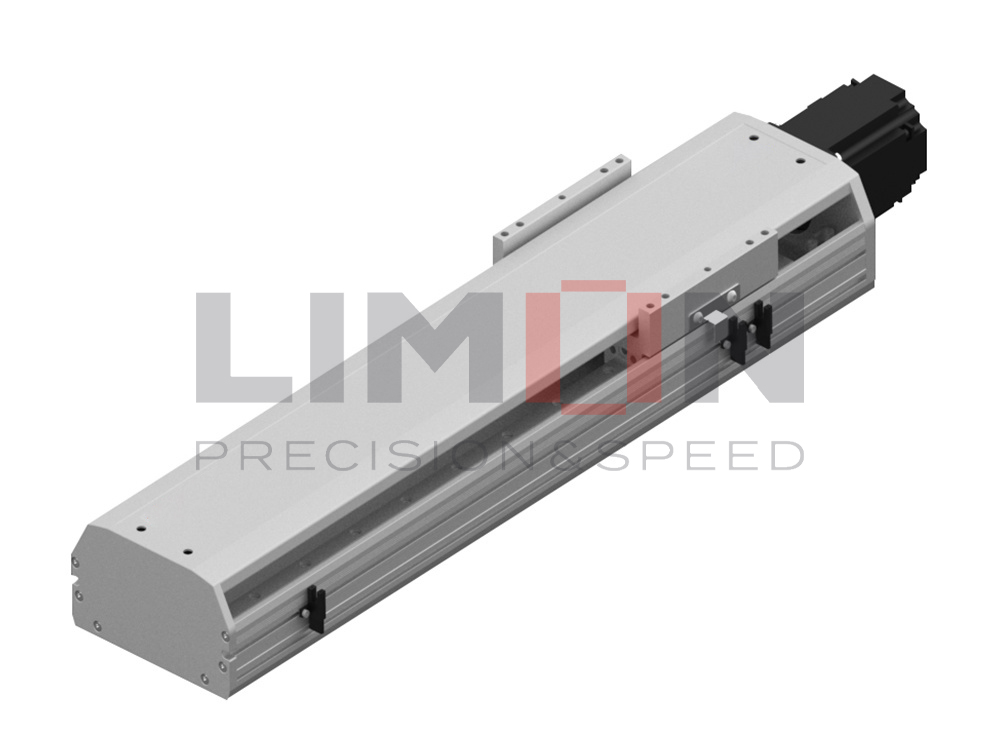
The debate between lead screw and ball screw systems is central to actuator performance. A ball screw uses recirculating ball bearings to reduce friction, offering higher efficiency and load capacity. Key parameters such as ball screw pitch directly influence speed and thrust output. In contrast, lead screws are simpler and more cost-effective but generate higher friction and wear over time.
Critical components like the screw bearing determine rotational stability and axial load handling. Over time, maintenance issues such as ball screw repairs become important for long-term system reliability. High-end automation systems prioritize ball screws for precision machining, CNC systems, and robotics. Limon integrates both technologies into its production line, ensuring customers can select optimal solutions based on accuracy, speed, and lifecycle cost requirements.
How Stroke Length and Size Affect Linear Actuator Performance
Selecting the correct stroke length is essential for system efficiency. Options such as 200mm linear actuator, 20 stroke linear actuator, and 2000mm linear actuator are used across different applications depending on travel distance requirements. Compact systems may use a 16 linear actuator, 18 linear actuator, or 20 linear actuator depending on load class and motor size.
For mid-range applications, a 1m linear actuator provides a balance between travel and stability, while 2 stroke linear actuator designs allow extended motion in constrained spaces. In automotive engineering, an automotive linear actuator is commonly used for seat adjustment, throttle control, and adaptive aerodynamic systems. These variations allow engineers to match motion performance precisely to application needs, reducing energy waste and improving system longevity.
Why Two Stage Linear Actuators Are Used in High-Performance Systems
A two stage linear actuator or 2 stage linear actuator is designed to achieve long stroke output while maintaining a compact retracted length. This makes it ideal for robotics, lifting systems, and space-constrained industrial machinery. The multi-stage design allows engineers to achieve greater extension without sacrificing structural rigidity.
In high-speed automation, stroke efficiency is critical, and multi-stage systems help reduce footprint while increasing reach. Compared to single-stage systems, they offer improved flexibility in mechanical design. When combined with precise control systems, they ensure smooth acceleration and deceleration even under heavy load conditions. Limon manufactures these systems with strict tolerance control to ensure repeatability and long service life in demanding industrial environments.
How Automotive and Industrial Applications Influence Linear Actuator Design
Different industries demand different actuator configurations. In automotive systems, the automotive linear actuator is designed for vibration resistance, compact size, and fast response. In contrast, industrial automation requires higher load capacity and continuous duty cycles. Applications often dictate whether engineers choose belt-driven systems, ball screw designs, or hybrid architectures.
Systems like timing belt linear actuator are commonly used in high-speed positioning, while ball screw systems dominate precision machining. Selection depends on force, duty cycle, and environmental conditions. Engineers must also consider thermal expansion, lubrication, and system feedback when designing motion systems. With integrated production and testing, Limon ensures each actuator meets strict industrial standards for both automotive and factory automation applications.
Why Choosing the Right Linear Actuator Manufacturer Matters
Choosing the right manufacturer impacts system reliability more than any single component specification. A vertically integrated supplier like Limon controls everything from raw material processing to final assembly, ensuring consistency across every actuator type.
Whether you need linear actuator NEMA 17, linear actuator NEMA 23, or large-scale industrial systems, engineering support and customization are critical. Direct sales also eliminate unnecessary middle layers, improving cost efficiency and technical communication. From prototype development to mass production, reliable support ensures faster deployment and reduced downtime. A strong manufacturer partnership ultimately determines long-term system success.
Conclusion
Linear actuators are the backbone of modern automation, from robotics to automotive systems. Choosing the right type—whether ball screw, belt-driven, or multi-stage—directly impacts performance, efficiency, and lifespan. With full in-house production, engineering expertise, and direct-to-customer supply, Limon delivers reliable, high-performance linear motion solutions designed for real industrial demands.