As industrial automation, robotics, and precision machinery continue to evolve, one question is searched again and again by engineers and buyers alike: how do we define a servo motor?
Understanding the servo motor definition is not just an academic exercise. It directly affects system accuracy, efficiency, and long-term reliability—especially in applications involving linear guides, ball screws, and linear actuators, where motion control quality defines overall performance.
At Limon, we design and manufacture complete linear motion solutions. In this article, we clearly explain what a servo motor is, how it works, and why it plays a critical role in modern linear motion systems.
Define Servo Motor: A Clear and Practical Explanation
To define servo motor in simple terms:
A servo motor is a closed-loop motor system that precisely controls position, speed, and torque using real-time feedback.
Unlike standard motors, a servo motor continuously adjusts its output based on feedback signals from an encoder or sensor. This feedback loop allows the system to correct errors instantly and maintain extremely high accuracy.
In short, the servomotor definition can be summarized as:
- High-precision motion control
- Real-time feedback
- Fast response and repeatability
This is why servo motors are widely used in CNC machines, industrial robots, and advanced linear motion systems.
Servo Motor Definition vs Conventional Motors
To better understand the servo motor definition, it helps to compare servo motors with conventional motors.
Traditional motors:
- Operate mostly in open-loop systems
- Cannot automatically correct position errors
- Are suitable for simple, low-precision tasks
Servo motors:
- Use closed-loop control
- Continuously monitor position and speed
- Deliver superior accuracy and dynamic performance
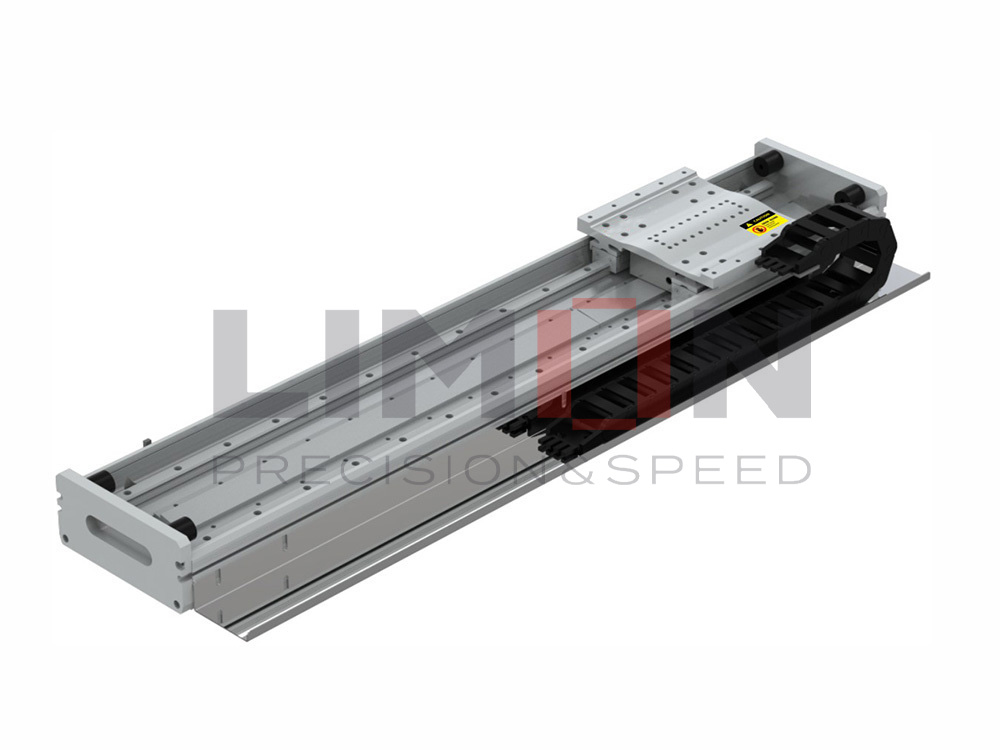
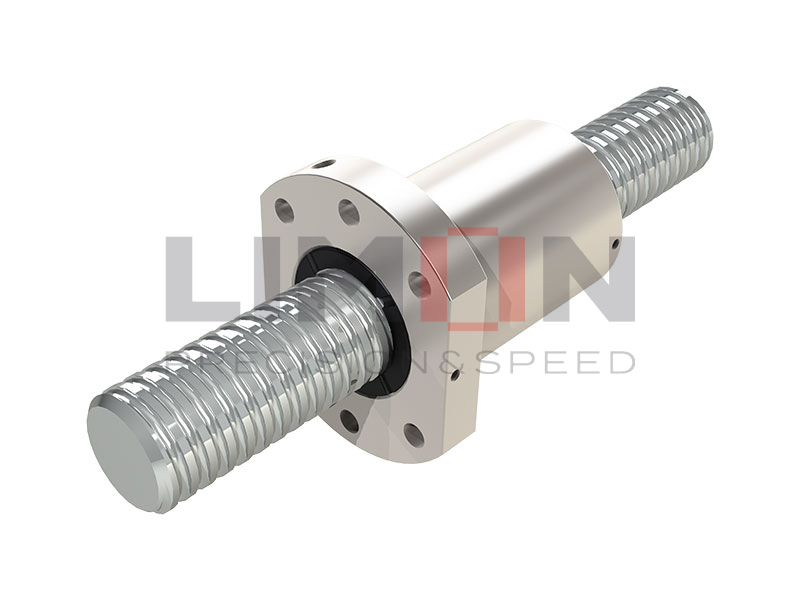
When combined with precision components such as linear guides and ball screws, servo motors enable smooth, repeatable, and highly controlled linear motion—essential for industrial automation.
Define Servos: What Makes a Servo System Complete?
When engineers define servos, they are not referring to the motor alone. A complete servo system includes:
- The servo motor itself
- A feedback device (encoder or resolver)
- A servo drive (controller)
- A motion control algorithm
To define servomotor systems correctly, it is important to see them as integrated motion solutions, not standalone components.
At Limon, we frequently help customers match servo motors with linear actuators and guide systems to ensure optimal system performance and long service life.
How Servo Motors Power Precision Linear Motion
The servo motor definition becomes especially meaningful when applied to linear motion applications.
In systems using:
- Linear guides
- Ball screws
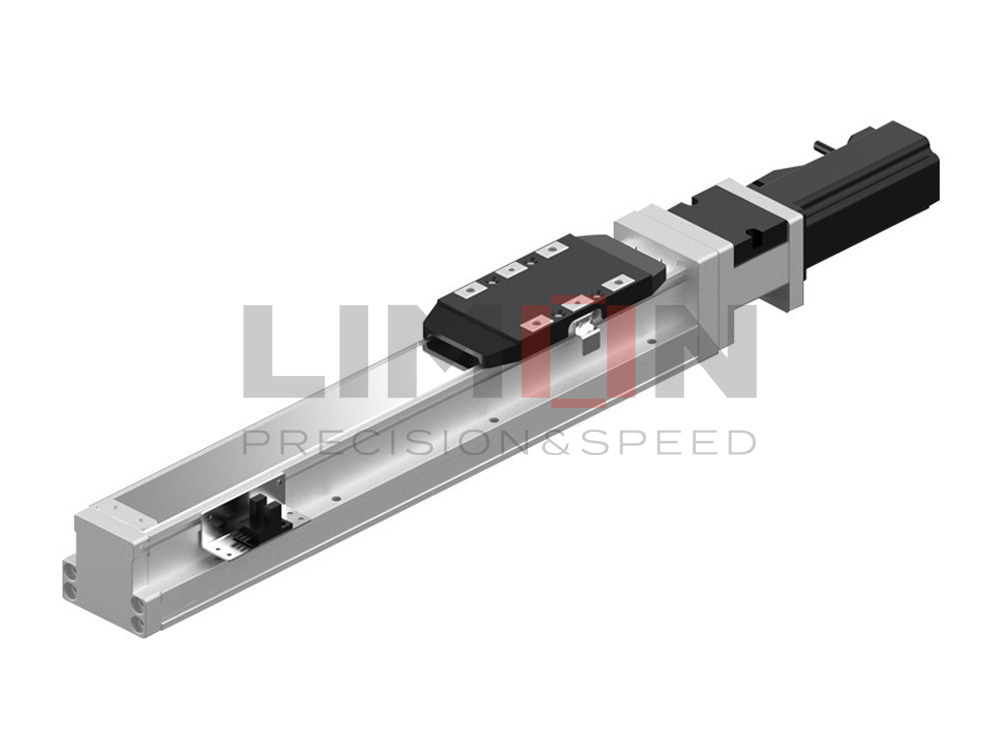
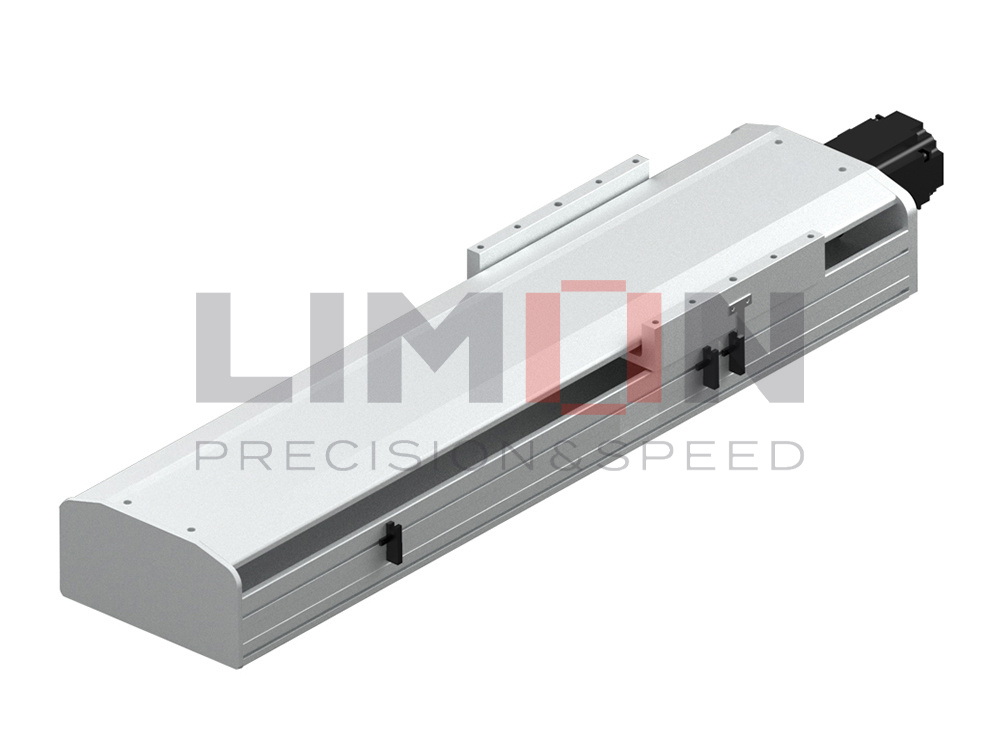
- Linear actuators
Servo motors provide:
- Accurate positioning at micron-level tolerances
- Stable motion at high speeds
- Consistent thrust under variable loads
This combination is critical in applications such as automated assembly, CNC machine tools, packaging equipment, and inspection systems.
By pairing a well-defined servomotor system with high-quality linear motion components, manufacturers can significantly improve productivity and product quality.
Why Servo Motors Are Essential for Modern Automation
As industries move toward smarter and more flexible production, the need to define servo motor technology correctly becomes even more important.
Key advantages include:
- High efficiency and reduced energy waste
- Faster acceleration and deceleration
- Lower mechanical wear due to smooth motion
- Easy integration with digital control systems
For OEMs and system integrators, choosing the right servo motor is not just about torque ratings—it’s about how well the motor integrates with the entire linear motion system.
Choosing the Right Servo Motor for Your Application
When applying the servo motor definition to real-world selection, consider:
- Required positioning accuracy
- Load and thrust requirements
- Duty cycle and operating environment
- Compatibility with linear guides and ball screws
Limon’s engineering team supports customers by providing application-driven guidance, ensuring servo motors and linear motion components work together as a complete, reliable system.
Why Limon Is a Trusted Partner in Servo-Driven Linear Motion
At Limon, we don’t just define servo motors—we design systems that make them perform at their best.
Our advantages include:
- Fully integrated manufacturing of linear motion products
- Deep understanding of servo-driven applications
- High-performance solutions for industrial environments
- Reliable quality backed by real-world application experience
Whether you are building a new automation system or upgrading an existing one, Limon helps you turn precise servo control into real production value.
Conclusion: Defining Servo Motors Is the First Step Toward Better Motion
To define servo motor correctly is to understand the foundation of modern precision motion control. From the servomotor definition to real-world applications, servo motors remain a core technology driving efficiency, accuracy, and innovation.
When combined with Limon’s linear guides, ball screws, and linear actuators, servo motors unlock the full potential of advanced industrial automation.