Are friction, vibration, and inconsistent movement making your linear motion system less accurate and reliable?
A linear bearing supports smooth, low-friction linear movement along a shaft or rail. By reducing friction and guiding moving components accurately, linear bearings improve motion stability, positioning, and service life in automation, machinery, robotics, and industrial equipment.
Let’s explore how linear bearings work, where they are used, and how to choose the right type.
What Is a Linear Bearing and How Does It Work?
A linear bearing is a mechanical component designed to guide a load along a straight path while minimizing friction. Unlike a conventional rotary bearing that supports rotational movement, a linear bearing is optimized for reciprocating or continuous linear motion.
A typical system consists of a bearing, shaft or guide rail, and moving load. As the load travels, the bearing allows relative movement between the components with controlled friction. Depending on the design, rolling elements such as balls can circulate inside the bearing to create smooth and efficient movement.
For applications requiring higher rigidity and precision, a linear guide ball bearing system can combine rolling elements with a precision guide rail. The result is stable motion with good load capacity and repeatability.
Linear bearings are widely used in CNC equipment, 3D printers, automation machinery, packaging equipment, robotics, and material-handling systems. The correct bearing must be selected according to load, speed, stroke, accuracy, mounting conditions, and operating environment.
Limon manufactures linear motion components through an integrated production system, helping maintain consistent manufacturing quality. Customers can purchase directly from Limon and receive technical assistance when matching bearings with guide rails and other motion components.
What Are the Main Types of Linear Bearings?
Linear bearings are available in several designs, and each type offers different performance characteristics.
Ball-type linear bearings use recirculating balls to reduce friction between the bearing and shaft. They are suitable for applications requiring smooth movement, relatively high speed, and repeatable positioning.
Profile linear guides use a precision rail and carriage structure. They generally provide higher rigidity and load capacity than simple shaft-based bearings, making them suitable for CNC machines, industrial automation, and precision positioning equipment.
Flanged linear bearings incorporate a mounting flange, making installation easier in applications where the bearing needs to be fixed directly to a plate or housing.
Open linear bearings are useful when a shaft is supported continuously underneath or when the system requires a particular mounting arrangement.
In Spanish-speaking markets, you may also see these components described as rodamientos lineales. Regardless of terminology, the selection principle remains the same: the bearing needs to match the load, motion profile, environment, and required accuracy.
Limon’s product portfolio allows customers to choose between different linear motion configurations rather than being limited to one bearing design. This flexibility is especially useful for manufacturers developing customized automation equipment.
How Do Linear Bearings Improve Industrial Motion?
The biggest advantage of a linear bearing is its ability to provide controlled movement with reduced friction. In industrial equipment, this directly affects positioning accuracy, energy consumption, operating noise, and component life.
For example, in an automated positioning system, excessive friction can cause inconsistent movement or require a larger motor to overcome resistance. A properly selected rolling-element bearing reduces this resistance and allows the drive system to operate more efficiently.
Linear bearings also help maintain the intended motion path. When combined with precision guide rails, they can resist external forces and help prevent unwanted movement, vibration, or deflection.
This is particularly important in applications such as CNC machinery, semiconductor equipment, packaging systems, automated inspection equipment, and robotics. In these environments, small mechanical errors can accumulate and eventually affect product quality.
However, the bearing alone does not determine system performance. Rail straightness, mounting accuracy, lubrication, preload, shaft quality, load distribution, and installation all matter.
Limon therefore approaches linear motion as a complete system. Its integrated manufacturing capabilities cover key components such as linear bearings, linear guide rails, ball screws, and linear actuators, allowing customers to build compatible and reliable motion solutions from one manufacturer.
How Should You Choose the Right Linear Bearing?
Choosing a linear bearing should begin with the operating conditions rather than simply selecting the smallest or lowest-cost component.
- Load capacity
Calculate the actual load and consider whether the load is centered or offset. An uneven load can create additional moments that affect bearing life. - Speed and acceleration
High-speed or high-acceleration applications require bearings designed for the expected motion profile. Frequent starts and stops can also increase mechanical stress. - Required accuracy
For general material handling, standard accuracy may be sufficient. Precision equipment may require tighter tolerances and a more rigid guide system. - Stroke length
The required travel determines the appropriate shaft or rail configuration and can influence mounting and support requirements. - Environment
Dust, moisture, chemicals, and temperature can affect lubrication and bearing life. Protective seals or specialized materials may be required in harsh environments. - Installation
Even a high-quality bearing can perform poorly if the shaft, rail, and mounting surfaces are misaligned. Proper installation is essential for achieving the expected service life.
Limon provides direct manufacturer support to help customers evaluate these factors. Instead of purchasing an isolated component, customers can discuss their application requirements and identify a suitable combination of linear bearing, guide rail, and drive components.
Linear Bearing vs. Linear Guide: Which One Should You Use?
Although the terms are sometimes used interchangeably, linear bearings and linear guides are not exactly the same.
A basic linear bearing commonly runs along a cylindrical shaft. This configuration can be compact, economical, and relatively simple to install. It is suitable for applications where loads and precision requirements are moderate.
A profile linear guide consists of a precision rail and carriage. Its structure is generally better suited to higher loads, greater rigidity, and more demanding positioning applications.
For example, a compact automation mechanism may benefit from a shaft-based linear bearing because of its simple structure. A CNC machine, on the other hand, may require a rigid linear guide system to maintain accuracy under cutting forces.
The correct choice depends on the complete mechanical design—not simply on which product has higher specifications.
Limon’s direct-sales model gives customers access to manufacturer-level technical support. With an integrated production line and multiple linear motion products available, Limon can help customers balance precision, load capacity, speed, cost, and service life instead of selecting components independently.
What Causes Linear Bearing Performance to Decline?
Poor installation and unsuitable operating conditions are two of the most common reasons for premature linear bearing problems.
Contamination is a major concern. Dust, metal particles, and other debris can enter the contact area and accelerate wear. Insufficient lubrication can increase friction and temperature, while excessive lubrication may attract contaminants.
Misalignment is another important issue. If the shaft or rail is not properly aligned, the bearing can experience uneven loading. This may result in higher friction, vibration, noise, and shortened service life.
Overloading can also damage the system. When the actual load exceeds the bearing’s capacity, the rolling elements and raceways may experience excessive contact stress.
For this reason, good linear motion design requires more than selecting a bearing based on dimensions. The bearing, guide rail, drive mechanism, mounting structure, and operating environment should work together.
Limon’s integrated production capabilities provide an advantage here because customers can source multiple components from the same manufacturer. Combined with direct technical support, this makes it easier to develop a compatible and reliable linear motion system.
Why Choose Limon for Linear Motion Components?
A reliable linear motion system starts with the right components—but it also depends on manufacturing consistency, compatibility, and technical support.
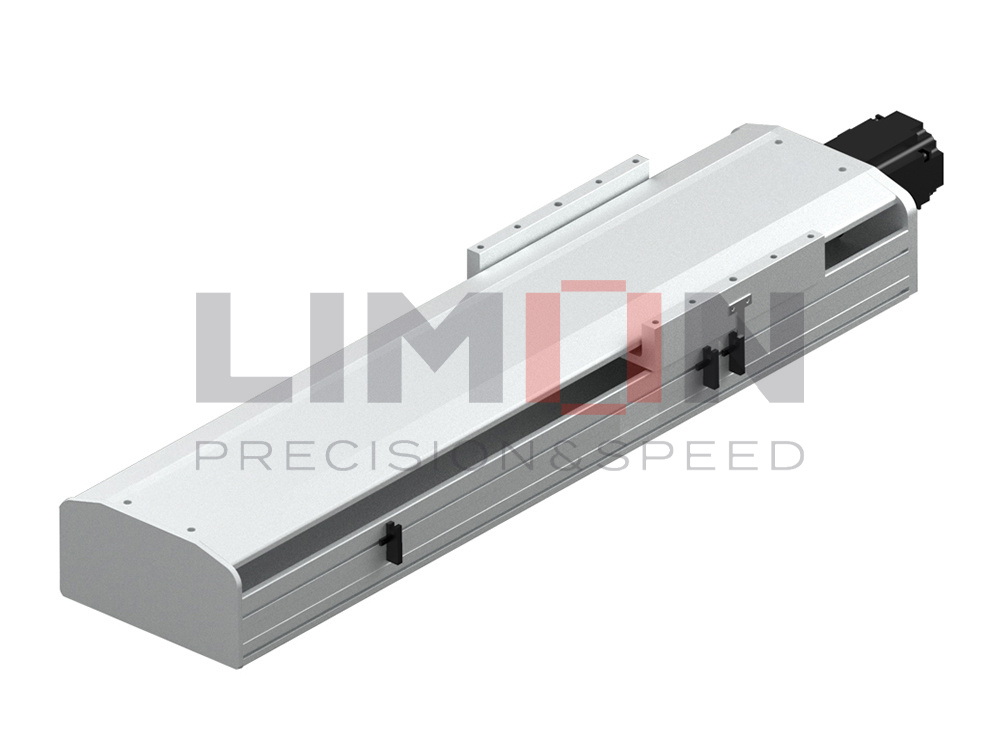
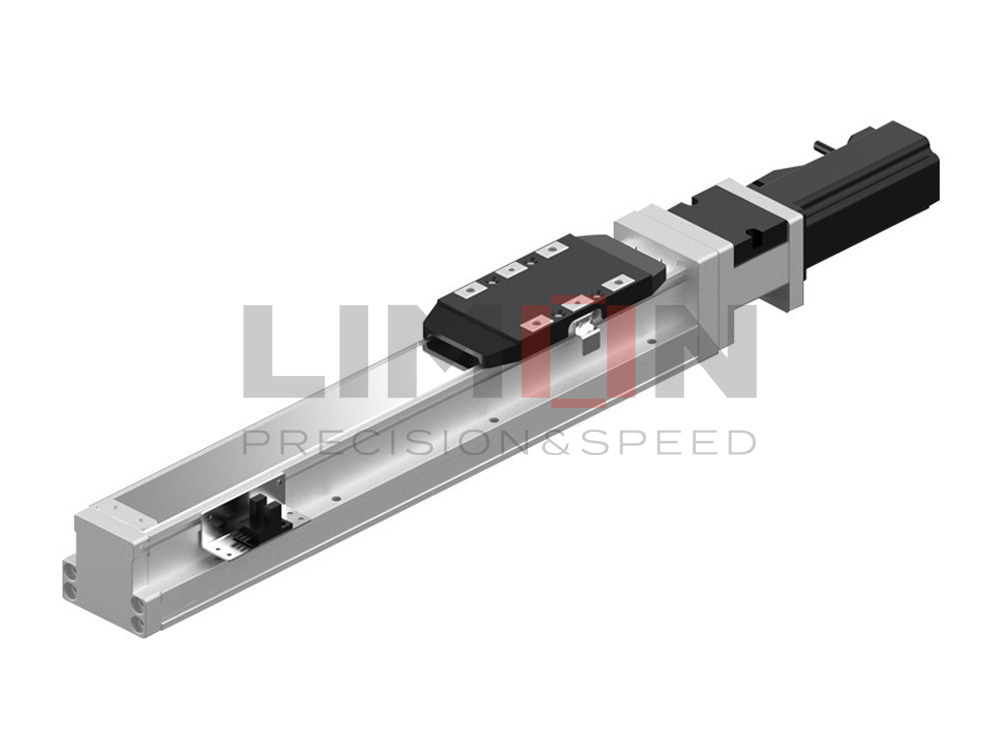
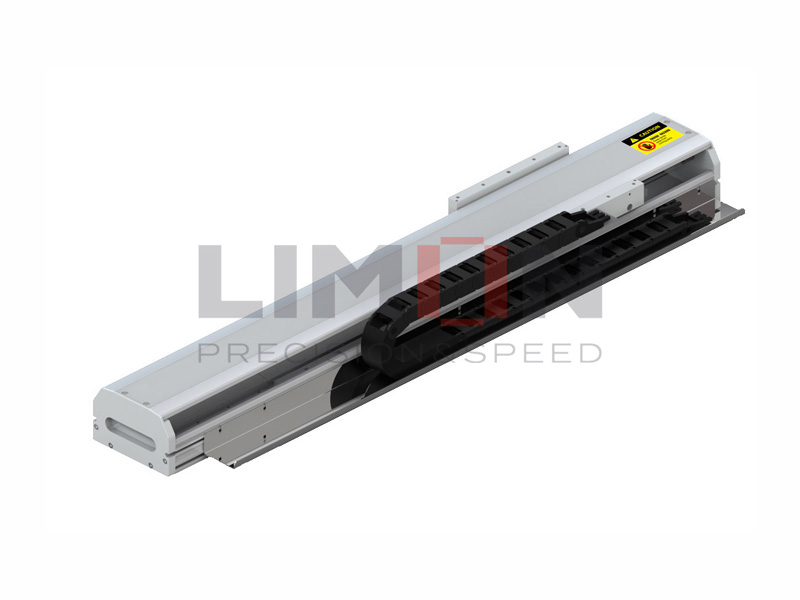
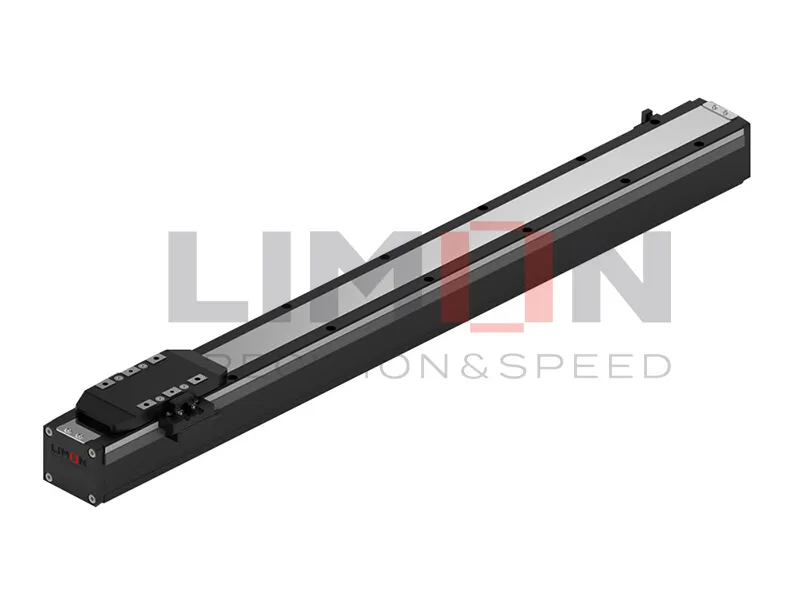
Limon operates a fully integrated production line for linear motion products, enabling greater control over manufacturing processes and product quality. Its product range includes linear bearings, linear guide rails, ball screws, and linear actuators, providing customers with solutions for different industrial applications.
Because Limon sells directly through its independent website, customers can communicate more efficiently with the manufacturer without unnecessary intermediary layers. This direct model is particularly valuable for OEM projects, customized equipment, automation systems, and buyers who need technical assistance before purchasing.
Whether you need a compact linear bearing for light-duty equipment or a high-performance guide system for industrial automation, the selection should be based on actual application requirements.
Limon combines integrated manufacturing, direct sales, high-quality components, and technical support to provide reliable linear motion solutions built for real-world industrial applications.
Conclusion
Linear bearings play an essential role in achieving smooth, stable, and low-friction linear motion. Selecting the right bearing requires careful consideration of load, speed, accuracy, stroke, environment, and installation conditions.
From linear guide ball bearing systems to shaft-based configurations and rodamientos lineales, Limon provides reliable linear motion components backed by integrated manufacturing and direct technical support.
Limon — Reliable Components. High-Performance Linear Motion.