Need to turn motor rotation into accurate linear movement without sacrificing precision, speed, or reliability?
To convert rotational motion to linear, mechanical systems such as ball screws, lead screws, rack-and-pinion mechanisms, and belt drives transform rotary input into controlled linear displacement. The best solution depends on required force, speed, accuracy, stroke length, efficiency, and application environment.
Transition:
Let’s explore the mechanisms, selection factors, and applications that make rotary-to-linear conversion reliable.
What Does Converting Rotational Motion to Linear Motion Mean?
Converting rotational motion to linear motion means transforming the circular movement of a motor shaft into straight-line movement along a defined axis. This principle is fundamental to many industrial automation systems because motors naturally produce rotary motion, while machines often need components to move forward, backward, lift, position, or press.
A typical system combines a rotary motor with a mechanical transmission. For example, a ball screw converts the rotation of its screw shaft into precise axial movement of a ball nut. A timing belt system can achieve longer and faster travel, while a rack-and-pinion mechanism is useful when continuous linear travel is required.
The appropriate mechanism depends on the application’s force, speed, positioning accuracy, stroke, duty cycle, and operating environment. Limon provides integrated linear motion solutions, allowing customers to source components directly rather than coordinate multiple suppliers. With integrated manufacturing and technical support, Limon focuses on achieving stable performance from the complete motion system—not simply supplying individual components.
How Do Different Mechanisms Convert Rotary Motion to Linear?
There is no single mechanism for converting rotary motion to linear movement. Each transmission technology provides a different balance between speed, precision, force, efficiency, and cost.
Ball screw: A rotating screw drives a ball nut along its axis. Because rolling balls minimize friction, ball screws are widely used for precision positioning, CNC equipment, robotics, and automation.
Lead screw: A rotating threaded screw moves a nut linearly. Lead screws are generally simpler and economical, making them suitable for moderate-speed applications where precision and self-locking characteristics are important.
Timing belt: A rotating pulley drives a belt attached to a carriage. Belt-driven systems are particularly suitable for long strokes and high-speed positioning.
Rack and pinion: A rotating gear, or pinion, engages with a straight rack to produce linear movement. This configuration is useful for long travel and applications requiring continuous motion.
Cam mechanisms: A rotating cam creates a predetermined linear or reciprocating movement and is often used in specialized machinery.
Understanding these mechanisms is essential when deciding how to convert rotary to linear motion efficiently. Limon can support customers in selecting the appropriate linear guides, ball screws, bearings, and actuators for the complete motion architecture.
How Do Ball Screws Provide Precise Linear Movement?
Ball screws are among the most effective solutions when precision and repeatability are priorities. Their operating principle is straightforward: a motor rotates the screw, while the ball nut travels along the screw axis. The circulating balls reduce sliding friction between the screw and nut, improving efficiency and allowing precise positioning.
One important parameter is screw lead. Lead determines how far the nut travels during one complete revolution of the screw. A smaller lead generally provides finer positioning resolution and greater mechanical advantage, while a larger lead can provide greater linear speed.
Ball screws are therefore widely used in CNC machines, semiconductor equipment, automation systems, and precision stages. However, performance depends on more than the screw itself. Proper alignment, preload, lubrication, support bearings, and linear guides are all important.
Limon’s integrated production capability helps maintain consistency between key linear motion components. Customers can purchase directly from Limon and receive technical support when selecting ball screws, linear guides, bearings, and actuators for a coordinated system.
What Factors Should You Consider When Converting Rotary Movement to Linear?
When designing a system for rotary movement to linear conversion, selecting the transmission based only on motor power is a common mistake. The complete motion profile should be evaluated first.
Consider these factors:
- Required linear force: Determine the continuous and peak force needed by the application.
- Travel distance: Short and long strokes may require completely different transmission technologies.
- Linear speed: Belt drives can be advantageous for high-speed, long-distance movement, while ball screws are often preferred for precision.
- Positioning accuracy: Precision applications require careful consideration of screw lead, backlash, guide accuracy, and system rigidity.
- Duty cycle: Frequent acceleration and deceleration increase thermal and mechanical demands.
- Environment: Dust, moisture, temperature, and contamination can influence component selection.
- Mounting space: Motor orientation, screw length, guide arrangement, and actuator dimensions must fit the machine architecture.
A properly designed system considers the motor, transmission, guides, bearings, and control system together. This system-level approach is one of the advantages of working with an experienced linear motion manufacturer such as Limon.
What Are the Main Applications of Rotary-to-Linear Conversion?
The ability to convert rotational motion to linear movement appears across a wide range of industries. In factory automation, linear actuators move grippers, fixtures, inspection equipment, and production tooling. CNC machines use ball screw assemblies to position cutting tools and workpieces with high precision.
In robotics, rotary motors combined with linear mechanisms can provide controlled extension, lifting, and positioning. Packaging equipment uses belt-driven systems for fast product handling, while medical and laboratory equipment often requires smooth and repeatable positioning.
Other applications include:
- CNC and machining equipment
- Automated assembly lines
- Semiconductor equipment
- 3D printing
- Material handling
- Industrial robotics
- Inspection and measurement equipment
- Electric lifting systems
- Packaging machinery
- Automated positioning stages
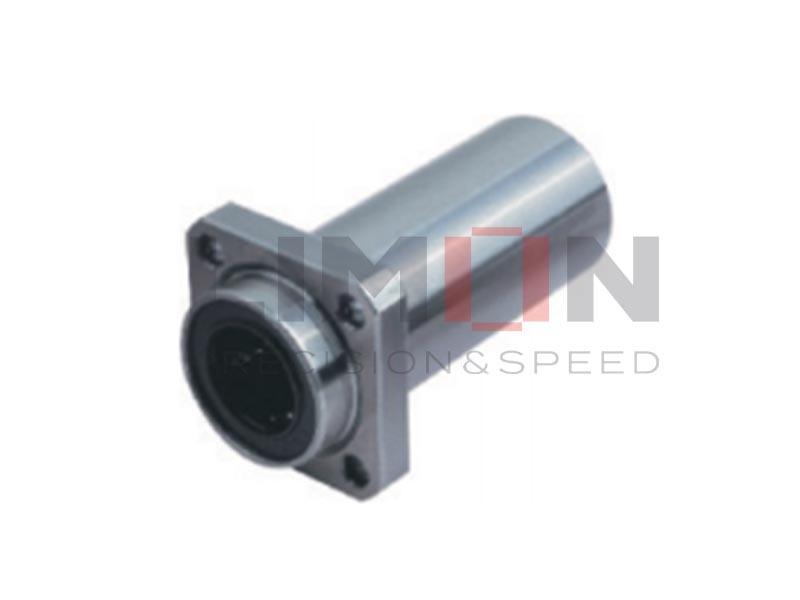
The right conversion technology depends on the application’s performance requirements. Limon’s product range—including linear guide rails, ball screws, linear bearings, and linear actuators—allows customers to build complete linear motion systems around their specific machine requirements.
How Can You Choose the Right Linear Motion Solution?
The best way to convert rotational movement into controlled linear movement is to start with the application rather than the component. Define the required stroke, speed, force, accuracy, repeatability, mounting arrangement, and expected service life before selecting a transmission.
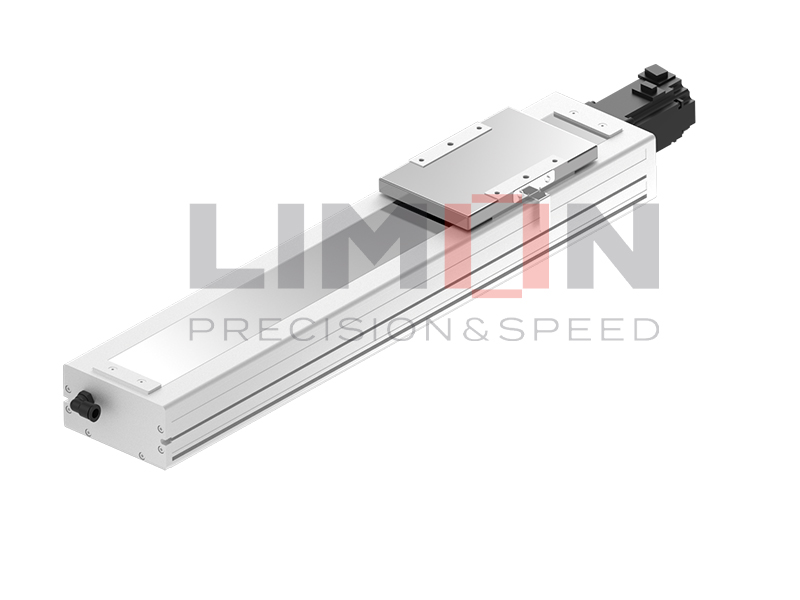
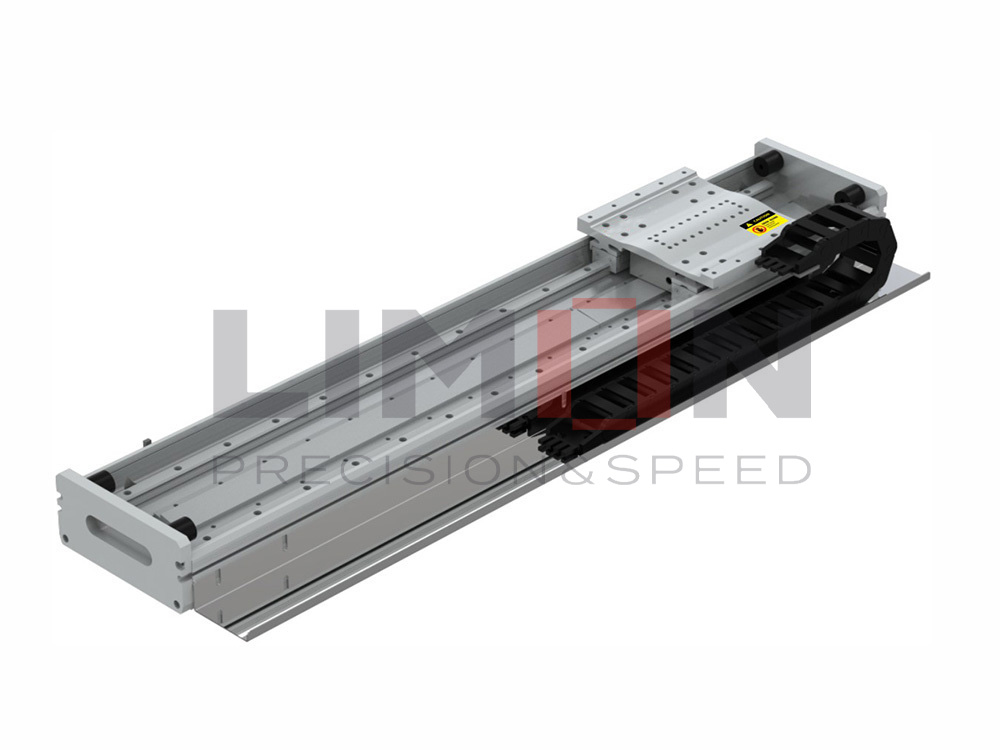
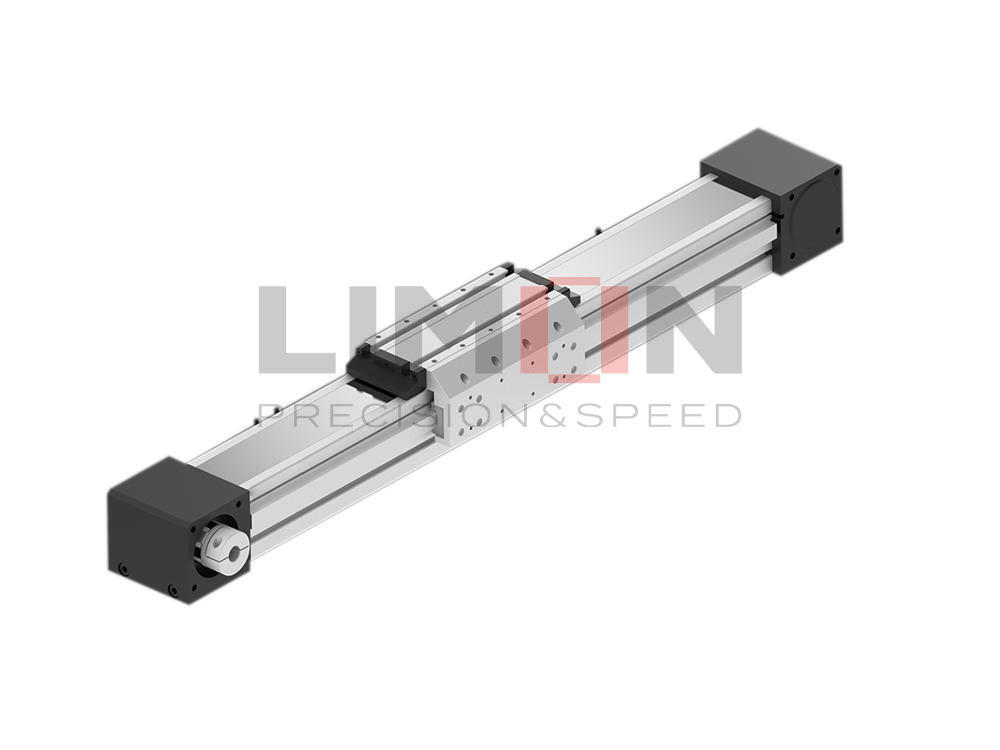
For high precision and efficient force transmission, a ball screw may be the preferred option. For long, fast travel, a timing-belt linear system can be more suitable. For simpler applications, a lead screw may provide an economical solution. When the complete assembly needs to be compact and easy to install, an integrated linear actuator can simplify system design.
Limon’s advantage is its integrated production line, covering key linear motion products under one manufacturing system. Instead of purchasing unrelated components from different sources, customers can work directly with Limon to develop a compatible solution. This direct-sales model also simplifies communication, customization, and technical support.
Why Choose Limon for Rotary-to-Linear Motion Solutions?
Reliable motion conversion requires more than simply connecting a motor to a mechanical transmission. Component compatibility, manufacturing accuracy, assembly quality, and system integration all influence the final result.
Limon combines manufacturing capability with direct customer support to provide reliable, high-performance linear motion solutions. Its integrated production approach helps maintain consistency across linear guides, ball screws, linear bearings, and linear actuators, while technical support helps customers select suitable components according to their actual application requirements.
Whether your project needs high-speed positioning, precision movement, long-stroke travel, or compact automation, Limon can help develop a practical solution around the required motion profile. By combining manufacturing, quality control, and technical expertise in one supply chain, Limon helps customers reduce sourcing complexity while building dependable linear motion systems.
Conclusion
Converting rotational motion to linear motion is a fundamental principle behind modern automation and precision machinery. Ball screws, lead screws, belt drives, and rack-and-pinion systems each offer different advantages, so the right choice depends on force, speed, accuracy, stroke, and operating conditions.
With an integrated production line, high-quality linear motion products, direct sales, and technical support, Limon provides reliable, high-performance linear motion solutions for industrial applications.