In today’s automation-driven manufacturing environment, choosing the right motor technology can make the difference between smooth, reliable motion and costly system inefficiencies. Engineers designing CNC machines, robotics, automated production lines, and linear motion systems often face an important question: Stepper vs brushless—what’s the better choice?
Both technologies are widely used in modern motion control systems. However, each offers unique advantages depending on the application. Understanding the differences between stepper motor vs brushless motor solutions can help machine designers, integrators, and manufacturers optimize performance, reduce maintenance, and improve system reliability.
In this guide, we’ll explore the key differences between stepper vs brushless motors, how they work, where they excel, and how to choose the right solution for your linear motion system.
Understanding the Basics: What Is a Stepper Motor?
A stepper motor is a brushless synchronous electric motor that divides a full rotation into many small, discrete steps. Instead of rotating continuously like traditional motors, stepper motors move in controlled increments, making them ideal for applications requiring precise positioning.
Key Characteristics of Stepper Motors
Stepper motors are known for several important advantages:
Precise Position Control
Each pulse sent to the motor driver moves the motor a fixed step. This allows accurate positioning without needing complex feedback systems.
Excellent Low-Speed Torque
Stepper motors produce strong torque at low speeds, which is ideal for applications like linear actuators and positioning systems.
Simple Control Systems
Compared to other motor types, stepper motors are relatively easy to control, making them popular for cost-sensitive automation solutions.
Common Applications
Stepper motors are widely used in:
- 3D printers
- CNC hobby machines
- Laboratory automation
- Camera sliders
- Small robotic systems
- Precision linear motion platforms
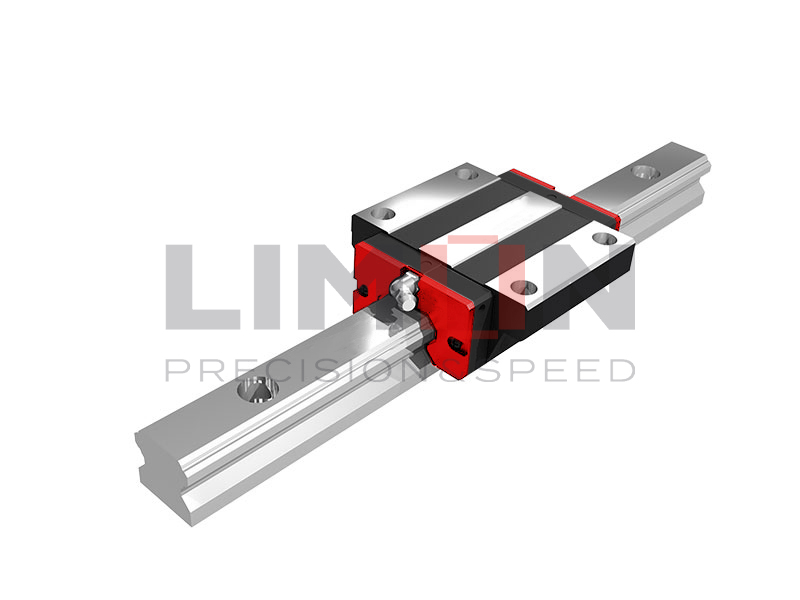
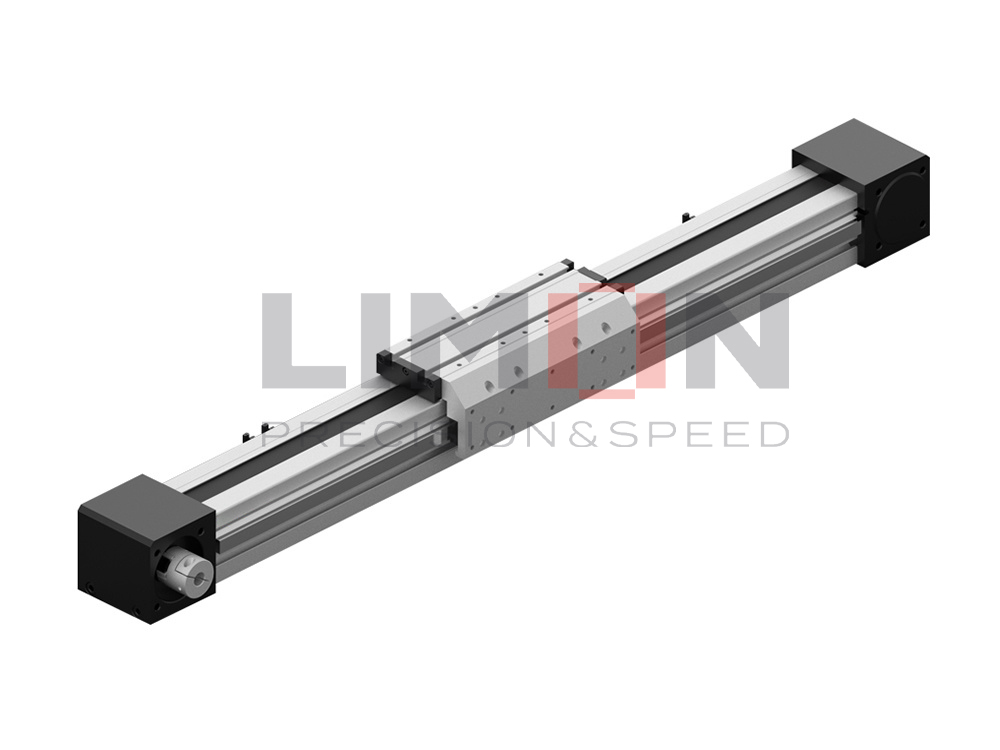
When paired with components like ball screws, linear guide rails, or linear actuators, stepper motors can deliver reliable motion control at an affordable cost.
What Is a Brushless Motor?
A brushless motor, often called a BLDC motor (Brushless DC motor), uses electronic commutation instead of physical brushes to control rotor movement. This design eliminates mechanical wear associated with traditional brushed motors and enables higher efficiency and longer service life.
When discussing stepper motor vs brushless motor technology, brushless motors are typically favored for applications requiring high speed, high efficiency, and long-term reliability.
Key Characteristics of Brushless Motors
High Efficiency
Brushless motors convert electrical energy into motion more efficiently than many other motor types.
Smooth Continuous Rotation
Unlike stepper motors, brushless motors provide smooth rotation without discrete steps.
Higher Speed Capability
Brushless motors can operate at much higher RPMs than stepper motors.
Long Service Life
Because there are no brushes to wear out, brushless motors typically require less maintenance.
Common Applications
Brushless motors are widely used in:
- Industrial robotics
- CNC machining centers
- Electric vehicles
- Automated conveyor systems
- High-speed packaging equipment
- Aerospace systems
Stepper vs Brushless: Key Differences
Understanding stepper vs brushless motor technology requires comparing their performance across several important factors.
- Positioning Accuracy
Stepper motors excel in applications where precise incremental movement is required. Because they move in fixed steps, they can achieve accurate positioning without complex feedback systems.
Brushless motors typically rely on encoders or feedback loops for positioning, which increases system complexity but allows extremely precise control in advanced systems.
Winner: Stepper motors for simple positioning systems.
- Speed Performance
When comparing stepper motor vs brushless motor speed capabilities, brushless motors clearly have the advantage.
Stepper motors tend to lose torque as speed increases, while brushless motors maintain strong performance at higher RPMs.
Winner: Brushless motors.
- Efficiency
Brushless motors are significantly more energy-efficient. Their electronic commutation and optimized design minimize energy loss.
Stepper motors consume current even when holding position, which can generate heat and reduce overall efficiency.
Winner: Brushless motors.
- Torque Characteristics
Stepper motors provide excellent holding torque at low speeds, which makes them ideal for positioning systems.
Brushless motors provide smoother torque across a wider speed range but may require gear reduction for certain applications.
Winner: Depends on application.
- System Cost
Stepper motors typically have lower upfront costs because they require simpler drivers and control systems.
Brushless motor systems often require controllers, sensors, and encoders, which increase overall system cost.
Winner: Stepper motors for budget-sensitive applications.
Stepper vs Brushless in Linear Motion Systems
For companies designing linear motion systems, the decision between stepper vs brushless motors often depends on performance requirements.
Stepper Motors in Linear Motion
Stepper motors are commonly used in:
- Entry-level CNC machines
- 3D printing systems
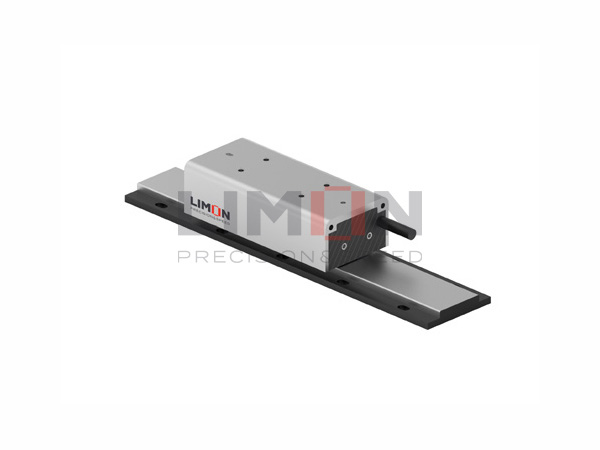
- Small linear actuators
- Pick-and-place equipment
- Precision positioning tables
They pair well with components like:
- Ball screws
- Lead screws
- Linear guide rails
- Compact linear actuators
These systems are widely used in light industrial automation.
Brushless Motors in Advanced Automation
Brushless motors are commonly used in high-performance automation systems such as:
- High-speed CNC machines
- Industrial robots
- Semiconductor equipment
- High-speed assembly lines
- Automated logistics systems
When paired with precision components such as linear guide rails and ball screw systems, brushless motors enable extremely fast, smooth, and efficient motion control.
How to Choose Between Stepper Motor vs Brushless Motor
When deciding between stepper vs brushless motor solutions, engineers typically consider several factors.
Choose a Stepper Motor If:
- You need precise positioning
- System cost is a major concern
- Speeds are relatively low
- The system design must remain simple
- The application requires strong holding torque
Choose a Brushless Motor If:
- High speed is required
- Efficiency is critical
- The system runs continuously
- Maintenance needs to be minimal
- Smooth motion is essential
In many advanced automation systems, brushless motors combined with precision linear motion components provide the best long-term performance.
Why Motion Components Matter as Much as Motor Selection
While the debate over stepper vs brushless motors is important, the mechanical components in the motion system are just as critical.
High-quality components such as:
- Precision linear guide rails
- High-efficiency ball screws
- Durable linear bearings
- Reliable linear actuators
play a major role in determining overall system accuracy, stability, and lifespan.
Even the best motor cannot compensate for poor mechanical design.
Why Engineers Choose Limon for Linear Motion Solutions
At Limon, we understand that motion control systems require more than just motors—they require complete, high-precision motion platforms.
With a fully integrated manufacturing process, we produce high-quality:
- Linear guide rails
- Ball screws
- Linear bearings
- Linear actuators
Our products are designed to work seamlessly with both stepper motor vs brushless motor systems, helping machine builders and automation engineers achieve reliable and accurate motion performance.
Limon components are widely used in:
- CNC machines
- Robotics systems
- Industrial automation
- Packaging equipment
- Semiconductor manufacturing
- Smart factory solutions
By combining precision engineering with strict quality control, we deliver motion solutions that meet the demands of modern industry.
The Future of Motion Control: Integration and Automation
As Industry 4.0 continues transforming manufacturing across the United States and around the world, motion control systems are becoming faster, smarter, and more integrated.
Future automation systems will increasingly rely on:
- High-speed robotics
- Smart manufacturing lines
- AI-driven production
- Precision motion platforms
In these systems, both stepper vs brushless motor technologies will continue to play important roles depending on the application.
Companies that invest in high-quality motion components today will be better prepared for tomorrow’s advanced automation environments.
Final Thoughts
The debate over stepper vs brushless motor technology ultimately comes down to application requirements. Stepper motors provide simple, cost-effective precision control, while brushless motors offer superior efficiency, speed, and long-term performance.
By carefully evaluating the needs of your motion system—and pairing the right motor with high-quality mechanical components—you can achieve the reliability, precision, and efficiency required in modern industrial applications.
If you’re designing a new automation system or upgrading an existing machine, Limon’s precision linear motion solutions can help you build a motion platform that delivers long-term performance and stability.