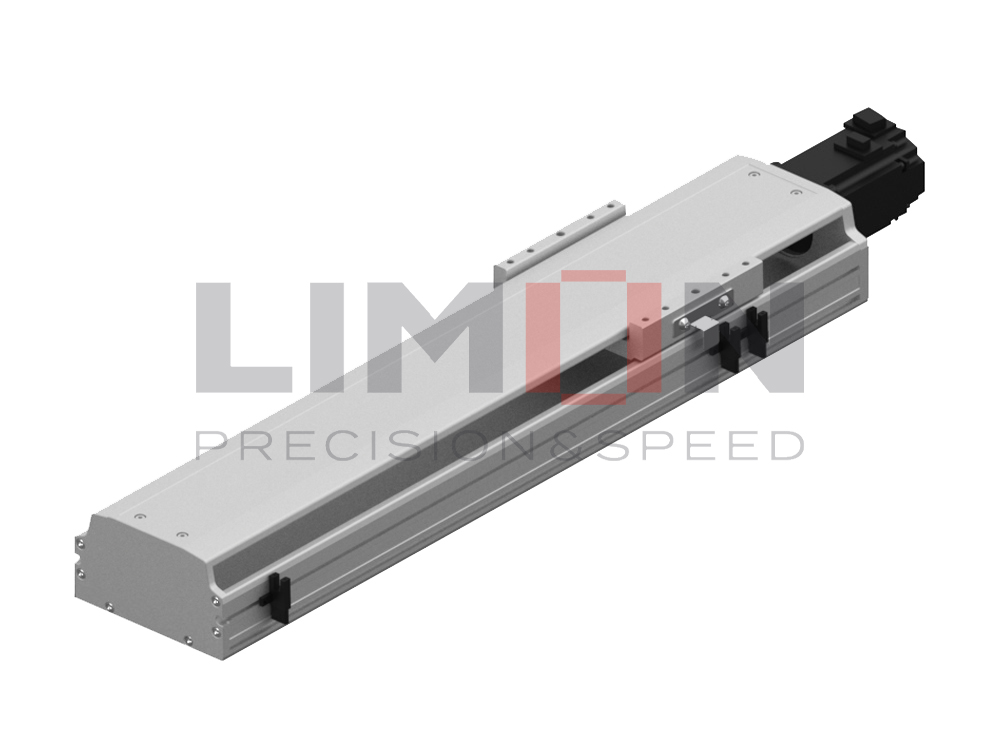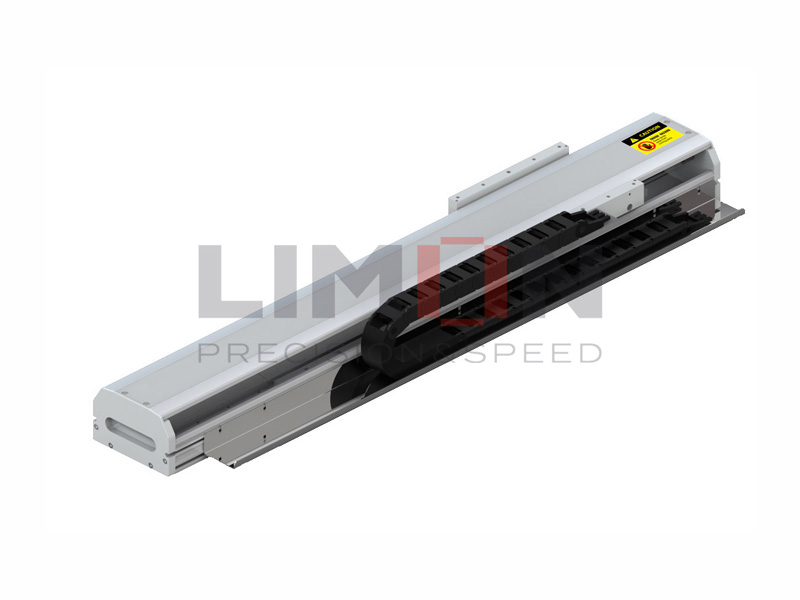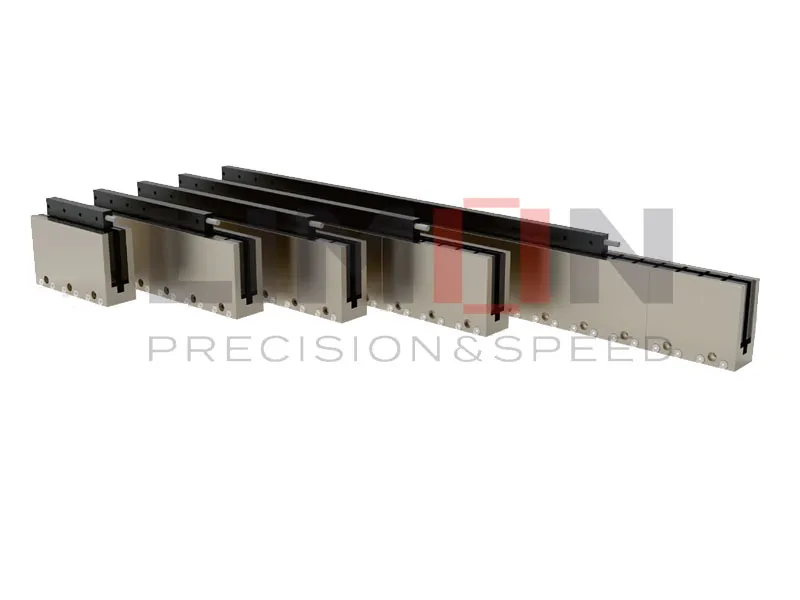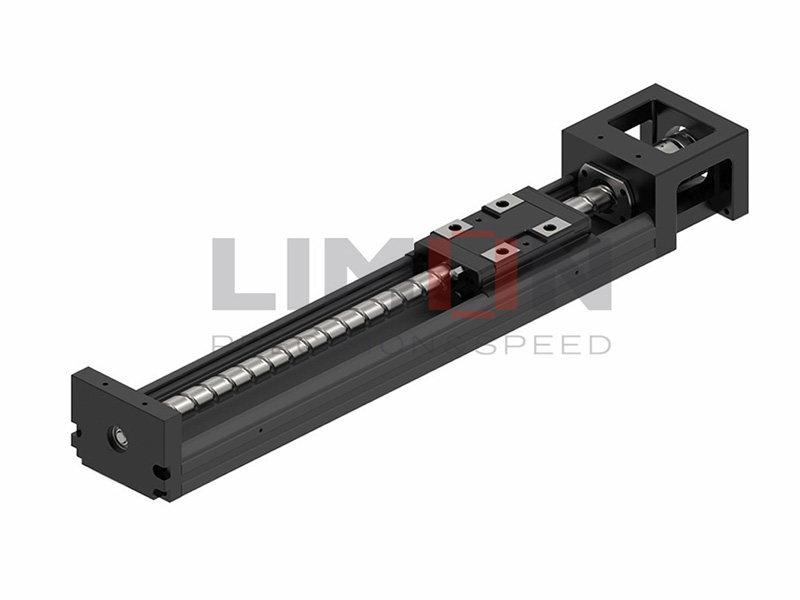
In today’s fast-evolving industrial and automation landscape, precision, reliability, and efficiency are no longer optional—they are essential. From CNC machines and industrial automation to medical devices and robotics, linear guides play a critical role behind the scenes.
So, what is the purpose of a linear guide, and why is it such a foundational component in modern motion systems?
What Is the Purpose of a Linear Guide?
At its core, the purpose of a linear guide is to support and guide moving components along a straight path with high precision, minimal friction, and consistent repeatability.
A linear guide allows a load to move smoothly in one direction while resisting forces in other directions. This controlled motion is essential in applications where accuracy, rigidity, and durability are required.
Key Functions of a Linear Guide
The primary purposes of a linear guide include:
- Precise linear motion control
- Load support in multiple directions
- Reduced friction compared to sliding systems
- High positional accuracy and repeatability
- Improved machine stability and rigidity
- Extended service life under continuous operation
In modern industrial equipment, linear guides are not just mechanical components—they are performance enablers.
What Is the Purpose of a Linear Guide Rail?
To fully understand what is the purpose of a linear guide rail, it helps to look at how the system works.
A typical linear guide system consists of:
- Linear guide rail – the fixed track
- Guide block (carriage) – the moving element containing rolling elements (balls or rollers)
The Role of the Linear Guide Rail
The linear guide rail serves several critical purposes:
- Defines the motion path
The rail ensures straight, consistent movement along a defined axis. - Provides structural rigidity
High-quality rails resist deformation under heavy loads and dynamic forces. - Ensures load distribution
Precision-ground rails allow rolling elements to distribute loads evenly, improving accuracy and lifespan. - Maintains alignment
Proper rail geometry ensures smooth motion even at high speeds.
In short, the purpose of a linear guide rail is to provide a stable, precise, and durable foundation for controlled linear movement—especially in demanding industrial environments.
Why Linear Guides Are Essential in Modern Engineering
Compared to traditional sliding mechanisms, linear guides offer clear advantages:
- Lower friction → higher efficiency and lower energy consumption
- Higher accuracy → critical for automation and precision manufacturing
- Minimal wear → longer maintenance intervals
- Scalability → suitable for light-duty to heavy-load applications
These benefits make linear guides indispensable in industries focused on automation, productivity, and precision.
Where Are Linear Guides Used?
A common question engineers and buyers ask is: where are linear guides used? The answer spans nearly every modern industrial sector.
Common Applications of Linear Guides
- CNC Machines & Machine Tools
- Milling machines
- Lathes
- Grinding equipment
Linear guides ensure micron-level accuracy and repeatable positioning.
- Industrial Automation
- Pick-and-place systems
- Assembly lines
- Packaging machinery
High speed and reliability are critical here.
- Robotics & Cobots
- Cartesian robots
- Automated arms
- Gantry systems
Linear guides enable smooth, accurate motion under varying loads.
- Semiconductor & Electronics Manufacturing
- SMT equipment
- Inspection systems
Ultra-low friction and clean operation are essential.
- Medical & Laboratory Equipment
- Imaging systems
- Diagnostic machines
Quiet, precise motion improves safety and performance.
- Logistics & Material Handling
- Automated storage systems
- Conveyor positioning modules
Wherever controlled linear motion is required, linear guides are likely at work.
Key Benefits of Using High-Quality Linear Guides
Choosing the right linear guide system directly impacts system performance. High-quality linear guides deliver:
- Superior accuracy and repeatability
- High load capacity in compact designs
- Smooth, quiet operation
- Long service life with minimal maintenance
- Stable performance at high speeds
For manufacturers and OEMs, these advantages translate into:
- Reduced downtime
- Lower total cost of ownership
- Improved product quality
How to Choose the Right Linear Guide for Your Application
When selecting a linear guide, consider the following factors:
- Load requirements – static, dynamic, and moment loads
- Required accuracy – positioning tolerance and repeatability
- Speed and acceleration
- Operating environment – dust, moisture, temperature
- Installation space and mounting conditions
At Limon, our vertically integrated production allows us to control material quality, machining accuracy, heat treatment, and assembly—ensuring every linear guide meets real-world industrial demands.
Why Engineers Choose Limon Linear Guides
As a direct-to-consumer linear motion manufacturer, Limon offers advantages traditional suppliers can’t match:
- Fully integrated manufacturing for consistent quality
- Industrial-grade performance at competitive pricing
- Wide product range: linear guide rails, ball screws, linear bearings, and linear actuators
- Application-driven solutions, not just catalog parts
- Reliable support for engineers, OEMs, and system integrators
Whether you’re designing a new automation system or upgrading existing equipment, Limon linear guides are engineered to deliver precision, durability, and confidence.
Final Thoughts: The True Purpose of a Linear Guide
So, what is the purpose of a linear guide?
It’s to enable precise, reliable, and efficient linear motion, forming the backbone of modern automation and industrial machinery. From defining motion paths to supporting heavy loads with extreme accuracy, linear guides are essential to performance, productivity, and long-term reliability.
Understanding what is the purpose of a linear guide rail and where linear guides are used empowers engineers and buyers to make smarter decisions—and to build better machines.
If you’re looking for high-performance linear guides backed by real manufacturing expertise, explore Limon’s linear motion solutions and see how precision engineering can move your project forward.