Are inaccurate screw selection, poor positioning performance, or unexpected machine failures hurting your automation efficiency?
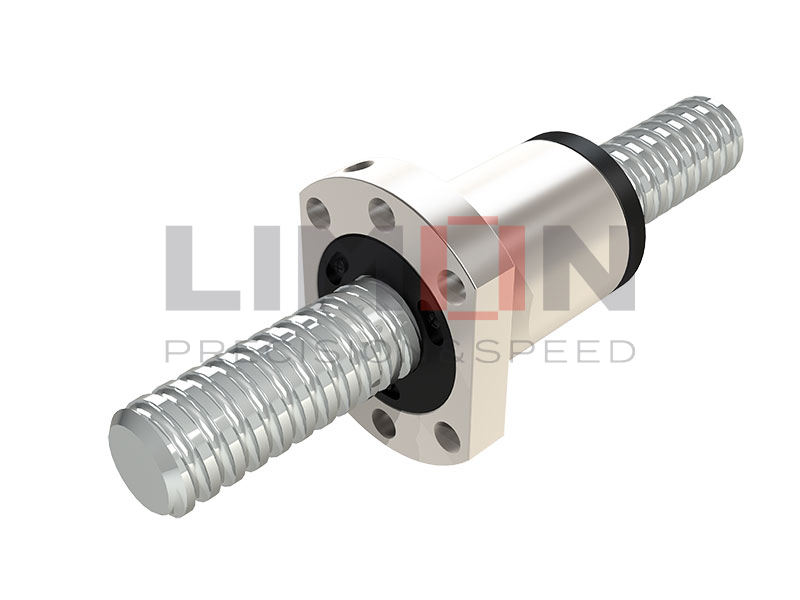
What is the lead of a screw? The lead of a screw is the linear distance a nut travels during one complete revolution of the screw. Understanding lead, pitch in screws, preload, sizing calculations, and supplier selection is essential for achieving high-performance linear motion in industrial automation systems.
Let’s explore screw design, history, sizing methods, and how to choose the right screw solution.
What Is the Lead of a Screw and Why Does It Matter?
One of the most common questions engineers ask is: what is the lead of a screw?
In linear motion systems, lead refers to the distance the nut advances along the screw during one full rotation. The lead directly affects travel speed, positioning accuracy, force transmission, and overall system efficiency.
Many people confuse lead with pitch in screws, but they are not always identical. In a single-start screw, lead equals pitch. In multi-start screws, lead is the pitch multiplied by the number of thread starts.
Understanding what is the lead of a screw is critical when designing:
- Ball screw systems
- Linear actuators
- CNC machinery
- Automated production equipment
- Robotics systems
A larger lead increases travel speed but may reduce force output. A smaller lead generally improves precision and load-handling capability.
At Limon, our engineering team helps customers optimize screw lead specifications according to their application’s speed, load, and positioning requirements. Because we operate a fully integrated production line, we maintain strict quality control throughout manufacturing to ensure exceptional performance and consistency.
The History of the Screw: From Ancient Innovation to Modern Automation
Understanding the history of the screw helps explain why screw-driven motion remains essential in modern industry.
The origins of screw technology date back more than 2,000 years. Historians often credit Archimedes with developing the Archimedes screw, one of the earliest mechanical devices used for moving water.
Over centuries, the history of screws evolved from simple lifting and fastening tools into highly sophisticated motion-control components. During the Industrial Revolution, precision machining allowed screws to become critical elements in machine tools and manufacturing equipment.
Today, advanced screw technologies drive:
- CNC machines
- Semiconductor manufacturing equipment
- Medical devices
- Industrial robots
- Aerospace systems
Modern ball screws and precision lead screws represent the culmination of the history of the screw, combining advanced materials, precision grinding, and sophisticated engineering.
At Limon, we continue this tradition of innovation by manufacturing high-performance screw systems that meet the demands of today’s automated industries.
Understanding Pitch in Screws and How It Affects Performance
The concept of pitch in screws is fundamental to linear motion design.
Pitch refers to the distance between adjacent thread peaks measured parallel to the screw axis. This characteristic directly influences:
- Motion speed
- Mechanical efficiency
- Positioning resolution
- Load capacity
- Motor requirements
When engineers evaluate pitch in screws, they must consider the specific application requirements. High-speed automation systems often benefit from larger pitch values, while precision positioning applications may require finer pitches.
Incorrect pitch selection can lead to:
- Reduced efficiency
- Excessive motor loads
- Increased vibration
- Poor positioning accuracy
Limon manufactures precision screw products with carefully controlled thread geometry to ensure smooth operation and optimal performance. Our technical team works directly with customers to recommend the most suitable pitch and lead combinations for their automation systems.
How to Calculate Screw Size for Industrial Applications
Another important engineering question is how to calculate screw size.
Proper sizing requires balancing several key parameters:
Load Requirements
The screw must support both static and dynamic loads safely.
Travel Distance
Longer travel lengths may require larger diameters to prevent deflection.
Speed Requirements
Higher operating speeds influence critical speed calculations.
Positioning Accuracy
Precision applications often require tighter tolerances and optimized lead selections.
Service Life
Expected operating cycles affect screw sizing and material selection.
Learning how to calculate screw size involves analyzing load, speed, acceleration, and environmental factors together rather than focusing on a single parameter.
At Limon, our engineering specialists assist customers through the entire sizing process. Our integrated manufacturing capabilities allow us to produce custom screw solutions optimized for specific industrial applications.
What Is a Preload Screw and Why Is It Important?
A preload screw is designed to eliminate or significantly reduce backlash by applying an internal preload force between mating components.
Backlash can negatively affect:
- Positioning accuracy
- Repeatability
- Surface finish quality
- Motion stability
A properly engineered preload screw improves system performance by maintaining continuous contact between rolling elements and raceways.
Preloaded screw systems are commonly used in:
- CNC machining centers
- Precision robotics
- Semiconductor equipment
- Medical automation systems
Although preload increases system rigidity, it must be carefully optimized to avoid excessive friction and premature wear.
Limon’s precision manufacturing process enables us to produce high-quality preload screw assemblies that deliver excellent accuracy, reliability, and long service life for demanding industrial environments.
How to Choose the Right Screw Supplier and Manufacturing Partner
Many buyers search online for terms such as screw supplier near me, screw suppliers near me, custom screws near me, or screw company near me. However, choosing the right partner requires more than geographic proximity.
A reliable screw supplier should provide:
- Precision manufacturing capabilities
- Consistent product quality
- Technical engineering support
- Fast response times
- Customization services
Whether you are evaluating a local screw company, a global manufacturer, or specialized screw suppliers, it is important to consider their production capabilities and quality control standards.
As a professional screw factory, Limon offers significant advantages:
- Fully integrated production line
- Factory-direct pricing
- Strict quality assurance
- OEM and ODM services
- Global technical support
Rather than simply acting as a distributor, Limon serves as a true screw specialist, helping customers solve complex motion-control challenges through engineering expertise and customized solutions.
Why Screw Support and Custom Engineering Matter in Modern Automation
High-performance automation systems require more than just quality components. They also require expert screw support throughout the design and implementation process.
Engineering support can help optimize:
- Screw selection
- Load calculations
- Lead and pitch optimization
- Installation procedures
- Maintenance strategies
As manufacturing systems become increasingly sophisticated, companies need partners that offer both products and technical knowledge.
Many businesses initially search for custom screws near me because they require specialized designs that standard catalog products cannot provide.
Limon’s engineering team works closely with customers to develop customized solutions that improve machine performance, reduce downtime, and maximize return on investment.
Our integrated production capabilities allow us to rapidly transform customer requirements into high-quality finished products.
Conclusion: Build Better Motion Systems with the Right Screw Technology
Understanding what is the lead of a screw, mastering pitch in screws, learning how to calculate screw size, and selecting the right preload screw are all essential steps toward building reliable and efficient automation systems.
From exploring the history of the screw to choosing a trusted screw supplier, every decision affects machine performance, productivity, and long-term operational success.
Limon combines advanced engineering, fully integrated manufacturing, and professional technical support to deliver reliable, high-performance linear motion solutions for customers worldwide.
With Limon, you gain more than a screw factory—you gain a trusted motion-control partner committed to precision, reliability, and innovation.