In today’s automation-driven industries, motion performance is no longer defined by mechanical components alone. The real intelligence lies in how motion is controlled. Servo drives play a central role in converting commands into precise, efficient, and repeatable movement—especially in high-performance linear motion systems.
As a fully integrated linear motion manufacturer, Limon designs and produces linear guide rails, ball screws, linear bearings, and linear actuators in-house. By combining these mechanical systems with advanced servo drives, we help customers build reliable, high-performance industrial solutions that meet the demands of modern automation.
This article explains what servo drives are, how they work with motors and linear motion components, and why they are critical to future-ready machines.
What Are Servo Drives and Why Do They Matter?
A servo drive is an electronic device that controls the motion of a servo motor by regulating current, voltage, and frequency based on feedback signals. In simple terms, it is the “brain” that ensures a motor moves exactly as commanded.
In many systems, the servo drive also acts as a servo drive controller, continuously comparing command signals with real-time feedback from encoders or resolvers. This closed-loop control allows for:
- Precise position, speed, and torque control
- Fast response and dynamic acceleration
- Stable motion under varying loads
Without a high-quality servo drive controller, even the best motor or mechanical system cannot deliver consistent accuracy.
How Servo Drives Work with Motors and Linear Motion Systems
Understanding servo drives and motors as a complete system is essential for modern machine design.
A typical motion system includes:
- A servo drive (controller and power stage)
- A servo motor
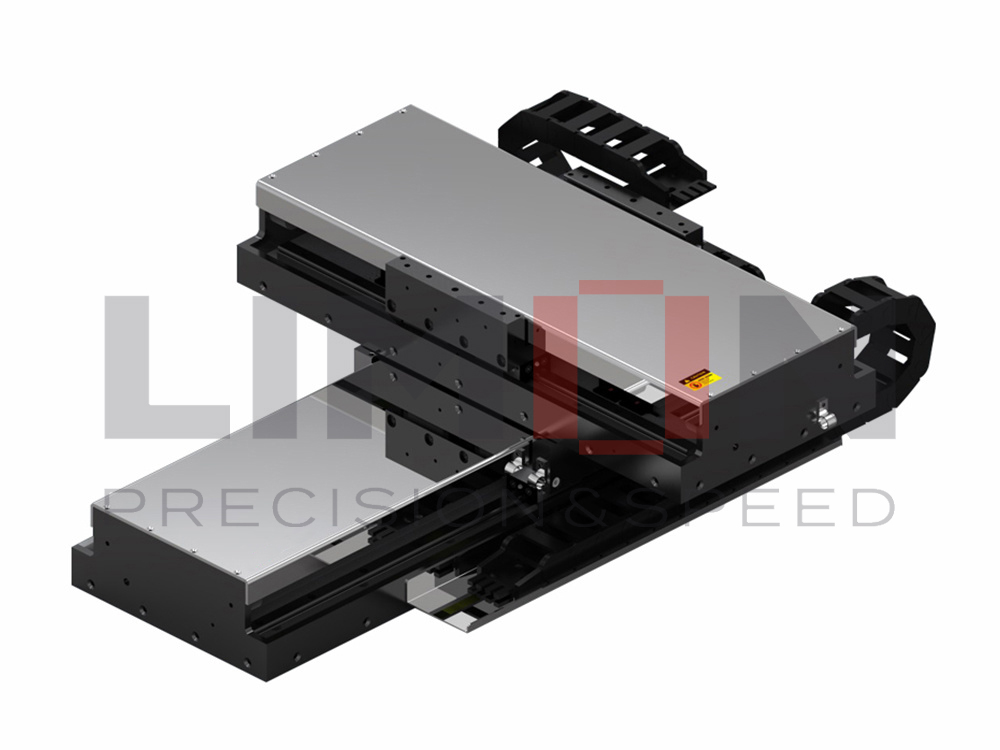
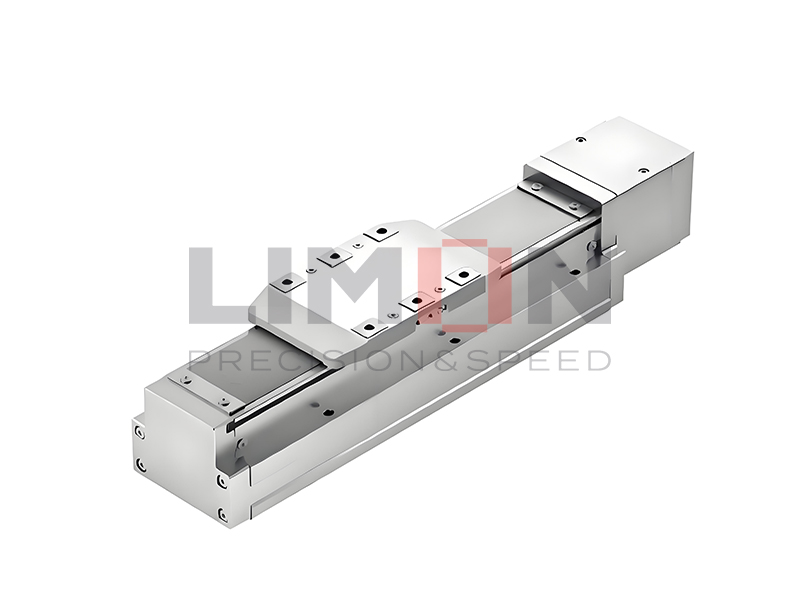
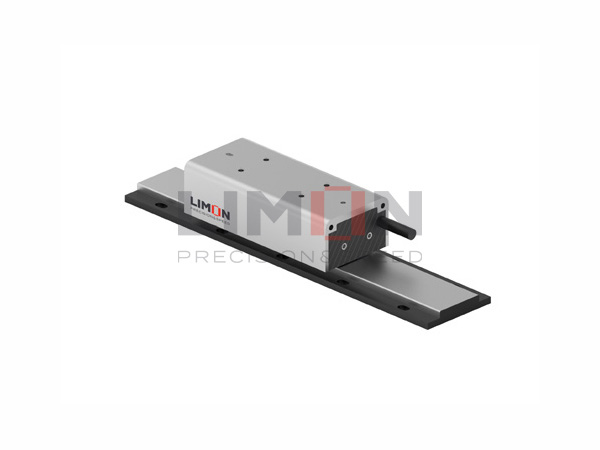
- A mechanical transmission (ball screw, belt, or linear actuator)
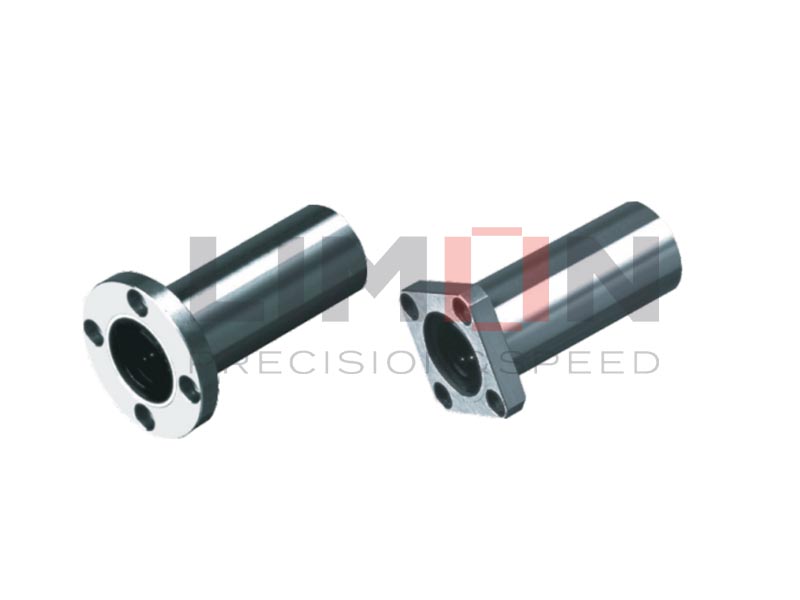
- Linear guidance (linear guide rails or bearings)
The servo drive sends precisely controlled electrical signals to the motor, while continuously receiving feedback to correct any deviation. When paired with rigid linear guides and high-precision ball screws, this creates smooth, accurate linear motion even at high speeds.
At Limon, our linear motion components are engineered to integrate seamlessly with servo-driven systems, ensuring optimal stiffness, alignment, and long-term reliability.
Servo Drives for Robotics and Advanced Automation
One of the fastest-growing application areas is servo drives for robotics. Industrial robots, Cartesian systems, and collaborative robots (cobots) all rely on servo drives to achieve:
- Smooth multi-axis coordination
- High repeatability for pick-and-place tasks
- Precise force and speed control
- Compact, energy-efficient designs
In robotic linear axes, servo drives must work flawlessly with linear actuators and guide rails. Poor integration can lead to vibration, positioning errors, and premature wear. This is why system-level compatibility—mechanical plus electronic—is becoming a major selection criterion.
Future Trends in Servo Drive Technology
As automation evolves, servo drives are becoming more intelligent, connected, and efficient. Key trends shaping the future include:
Smarter Servo Drive Controllers
Modern controllers increasingly support advanced diagnostics, predictive maintenance, and real-time monitoring—reducing downtime and improving system uptime.
Higher Integration
Servo drives are being integrated more closely with motors and mechanical assemblies, simplifying installation and reducing wiring complexity.
Energy Efficiency
Advanced control algorithms reduce power consumption while maintaining high performance, aligning with sustainability goals in U.S. manufacturing.
Seamless System Design
Manufacturers are shifting from component-level thinking to system-level optimization, where servo drives and motors are selected together with linear guides and actuators for maximum performance.
Why Servo Drives Matter When Choosing Linear Motion Solutions
Servo drives do not operate in isolation. Their performance directly depends on the quality of the mechanical system they control.
High-quality linear guide rails and ball screws:
- Reduce friction and backlash
- Improve positioning accuracy
- Lower the control effort required from the servo drive
- Extend the life of both the drive and motor
Limon’s fully integrated production approach ensures that our linear motion components are optimized for servo-driven applications, helping customers achieve smoother motion, higher precision, and lower total cost of ownership.
Conclusion: Servo Drives Power the Future of Precision Motion
In modern automation, servo drives are the intelligence that transforms electrical commands into precise mechanical motion. From advanced servo drive controllers to high-performance servo drives for robotics, these systems are essential for accuracy, speed, and reliability.
When combined with robust linear guides, precision ball screws, and well-designed linear actuators, servo drives unlock the full potential of today’s motion systems.
If you’re designing new equipment or upgrading existing machinery, partnering with Limon means gaining access to linear motion solutions engineered for seamless integration with servo drives—delivering performance you can trust, today and into the future.