In today’s fast-evolving automation landscape, precision motion is no longer optional—it’s essential. From advanced medical systems to automated manufacturing lines, linear actuators applications are expanding rapidly across industries in the United States and worldwide.
But many engineers and buyers still ask:
- What is a linear actuator and how does it work?
- What are linear actuators used for?
- Where are linear actuators used in real-world industries?
- What does a linear actuator do in modern automation systems?
In this comprehensive guide, we’ll answer those questions while exploring the most important uses of linear actuators and future trends shaping the industry.
What Is a Linear Actuator and How Does It Work?
Before diving into the applications of linear actuators, let’s clarify the fundamentals.
What Is a Linear Actuator?
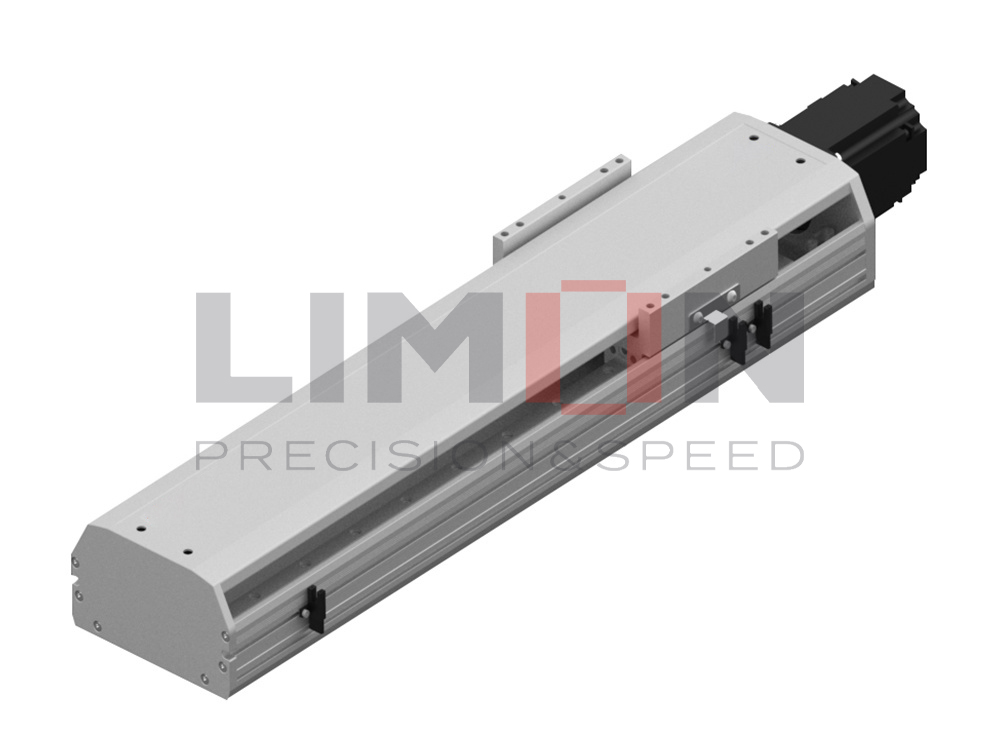
A linear actuator is a mechanical device that converts energy—typically electrical—into straight-line motion. Unlike rotary motors that spin, linear actuators create push or pull motion along a single axis.
If you’re wondering what is linear actuator used for, the short answer is simple:
A linear actuator moves objects in a straight line with controlled force, speed, and precision.
Linear Actuator: How Does It Work?
If you’ve searched “linear actuator how does it work”, here’s the practical explanation:
- An electric motor generates rotational motion.
- That rotation drives a ball screw or lead screw.
- The screw translates rotational movement into linear displacement.
- A carriage or rod extends or retracts in a straight path.
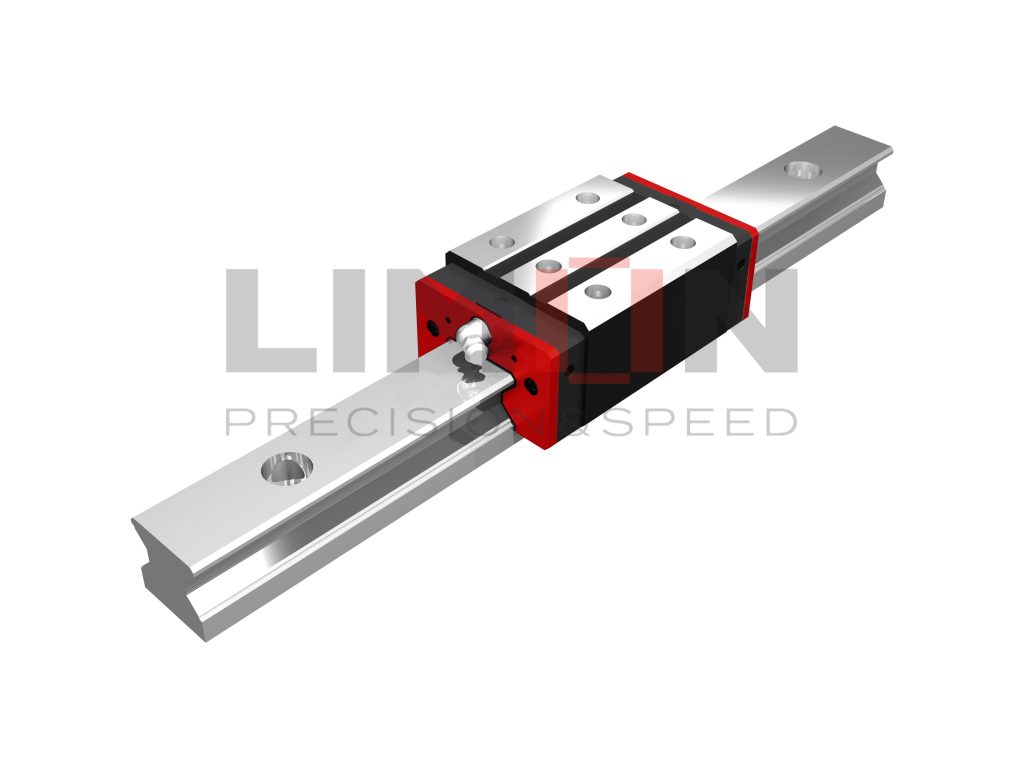
In industrial-grade systems—especially those integrated with precision components like ball screws and linear guide rails—the result is smooth, repeatable, high-load motion.
So when customers ask what do linear actuators do or what does a linear actuator do, the answer is:
They deliver controlled, programmable linear movement for lifting, positioning, adjusting, clamping, pushing, or pulling loads.
Where Are Linear Actuators Used? Key Industry Applications
Let’s explore real-world linear actuators applications that are driving automation growth across the U.S.
- Industrial Automation & Manufacturing
One of the most significant uses for linear actuators is factory automation.
Applications Include:
- CNC positioning systems
- Pick-and-place robotics
- Automated assembly lines
- Material handling systems
- Packaging and labeling machines
American manufacturers increasingly demand:
- High precision
- Long service life
- Reduced maintenance
- Energy efficiency
Electric linear actuators outperform hydraulic and pneumatic systems in many modern setups due to cleaner operation and easier integration with PLC systems.
This sector represents one of the fastest-growing applications of linear actuators in North America.
- Medical Equipment & Healthcare Technology
Healthcare technology in the U.S. continues to modernize rapidly. One critical segment is:
Motorized Linear Actuators Applications in Medical Devices
If you’re researching motorized linear actuators applications in medical devices, here’s where they are used:
- Adjustable hospital beds
- Surgical tables
- Patient lifts
- Imaging equipment (MRI/CT positioning)
- Rehabilitation equipment
These applications require:
- Ultra-quiet operation
- Smooth motion
- Precise positioning
- High reliability
In medical environments, actuator performance directly impacts patient safety and comfort. As hospitals modernize equipment, demand for high-quality motion components continues to grow.
- Renewable Energy Systems
As America expands renewable infrastructure, where are linear actuators used in this sector?
- Solar panel tracking systems
- Wind turbine pitch control
- Energy storage positioning mechanisms
Linear actuators help optimize solar tracking angles throughout the day, increasing energy efficiency.
These are high-load, outdoor applications requiring corrosion resistance and long service life—making material quality and integrated production critical.
Why Linear Actuators Are Replacing Hydraulic Systems
Across industries, engineers are shifting from hydraulic to electric solutions.
Why?
- Cleaner operation
- Lower maintenance
- Better control
- Energy efficiency
- Easier integration with smart control systems
Electric linear actuators applications continue expanding as Industry 4.0 accelerates.
Future Trends in Linear Actuators Applications
As a manufacturer with fully integrated production capabilities, we see several key trends shaping the future:
- Integrated Smart Actuators
Built-in sensors and IoT connectivity allow real-time monitoring and predictive maintenance.
- Higher Precision Demands
Industries such as semiconductor manufacturing require micron-level accuracy.
- Compact, High-Force Designs
Space-saving designs with higher load capacities are increasingly requested.
- Customizable Motion Modules
Customers want plug-and-play linear motion solutions instead of individual components.
Choosing the Right Linear Actuator for Your Application
If you’re evaluating what linear actuator is used for your specific system, consider:
- Load capacity
- Stroke length
- Speed requirements
- Precision level
- Environmental conditions
- Duty cycle
A poorly matched actuator can reduce system life and increase downtime.
Why Manufacturing Integration Matters
Not all linear actuators are created equal.
A fully integrated production line—from raw material processing to screw grinding and assembly—ensures:
- Tighter tolerances
- Consistent quality control
- Shorter lead times
- Customization flexibility
For industrial buyers in the U.S., supplier reliability is just as important as technical performance.
Final Thoughts: The Expanding Role of Linear Actuators
To summarize:
- What are linear actuators used for? Precision linear motion across virtually every modern industry.
- What does a linear actuator do? Converts energy into controlled push-pull movement.
- Where are linear actuators used? Manufacturing, medical devices, renewable energy, smart furniture, automotive, aerospace, and beyond.
- What is a linear actuator and how does it work? It transforms rotational motor energy into linear motion through screw-driven mechanisms.
The future of automation is linear, precise, efficient, and smart.
As demand for reliable motion control continues to grow across the United States, businesses that invest in high-performance linear motion systems will lead the next wave of industrial innovation.
Ready to Optimize Your Linear Motion System?
Whether you’re designing medical equipment, building automated production lines, or developing next-generation energy systems, selecting the right linear actuator is critical.
Explore high-performance, precision-engineered linear motion solutions designed for modern industrial demands.
Because in today’s automation-driven world—motion defines performance.