Are inefficient, inaccurate, or unreliable linear movements slowing down your equipment and making automation harder to achieve?
Linear actuators convert energy into controlled linear movement, allowing machines to push, pull, lift, position, or adjust components automatically. They are widely used in industrial automation, CNC machines, robotics, medical equipment, agriculture, and smart machinery where precise and repeatable linear motion is required.
Where Are Linear Actuators Used?
From industrial automation to robotics and smart equipment, linear actuators provide controlled movement across a wide range of applications.
What Is a Linear Actuator and How Does It Work?
To understand linear actuator applications, it is important to first understand what a linear actuator does and how its movement is generated.
So, what is a linear actuator and how does it work?
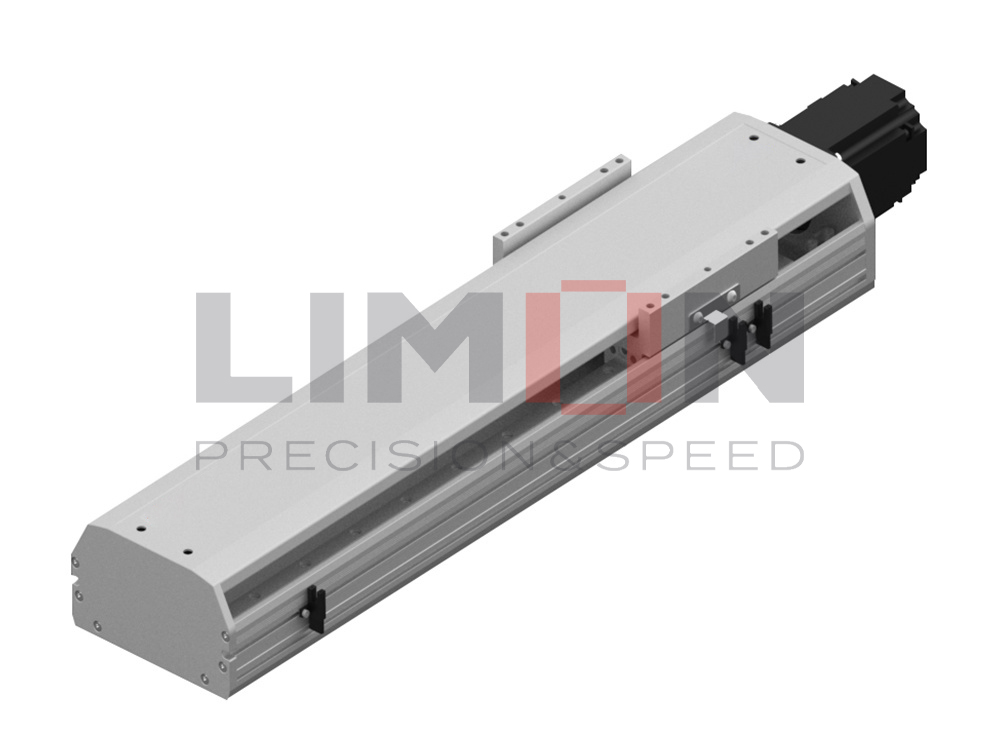
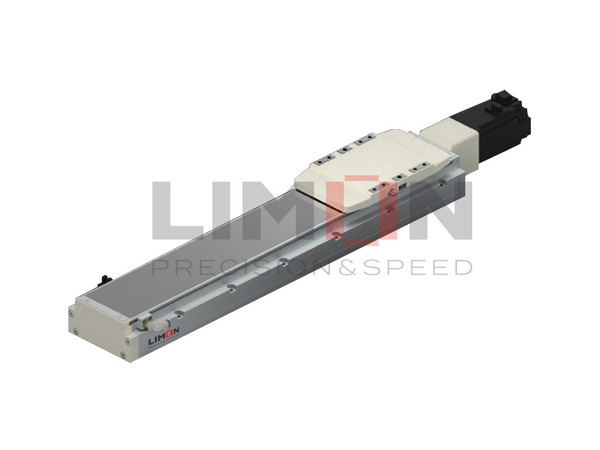
A linear actuator is a mechanical device that converts an input source of energy into linear motion. Instead of producing continuous rotary movement like a conventional motor, a linear actuator produces movement along a straight path. Depending on its design, it can push, pull, lift, lower, extend, retract, or position a load.
Electric linear actuators are particularly common in modern automation. A typical electric actuator combines a motor with a mechanical transmission mechanism such as a screw drive. When the motor rotates the screw, the nut moves along the screw, creating controlled linear displacement. Depending on the design, the system may use a lead screw or ball screw.
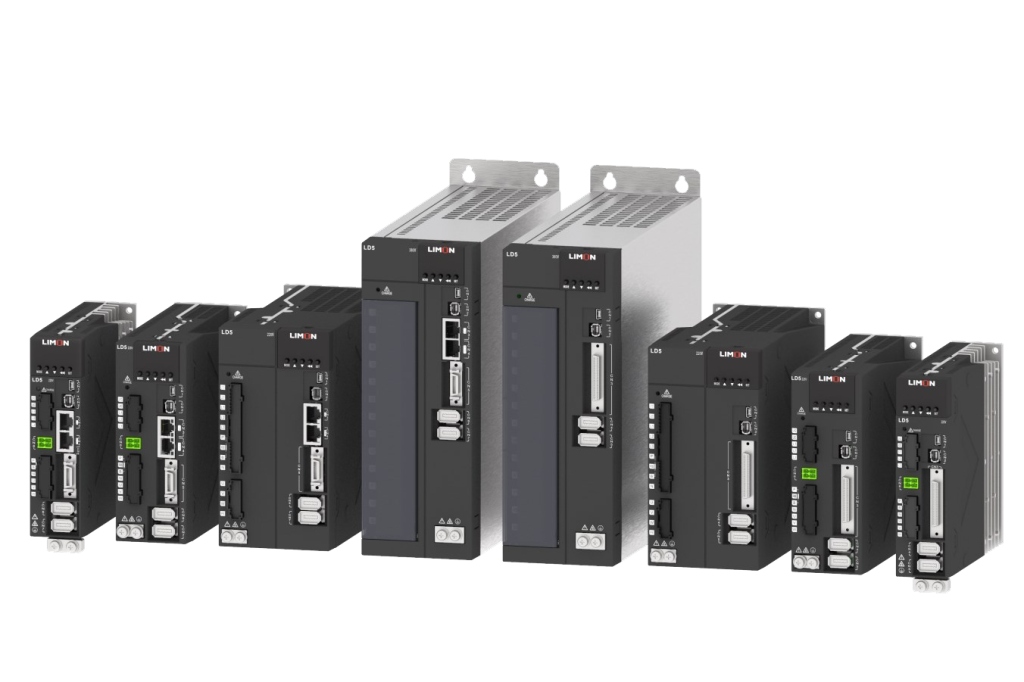
The actuator’s movement can be controlled by adjusting parameters such as speed, stroke, direction, and position. When combined with sensors, servo motors, PLCs, or other control systems, linear actuators can become part of highly automated motion platforms.
So, what do linear actuators do in practical equipment? They perform the physical movement required by the machine. They may open and close a mechanism, move a workpiece, adjust a cutting position, lift a platform, position a camera, or control the movement of a robotic component.
The actuator itself is only one part of the system. Its performance depends on the motor, screw mechanism, guide structure, bearings, control system, load, and installation conditions.
This is why Limon approaches linear actuators as part of a complete linear motion solution. With linear guide rails, ball screws, linear bearings, and linear actuators available from one manufacturer, customers can build more coordinated motion systems based on their actual application requirements.
What Do Linear Actuators Do in Industrial Automation?
Industrial automation is one of the most important areas for linear actuator applications. Modern production equipment increasingly requires machines to perform repetitive movements quickly, accurately, and consistently with minimal manual intervention.
A linear actuator can provide the physical movement required for many automated processes. For example, it can move a component from one workstation to another, adjust a machine fixture, position a tool, open or close a mechanism, or control the height of an assembly.
In automated manufacturing systems, linear actuators are often integrated with PLCs, sensors, servo drives, or other control components. This allows the actuator to respond to commands and perform predefined movements according to the production process.
Typical industrial automation applications include:
- Material handling equipment
- Automated assembly machines
- Packaging machinery
- Conveyor adjustment systems
- Machine fixtures
- Inspection equipment
- Pick-and-place systems
- Tool positioning mechanisms
- Automated doors and covers
- Production line adjustment systems
One advantage of electric linear actuators is controllability. Unlike simple pneumatic cylinders that generally depend on compressed air and associated valves, an electric actuator can be integrated into a programmable motion system. Engineers can define movement profiles according to speed, position, acceleration, and operating cycles.
This makes linear actuators especially useful when equipment requires repeatable positioning rather than simply moving between two fixed points.
For manufacturers, reliability is equally important. An actuator that repeatedly operates thousands or millions of cycles must be appropriately sized for its load, speed, stroke, duty cycle, and environmental conditions.
Limon’s integrated production capabilities help support this requirement. By manufacturing linear motion products through an integrated production line and selling directly to customers, Limon can provide high-quality components together with technical support for application-specific requirements.
How Are Linear Actuators Used in CNC Machines and Robotics?
CNC machines and robotics require precise and repeatable movement, making them important applications for linear actuator technology.
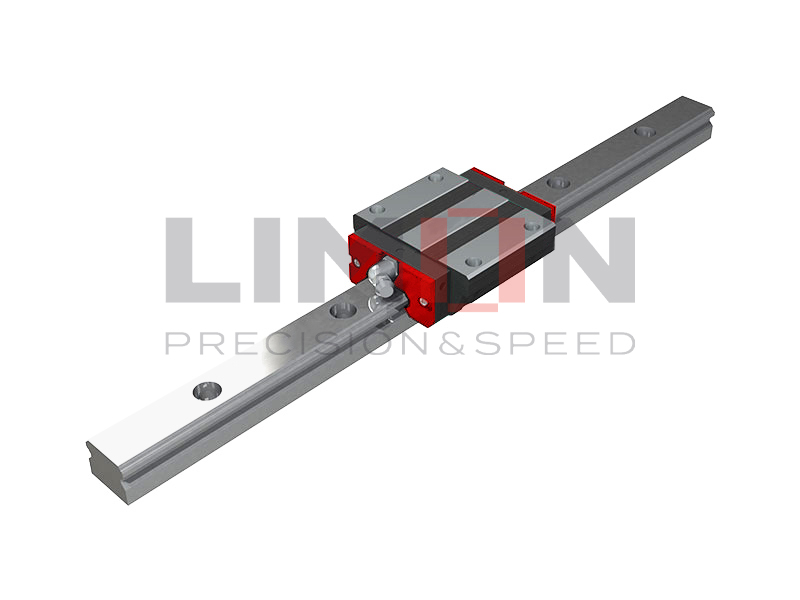
In CNC equipment, controlled linear movement is fundamental to machining operations. Machine components may need to move along X, Y, or Z axes while maintaining accurate positioning under changing loads. Depending on the machine architecture, linear actuators or screw-driven linear mechanisms can work together with linear guide rails and bearings to create stable motion.
The actuator provides the driving force, while the linear guide supports and constrains the moving assembly. A ball screw can provide efficient transmission between the motor and moving component, while the guide system controls the travel path.
Robotic systems use similar principles. Industrial robots may require linear axes to extend their working range, move tooling, position workpieces, or transfer components between different stations. Linear actuators can also be incorporated into Cartesian robots, gantry systems, and automated positioning platforms.
The requirements vary considerably between applications. A high-speed pick-and-place system may prioritize acceleration and cycle time. A CNC positioning system may place greater emphasis on rigidity, positioning accuracy, and resistance to vibration. A robotic inspection system may require smooth movement and repeatability.
Therefore, selecting an actuator should start with the actual application rather than the actuator’s advertised maximum specifications.
Important factors include:
| Requirement | Why It Matters |
| Load capacity | Determines the force the actuator must generate |
| Stroke | Defines the required travel distance |
| Speed | Determines how quickly the load must move |
| Acceleration | Affects dynamic load and motor requirements |
| Accuracy | Determines positioning capability |
| Repeatability | Important for repetitive automated operations |
| Duty cycle | Helps determine thermal and service requirements |
| Environment | Influences protection and maintenance requirements |
Limon can help customers evaluate these parameters and select suitable linear motion components. This application-focused approach helps ensure that the actuator, screw, guide, and bearing system work together rather than being selected independently.
Which Other Industries Use Linear Actuators?
Linear actuators are not limited to factory automation. Their ability to generate controlled linear movement makes them useful in many industries where machines need to adjust, position, lift, or move components.
Medical equipment is one example. Linear motion can be used for adjustable platforms, examination equipment, laboratory systems, and other mechanisms that require controlled positioning. Depending on the equipment, factors such as low noise, smooth movement, compact dimensions, and positioning repeatability can be important.
Agricultural equipment can also use actuators for automated adjustment. Machinery may require controlled movement to adjust components, positioning systems, gates, or processing mechanisms. The actuator must be selected according to the outdoor environment, load, contamination, and duty cycle.
In packaging and food-processing equipment, actuators can control guides, tooling, filling mechanisms, adjustment systems, and other machine components. Compact design and repeatable movement are often valuable where equipment has limited installation space.
Other applications include:
- Laboratory automation
- Electronic manufacturing
- Semiconductor equipment
- Material handling
- Solar tracking systems
- Agricultural machinery
- Packaging equipment
- Medical machinery
- Inspection systems
- Smart furniture
- Automated storage systems
- Building automation
The requirements can be very different from one industry to another. A laboratory system may prioritize precision and smoothness, while agricultural machinery may place greater emphasis on durability and environmental resistance.
This variety is one reason actuator selection should be based on application conditions rather than simply choosing the largest or fastest model available.
Limon’s range of linear motion products allows customers to consider actuators together with linear guides, ball screws, and linear bearings. Combined with direct manufacturer support, this provides a practical way to develop motion solutions for different industrial environments.
How Should You Choose a Linear Actuator for Your Application?
Choosing a linear actuator begins with defining exactly what the actuator needs to accomplish. The basic question is not simply “How powerful should it be?” but rather “What load must it move, how far, how fast, and how often?”
Load is the first major consideration. Determine both the static and dynamic load, including the weight of the moving assembly and any additional forces generated during acceleration or operation.
Stroke length determines how far the actuator must travel. Choosing an actuator with insufficient stroke can limit machine functionality, while excessive stroke may increase overall system size and cost.
Speed is another critical parameter. A high-speed actuator may be appropriate for automated transfer equipment, while a slower actuator may be better suited to controlled adjustment or lifting applications.
Positioning accuracy and repeatability should also be evaluated. If the actuator must repeatedly move to specific positions, the screw mechanism, motor, feedback system, mechanical rigidity, and control system all contribute to the final result.
Duty cycle is often overlooked. An actuator operating continuously at high load has very different requirements from one that moves only occasionally. Thermal behavior, lubrication, screw life, motor capacity, and component wear should all be considered.
Environmental conditions also matter. Dust, moisture, temperature, vibration, chemicals, and other contaminants can affect actuator performance and service life.
A practical selection process should therefore consider:
- Required load and force
- Required stroke
- Operating speed
- Acceleration and deceleration
- Positioning accuracy
- Repeatability
- Duty cycle
- Installation space
- Operating environment
- Required service life
- Control and feedback requirements
- Compatibility with guides and other motion components
Limon provides technical support to help customers evaluate these parameters before purchasing. Because Limon manufactures multiple linear motion components, customers can also consider the actuator together with compatible guides, bearings, and ball screws.
How Can Linear Actuators Improve Machine Performance?
The right linear actuator can improve more than simple movement. It can help manufacturers automate repetitive operations, improve positioning consistency, reduce manual intervention, and create more flexible machine designs.
One important advantage is repeatability. When a machine repeatedly performs the same movement, an appropriately selected actuator can provide consistent travel and positioning. This is valuable in assembly, inspection, packaging, and material handling.
Another advantage is programmability. Electric actuators can be integrated with control systems, allowing engineers to define different movement profiles for different operating conditions. A single machine may therefore perform multiple positioning operations without requiring extensive mechanical adjustment.
Linear actuators can also help create more compact automation solutions. Instead of using complex mechanical linkages, an actuator can directly provide controlled linear movement to the required mechanism.
However, the actuator should not be considered separately from the machine structure. Mechanical rigidity, guide accuracy, screw selection, motor sizing, mounting alignment, and control parameters all influence the final result.
For example, an actuator with excellent positioning specifications may not deliver the expected machine accuracy if the supporting structure is flexible or the guide system is poorly aligned.
This is why Limon focuses on complete linear motion performance. Our integrated manufacturing capabilities cover key components including linear guide rails, ball screws, linear bearings, and linear actuators. This allows customers to build motion systems around compatible components rather than treating every part as an isolated purchase.
With direct sales and technical support, Limon can also help customers evaluate the relationship between the actuator and the rest of the mechanical system. The objective is not simply to supply a component, but to help customers achieve reliable and high-performance linear movement.
Why Choose Limon for Linear Actuator Applications?
Selecting a linear actuator manufacturer is an important decision when the actuator will become a critical part of production equipment. Product quality, manufacturing consistency, technical support, and supply reliability can all affect the long-term performance of the machine.
Limon is a linear motion product manufacturer specializing in linear guide rails, ball screws, linear bearings, and linear actuators. Our fully integrated production line gives us greater control over manufacturing processes and helps us maintain consistent quality across our product range.
This integrated capability is particularly useful for customers developing complete motion systems. A linear actuator may need to work together with a ball screw, linear guide, bearing, motor, and control system. When these components are selected without considering their compatibility, the performance of the complete system may be limited.
Limon’s direct-sales model provides another advantage. Customers can communicate more directly with the manufacturer rather than relying entirely on multiple distribution layers. This makes it easier to discuss specifications, application requirements, customization needs, and technical questions.
High quality is also central to actuator performance. The screw transmission, motor, bearings, housing, guide mechanism, and assembly accuracy all influence the actuator’s final performance. Consistent manufacturing is therefore essential for achieving stable and repeatable motion.
Limon also provides technical support throughout the selection process. Customers can discuss requirements such as load, stroke, speed, accuracy, duty cycle, environment, and installation space before selecting an actuator.
Whether you are developing an automated production line, CNC machine, robotic system, inspection platform, or another industrial machine, Limon can provide reliable linear motion components designed to work together.
Our goal is straightforward: help customers achieve dependable motion with high-performance products backed by practical engineering support.
Conclusion
Linear actuators play an important role in modern automation because they convert energy into controlled linear movement. From industrial automation and CNC machines to robotics, medical equipment, agriculture, packaging, and smart machinery, their applications continue to expand wherever machines need reliable positioning, lifting, pushing, pulling, or adjustment.
Understanding what is a linear actuator and how does it work and what do linear actuators do is the first step. The next step is selecting an actuator based on load, stroke, speed, accuracy, repeatability, duty cycle, environment, and system compatibility.
Limon combines a fully integrated production line, direct manufacturer sales, high-quality linear motion products, and professional technical support to deliver reliable, high-performance linear motion solutions.
When your equipment depends on precise and repeatable movement, Limon helps turn your motion requirements into dependable engineering solutions.