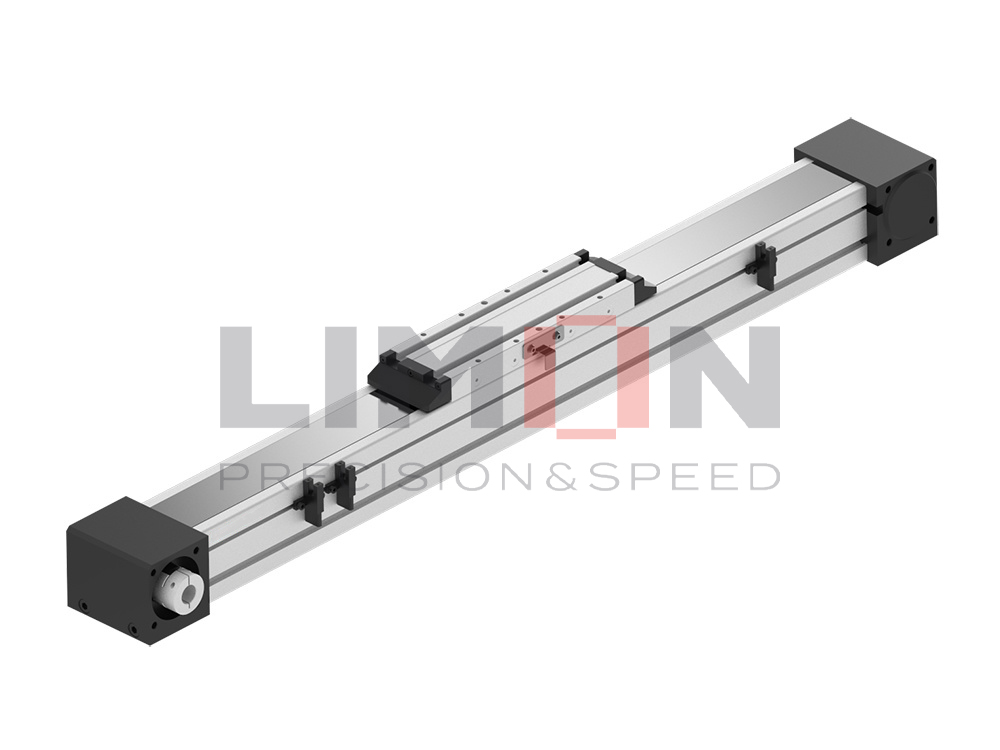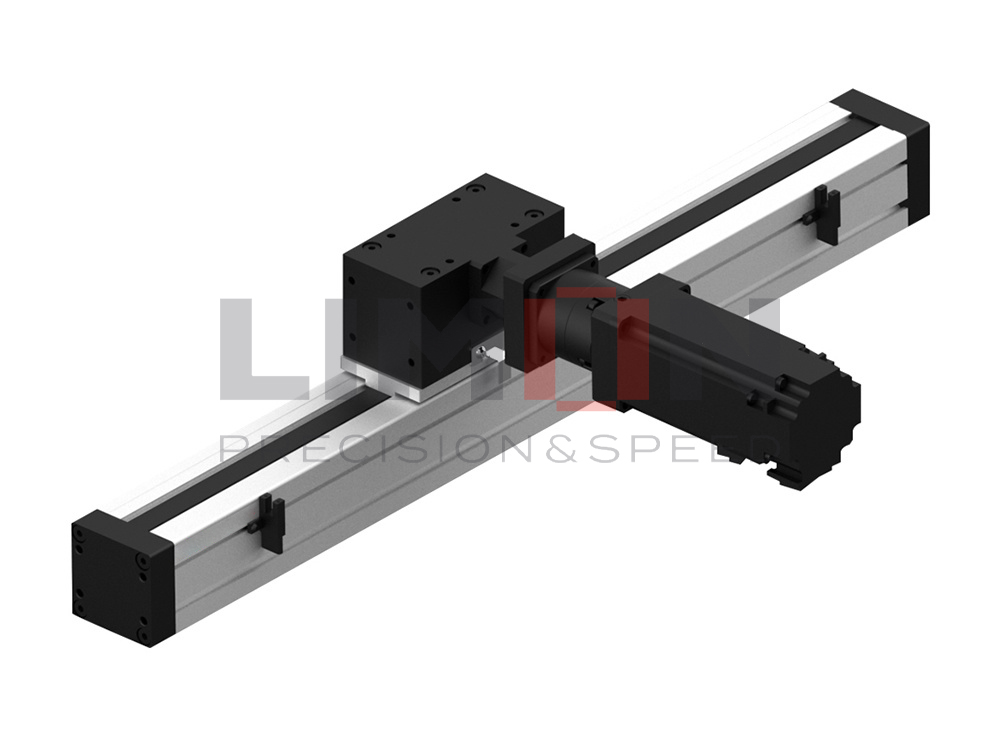
Understanding Ball Screws:
1. Structure and Components: Ball screws consist of three primary components – a screw shaft, ball nut, and ball bearings. The screw shaft features a helical groove, providing a path for the ball bearings. The ball nut, threaded onto the screw shaft, contains recirculating ball bearings that circulate within the groove. This arrangement enables smooth and precise linear motion.
2. Working Mechanism: The working principle of ball screws involves the rotation of the screw shaft, which causes the ball bearings to move along the helical groove within the ball nut. As the balls circulate, they reduce friction and enable efficient conversion of rotational energy into linear motion. This mechanism results in higher precision and lower energy consumption compared to traditional screw systems.
Advantages of Ball Screws:
1. High Efficiency: Ball screws are renowned for their high mechanical efficiency. The rolling motion of the ball bearings minimizes friction, leading to less wear and tear and improved energy efficiency.
2. Precision and Accuracy: The design of ball screws allows for precise control of linear movement, making them ideal for applications requiring accuracy and repeatability. This characteristic is especially crucial in industries such as manufacturing, robotics, and aerospace.
3. Reduced Backlash: Backlash, or the clearance between the screw and nut, is minimized in ball screws. This feature ensures better positioning accuracy, making them suitable for applications where tight tolerances are essential.
Applications of Ball Screws:
1. CNC Machinery: Ball screws are widely used in Computer Numerical Control (CNC) machinery for precise and controlled movement of cutting tools. This application enhances the overall accuracy and quality of machined products.
2. Robotics: The precision and efficiency of ball screws make them a preferred choice in robotic systems, contributing to smooth and accurate motion in various robotic applications.
3. Aerospace Industry: Ball screws play a crucial role in aerospace applications, where precision and reliability are paramount. They are used in components like aircraft flaps and landing gear systems.
Ball screws are integral components in modern machinery, providing the necessary precision and efficiency for a wide array of applications. Whether in manufacturing, robotics, or aerospace, their ability to convert rotational motion into precise linear movement makes them indispensable for industries demanding accuracy and reliability. Understanding the fundamentals of ball screws is crucial for engineers and designers seeking optimal solutions for their mechanical systems.