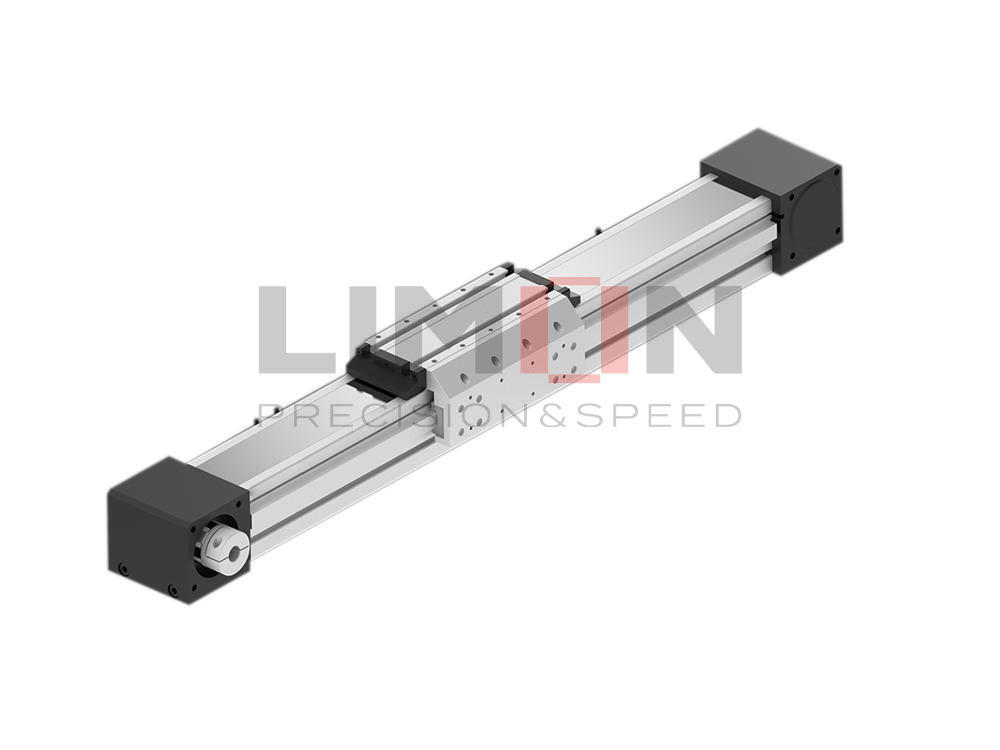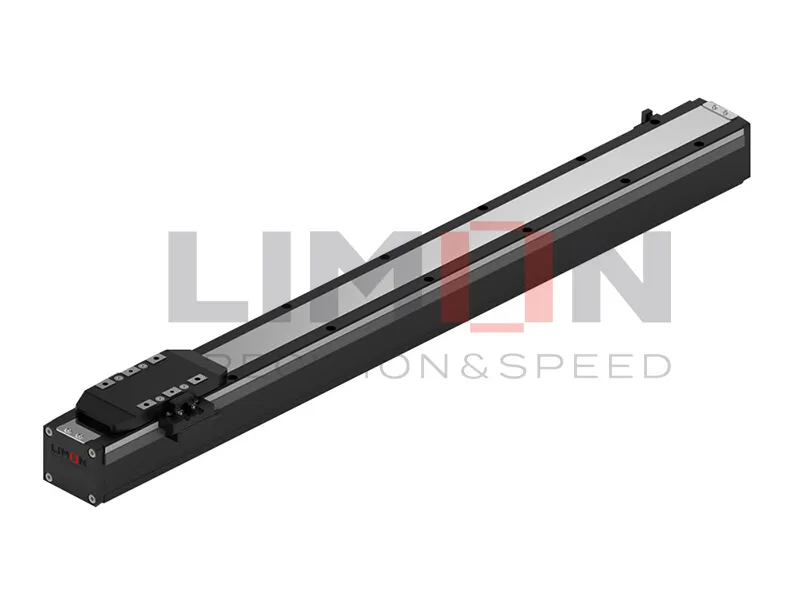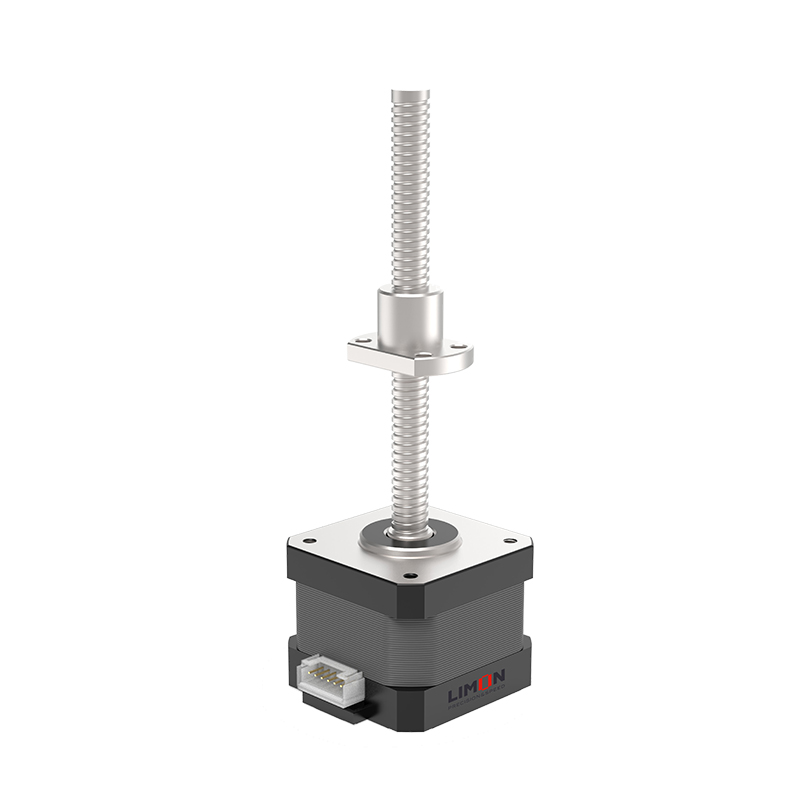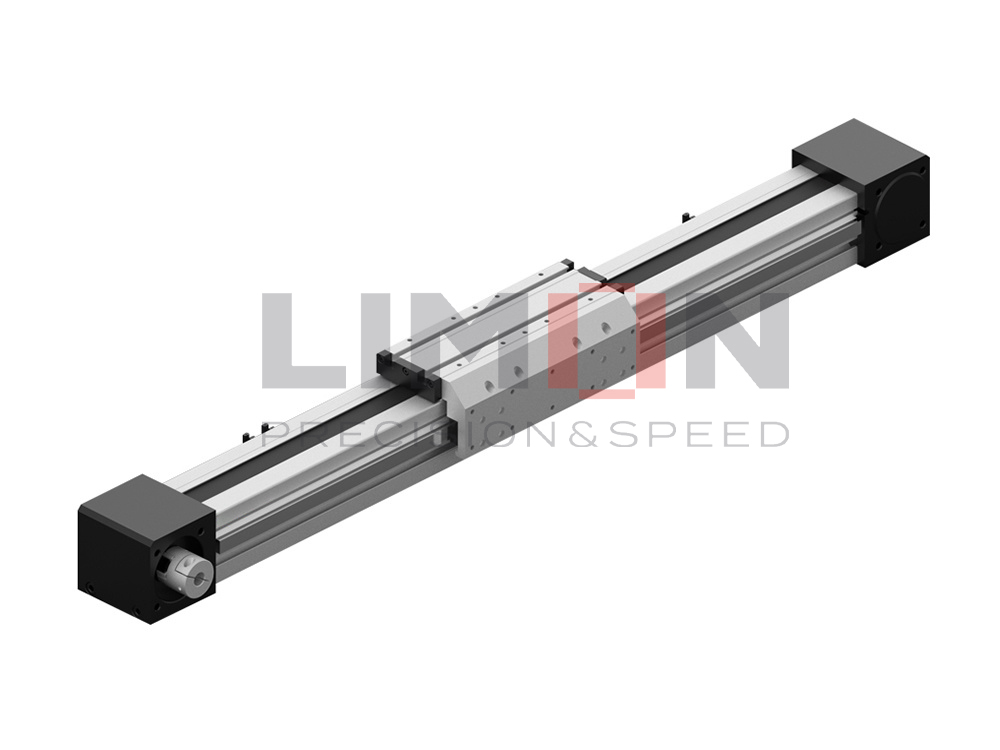
Machinery misalignment and shaft instability lead to premature wear, vibrations, and costly downtime. Proper shaft supports prevent failures and boost system reliability. Discover best practices and solutions here.
Shaft supports—also known as shaft supports or guide shaft mounts—secure axles or linear shafts using precision materials and mounting methods to ensure durability, alignment, and performance across diverse applications.
Delve deeper to learn about types, materials, installation tips, and load capabilities.
What Is The Guide Shaft Support?
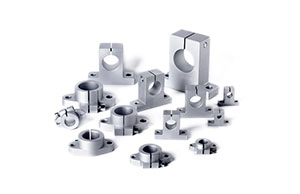
A shaft support is a mechanical component designed to reinforce, align, and stabilize rotating or linear shafts in machines. Typically installed at the ends—or at strategic intervals—it ensures the shaft remains properly guided and resists bending or misalignment under load.
Key Features:
Bearing integration: May incorporate bearings on rotating shafts or bushing surfaces on linear shafts.
Mounting surfaces: Machined for precision, enabling accurate placement on frames or rails.
Support types: Fixed-end supports provide solid constraint; floating supports accommodate thermal expansion.
Construction: Can be standalone blocks, flange mounts, or integrated into linear guide housings.
Applications range from CNC machines and robotic actuators to simple sliding door mechanisms. Shaft supports maintain alignment, reduce deflections, and preserve overall system accuracy.
What Materials Are The Guide Shaft Supports Made Of?
Material selection for shaft supports impacts rigidity, wear resistance, temperature tolerance, and cost:
Aluminum Alloy (6061-T6, 7075)
Lightweight, corrosion-resistant.
Suited for low- to medium-load systems like automation or light robotics.
Cast Iron
Excellent vibration damping; high rigidity.
Ideal for heavy-duty industrial machinery and CNC frames.
Steel (304, 316, Carbon)
High strength; may be plated or nitrided for wear resistance.
Common in food processing equipment or high-load conveyors.
Polymeric Composites (PTFE, POM)
Low friction; self-lubricating; low-cost.
Used in non-critical or portable equipment where alignment tolerance is forgiving.
Bronze or Brass Bushings
Oil-impregnated, high wear resistance, good load support.
Ideal for linear slide shaft supports and maintenance-friendly systems.
Manufacturers may also use hybrid designs—steel shafts with aluminum housings—to balance cost and performance. The choice depends on load type, speed, operating environment, and maintenance schedule.
What Are Guide Shaft Support Applications?
Shaft supports are crucial components in a wide range of systems:
CNC Machines: Maintain precise alignment of ball screws and guide shafts for accurate machining.
3D Printers: Stabilize rods and shafts driving print heads for smooth, accurate layers.
Automated Guided Vehicles (AGVs): Support steering axles and linear modules under dynamic load conditions.
Warehouse Automation: Used in linear actuators, conveyors, and pick-and-place axes for accurate travel.
Medical Devices: Support linear shafts in imaging systems and surgical robots where contamination control is key.
Packaging Equipment: Provide long-term stability in repetitive, high-speed operations.
Consumer Products: Found in adjustable LED bathroom mirrors, camera sliders, and desktop automation kits.
In each case, proper shaft support guarantees system accuracy, prolongs component life, reduces vibration, and enhances user reliability.
How Much Torque Can The Guide Shaft Support Bear?
The torque capacity of a shaft support depends on its design and the shaft/bearing combination:
Rotational Shaft Supports with ball or roller bearings may support torques from 10 Nm (26 mm shafts) to over 500 Nm (solid 50 mm shafts with precision bearings).
Linear Shaft Supports focus on lateral loads and bending moments rather than torque. A 20 mm hardened shaft with bronze inserts can handle radial loads of 500–1000 N easily.
Material & Bearing Choice is critical. Steel housings with angular-contact bearings allow higher direct torque; polymer housings are limited to low-moment static support.
Mounting Structure also affects capacity; a well-braced base dramatically increases moment resistance compared to a thin sheet-metal mount.
Most industrial shaft supports specify allowable bearing load or moment capacity in datasheets—always validate against your application’s calculated torque and dynamic loads with safety factors (typically ×1.5–2).
What Are The Classifications Of Guide Shaft Supports?
Shaft supports are classified by their support method, orientation, and intended function:
1. Fixed-End vs Floating-End
Fixed Support: Holds shaft axially and radially—ideal for first support on one or both ends.
Floating Support: Restrains radially but allows slight axial movement—prevents stress buildup from heat or length changes.
2. Bearing vs Bushing
Bearing Supports: Employ ball or roller bearings; ideal for rotating shafts under high RPM.
Bushing Supports: Use polymer-coated, metal, or composite sleeve bearings; ideal for low-speed or linear movement.
3. Rigid vs Flexible Mounting
Rigid: Machined flat surfaces, dowel-mounted—far more accurate and repeatable.
Flexible: Slotted holes allow lateral alignment; simpler but less precise.
4. Integrated vs Modular
Integrated: Built into linear guide blocks or gearboxes; perfect for compact designs.
Modular: Stand-alone units adaptable to custom applications.
5. Environmental Classification
Sealed/Shielded: Protect against dust, chips, water—common in CNC or outdoor use.
Open: Exposed to environment but may offer simple grease point; suitable for labs or indoor systems.
Selecting based on these classifications ensures the shaft support matches system dynamics, accuracy needs, and environmental stresses.
Summary
Choosing the right shaft support—material, mounting type, and bearing style—enhances alignment, load capacity, and system longevity across mechanical applications.For further questions please contact [email protected]