As industrial automation, robotics, and smart manufacturing continue to evolve, engineers and system designers face an increasingly common question:
Linear actuator vs motor — which motion solution is right for your application?
While motors have long been the backbone of motion systems, linear actuators are rapidly gaining adoption thanks to their simplicity, precision, and system-level efficiency. Understanding the differences between a linear actuator and a motor, especially when comparing linear actuator vs stepper motor, is critical to building reliable, cost-effective, and future-ready machines.
What Is a Motor? (And Why It’s Not Always Enough)
A motor converts electrical energy into rotary motion. Motors are widely used across industrial and consumer applications and are often paired with additional mechanical components to achieve linear movement.
Common Motor Types in Linear Motion Systems
- Stepper motors
- Servo motors
- DC motors
On their own, motors do not produce linear motion. To move a load in a straight line, motors require added components such as:
- Ball screws or lead screws
- Belts and pulleys
- Gearboxes and couplings
Limitations of Motor-Based Linear Systems
- More mechanical components increase system complexity
- Higher risk of alignment errors
- Larger footprint
- More maintenance points
This is where linear actuators offer a compelling alternative.
What Is a Linear Actuator?
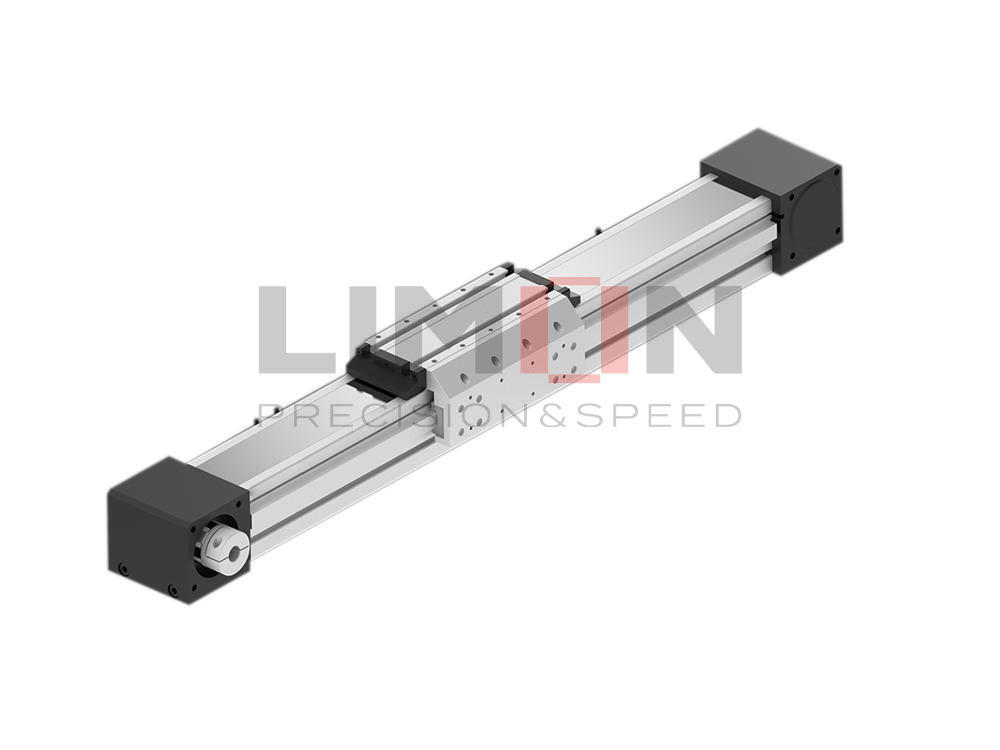
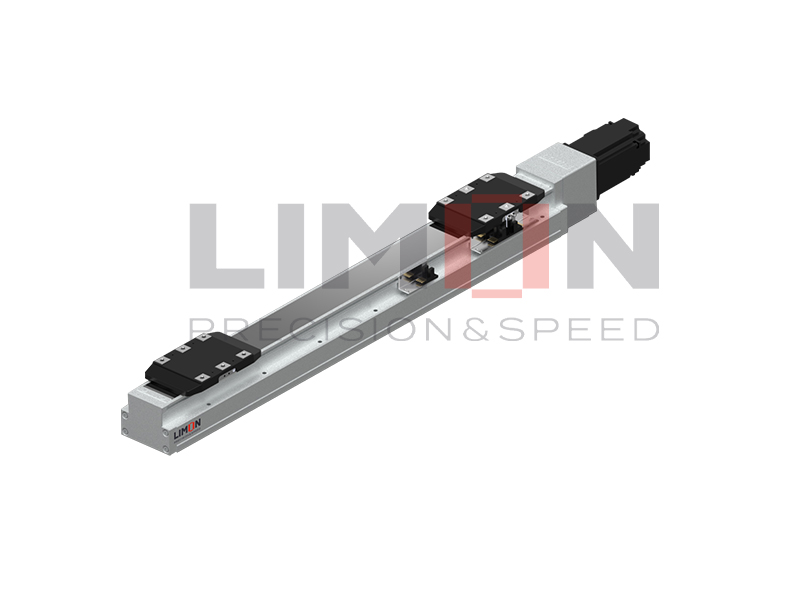
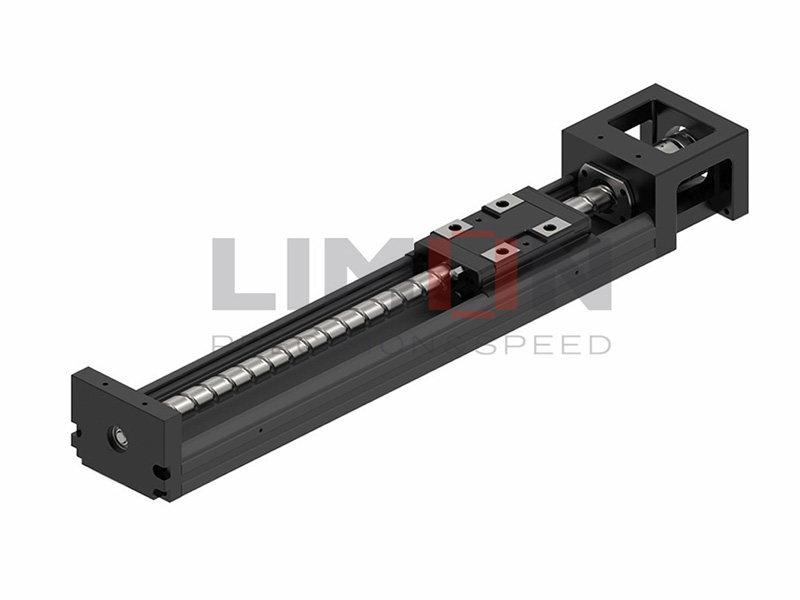
A linear actuator is a self-contained device that produces direct linear motion. It typically integrates:
- A motor (stepper, servo, or DC)
- A drive mechanism (ball screw or lead screw)
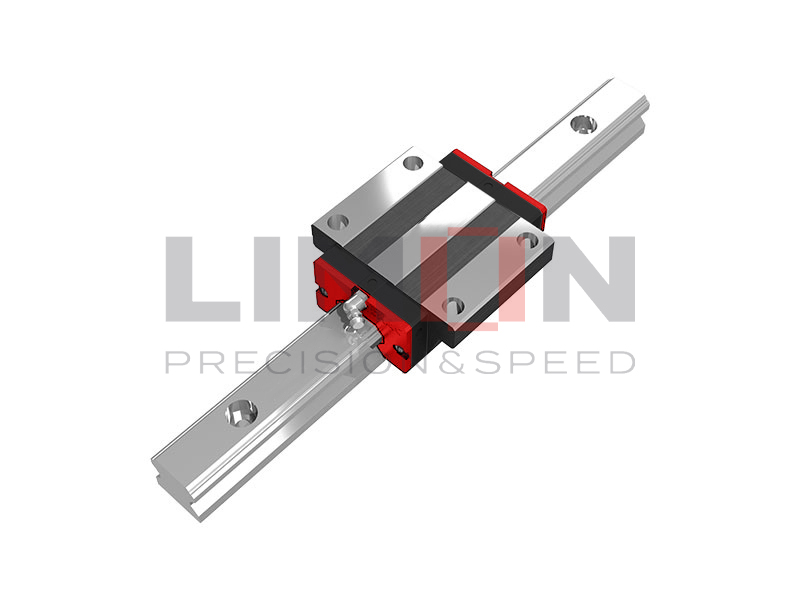
- Linear guidance
- Housing, bearings, and mounting interfaces
Instead of designing a linear system from multiple parts, engineers can use a single, optimized unit.
Key Advantages of Linear Actuators
- Compact, integrated design
- Easier installation and alignment
- High repeatability and accuracy
- Reduced engineering and assembly time
At Limon, our linear actuators are engineered using in-house ball screws and linear guides, ensuring consistent performance and industrial-grade reliability.
Linear Actuator vs Motor: Core Differences Explained
When comparing linear actuator vs motor, the biggest difference is not performance—it’s system architecture.
| Feature | Linear Actuator | Motor |
| Output Motion | Linear | Rotary |
| Integration Level | Fully integrated system | Requires external components |
| Installation | Simple, plug-and-play | Complex assembly |
| Accuracy | High, system-optimized | Depends on mechanical design |
| Maintenance | Lower | Higher |
| Footprint | Compact | Larger |
Linear Actuator vs Stepper Motor: A Common Comparison
One of the most searched questions in automation is linear actuator vs stepper motor—but this comparison often mixes system-level and component-level thinking.
Stepper Motor Overview
A stepper motor moves in discrete steps and is popular for:
- Cost-sensitive applications
- Moderate precision requirements
- Open-loop control systems
Linear Actuator with Stepper Motor
A linear actuator may contain a stepper motor, but it also includes:
- Precision screw drive
- Bearings and guidance
- Structural support
Key Differences
- A stepper motor alone cannot move a load linearly
- A linear actuator with a stepper motor delivers controlled, guided linear motion
This makes linear actuators ideal for:
- Automation modules
- Laboratory equipment
- Packaging and material handling systems
When a Motor-Based System Makes Sense
Despite their advantages, linear actuators aren’t always the best choice.
Choose a motor-based solution when:
- You need custom stroke lengths or extreme speeds
- Space is not a constraint
- The system already includes complex transmission elements
- The design team has strong mechanical integration expertise
In high-end CNC machines, for example, motors paired with external ball screws and rails may still be preferred for maximum customization.
When a Linear Actuator Is the Better Choice
A linear actuator is often the superior option when:
- Fast system integration is required
- Space and cleanliness matter
- Repeatability and reliability are critical
- Total system cost needs to be controlled
Industries increasingly choosing linear actuators include:
- Industrial automation
- Medical devices
- Semiconductor equipment
- Smart factories and robotics
Why Linear Actuators Are a Growing Trend in the U.S. Market
Across North America, manufacturers are under pressure to:
- Reduce design cycles
- Improve uptime
- Simplify maintenance
- Lower total cost of ownership
This is driving strong demand for modular, integrated linear actuators over traditional motor-driven assemblies.
As automation shifts toward plug-and-play motion solutions, the debate around linear actuator vs motor is becoming less about performance—and more about efficiency and scalability.
Why Choose Limon Linear Actuators and Motion Systems?
Limon is not just a supplier—we are a manufacturer with full production control.
Limon Advantages
- In-house ball screw and linear guide manufacturing
- Optimized actuator designs for industrial use
- Consistent quality and tight tolerances
- Direct-to-customer pricing
- Engineering support from concept to deployment
Whether you need a compact linear actuator, a motor-driven axis, or a fully customized motion solution, Limon delivers performance you can rely on.
Final Thoughts: Linear Actuator vs Motor — Think in Systems, Not Parts
The real decision isn’t simply linear actuator vs motor. It’s about choosing the right level of integration for your application.
If your goal is faster development, cleaner design, and reliable performance, a linear actuator may be the smarter choice. If maximum customization is required, a motor-based system may still be appropriate.