In the world of American manufacturing, precision isn’t a luxury—it’s a requirement. Whether you’re building CNC machines in Ohio, robotics systems in California, or medical automation equipment in Massachusetts, your motion platform determines your system’s long-term reliability.
At the heart of most precision machines lies a powerful combination:
Linear rail ball screw systems.
If you’re evaluating motion components for your next project, this guide will explain:
- What a linear rail ball screw system is
- Why engineers choose a linear rail and ball screw combination
- When to use a linear rail ball screw kit
- How integrated manufacturing improves performance and ROI
Let’s break it down.
What Is a Linear Rail Ball Screw System?
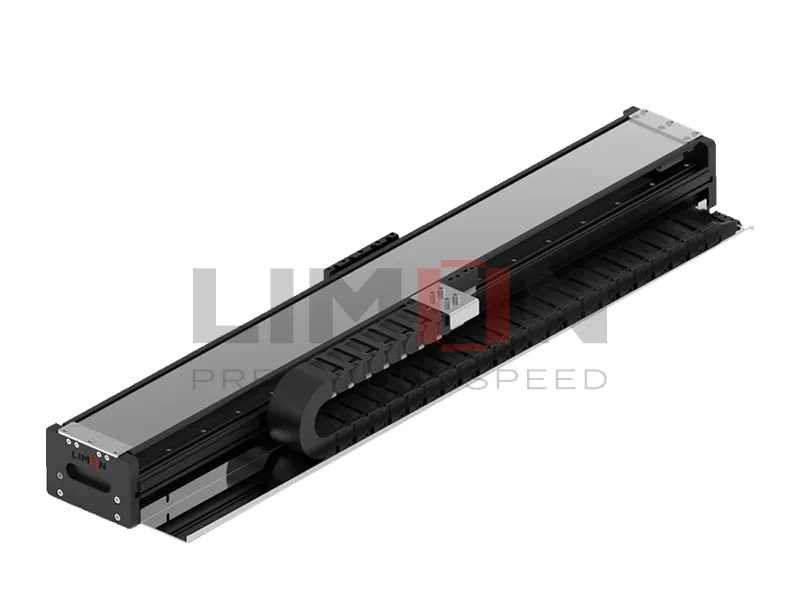
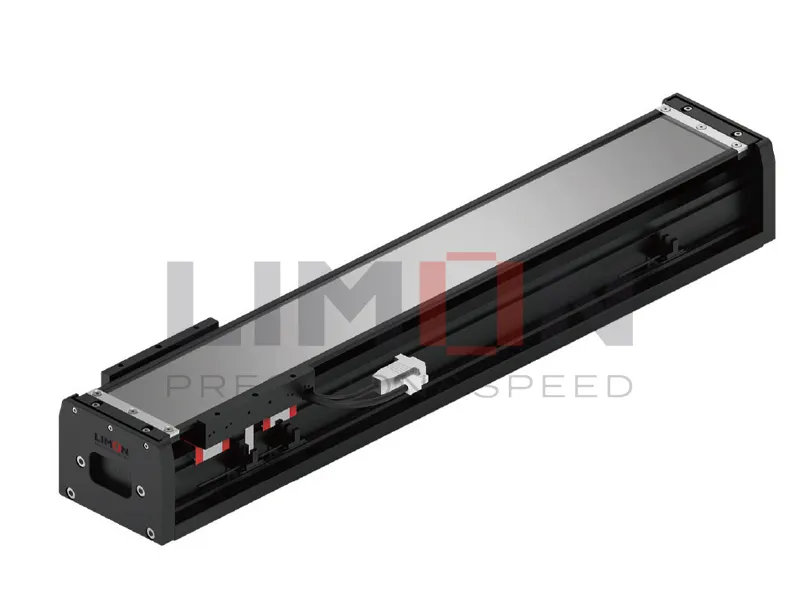
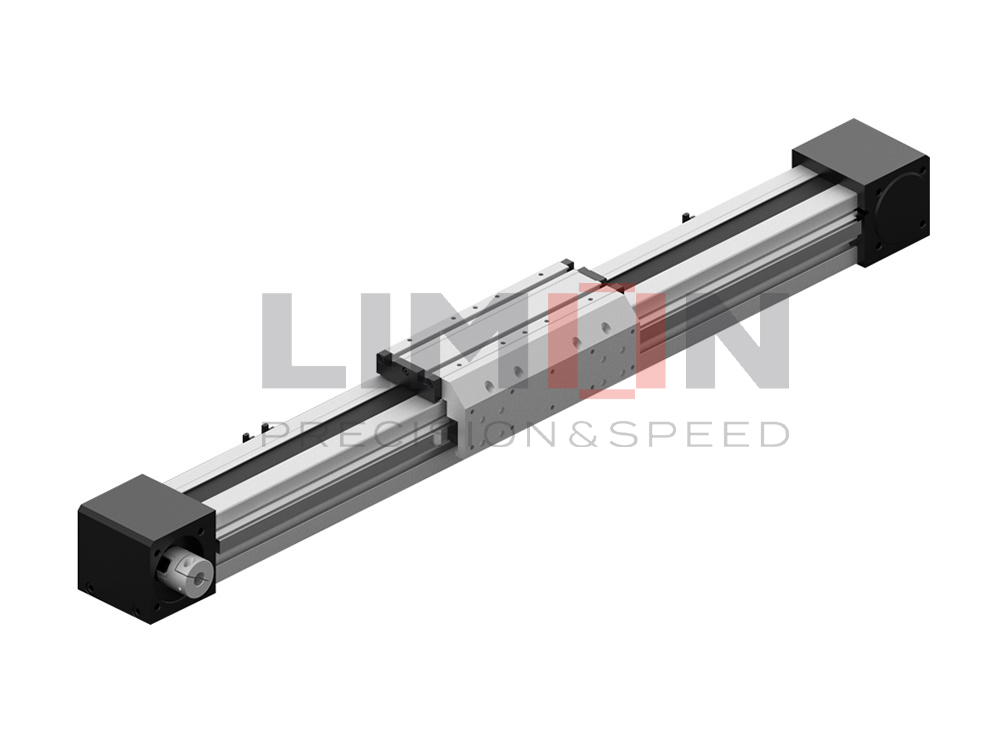
A linear rail ball screw system integrates two essential motion components:
- Linear Rails (Linear Guideways) – Provide smooth, precise linear guidance with minimal friction.
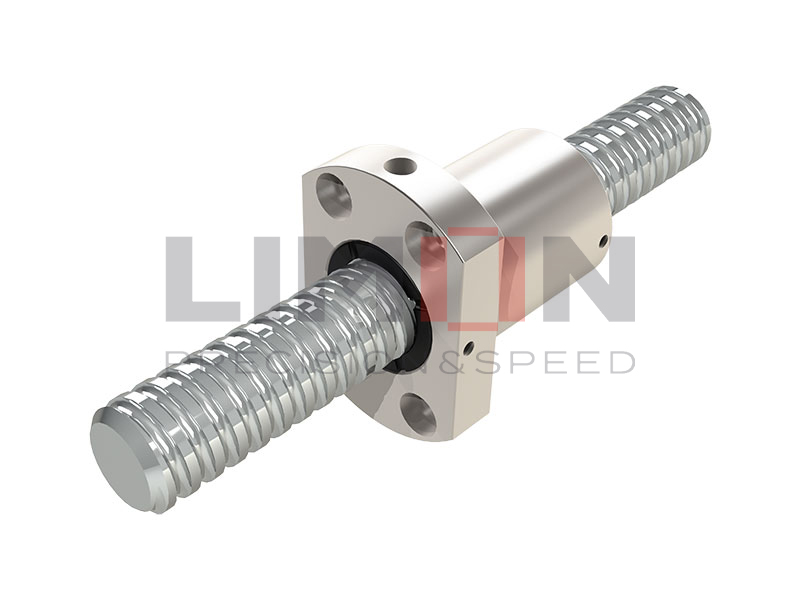
- Ball Screws – Convert rotary motion into accurate linear movement with high efficiency.
Together, a linear rail and ball screw assembly creates a complete linear motion platform capable of handling high loads, tight tolerances, and continuous duty cycles.
In simple terms:
- The linear rail controls direction and stability.
- The ball screw drives motion and positioning accuracy.
This combination is widely used in CNC machines, automation systems, robotics, and semiconductor manufacturing.
Why Engineers Choose Linear Rail and Ball Screw Systems
Across U.S. industries, engineers demand motion systems that deliver:
- Repeatability
- Durability
- Precision
- Energy efficiency
- Low maintenance
A properly designed linear rail ball screw system offers all five.
- High Precision and Repeatability
Ball screws can achieve positioning accuracy within microns when paired with precision-ground rails. This is critical in:
- CNC machining
- Laser cutting systems
- Semiconductor equipment
- Aerospace tooling
For manufacturers competing in high-tolerance industries, the difference between profit and scrap can be measured in microns.
- Superior Load Capacity
Linear rails distribute load evenly across rolling elements, while ball screws handle axial forces efficiently.
This makes a linear rail and ball screw system ideal for:
- Heavy gantry systems
- Industrial presses
- Automated material handling
- Vertical lifting platforms
When properly engineered, the system maintains rigidity under dynamic load.
- Energy Efficiency Compared to Hydraulic Systems
Electric-driven ball screw systems typically achieve 85–95% mechanical efficiency.
Compared to hydraulic setups, a linear rail ball screw configuration offers:
- Cleaner operation
- Lower energy consumption
- Easier automation integration
- Reduced maintenance costs
For U.S. manufacturers focused on lean operations, this translates directly into improved margins.
Linear Rail Ball Screw Kit: Why Integrated Solutions Matter
Many system integrators prefer purchasing a linear rail ball screw kit rather than sourcing components separately.
What Is a Linear Rail Ball Screw Kit?
A linear rail ball screw kit typically includes:
- Pre-machined ball screw
- Ball nut assembly
- Linear guide rails
- Bearing blocks or carriages
- Mounting brackets
- Couplings and supports
Instead of engineering compatibility from scratch, the kit provides pre-matched components designed to work together.
Benefits of Using a Linear Rail Ball Screw Kit
- Reduced Engineering Time
Compatibility issues between rails and screws can cause alignment problems, vibration, and premature wear.
A pre-configured linear rail ball screw kit eliminates guesswork.
- Improved System Alignment
Integrated manufacturing ensures:
- Matched tolerances
- Proper preload calibration
- Smoother motion
- Reduced backlash
- Faster Installation
For American machine builders operating on tight production schedules, installation time matters. A complete kit minimizes downtime and accelerates system assembly.
Where Linear Rail Ball Screw Systems Are Used
Let’s look at real-world linear rail ball screw applications across major U.S. industries.
CNC Machinery & Metal Fabrication
In machine shops across Texas and Michigan, CNC mills rely on linear rail and ball screw systems for:
- X-Y-Z axis movement
- Tool positioning
- High-speed cutting accuracy
Precision-ground ball screws paired with heavy-duty linear rails provide the rigidity required for tight tolerances.
Automation & Robotics
Modern production lines demand repeatable motion.
Applications include:
- Pick-and-place robots
- Assembly automation
- Packaging systems
- Inspection platforms
The smooth travel and consistent positioning of a linear rail ball screw platform ensures stable robotic performance.
Medical Equipment
Medical devices require quiet, precise movement.
Common uses include:
- Imaging equipment positioning
- Surgical table adjustment
- Lab automation systems
In these environments, smooth travel and long service life are non-negotiable.
Semiconductor & Electronics Manufacturing
Semiconductor equipment demands ultra-high precision.
A well-engineered linear rail and ball screw system provides:
- Micron-level positioning
- Thermal stability
- Long-term accuracy
This sector continues to drive innovation in high-precision motion components.
Engineering Considerations When Selecting a Linear Rail Ball Screw
Selecting the right configuration requires careful analysis.
- Load Requirements
- Static load capacity
- Dynamic load rating
- Shock loading
Improper sizing shortens service life.
- Accuracy Grade
Ball screws are available in different accuracy classes (C0–C10). Higher precision is required for:
- CNC
- Aerospace
- Medical applications
- Rail Type
Options include:
- Standard profile rails
- Miniature rails
- Heavy-load square rails
The rail selection directly impacts system rigidity.
- Environmental Conditions
Consider:
- Dust exposure
- Coolant presence
- Temperature variations
- Corrosion risks
Protective coatings and sealing systems extend lifespan.
Why Integrated Manufacturing Makes a Difference
Not all motion systems perform equally.
A vertically integrated manufacturer offers advantages such as:
- In-house screw grinding
- Precision rail machining
- Controlled heat treatment
- Strict quality inspection
This level of manufacturing control ensures every linear rail ball screw assembly meets consistent performance standards.
For American buyers, supply chain reliability and quality stability are just as important as technical specs.
Future Trends in Linear Rail and Ball Screw Systems
As Industry 4.0 reshapes manufacturing, we’re seeing clear trends:
- Higher Speed, Higher Acceleration
Automation systems are demanding faster throughput without sacrificing precision.
- Smart Monitoring Integration
Sensor-enabled systems allow predictive maintenance and real-time diagnostics.
- Compact, Modular Motion Platforms
Customers increasingly prefer modular linear rail ball screw kit solutions that integrate seamlessly into machine frames.
- Increased Customization
OEMs want tailored stroke lengths, mounting interfaces, and load ratings.
How to Maximize ROI with the Right Linear Rail Ball Screw System
To ensure long-term performance:
- Choose matched components
- Ensure proper alignment during installation
- Use appropriate lubrication
- Conduct scheduled maintenance
- Partner with a manufacturer that controls quality end-to-end
The wrong motion system costs more in downtime than it saves upfront.
Final Thoughts: Building Reliable Motion Starts Here
A linear rail ball screw system isn’t just a component—it’s the backbone of your automation platform.
Whether you’re designing:
- CNC machinery
- Robotics systems
- Medical equipment
- Industrial automation lines
The right linear rail and ball screw combination determines accuracy, stability, and system lifespan.
For engineers and machine builders across the United States, investing in high-quality motion components is an investment in performance, reliability, and competitive advantage.