From automotive assembly lines in Michigan to high-speed fulfillment centers in Texas, linear actuators are driving the motion behind modern American industry. Yet one of the most common questions engineers and procurement teams ask is simple:
How does a linear actuator work?
If you’ve searched “how does linear actuator work”, “how linear actuators work”, or “how do linear actuators work”, you’re likely evaluating motion solutions for an automation project. In this comprehensive guide, we’ll break down the working principles, core components, real-world industrial applications, and emerging trends shaping the future of linear motion systems.
How Does a Linear Actuator Work?
At its core, the answer to how does a linear actuator work is straightforward:
A linear actuator converts rotational motion from a motor into straight-line (linear) motion.
Instead of spinning like a traditional motor shaft, a linear actuator pushes or pulls a load along a straight path.
This conversion typically happens through one of several drive mechanisms:
- Ball screw
- Lead screw
- Belt drive
- Rack and pinion
Each system transforms rotary motion into controlled linear displacement — but the internal mechanics vary depending on design and application.
The Core Components: How Linear Actuators Work Internally
To fully understand how linear actuators work, it’s important to examine the primary components inside an industrial-grade electric actuator.
- Motor
Most industrial actuators use:
- Servo motors (high precision, closed-loop control)
- Stepper motors (cost-effective positioning control)
The motor generates rotational energy.
- Drive Mechanism
This is where rotation becomes linear movement.
Ball Screw Mechanism
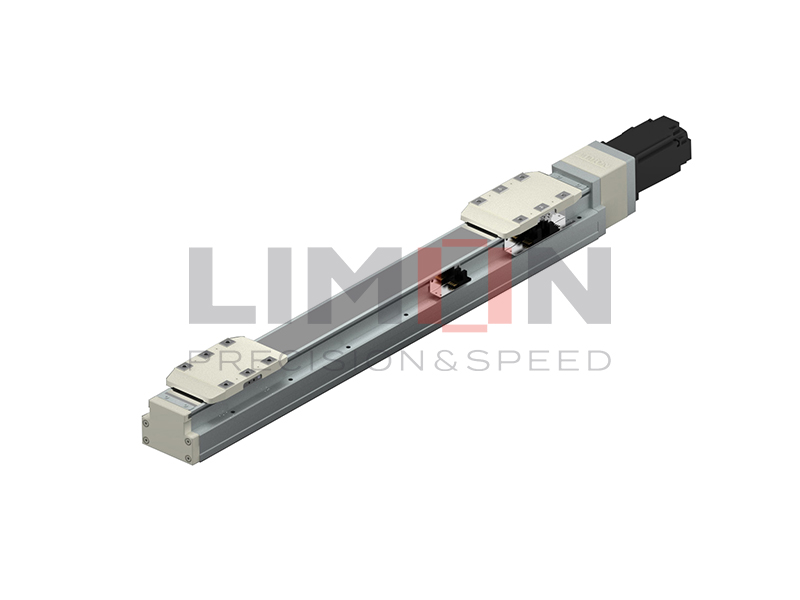
A rotating screw shaft drives a ball nut that travels along the screw using recirculating ball bearings. This design offers:
- High efficiency
- Low friction
- High precision
- Long service life
Ball screw systems are widely used in U.S. CNC machining centers and robotics applications.
Lead Screw Mechanism
Similar to ball screws but using sliding friction instead of rolling balls. More economical but slightly lower efficiency.
Belt-Driven System
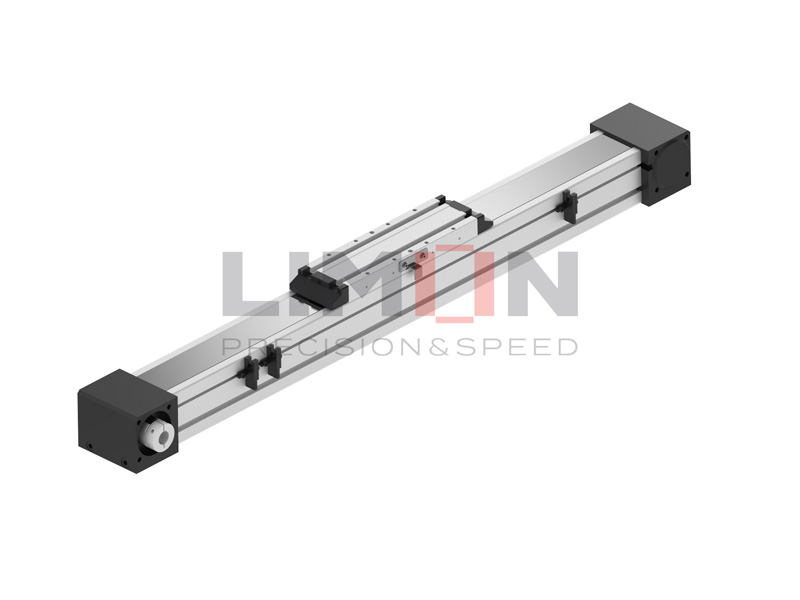
A motor rotates a pulley, moving a reinforced belt along a linear path. Ideal for high-speed, long-stroke applications like packaging lines.
- Linear Guide System
Industrial actuators often integrate:
- Linear guide rails
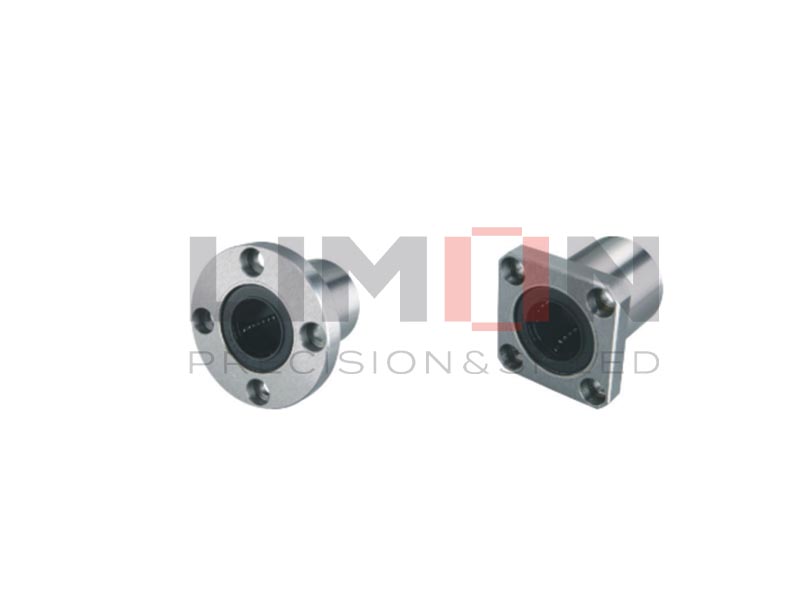
- Linear guide rods
These provide lateral stability and prevent side loading — critical for maintaining alignment and durability.
- Housing and Structure
High-quality actuators use rigid aluminum or steel housings to maintain:
- Structural integrity
- Parallelism
- Vibration resistance
Manufacturing precision at this stage directly affects overall performance.
Step-by-Step Motion Process: How Do Linear Actuators Work?
Here’s a simplified breakdown of how do linear actuators work in an industrial setting:
- Electrical power activates the motor
- The motor rotates the drive shaft
- The screw or belt system converts rotation into linear motion
- The carriage or rod moves forward or backward
- Sensors or encoders provide positional feedback
- The controller adjusts motion for precision and repeatability
This process happens in milliseconds in high-speed automation systems.
Types of Linear Actuators and How They Work
Understanding how linear actuators work also means recognizing the different categories.
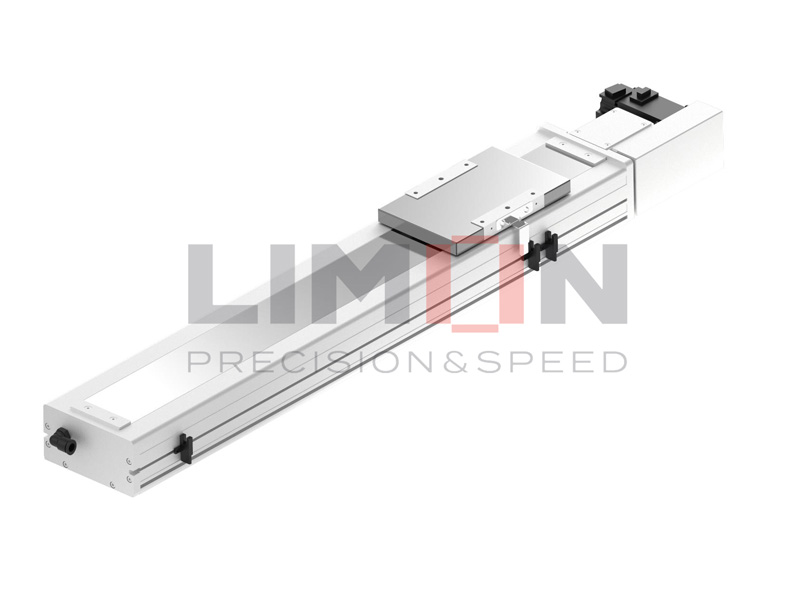
Electric Linear Actuators
Most common in modern automation. Clean, energy-efficient, and precise.
Hydraulic Linear Actuators
Use fluid pressure to generate movement. Very high force capacity but require more maintenance.
Pneumatic Linear Actuators
Use compressed air. Simple design but limited precision.
Across American manufacturing industries, electric linear actuators are increasingly preferred due to lower maintenance and improved efficiency.
Why Efficiency Matters in Modern Automation
When discussing how does a linear actuator work, efficiency plays a major role.
Ball screw actuators can achieve efficiency rates above 90%, meaning:
- Less energy loss
- Lower motor strain
- Reduced operating costs
- Longer lifespan
In high-volume U.S. manufacturing facilities, improved efficiency translates directly into cost savings.
Real-World Industrial Applications
Linear actuators power countless industrial systems, including:
CNC Machining
Precise positioning of cutting tools.
Robotics
Controlling articulated arms and automated handling systems.
Packaging Automation
High-speed repetitive motion.
Medical Equipment
Quiet and precise adjustment mechanisms.
Warehouse Automation
Lift systems and automated storage retrieval systems.
Each application demonstrates how critical it is to understand how linear actuators work before selecting the right solution.
Key Performance Factors to Consider
When evaluating actuator performance, consider:
Load Capacity
Dynamic and static load ratings.
Speed
Maximum travel speed required.
Accuracy
Positioning precision and repeatability.
Duty Cycle
Continuous or intermittent operation.
Environmental Conditions
Dust, moisture, temperature variations.
Understanding these factors ensures proper application of the working principles.
Common Misconceptions About How Linear Actuators Work
Even experienced engineers sometimes misunderstand certain aspects.
Actuators Can Handle Side Load
They are designed for axial load — side load requires guide rails.
Bigger Is Always Better
Oversizing increases cost and energy consumption unnecessarily.
All Ball Screws Are Equal
Manufacturing precision greatly impacts performance.
Understanding how does linear actuator work includes recognizing these limitations.
Future Trends: The Evolution of Linear Actuator Technology
The next generation of automation is reshaping how linear actuators operate.
Smart Actuators
Integrated sensors provide real-time monitoring and predictive maintenance.
Compact Modular Systems
Pre-assembled actuator and guide combinations reduce installation errors.
Increased Precision
Growing demand from semiconductor and aerospace industries.
Energy Optimization
Improved motor control algorithms reduce power consumption.
Manufacturers with vertically integrated production capabilities are better equipped to support these innovations.
Why Manufacturing Quality Determines Performance
When exploring how linear actuators work, manufacturing precision cannot be overlooked.
Critical quality factors include:
- Precision grinding of ball screws
- Accurate heat treatment
- Surface finishing quality
- Dimensional tolerance control
- Comprehensive inspection systems
Inconsistent production leads to backlash, vibration, and premature wear.
A fully integrated production line ensures consistent quality from raw material to final assembly.
Why Choose Limon for Linear Actuators?
At Limon, we manufacture high-performance linear motion components including:
- Linear actuators
- Ball screws
- Linear guide rails
- Linear guide rods
- Linear bearings
Our vertically integrated manufacturing system allows us to control:
- Material sourcing
- Precision machining
- Surface treatment
- Assembly standards
- Quality inspection
We provide industrial-grade solutions engineered for:
- CNC systems
- Robotics
- Packaging automation
- Industrial machinery
- Smart manufacturing environments
Whether you’re upgrading a production line in Illinois or building a new automation system in California, our team delivers reliable and scalable motion solutions.
Final Thoughts: Precision Motion Starts with Understanding
So, how does a linear actuator work?
It converts rotary motion into controlled linear movement using precision drive mechanisms, supported by rigid structural design and intelligent control systems.
Understanding how linear actuators work empowers engineers to design smarter, more reliable automation systems.
As American manufacturing continues advancing toward Industry 4.0, selecting the right actuator — backed by high-quality manufacturing — will remain a competitive advantage.
Ready to Power Your Next Automation Project?
Explore Limon’s complete range of industrial linear actuators and integrated linear motion systems today. Contact our engineering team for expert consultation and customized support.
Because in modern automation, precision motion isn’t optional — it’s essential.