Are traditional drive systems limiting your machine’s speed, accuracy, and productivity? A linear motor may be the upgrade your automation needs.
A linear motor generates direct linear motion without mechanical transmission components, delivering higher speed, greater precision, lower maintenance, and smoother operation than conventional drive systems. It is widely used in robotics, semiconductor manufacturing, CNC equipment, and advanced industrial automation.
Discover how linear motors work, their advantages, applications, and how to choose the right solution.
What Is a Linear Motor and How Does It Work?
A linear motor is essentially a rotary electric motor that has been “unrolled” into a straight line, allowing it to generate direct linear motion without requiring gears, belts, or lead screws. Because there are fewer mechanical transmission components, linear motors minimize friction, backlash, and wear, making them an excellent choice for applications demanding exceptional positioning accuracy and dynamic performance.
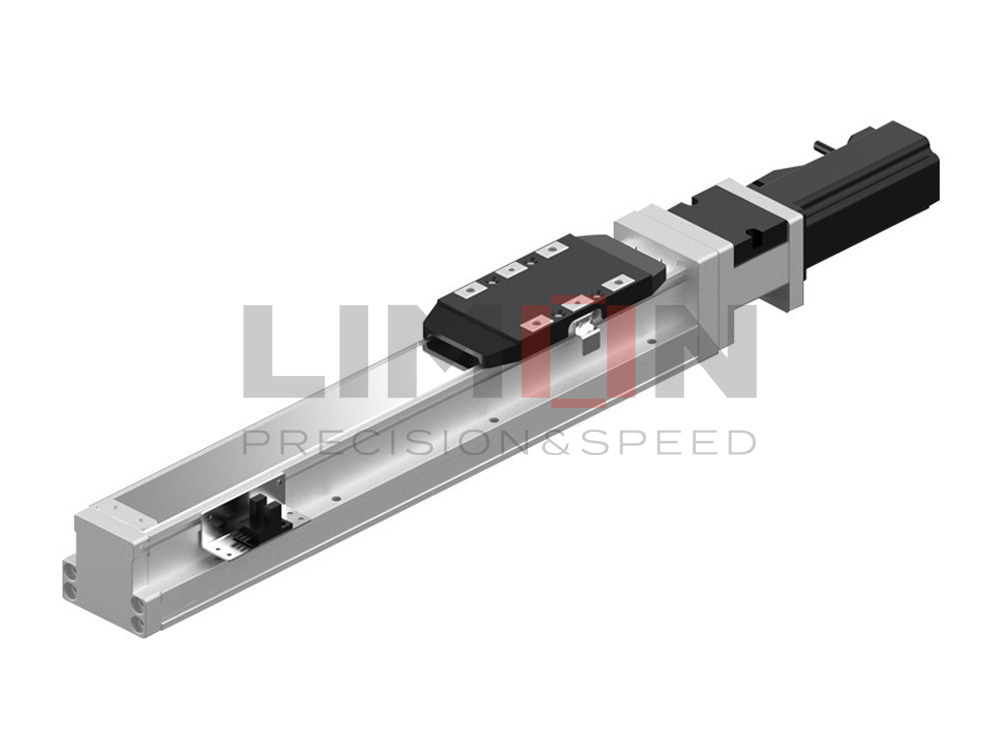
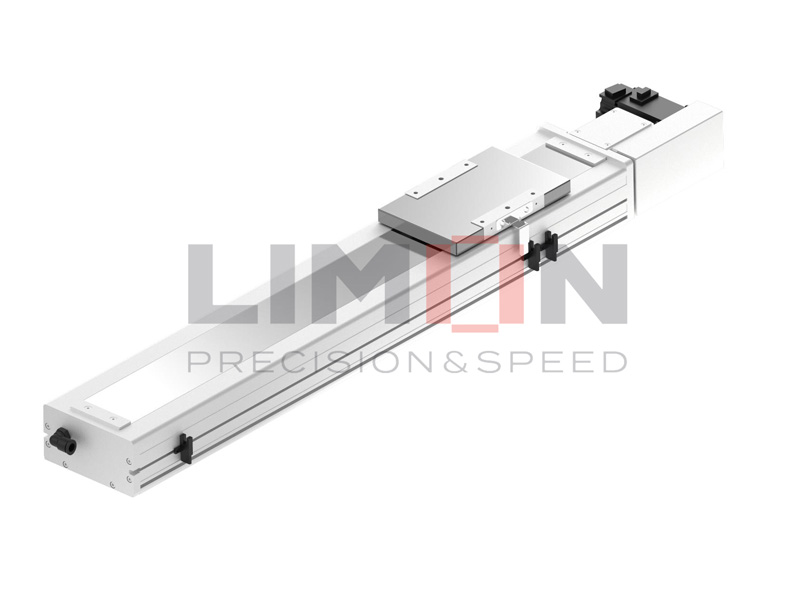
Unlike traditional linear actuator motors, which convert rotary motion into linear movement through ball screws or belts, a linear motor directly produces thrust along the travel axis. This direct-drive principle enables faster acceleration, smoother motion, and improved repeatability.
One popular design is the ironless linear motor, which features a lightweight moving coil positioned between permanent magnet tracks. Without an iron core, cogging forces are virtually eliminated, resulting in extremely smooth motion, low vibration, and outstanding positioning accuracy.
At Limon, we combine precision manufacturing with complete in-house production capabilities to provide reliable linear motion solutions. Our integrated production line ensures strict quality control, consistent performance, and dependable engineering support for customers worldwide.
Why Choose a Linear Motor Instead of Traditional Linear Actuator Motors?
Both linear motors and linear actuator motors serve the same purpose—creating linear motion—but they excel in different applications.
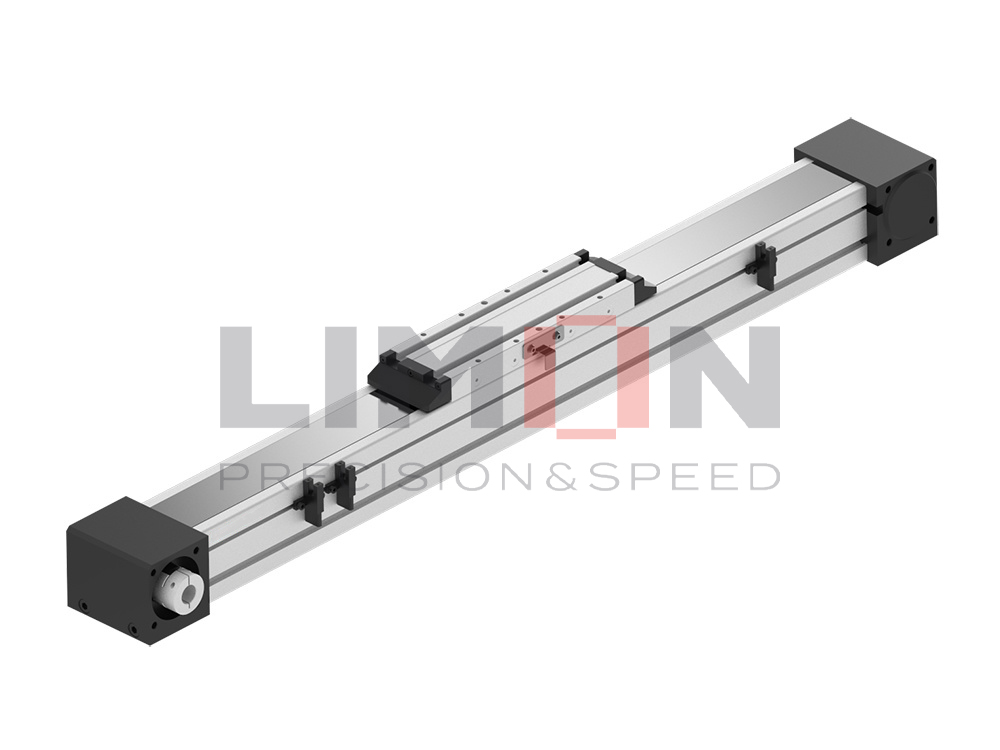
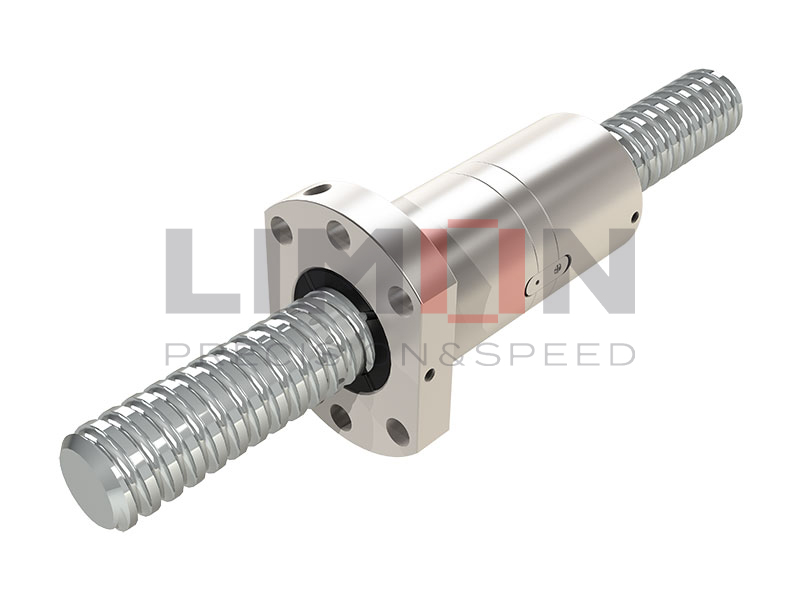
Traditional actuator systems use ball screws, lead screws, or timing belts to convert rotary motion into linear travel. These designs are highly reliable, cost-effective, and capable of carrying heavy loads over long distances.
Linear motors eliminate mechanical transmission entirely, allowing much higher acceleration, greater positioning accuracy, and significantly lower maintenance because there are fewer wearing components.
For ultra-fast automation, semiconductor manufacturing, electronics assembly, and precision inspection equipment, direct-drive technology often provides superior performance. Meanwhile, linear actuator motors remain an excellent solution for applications requiring long strokes, high thrust, or lower initial investment.
Limon offers both linear motor-compatible motion components and precision actuator systems, enabling customers to select the most suitable solution based on speed, accuracy, operating environment, and budget rather than using a one-size-fits-all approach.
What Is an Ironless Linear Motor and When Should You Use One?
An ironless linear motor is specifically designed for applications requiring exceptional smoothness and precision. Instead of using an iron-core stator, the moving coil operates between permanent magnets, eliminating magnetic attraction and cogging effects.
This design offers several advantages:
- Ultra-smooth motion
- High acceleration
- Excellent positioning repeatability
- Minimal vibration
- Reduced mechanical noise
- Lower heat generation
These benefits make ironless linear motor technology ideal for semiconductor manufacturing, laser cutting, medical equipment, precision measuring systems, optical inspection, and laboratory automation.
However, ironless designs typically generate lower continuous thrust than iron-core alternatives, making them better suited for lightweight, high-speed applications rather than extremely heavy industrial loads.
Limon helps customers evaluate operating conditions, payload requirements, and precision targets to determine whether an ironless solution or a conventional actuator system is the better long-term investment.
Where Are Linear Motors Used?
Modern manufacturing increasingly depends on linear motors for applications where speed and precision directly influence productivity.
Robotics uses linear motors for pick-and-place systems, collaborative robots, and automated assembly lines.
Semiconductor manufacturers rely on them for wafer positioning, chip inspection, and lithography equipment that demand micron-level accuracy.
Medical devices incorporate linear motors for diagnostic systems, laboratory automation, and imaging equipment requiring smooth, vibration-free movement.
Packaging and electronics industries benefit from high-speed positioning that shortens production cycles while maintaining consistent quality.
Although many factories continue using linear actuator motors for general automation, linear motors are becoming the preferred solution whenever higher acceleration, better repeatability, and lower maintenance are critical to production efficiency.
Thanks to Limon’s integrated manufacturing capabilities, customers receive high-quality linear motion components with consistent quality, fast delivery, and professional technical assistance.
Why Choose Limon for Linear Motion Solutions?
Choosing the right supplier is just as important as choosing the right technology.
Limon specializes in linear guide rails, ball screws, linear bearings, linear actuators, and complete linear motion solutions for industrial automation.
Our fully integrated manufacturing process allows us to control machining, assembly, inspection, and testing under one roof. This ensures stable product quality, tighter manufacturing tolerances, and shorter lead times.
By selling directly through our independent website, we reduce unnecessary distribution costs while providing responsive engineering support and customized solutions for global customers.
Whether your project requires precision linear actuator motors, advanced ironless linear motor technology, or a complete motion system, Limon delivers reliable, high-performance solutions designed for long-term industrial operation.
Conclusion
A linear motor offers exceptional speed, precision, and reliability for today’s automated manufacturing environments. While linear actuator motors remain ideal for many heavy-duty and cost-sensitive applications, direct-drive linear motors provide unmatched performance for high-speed, high-precision motion control.
At Limon, we combine fully integrated manufacturing, strict quality control, and professional engineering expertise to deliver reliable, high-performance linear motion solutions. Whether you need linear motors, linear actuators, ball screws, or complete motion systems, Limon is your trusted partner for industrial automation.