Is your machine suffering from vibration, inconsistent positioning, or premature wear because the linear guide is poorly selected?
A linear guide provides controlled, low-friction linear movement while supporting and guiding a moving load. A properly selected system improves positioning accuracy, rigidity, smoothness, and service life, making linear guides essential for CNC machines, automation, robotics, and precision industrial equipment.
Let’s examine how linear guides work, how to select them, and what makes a reliable system.
What Is a Linear Guide and How Does It Work?
A linear guide is a mechanical system designed to guide a moving component along a straight path while carrying external loads. Unlike a simple sliding surface, a rolling-element linear guide uses balls or rollers between a guide rail and carriage to reduce friction and maintain controlled movement.
A typical system includes a precision rail and one or more guide blocks. The rail provides the fixed reference path, while the carriage moves along the rail and supports the machine load. Internal rolling elements circulate continuously, allowing the carriage to travel with relatively low friction.
This structure makes linear guides suitable for applications where smooth motion, repeatability, rigidity, and positioning accuracy are important. Common examples include CNC machines, automated production lines, semiconductor equipment, packaging machinery, robotics, inspection systems, and linear actuator assemblies.
The performance of a guide depends on more than its nominal dimensions. Rail straightness, carriage design, preload, load distribution, mounting accuracy, lubrication, and operating conditions all influence the final result.
Limon manufactures linear motion components through a fully integrated production line. This manufacturing approach helps maintain consistency across critical processes while allowing customers to purchase directly from the manufacturer and receive technical support for application-specific requirements.
Why Is Linear Guide Rail Design Important?
Good linear guide rail design is essential because the guide is responsible for both movement and load support. A poorly designed system can create excessive friction, vibration, deflection, or premature wear even when the individual components appear to meet the required specifications.
Several factors should be considered during design.
First, the expected load must be calculated. Static and dynamic loads can affect the required rail size, carriage quantity, and mounting configuration. Second, the distance between rails and carriages matters because it influences moment resistance and overall rigidity. Third, acceleration and deceleration should be considered because rapidly moving equipment can generate forces significantly higher than its stationary load.
Preload is another important design parameter. A suitable preload can improve rigidity and reduce unwanted clearance, but excessive preload may increase friction and reduce efficiency.
Mounting accuracy is equally important. The rail mounting surface should provide sufficient flatness and rigidity, while the rails must be correctly aligned during installation.
Limon’s integrated manufacturing capabilities allow the company to focus on consistency across linear motion components. For customers developing OEM equipment or customized machinery, Limon can provide direct technical support to help match the guide system with the application’s load, speed, accuracy, and installation requirements.
What Types of Linear Guides Are Available?
Different applications require different guide structures. The most common configurations include ball-type and roller-type linear guides.
Ball linear guides use circulating steel balls between the rail and carriage. They offer smooth movement, relatively low friction, and good positioning performance. They are widely used in automation equipment, CNC machines, 3D printers, and general industrial machinery.
Roller linear guides use rollers rather than balls. Because the rollers provide a larger contact area, these systems can offer higher rigidity and load capacity. They are often considered for heavy-duty machinery and applications where resistance to external forces is particularly important.
The number and arrangement of carriages can also change system performance. A longer carriage or multiple blocks may provide better load distribution and moment resistance.
Choosing a guide should therefore be based on the actual application rather than simply selecting the largest available model. Load, speed, acceleration, accuracy, stroke, installation space, and environmental conditions should all be evaluated.
As experienced linear guide manufacturers, Limon focuses on providing components suitable for different industrial motion requirements. Its direct-sales model also enables customers to communicate with the manufacturer when they need help determining the appropriate configuration.
How Do You Choose the Right Linear Guide?
Selecting a linear guide begins with understanding the machine’s operating conditions.
Load capacity: Calculate the actual load acting on the carriage, including external forces and moments. Consider both static and dynamic conditions.
Travel speed: High-speed applications require a guide system capable of handling the required velocity without excessive heat, vibration, or noise.
Accuracy: Determine whether the machine requires standard positioning or higher precision. Precision applications may require tighter manufacturing tolerances, suitable preload, and careful installation.
Rigidity: Machines exposed to cutting forces or heavy loads may require a more rigid guide configuration, potentially using larger rails or roller-based designs.
Stroke: The required travel length determines rail configuration and mounting requirements.
Environment: Dust, moisture, temperature, and contaminants can affect lubrication and service life. Protective measures may be necessary for harsh industrial environments.
Installation space: Compact equipment may require smaller guide dimensions, while larger machinery may prioritize load capacity and rigidity.
The key is to consider these parameters together. A guide with excellent accuracy but insufficient load capacity will not provide a reliable system.
Limon’s technical support helps customers evaluate these factors before purchasing. Combined with its integrated production line and direct manufacturer sales, this provides a more efficient way to source linear motion components for both standard and customized applications.
What Causes Linear Guide Performance Problems?
Many linear guide failures are not caused by the guide itself but by incorrect selection, installation, or operating conditions.
One common problem is misalignment. If rails are installed with excessive parallelism errors or mounting surfaces are uneven, the carriage may experience additional internal forces. This can increase running resistance and accelerate wear.
Contamination is another major concern. Dust, chips, moisture, and other particles can enter the rolling contact area and damage the raceways or rolling elements. Proper sealing, lubrication, and maintenance are therefore essential.
Incorrect preload can also affect performance. Too little preload may allow unwanted movement, while excessive preload can increase friction and heat.
Overloading should be avoided as well. External moments and unevenly distributed loads can create stress that is not obvious from the basic machine weight.
Finally, the guide should not be treated as an isolated component. The rail, carriage, mounting structure, drive mechanism, and motor all influence system performance.
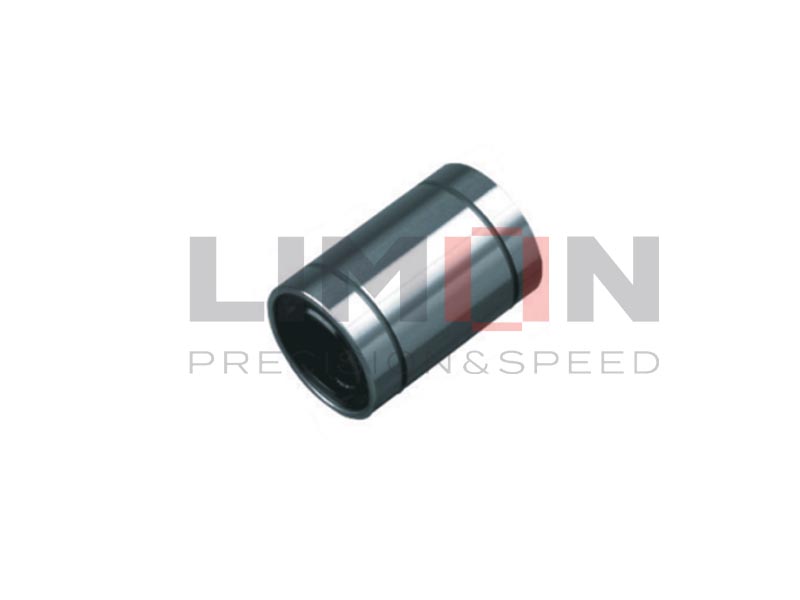
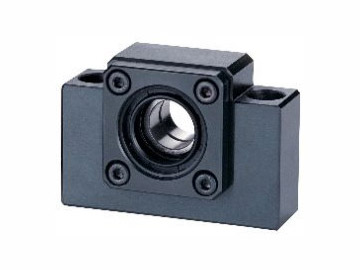
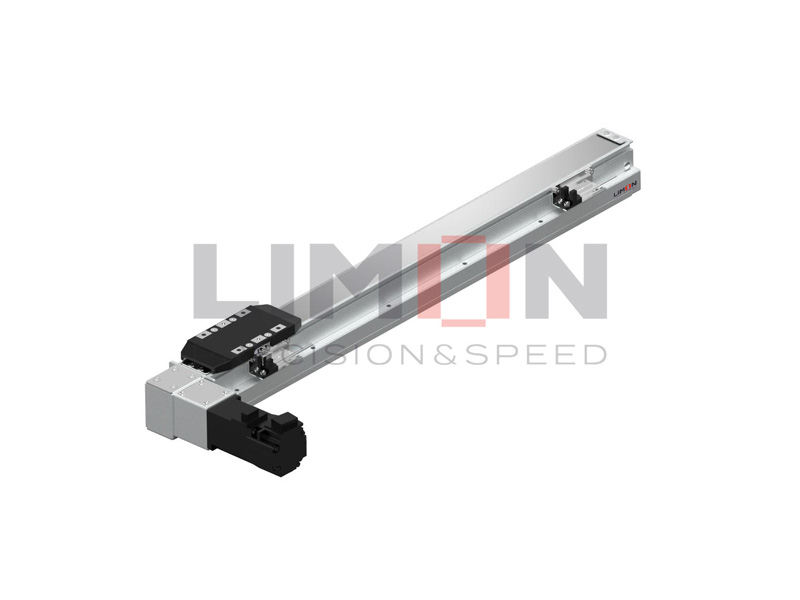
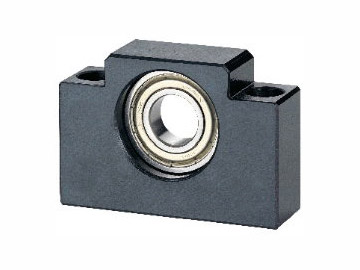
Limon approaches linear motion from a system perspective. Its product range includes linear guides, ball screws, linear bearings, and linear actuators, allowing customers to select compatible components rather than assembling unrelated parts from multiple sources.
Why Choose Limon for Linear Motion Solutions?
For industrial buyers, choosing a linear guide manufacturer is about more than comparing product dimensions and prices. Manufacturing consistency, technical support, customization capability, and long-term reliability can have a significant impact on the final machine.
Limon operates a fully integrated production line, giving the company greater control over key manufacturing processes and product consistency. This is particularly valuable for customers who require reliable components for continuous industrial operation.
Limon also sells directly through its independent website. By working directly with the manufacturer, customers can communicate their application requirements more efficiently and receive technical guidance without unnecessary intermediary communication.
Whether the application involves CNC equipment, automation, robotics, packaging machinery, or custom industrial equipment, the guide system should be selected around the actual mechanical requirements.
Limon combines integrated manufacturing, direct sales, high-quality linear motion components, and technical support to help customers develop dependable motion systems. Instead of simply supplying a rail and carriage, Limon focuses on providing practical solutions that support long-term machine performance.
Conclusion
A well-designed linear guide system provides the smooth movement, load capacity, rigidity, and positioning stability required by modern industrial equipment. The right selection depends on load, speed, accuracy, rigidity, stroke, environment, and installation conditions.
From linear guide rail design to component selection and system integration, Limon provides reliable, high-performance linear motion solutions backed by an integrated production line and direct technical support.
Limon — Reliable Linear Motion, Built for Industrial Performance.