Are traditional screw-driven systems limiting your machine’s speed, precision, and productivity while increasing maintenance costs?
A linear motor generates direct linear motion without screws or belts, delivering higher speed, greater positioning accuracy, and lower maintenance. Whether selecting an ironless linear motor, actuator linear motor, or linear motor actuator, the ideal solution depends on load, travel distance, environmental conditions, and application requirements.
Let’s explore how linear motors work, their types, applications, and selection strategies for industrial automation.
What Is a Linear Motor and Why Is It Changing Industrial Automation?
A linear motor is an advanced electromagnetic drive system that converts electrical energy directly into linear motion without requiring mechanical transmission components such as ball screws, lead screws, gears, or timing belts. Unlike conventional motion systems that first generate rotary motion before converting it into linear movement, a linear motor produces thrust directly along the travel path. This eliminates mechanical backlash, reduces friction, minimizes wear, and significantly improves positioning accuracy.
Because there are fewer moving mechanical parts, linear motors also reduce maintenance requirements and improve long-term reliability. Industries such as semiconductor manufacturing, electronics assembly, laser processing, medical equipment, and precision inspection increasingly rely on linear motors to achieve micron-level positioning accuracy and rapid acceleration.
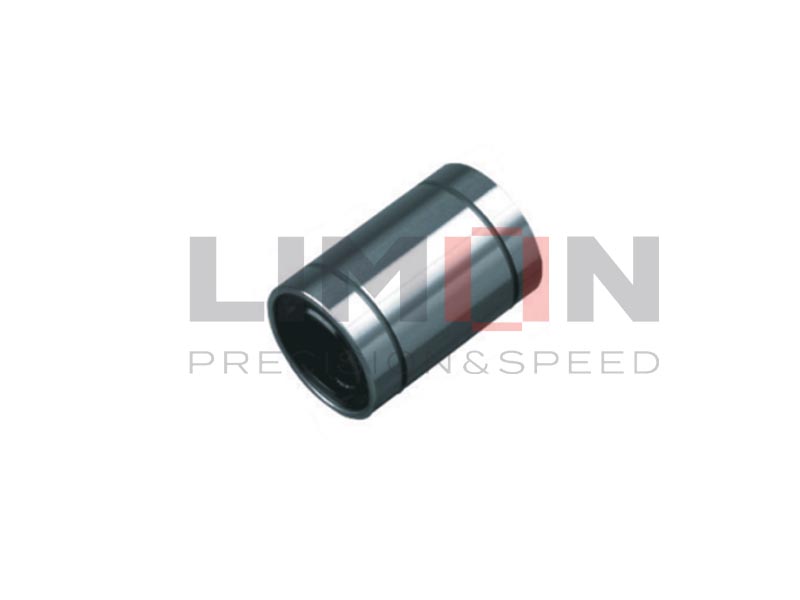
As a professional linear motion manufacturer, Limon combines fully integrated manufacturing with strict quality control to provide complete motion solutions, including linear guides, ball screws, linear bearings, actuators, and customized motion systems. Our in-house production enables better consistency, shorter lead times, and comprehensive technical support for customers worldwide.
What Is an Ironless Linear Motor and When Should You Choose One?
An ironless linear motor is designed without an iron core inside the moving coil. Instead, lightweight coils travel between permanent magnetic tracks, creating smooth electromagnetic force while eliminating cogging effects. This unique construction delivers exceptionally smooth motion, outstanding acceleration, and superior positioning precision.
Because there is virtually no magnetic attraction between the coil and magnet track, ironless motors generate minimal vibration and lower heat during operation. These characteristics make them ideal for semiconductor equipment, optical inspection systems, precision metrology, medical automation, and laboratory instruments where motion quality is more important than maximum thrust.
However, ironless motors typically provide lower continuous force than iron-core designs and usually require stronger structural support to resist external loads. Engineers should evaluate payload, acceleration requirements, installation environment, and operating cycles before selecting this solution.
At Limon, our engineering team helps customers compare ironless and conventional linear motor technologies based on actual application requirements rather than simply selecting the highest-performance option.
How Does an Actuator Linear Motor Improve Motion Efficiency?
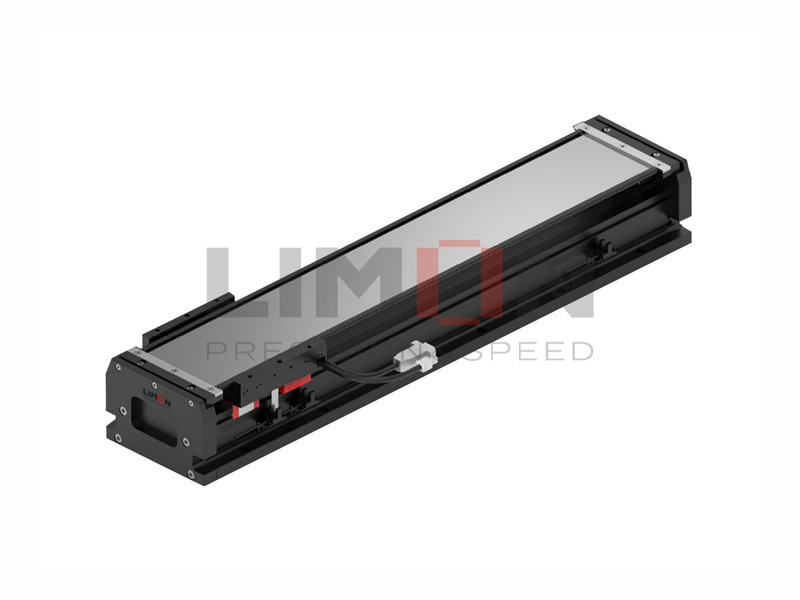
An actuator linear motor combines the advantages of traditional linear actuators with direct-drive motor technology. Instead of relying on screws, gears, or belts to transmit motion, electromagnetic force moves the load directly along the guide system. This design greatly reduces mechanical losses while improving dynamic response.
Compared with conventional actuators, actuator linear motors offer faster acceleration, smoother velocity control, and extremely accurate positioning. Since there are fewer wear components, maintenance intervals become significantly longer, reducing overall operating costs for manufacturers.
These systems are widely adopted in automated assembly equipment, robotic pick-and-place machines, high-speed packaging systems, electronic manufacturing, and precision positioning platforms. The simplified transmission structure also contributes to quieter operation and improved energy efficiency.
Limon manufactures high-quality linear motion components through a fully integrated production process, ensuring excellent compatibility between linear guides, bearings, actuators, and supporting mechanical structures. This integrated approach allows customers to achieve stable system performance while simplifying procurement and technical support.
What Is a Linear Motor Actuator and Where Is It Commonly Used?
A linear motor actuator integrates direct-drive motor technology with a complete motion platform, including guide rails, feedback systems, and structural components. Unlike standard actuators that rely on mechanical transmission mechanisms, linear motor actuators generate motion directly, allowing extremely high responsiveness and positioning accuracy.
Modern industries increasingly adopt linear motor actuators because they support higher production speeds without sacrificing precision. Applications include semiconductor wafer handling, CNC machine tools, automated inspection equipment, pharmaceutical manufacturing, battery production, and advanced robotics.
Another major advantage is scalability. Engineers can customize travel length, payload capacity, acceleration, encoder resolution, and cooling methods according to application requirements. This flexibility allows manufacturers to optimize productivity while reducing maintenance costs throughout the equipment lifecycle.
With complete in-house manufacturing capabilities, Limon delivers customized linear motion solutions that combine precision engineering, stable quality, and responsive technical support for customers across various industrial sectors.
Linear Motor vs Ball Screw: Which Technology Is Better?
Although linear motors continue gaining popularity, ball screw systems remain one of the most practical solutions for many industrial applications. Choosing between these technologies depends on operating requirements rather than assuming one is universally superior.
Linear motors excel in applications requiring extremely high speed, rapid acceleration, continuous operation, and micron-level positioning accuracy. Since there is no mechanical contact between drive components, they experience virtually no backlash or transmission wear. However, they typically involve higher initial investment and more sophisticated control systems.
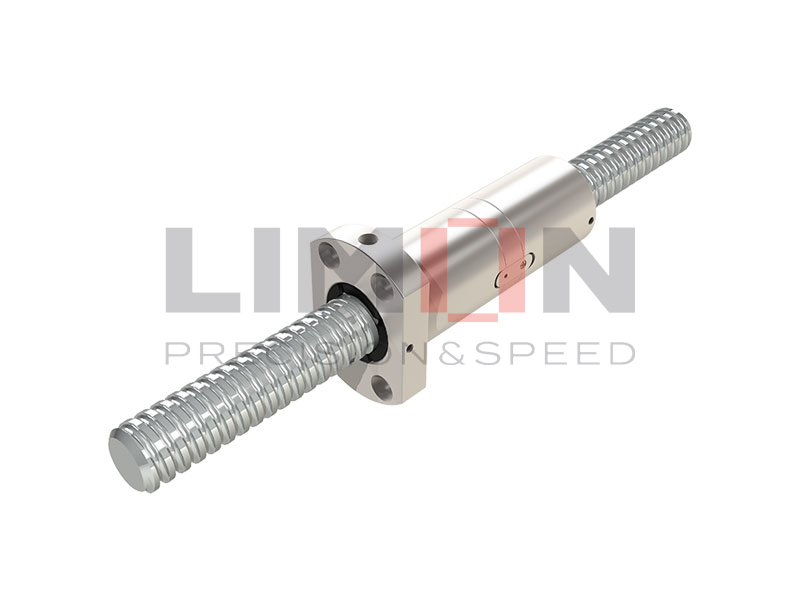
Ball screws, on the other hand, provide outstanding thrust, excellent rigidity, lower purchase costs, and easier maintenance. They remain ideal for heavy-load applications, machine tools, industrial automation, and general manufacturing equipment.
At Limon, we manufacture both ball screw systems and advanced linear motion products, enabling customers to compare technologies objectively. Our engineering experts help select the most cost-effective solution based on performance requirements, environmental conditions, maintenance expectations, and total lifecycle costs.
How to Select the Right Linear Motor for Your Application
Selecting the right linear motor requires balancing multiple engineering factors rather than focusing on a single specification. Key considerations include payload capacity, travel distance, positioning accuracy, acceleration, operating speed, duty cycle, installation space, and environmental conditions.
For ultra-precision applications, an ironless linear motor often provides the smoothest motion and highest positioning quality. If compact integration and dynamic response are priorities, an actuator linear motor may be the better choice. Applications requiring complete direct-drive positioning systems frequently benefit from a fully integrated linear motor actuator.
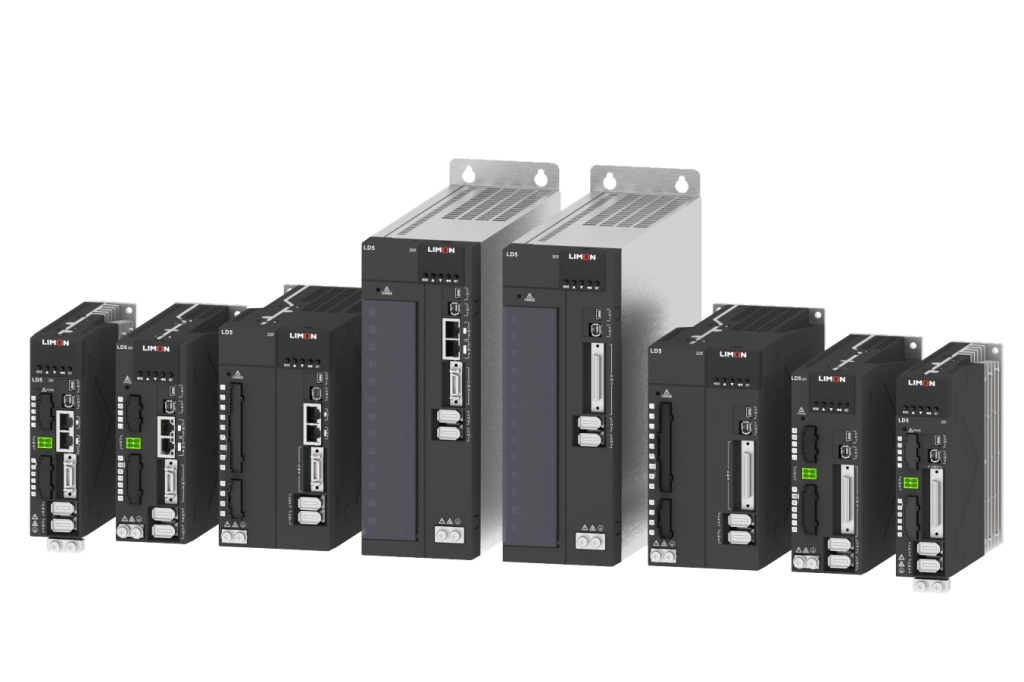
Engineers should also evaluate controller compatibility, encoder feedback resolution, thermal management, and structural stiffness. Proper system integration often determines overall performance more than the motor itself.
Limon supports customers throughout the entire project lifecycle—from product selection and engineering consultation to customized manufacturing and after-sales technical assistance. Our vertically integrated production system ensures every component meets strict quality standards while reducing lead times and improving supply chain reliability.
Conclusion
Linear motors are transforming industrial automation by delivering unmatched speed, precision, and long-term reliability. Whether your application requires an ironless linear motor for ultra-smooth motion, an actuator linear motor for dynamic automation, or a complete linear motor actuator for high-performance positioning, selecting the right technology is essential for maximizing productivity and minimizing maintenance.
With a fully integrated manufacturing facility, direct-to-customer business model, rigorous quality control, and experienced engineering support, Limon provides reliable, high-performance linear motion solutions tailored to modern industrial automation. From linear guides and ball screws to actuators and customized motion systems, Limon is committed to helping manufacturers achieve greater efficiency, precision, and long-term operational success.