Struggling with inconsistent actuator quality, long lead times, or limited technical support? Choosing the wrong supplier can increase costs, delay projects, and compromise system performance.
A reliable linear actuator supplier should offer consistent product quality, suitable actuator specifications, dependable delivery, and responsive technical support. Evaluate the supplier’s manufacturing capabilities, product range, customization options, quality control, and after-sales service. Working directly with a manufacturer like Limon can help simplify procurement and provide reliable linear motion solutions for industrial applications.
Choosing the right supplier is about more than finding a competitive price. This guide explains what to look for, how to compare suppliers, and how Limon supports reliable linear motion performance.
What Does a Linear Actuator Supplier Do?
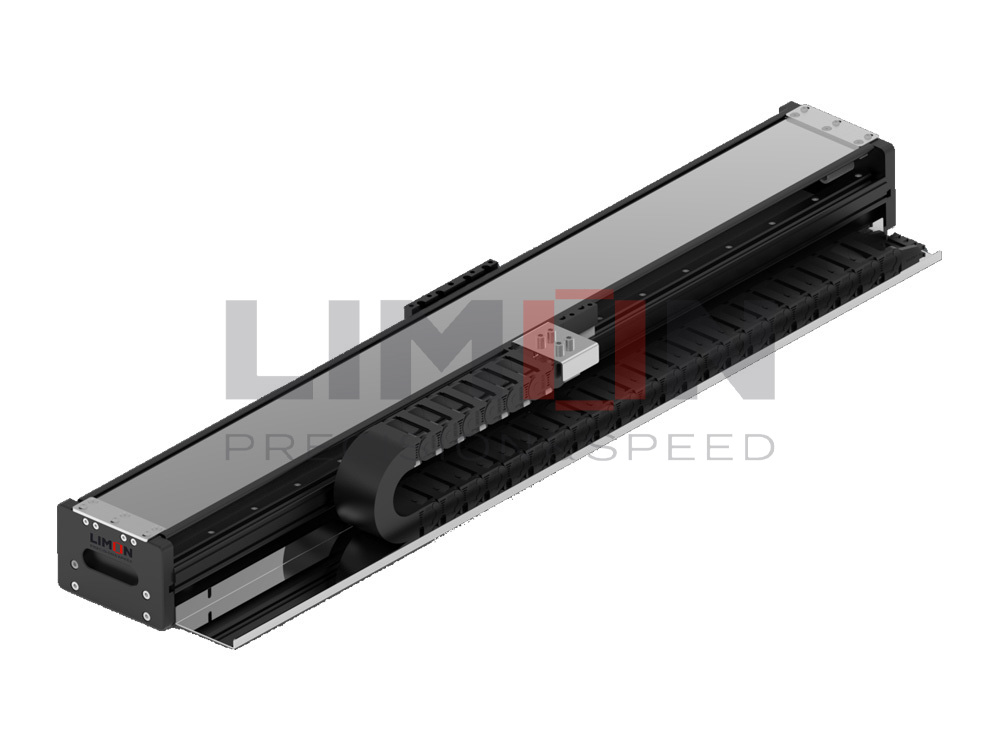
A linear actuator supplier provides devices that convert energy into controlled linear movement. Depending on the design, an actuator may use an electric motor, screw mechanism, belt drive, or another transmission system to move a load along a straight path. These products are widely used in industrial automation, packaging machinery, CNC equipment, material handling systems, laboratory equipment, and adjustable workstations.
However, suppliers differ significantly in what they offer. Some focus on distributing standard products from multiple manufacturers, while others manufacture their own components and provide more direct control over production and quality. A capable supplier should help customers identify the appropriate actuator based on load capacity, stroke length, speed, positioning accuracy, operating environment, and duty cycle.
For buyers, this technical guidance can prevent costly specification mistakes. An actuator that meets the required stroke length but cannot handle the actual load may wear prematurely or fail under continuous operation. Likewise, a product designed for intermittent movement may not suit a machine that runs throughout multiple shifts.
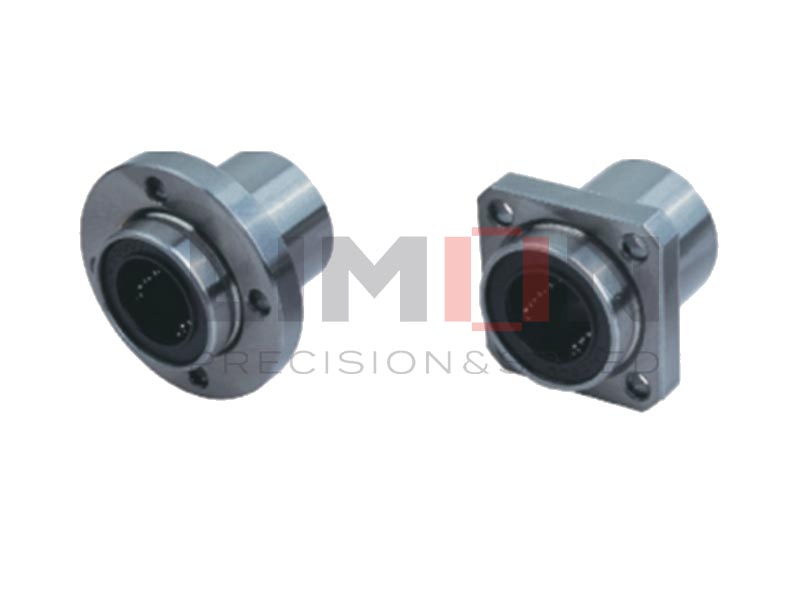
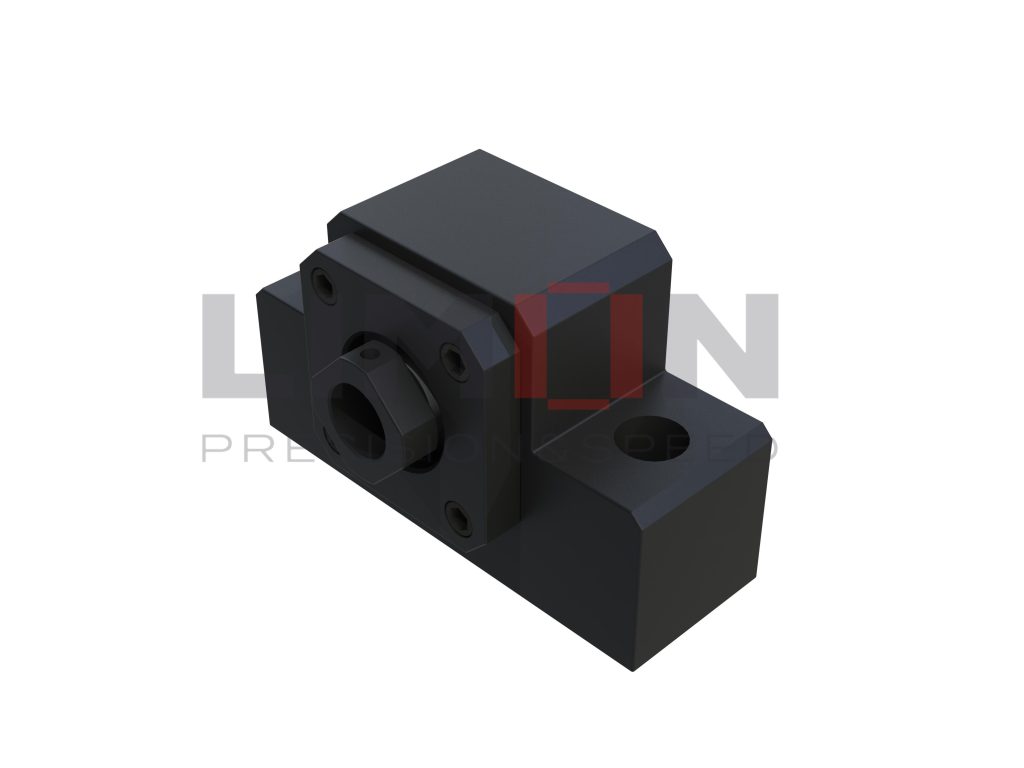
Limon specializes in linear motion products, including linear guide rails, ball screws, linear bearings, and linear actuators. With an integrated production line and a focus on dependable industrial performance, Limon provides customers with a practical source for linear motion components and solutions. Buying directly through Limon’s independent website also helps customers communicate their requirements more directly and explore suitable products without unnecessary purchasing layers.
What Should You Look for in a Reliable Linear Actuator Supplier?
A reliable linear actuator supplier should demonstrate more than the ability to deliver a product. The supplier should understand the application, maintain consistent quality, communicate specifications clearly, and provide support throughout the selection process.
Start by reviewing the supplier’s manufacturing capabilities. An integrated production line can improve coordination between production stages, support process consistency, and help identify quality issues earlier. While manufacturing integration alone does not guarantee superior quality, it can provide greater visibility and control over the production process.
Next, evaluate product specifications and documentation. Important information may include rated load, maximum speed, stroke length, positioning accuracy, input voltage, mounting dimensions, duty cycle, and expected service conditions. Ask whether the published values reflect continuous operation, peak performance, or specific test conditions.
Quality assurance is equally important. A professional supplier should have defined inspection procedures and be able to explain how products are checked before shipment. Depending on the product, relevant checks may include dimensional inspection, movement testing, noise assessment, electrical testing, and verification of operating performance.
Technical support is another key consideration. Even a high-quality actuator may not perform as expected if it is incorrectly selected or installed. A supplier that can clarify specifications and discuss application requirements helps reduce uncertainty during equipment design and integration.
Limon combines an integrated production approach with direct customer communication and technical support. Customers can discuss their motion requirements with a supplier focused on linear motion products, making it easier to identify suitable options for their equipment and operating conditions.
Should You Buy Directly from a Manufacturer or Through a Distributor?
The best purchasing channel depends on your project requirements, order volume, technical needs, and preferred level of supplier involvement. Both manufacturers and distributors can be useful, but understanding the differences helps buyers make informed decisions.
A distributor may provide access to products from several brands, making it convenient to compare different options through one contact. Distributors can also be useful when customers need products from multiple manufacturers or require local inventory and regional service.
Buying directly from a manufacturer can offer other advantages. Customers may have a more direct communication channel for discussing specifications, production details, and potential customization. Direct purchasing can also reduce the number of commercial intermediaries, although the final cost advantage depends on pricing, shipping, order quantity, and service arrangements.
| Purchasing factor | Direct manufacturer | Distributor |
| Product information | Direct access to manufacturing-related information, where available | Information provided through the distribution channel |
| Customization | May offer more direct discussion of technical requirements | Depends on the distributor’s supplier relationships |
| Product selection | Often centered on the manufacturer’s own product range | May cover several brands |
| Communication | Direct coordination with the manufacturer | Communication may involve an additional party |
| Local availability | Depends on stock and shipping arrangements | May offer regional inventory |
| Technical support | Can provide product-specific guidance, depending on capability | Depends on distributor expertise and support arrangements |
For customers who prioritize direct communication and product-specific support, working with a manufacturer can be particularly attractive. Limon sells linear motion products directly through its independent website, helping customers explore available solutions and communicate their requirements more directly. Its integrated production line also supports coordination across manufacturing processes.
Before making a decision, compare the complete purchasing arrangement rather than focusing only on the quoted unit price. Consider shipping, lead time, warranty terms, technical assistance, and the availability of replacement components. These factors can have a greater impact on the total cost of ownership than a small difference in the initial purchase price.
How Do You Choose the Right Linear Actuator for Your Application?
Finding a good supplier is only part of the process. You also need an actuator that matches the mechanical, electrical, and environmental requirements of your application. Providing accurate information at the quotation stage helps a supplier recommend an appropriate solution.
Load capacity: Determine the force required to move the load, including friction, acceleration, orientation, and any external forces. Vertical applications may require additional attention because gravity affects the load throughout operation.
Stroke length: Identify the actual travel distance and allow for mounting constraints, end positions, and available installation space. A longer stroke is not always better if it increases overall system size or creates unnecessary costs.
Speed and duty cycle: Define how quickly the actuator must move and how frequently it will operate. High-speed applications and continuous-duty systems may require different transmission designs, motors, or thermal considerations.
Positioning requirements: Consider whether the application requires simple end-to-end movement, repeatable positioning, or precise closed-loop control. The actuator, motor, controller, and feedback system must work together to achieve the desired performance.
Operating environment: Temperature, dust, moisture, vibration, and exposure to chemicals can affect actuator selection. Confirm the actual environmental limits of the product rather than assuming that every actuator is suitable for harsh conditions.
Mounting and integration: Check available mounting space, attachment points, cable routing, power requirements, and compatibility with the existing machine. Mechanical alignment is essential for smooth movement and long service life.
Limon offers a range of linear motion products that can help customers build coordinated movement systems. When discussing an actuator requirement, share the intended application, load, stroke, speed, duty cycle, and environmental conditions. These details make technical discussions more productive and help narrow the selection to suitable products instead of relying on price alone.
Why Are Manufacturing Quality and Technical Support Important?
The quality of a linear actuator affects more than its initial movement performance. It can influence equipment availability, maintenance frequency, positioning consistency, noise, and the reliability of the complete machine. For manufacturers and equipment builders, these factors can directly affect productivity and operating costs.
Manufacturing quality begins with appropriate materials and component selection, but it also depends on process control and inspection. Dimensional variation, inconsistent assembly, poor alignment, or unsuitable lubrication can affect friction, motion smoothness, and service life. Buyers should therefore consider how the supplier manages quality throughout production instead of judging a product solely by its appearance or advertised specifications.
Technical support helps bridge the gap between product specifications and real-world performance. For example, an actuator may have sufficient nominal force but still be unsuitable if the mounting arrangement introduces excessive side loading. A system that requires frequent starts and stops may also need a different design from one that performs occasional adjustments.
Good support can help clarify these issues before installation. It may include assistance with interpreting specifications, confirming mounting requirements, reviewing application parameters, and identifying potential compatibility concerns. The precise scope of support should always be confirmed with the supplier.
Limon’s integrated production line supports a coordinated manufacturing approach, while its focus on high-quality linear motion products helps customers source components for demanding industrial applications. Direct communication also makes it easier to discuss technical questions and product requirements. By combining manufacturing capabilities with responsive support, Limon aims to help customers reduce selection uncertainty and build more dependable motion systems.
How Can You Compare Linear Actuator Suppliers and Avoid Common Mistakes?
Comparing suppliers systematically can help you avoid decisions based only on price, incomplete specifications, or unsupported performance claims. Before placing an order, create a checklist that evaluates both the product and the supplier’s ability to support your project.
First, compare equivalent specifications. Make sure the quoted actuators have comparable load ratings, stroke lengths, speeds, accuracy requirements, duty cycles, and operating conditions. A lower-priced product may not represent better value if it cannot meet the actual application requirements.
Second, clarify what is included in the quotation. Confirm whether the price covers the actuator alone or includes a motor, controller, cables, mounting accessories, or other necessary components. Check packaging, shipping terms, estimated lead time, payment conditions, and warranty coverage.
Third, ask about quality verification and product documentation. Understand which tests are performed, what documentation is available, and how any quality issues are handled. Avoid assuming that all suppliers use the same inspection criteria or that general claims automatically establish compliance with a particular standard.
Fourth, assess communication and technical responsiveness. A supplier should be able to explain product limitations, identify missing information, and communicate realistic delivery expectations. Be cautious when a supplier promises performance without reviewing your application’s requirements.
Finally, consider long-term cooperation. Consistent product availability, clear communication, and access to technical guidance can become increasingly important as your equipment portfolio grows.
Limon’s direct-sales model and integrated production line provide customers with a straightforward way to explore linear motion products and discuss their needs. Instead of selecting a linear actuator supplier based solely on a low initial quotation, buyers can evaluate product suitability, manufacturing capabilities, quality, and technical support together. This approach supports more informed purchasing decisions and helps reduce avoidable risks over the life of the equipment.
Conclusion: Is Limon the Right Linear Actuator Supplier for Your Needs?
Choosing the right linear actuator supplier means balancing product performance, manufacturing quality, technical support, delivery expectations, and total cost of ownership. By evaluating these factors carefully, buyers can reduce specification errors and select components that better match their equipment requirements.
Limon provides linear motion solutions, including linear guide rails, ball screws, linear bearings, and linear actuators. With an integrated production line, a direct-sales model, a commitment to quality, and technical support, Limon helps customers explore reliable, high-performance solutions for industrial applications.
If you are planning a new machine, upgrading an existing motion system, or sourcing components for ongoing production, start by defining your load, stroke, speed, positioning, and environmental requirements. Then explore Limon’s product range and contact the team to discuss a suitable solution for your application.