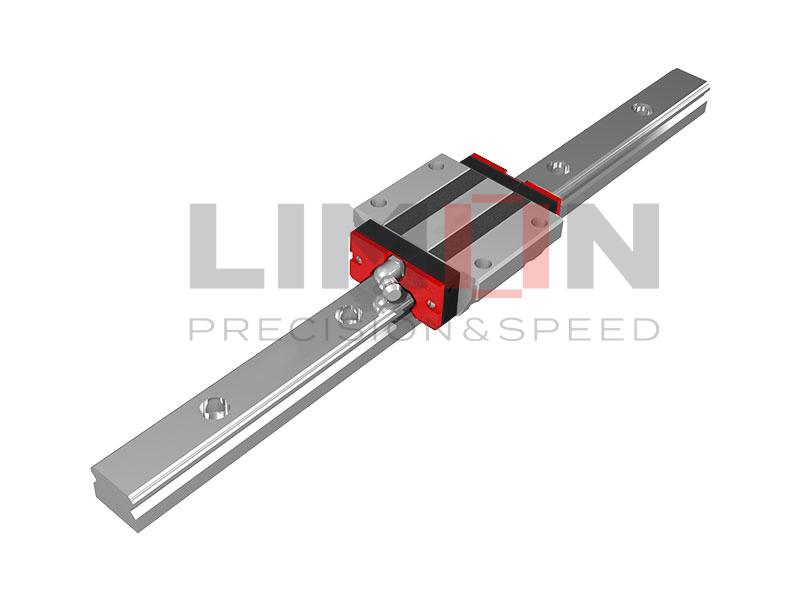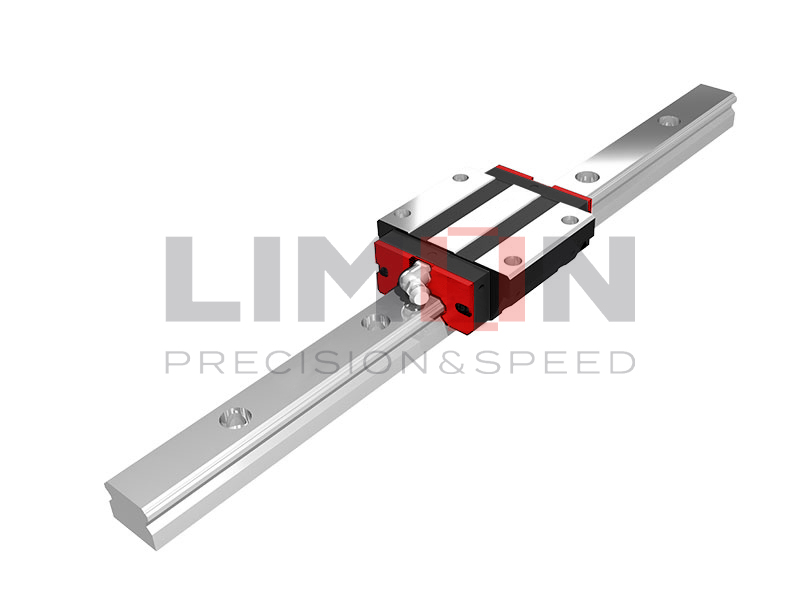
If you’ve ever sourced motion components for automation equipment, you’ve probably asked yourself——why are linear guide rails so expensive?
At first glance, a linear guide rail may look like a simple piece of machined steel. But in reality, its cost reflects precision engineering, advanced manufacturing, strict quality control, and long-term performance reliability. This is especially true when customers ask, why are linear guide rails so expensive in the USA compared to other regions.
In this article, we break down the key cost drivers behind linear guide rail pricing—from materials and heat treatment to precision manufacturing and quality control. We also compare low-cost vs high-quality options and explain why U.S. buyers often face higher prices. By the end, you’ll know exactly what to look for when sourcing linear guide rails.
What Are Linear Guide Rails—and Why Do They Matter?
Linear guide rails are critical components that enable smooth, accurate, and repeatable linear motion. They are widely used in:
- CNC machines
- Industrial automation systems
- Semiconductor and electronics manufacturing
- Medical and laboratory equipment
- Packaging and material handling machines
In these applications, even minor positioning errors or vibration can lead to product defects, downtime, or safety risks. That’s why linear guide rails are engineered to extremely tight tolerances—and why their cost reflects their importance.
Why Are Linear Guide Rails So Expensive? Key Cost Drivers Explained
- Precision Manufacturing and Tight Tolerances
One of the biggest reasons why linear guide rails are so expensive is precision.
High-quality rails are manufactured with micron-level tolerances. The raceways must be ground, hardened, and matched precisely with the guide blocks to ensure:
- Smooth motion
- Low friction
- Minimal preload variation
- Long service life
This level of accuracy requires advanced CNC grinding machines, temperature-controlled environments, and skilled technicians—none of which are inexpensive.
- High-Grade Materials and Heat Treatment
Linear guide rails are typically made from high-carbon alloy steel. After machining, they undergo complex heat treatment processes to achieve:
- High surface hardness
- Internal toughness
- Resistance to wear and deformation
Improper heat treatment can lead to premature failure, noise, or loss of accuracy. Reliable manufacturers invest heavily in controlled hardening and stress-relief processes, which significantly impact cost.
- Strict Quality Control and Testing
Each linear guide rail must pass multiple inspections, including:
- Dimensional accuracy checks
- Surface roughness measurement
- Load and preload verification
- Noise and smoothness testing
These quality assurance steps ensure consistency—but also add time and cost. When customers ask why are linear guide rails so expensive in USA, one major factor is the strict quality standards expected by American industrial users.
- Low Tolerance for Failure in Industrial Applications
Unlike consumer products, linear guide rails operate in mission-critical systems. A single failure can shut down an entire production line.
As a result, manufacturers design rails with high safety margins, longer fatigue life ratings, and conservative load calculations. You’re not just paying for a component—you’re paying for reliability and reduced risk.
Why Are Linear Guide Rails So Expensive in the USA Specifically?
Many buyers notice that prices in the U.S. market are higher and wonder why are linear guide rails so expensive in USA compared to Asia or other regions.
Key reasons include:
- Higher labor and compliance costs
- Stricter quality expectations from OEMs
- Longer warranty and service requirements
- Higher logistics and inventory standards
- Preference for traceable materials and documentation
U.S. customers often demand consistent performance across large production runs, which pushes suppliers to maintain tighter process control.
Expensive vs Cheap Linear Guide Rails: What’s the Real Difference?
| Factor | Low-Cost Rails | High-Quality Rails |
| Accuracy | Inconsistent | Stable & repeatable |
| Load Capacity | Overrated | Real-world verified |
| Noise & Vibration | Often high | Smooth & quiet |
| Service Life | Shorter | Long-term durability |
| Total Cost of Ownership | Higher | Lower over time |
In many cases, cheaper rails end up costing more due to maintenance, replacement, or machine downtime.
How Limon Delivers High Value Without Unnecessary Cost
At Limon, we understand why customers question pricing. That’s why we focus on value engineering, not just premium branding.
Our linear guide rails are manufactured through a fully integrated production process, allowing us to:
- Control material quality from the source
- Optimize machining and heat treatment in-house
- Maintain consistent preload and accuracy standards
- Offer industrial-grade performance at a competitive price
Instead of paying for inflated margins or unnecessary features, you get reliable, high-performance linear motion solutions designed for real-world applications.
How to Choose the Right Linear Guide Rail Without Overpaying
To avoid paying more than necessary, consider:
- Actual load and moment requirements
- Required accuracy and repeatability
- Operating speed and duty cycle
- Environmental conditions (dust, humidity, temperature)
Not every application needs ultra-high precision rails. The key is selecting the right specification, not the most expensive option.
Final Thoughts: Are Linear Guide Rails Really “Too Expensive”?
So, why are linear guide rails so expensive?
Because they are precision-engineered components designed to deliver reliability, accuracy, and long-term performance in demanding industrial environments.
And why are linear guide rails so expensive in USA?
Because the market prioritizes quality, consistency, and risk reduction over short-term savings.
When chosen correctly, a well-designed linear guide rail is not a cost—it’s an investment.