In today’s fast-moving automation landscape, speed, efficiency, and reliability are no longer optional—they are essential. From packaging lines and CNC equipment to robotics and semiconductor manufacturing, linear belt systems have become a core motion technology enabling smooth, cost-effective, and scalable linear movement.
This guide will clearly explain what a linear belt is, how a linear belt drive works, where it excels compared to other motion solutions, and why belt-driven systems—also known internationally as courroies linéaires—are playing an increasingly important role in modern industrial automation.
What Is a Linear Belt?
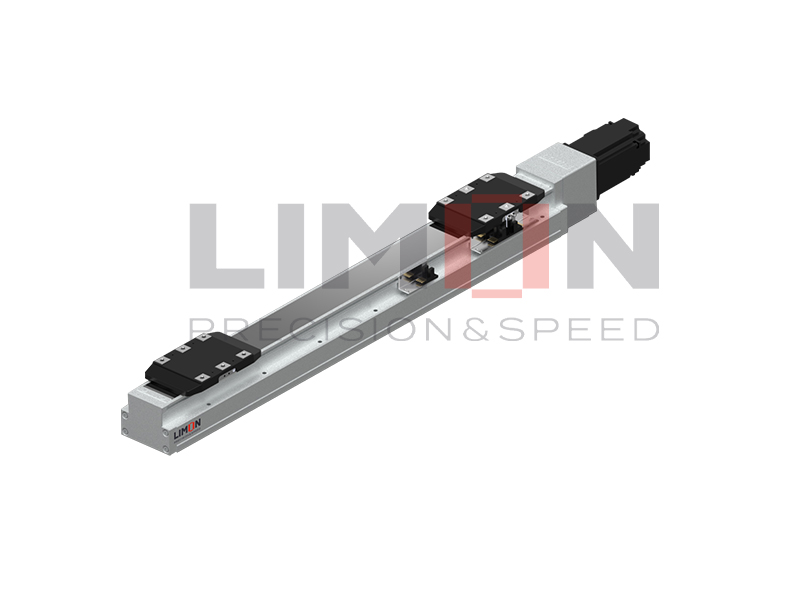
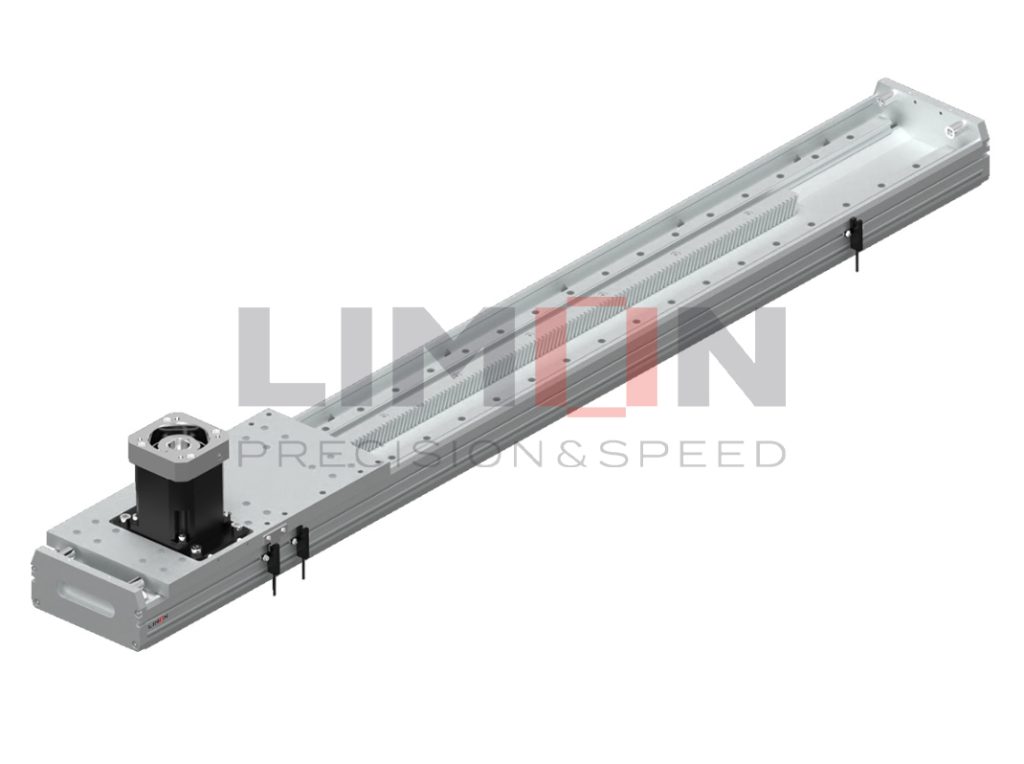
A linear belt is a motion transmission component that converts rotary motion from a motor into precise linear movement using a reinforced belt and pulley system. It is most commonly integrated into a belt-driven linear actuator, where the belt moves a carriage along a guide rail.
Unlike ball screws or lead screws, linear belts rely on continuous belt motion rather than rolling elements, making them ideal for applications that prioritize speed, long stroke length, and low maintenance.
Common Linear Belt Materials
- Polyurethane (PU) with steel or Kevlar reinforcement
- Rubber belts with fiber tensile cords
- High-wear, low-stretch industrial composites
How Does a Linear Belt Drive Work?
A linear belt drive system consists of several core components working together:
- Drive Motor – Typically a servo or stepper motor
- Pulley System – Transfers torque from the motor to the belt
- Reinforced Linear Belt – Provides continuous motion
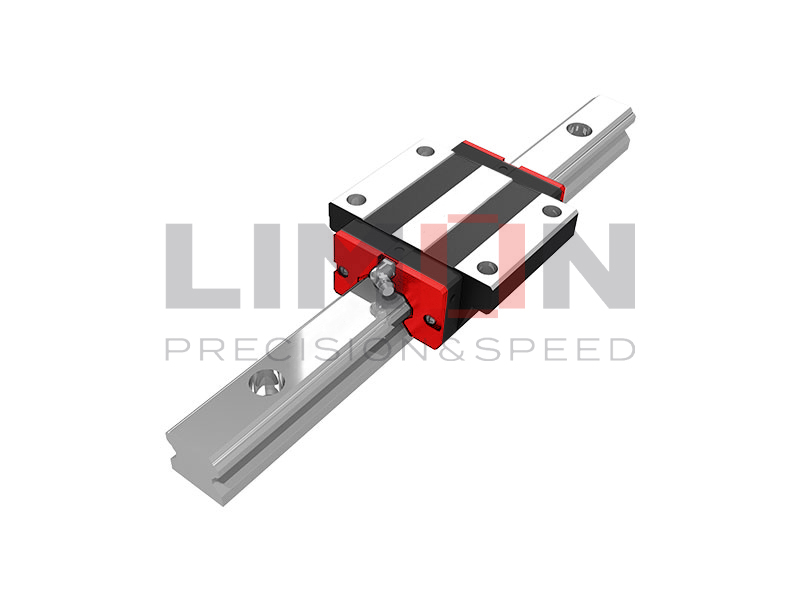
- Linear Guide Rail – Ensures accuracy and rigidity
- Carriage / Slider – Moves the load along the axis
When the motor rotates, the belt travels around the pulleys, pulling the carriage along the guide rail. This simple yet powerful mechanism enables fast acceleration, repeatable positioning, and smooth travel over long distances.
Linear Belt vs Ball Screw: Key Differences
| Feature | Linear Belt Drive | Ball Screw |
| Max Speed | Very High | Moderate |
| Stroke Length | Excellent (up to several meters) | Limited |
| Maintenance | Low | Moderate to High |
| Load Capacity | Medium | High |
| Cost Efficiency | High | Higher initial cost |
Linear belt systems are often chosen when speed, travel length, and system simplicity matter more than ultra-high thrust force.
Courroies Linéaires: A Global Motion Technology
In European and international markets, linear belts are commonly referred to as courroies linéaires. Regardless of terminology, the engineering principle remains the same: efficient linear motion using belt-based transmission.
Global demand for courroies linéaires is rising due to:
- Growth in modular automation systems
- Increased focus on energy efficiency
- Expansion of robotics and material handling applications
For manufacturers like Limon serving global customers, belt-driven motion platforms offer a universal solution adaptable across industries and regions.
Key Advantages of Linear Belt Systems
- High-Speed Performance
Linear belt drives support rapid acceleration and deceleration, making them ideal for pick-and-place systems and automated assembly lines.
- Long Travel Capability
Unlike screw-driven solutions, belt systems excel in long-stroke applications without sacrificing performance.
- Low Maintenance
No recirculating balls or lubrication-intensive components—just clean, efficient motion.
- Cost-Effective Scalability
Linear belts allow manufacturers to scale system length and speed without a dramatic increase in cost.
- Quiet, Smooth Operation
Perfect for environments where noise reduction and smooth motion are important.
Common Applications of Linear Belt Drives
Linear belt systems are widely used across modern industries, including:
- Packaging and labeling machines
- Automated inspection systems
- Conveyor and material handling equipment
- Robotics and gantry systems
- Electronics and semiconductor manufacturing
- Medical and laboratory automation
Their versatility makes them one of the most adaptable linear motion solutions available today.
Why Linear Belt Systems Are a Growing Trend
As automation systems demand faster cycle times and flexible layouts, linear belt drive technology continues to gain momentum. Key industry trends include:
- Modular automation platforms requiring adaptable motion axes
- Smart factories prioritizing energy efficiency and uptime
- Lightweight robotic systems demanding high-speed linear motion
Linear belts align perfectly with these trends, making them a future-ready solution for modern motion control.
Choosing the Right Linear Belt Solution
When selecting a linear belt system, consider:
- Required speed and acceleration
- Load weight and duty cycle
- Stroke length
- Positioning accuracy requirements
- Integration with servo or stepper motors
Working with an experienced manufacturer ensures the system is properly matched to your application.
Why Choose Limon Linear Belt Solutions?
At Limon, we design and manufacture high-performance linear motion products—including linear belt-driven actuators, linear guides, ball screws, and linear bearings—through a fully integrated production process.
What Sets Limon Apart:
- Fully in-house manufacturing for consistent quality
- Industrial-grade materials and precision assembly
- Customizable linear belt drive configurations
- Proven reliability in demanding industrial environments
Whether you need a compact axis or a long-stroke automation solution, Limon delivers reliable, high-performance linear motion systems designed for real-world applications.
Final Thoughts: Is a Linear Belt Right for Your Application?
If your system requires speed, long travel, low maintenance, and cost efficiency, a linear belt—or courroies linéaires—may be the ideal motion solution.
As automation continues to evolve, linear belt drive technology remains a cornerstone of modern motion control—powering smarter, faster, and more efficient machines.
.jpg)