In today’s world of industrial automation and precision machinery, motion must be accurate, repeatable, and intelligent. This is where servo technology becomes essential. Yet many engineers, buyers, and decision-makers still ask a fundamental question: define servo—what does it actually mean in real-world applications?
In this article, we’ll clearly define servo, explain how servo systems work, and show how they integrate with linear guides, ball screws, and linear actuators to power high-performance industrial motion systems. We’ll also explore why choosing the right mechanical components—like those manufactured by Limon—is just as important as selecting the servo itself.
Define Servo: What Does “Servo” Mean?
To define servo in simple terms:
A servo is a closed-loop motion control device that precisely controls position, speed, and torque using real-time feedback.
Unlike basic motors that rotate at a set speed when powered, a servo system continuously monitors its output and automatically corrects any deviation from the commanded motion. This feedback-driven control is what makes servo systems highly ac
Define Servo System: More Than Just a Motor
To fully define servo system, it’s important to understand that a servo is not a single component—it’s a coordinated system.
A typical servo system includes:
- Servo motor – provides controlled motion
- Feedback device (encoder or resolver) – monitors position and speed
- Servo drive – regulates power and processes feedback
- Controller or PLC – sends motion commands
Together, these components form a closed-loop system that ensures precise motion under varying loads and operating conditions.
curate and reliable.
How a Servo System Works
Once you define servo system, its operation becomes easier to understand.
Closed-Loop Control in Action
- The controller sends a motion command
- The servo motor moves accordingly
- The feedback device reports actual position or speed
- The servo drive compares actual vs commanded values
- Any error is corrected instantly
This continuous loop allows servo systems to achieve high accuracy, fast response, and stable performance.
Why Servo Systems Are Essential in Modern Automation
Servo technology is widely adopted because it delivers capabilities that traditional motors cannot.
Key advantages include:
- Precise positioning and repeatability
- High torque at low speeds
- Rapid acceleration and deceleration
- Stable performance under changing loads
- Improved energy efficiency
These characteristics make servo systems ideal for advanced industrial and automated environments.
Where Servo Systems Are Used
Servo systems are found across nearly every high-precision industry.
Common Applications
- CNC machine tools
- Industrial automation lines
- Robotics and gantry systems
- Packaging and labeling equipment
- Semiconductor manufacturing
- Material handling systems
In most of these applications, servo systems work together with linear motion components to produce controlled linear movement.
Servo Systems and Linear Motion: A Critical Partnership
A servo alone does not guarantee precision. Mechanical components play a decisive role.
At Limon, servo systems are commonly paired with:
- Ball screws for rotary-to-linear motion conversion
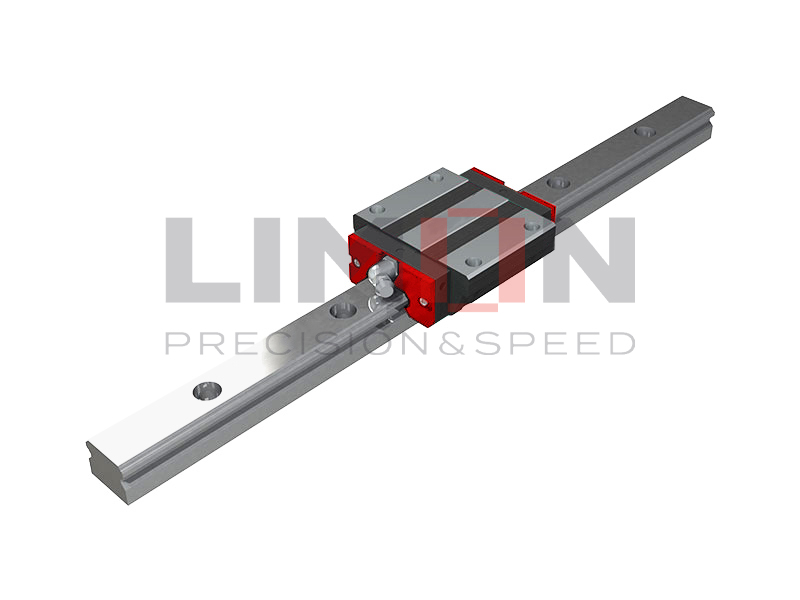
- Linear guide rails for rigidity and alignment
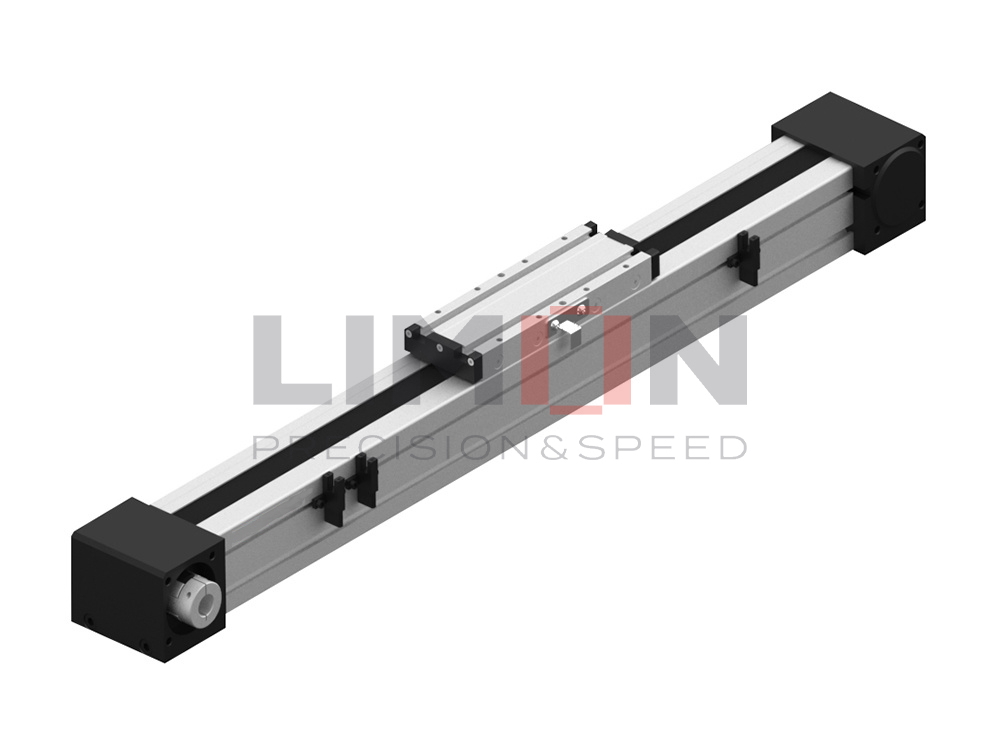
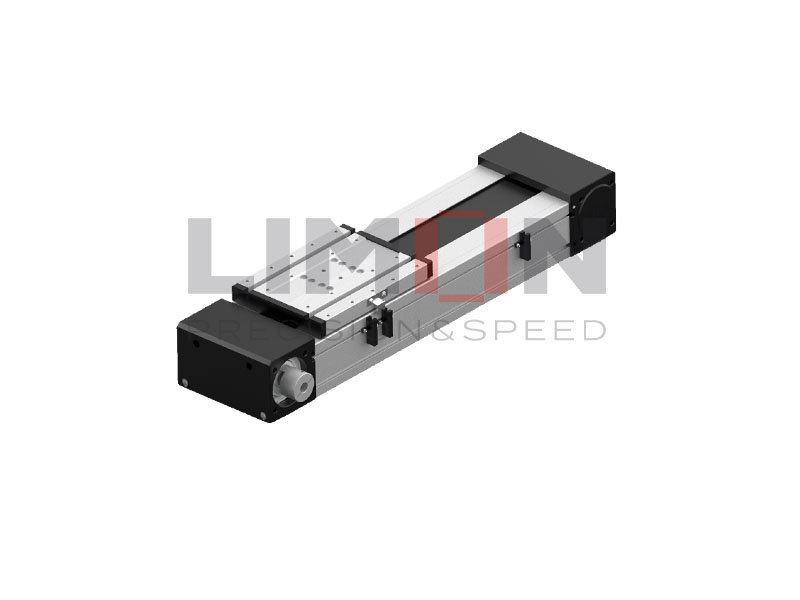
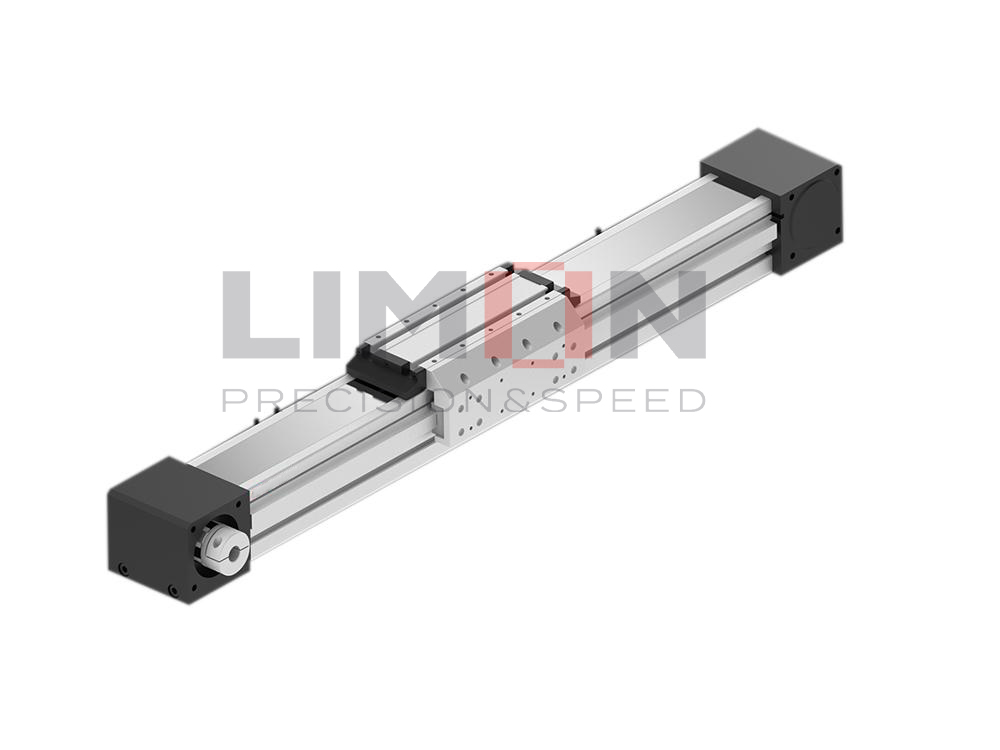
- Linear actuators for compact, integrated solutions
This combination ensures that servo performance is fully translated into accurate, smooth, and repeatable linear motion.
Why Mechanical Quality Matters in a Servo System
Even after you define servo and define servo system, one truth remains: poor mechanical components limit servo performance.
Low-quality linear motion parts can cause:
- Vibration and noise
- Reduced positioning accuracy
- Increased wear
- Difficult servo tuning
That’s why engineers prioritize servo-ready linear components manufactured with tight tolerances and consistent quality.
Why Limon Is a Trusted Partner for Servo-Driven Systems
As a vertically integrated linear motion manufacturer, Limon offers advantages beyond standard component suppliers:
- Full in-house production for consistent quality
- Precision-engineered linear guides and ball screws
- Servo-optimized linear actuators
- Reliable lead times and technical support
- System-level motion solutions
This allows customers to design servo-driven systems that perform reliably in real industrial environments.
Future Trends in Servo Technology
As automation continues to evolve, servo systems are advancing in several key areas:
- Smarter servo drives with real-time diagnostics
- Integration with IIoT and smart factories
- Increased energy efficiency standards
- More compact servo-driven linear actuators
- Growing demand for modular automation solutions
These trends align closely with Limon’s mission to deliver future-ready, high-performance linear motion solutions.
Final Thoughts: Why It’s Important to Define Servo Correctly
To define servo correctly is to understand that it’s not just a motor—it’s a precision control system that enables modern automation.
To define servo system properly is to recognize the importance of every component, from the motor and drive to the linear guides and ball screws that translate motion into real-world results.
When servo technology is paired with high-quality mechanical components, the result is precision you can trust and performance you can scale.
If you’re designing or upgrading a servo-driven motion system, Limon’s linear motion solutions are built to help your servo perform at its best.