Are the wrong bearings causing excessive friction, poor accuracy, and unexpected machine failures?
Bearings reduce friction and support rotating or linear movement in mechanical systems. The different types bearings include ball bearings, roller bearings, linear bearings, thrust bearings, and specialized designs, each selected according to load, speed, precision, and operating conditions.
Let us explore bearing types, applications, and how to select the best solution.
What Is a Bearing and Why Is It Important?
A bearing is a mechanical component designed to reduce friction while supporting motion between moving parts. Whether in industrial machinery, automation systems, CNC equipment, robots, or transportation equipment, bearings play a critical role in ensuring smooth, accurate, and efficient movement.
Without bearings, metal surfaces would contact directly, generating excessive friction, heat, wear, and energy loss. Bearings allow motion to occur with lower resistance, longer service life, and improved machine performance. Depending on the application, a bearing may support rotational movement, linear movement, axial loads, radial loads, or combinations of these forces.
When discussing different types bearings, it is important to understand that no single bearing design fits all applications. High-speed equipment may require one bearing type, while heavy-load machinery, precision instruments, or linear motion systems may require completely different solutions.
For industrial applications, selecting the correct bearing affects machine reliability, maintenance costs, positioning accuracy, and production efficiency. This is why engineers evaluate load capacity, speed, environmental conditions, lubrication, and operating life before choosing a bearing.
At Limon, bearings are not viewed as isolated components. They are essential parts of complete linear motion systems, working together with linear guide rails, ball screws, and linear actuators to provide reliable industrial performance.
What Are the Main Different Types Bearings?
There are many bearing designs, each developed for specific operating requirements. Understanding these categories helps users choose the right solution.
Ball Bearings
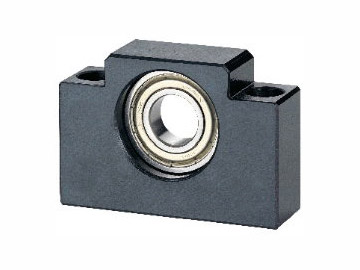
Ball bearings are among the most common bearing types. They use rolling balls between inner and outer rings to reduce friction. These bearings are suitable for moderate radial and axial loads and are widely used in motors, pumps, conveyors, and automation equipment.
Roller Bearings
Roller bearings use cylindrical, tapered, or needle-shaped rolling elements instead of balls. Their larger contact area allows them to carry heavier loads. They are often found in industrial machinery, heavy equipment, and machine tools.
Linear Bearings
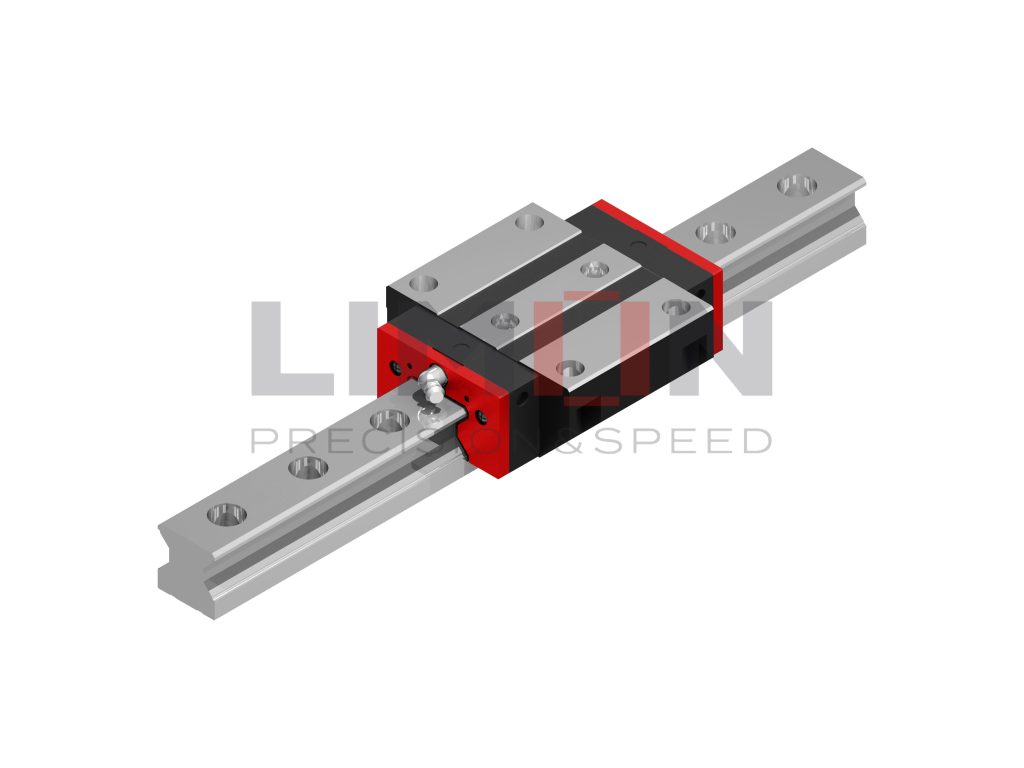
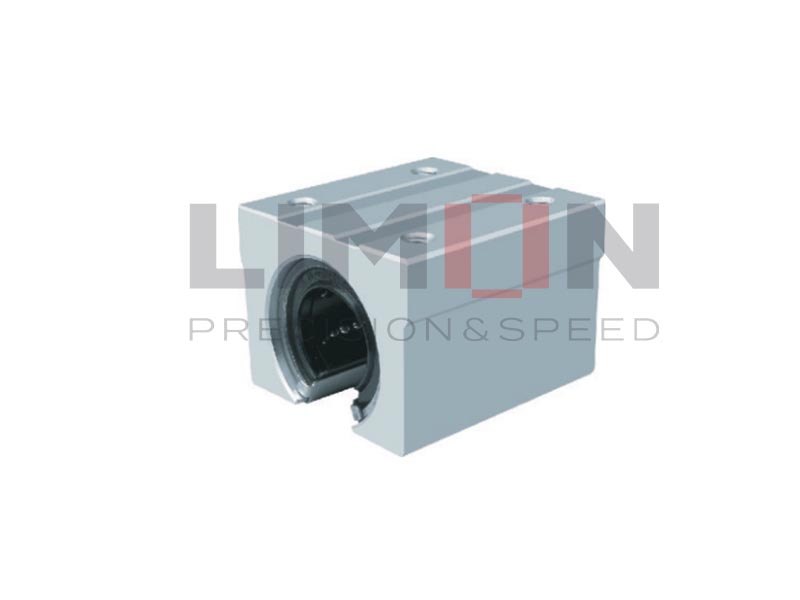
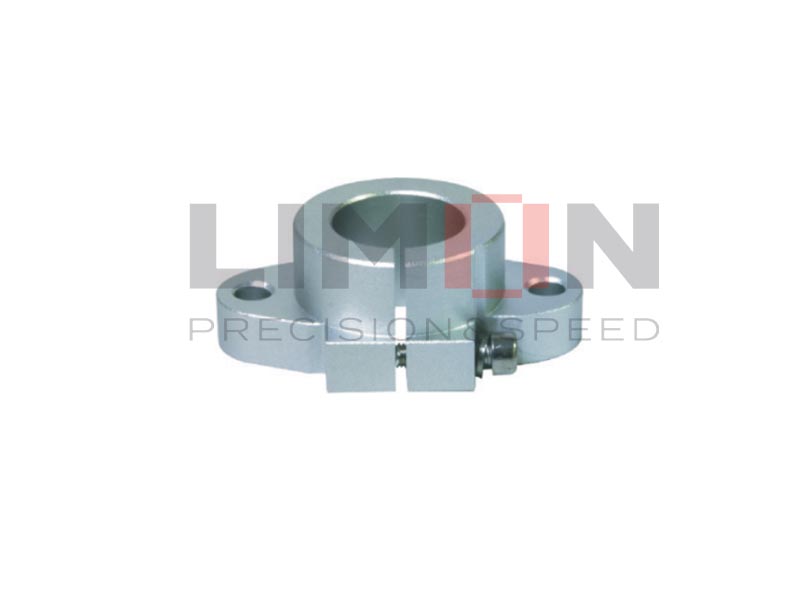
Linear bearings support straight-line movement rather than rotation. They are commonly used in automation systems, CNC equipment, robots, and positioning devices. Linear bearings often work together with shafts, guide rails, or linear guide systems.
Thrust Bearings
Thrust bearings are specifically designed to support axial loads. These bearings are used in rotating equipment where forces act parallel to the shaft.
Specialized Bearings
Certain applications require customized or specialized bearings designed for extreme temperatures, corrosive environments, high precision, or unusual load conditions.
The best bearing choice depends on the complete motion system rather than a single performance specification.
How Do Linear Bearings Support Modern Automation?
As industrial automation continues to advance, linear motion systems have become increasingly important. Linear bearings play a key role in providing smooth, accurate, and repeatable movement.
Unlike rotary bearings, linear bearings support movement along a straight path. They are commonly used in:
- CNC machinery
- Semiconductor equipment
- Packaging machines
- Automated assembly systems
- Medical devices
- Robotic systems
- Inspection equipment
Linear bearings often operate together with shafts, linear guide rails, and ball screw systems. The interaction between these components determines overall machine accuracy and service life.
For example, a high-precision CNC machine requires not only a quality linear bearing but also compatible guide rails, accurate ball screws, and stable mounting structures. Any mismatch can reduce positioning accuracy and increase wear.
Limon manufactures linear motion products including linear bearings, linear guide rails, ball screws, and linear actuators. With a fully integrated production line, Limon helps customers achieve better compatibility between motion components and more consistent system performance.
This integrated approach is particularly valuable for OEM manufacturers, machine builders, and automation engineers seeking dependable linear motion solutions.
What Factors Should Be Considered When Selecting Bearings?
Selecting a bearing involves more than matching dimensions. Engineers must evaluate the complete operating environment and performance requirements.
Load Conditions
Determine whether the application involves radial loads, axial loads, or combined loads. Heavy-load equipment often requires roller bearings, while lighter applications may use ball bearings.
Speed
High-speed applications require bearings designed to minimize friction and heat generation. Improper bearing selection may reduce operating life.
Accuracy Requirements
Precision equipment such as CNC machines, robotics, and inspection systems require bearings with controlled tolerances and stable performance.
Operating Environment
Dust, moisture, chemicals, temperature, and vibration can all affect bearing life. Proper sealing and lubrication are essential.
Maintenance Requirements
Some applications require low-maintenance solutions, while others need regular lubrication and inspection.
Integration with Other Components
Bearings rarely work alone. They must function effectively with shafts, guide rails, screw drives, motors, and machine structures.
Selecting bearings from experienced manufacturers can simplify this process and reduce the risk of system incompatibility.
How Does Bearing Quality Affect Machine Performance?
Bearing quality directly affects machine reliability, efficiency, and operating costs. Poor-quality bearings can lead to vibration, noise, positioning errors, excessive wear, and unexpected downtime.
Several factors influence bearing quality:
- Material selection
- Heat treatment
- Machining accuracy
- Surface finishing
- Assembly precision
- Lubrication
- Inspection procedures
Precision manufacturing is especially important for linear motion applications. Small dimensional errors can significantly affect smoothness and positioning accuracy.
At Limon, product quality is supported by integrated manufacturing processes. By controlling production stages more closely, consistency between components can be improved. This is especially valuable when bearings must work together with linear guide rails, ball screws, and actuators.
Reliable bearings contribute to:
- Better machine stability
- Lower maintenance costs
- Longer service life
- Improved energy efficiency
- Higher positioning accuracy
For industrial users, bearing quality is an investment in long-term performance rather than simply a component cost.
Why Choose Limon for Bearing and Linear Motion Solutions?
Limon is a manufacturer specializing in linear motion products, including linear bearings, linear guide rails, ball screws, and linear actuators.
One of Limon’s strengths is its fully integrated production line. Integrated manufacturing allows better control over quality, consistency, and component compatibility.
Limon also supplies products directly through its independent website, allowing customers to communicate with the manufacturer more efficiently and receive technical support based on actual application requirements.
For machine builders and industrial customers, this means more than purchasing a single component. It means obtaining reliable products supported by manufacturing expertise and engineering knowledge.
Limon’s technical team can help customers evaluate:
- Load requirements
- Motion characteristics
- Speed and accuracy needs
- Environmental conditions
- Component compatibility
Whether you need linear bearings, guide rails, ball screws, or complete linear motion systems, Limon is committed to delivering reliable, high-performance industrial solutions.
Conclusion
Understanding different types bearings is essential for designing efficient and reliable machines. Ball bearings, roller bearings, linear bearings, thrust bearings, and specialized designs each serve different purposes depending on load, speed, accuracy, and environmental conditions.
Choosing the correct bearing improves machine performance, reduces maintenance, and extends service life.
With a fully integrated production line, direct sales model, high-quality products, and professional technical support, Limon provides reliable linear motion solutions for modern industrial applications. From linear bearings and guide rails to ball screws and actuators, Limon helps customers build efficient and dependable motion systems.