In modern automation and industrial equipment, precision doesn’t come from a single component—it comes from how every component works together. While motors and controllers often get the spotlight, one element quietly determines smoothness, accuracy, and durability: linear motion shafts.
So what exactly is a linear motion shaft, why is it so important, and how does it impact the performance of linear bearings, actuators, and entire motion systems?
What Is a Linear Motion Shaft?
A linear motion shaft is a precision-ground, hardened steel rod designed to support and guide linear bearings or bushings along a straight path.
Its primary role is to provide:
- A smooth, accurate running surface
- Consistent alignment for moving components
- Structural support for radial and moment loads
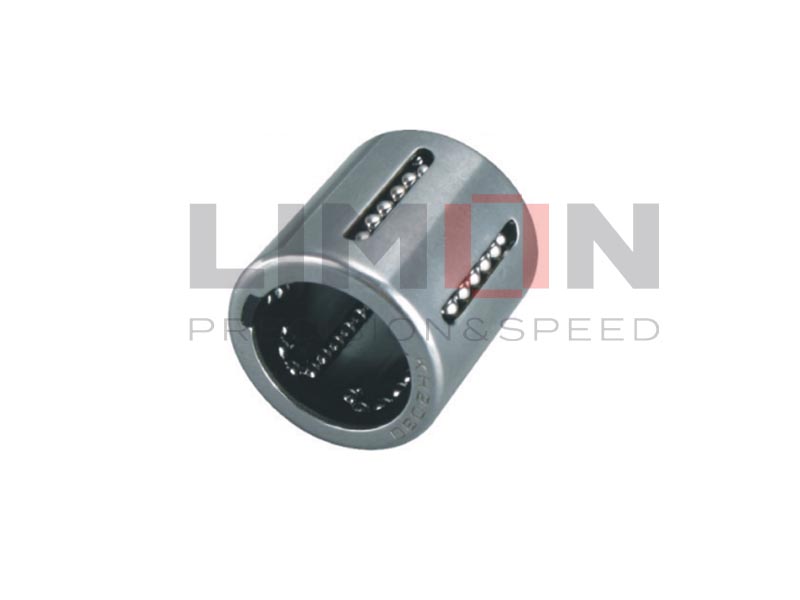
In most systems, linear motion shafts work together with linear bearings to enable controlled, low-friction linear movement.
Why Linear Motion Shafts Are Critical to System Performance
Linear motion shafts may look simple, but their quality directly affects how well a machine performs.
High-quality linear motion shafts help ensure:
- Smooth, vibration-free motion
- High positioning accuracy
- Reduced wear on linear bearings
- Longer service life
- Stable performance at high speeds
Poor shaft quality, on the other hand, can cause noise, uneven wear, loss of accuracy, and premature system failure—even if premium bearings are used.
How Linear Motion Shafts Work with Linear Bearings
A linear motion shaft never operates alone. It is designed to work in direct contact with a linear bearing.
Typical Pairings
- Ball linear bearings for low friction and high speed
- Plain bushings for simpler, lower-cost systems
The shaft provides the hardened raceway, while the bearing handles the rolling or sliding motion. Precision matching between the shaft and bearing is essential for optimal performance.
At Limon, linear bearings and shafts are engineered to work as a matched system, eliminating compatibility issues common when sourcing parts from multiple suppliers.
Key Design Features of High-Quality Linear Motion Shafts
Not all linear motion shafts are created equal. Performance depends on several critical factors.
Material Quality
Most industrial-grade shafts are made from high-carbon or alloy steel, selected for strength and wear resistance.
Heat Treatment
Proper hardening ensures:
- Resistance to surface wear
- Long operational life under continuous motion
Precision Grinding
Tight diameter tolerances and roundness are essential for:
- Smooth bearing travel
- Consistent load distribution
Surface Finish
A fine surface finish reduces friction, noise, and bearing wear—especially at high speeds.
Where Linear Motion Shafts Are Used
Linear motion shafts are found across a wide range of industries and applications.
Common Applications
- Industrial automation systems
- CNC machines and machine tools
- Packaging and assembly equipment
- Robotics and Cartesian gantries
- Linear actuators and positioning stages
- Medical and laboratory equipment
Anywhere controlled linear movement is required, a linear motion shaft is likely involved.
Linear Motion Shaft vs Linear Guide Rail
Many engineers ask whether to use linear motion shafts or profile rail guides. Each has its place.
| Feature | Linear Motion Shaft | Linear Guide Rail |
| Structure | Round shaft | Profiled rail |
| Cost | Lower | Higher |
| Installation | Simple | More complex |
| Load Capacity | Moderate | High |
| Typical Use | Compact, light-to-medium duty | Heavy-duty, high rigidity |
Linear motion shafts are ideal for:
- Compact designs
- Cost-sensitive projects
- Modular or adjustable layouts
Why Manufacturing Quality Matters More Than the Shaft Itself
Many buyers source linear motion shafts from a general distributor. While this can be convenient, it often comes with risks:
- Inconsistent hardness
- Poor surface finish
- Loose dimensional tolerances
As a vertically integrated manufacturer, Limon controls:
- Raw material selection
- Heat treatment
- Precision grinding
- Quality inspection
This results in linear motion shafts built for real industrial use, not just catalog specifications.
How Limon Supports Complete Linear Motion Systems
At Limon, linear motion shafts are not standalone products—they’re part of a complete motion ecosystem.
Our solutions integrate:
- Linear motion shafts
- Linear bearings
- Ball screws
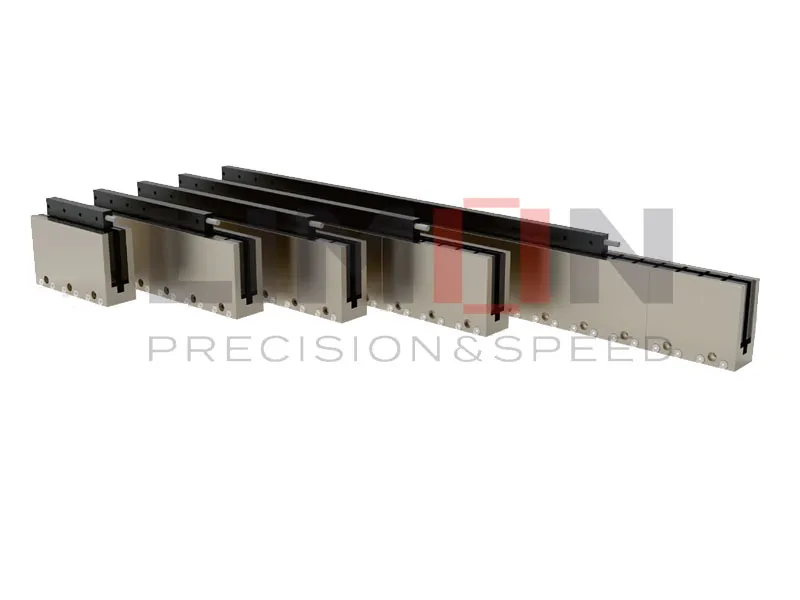
- Linear guides
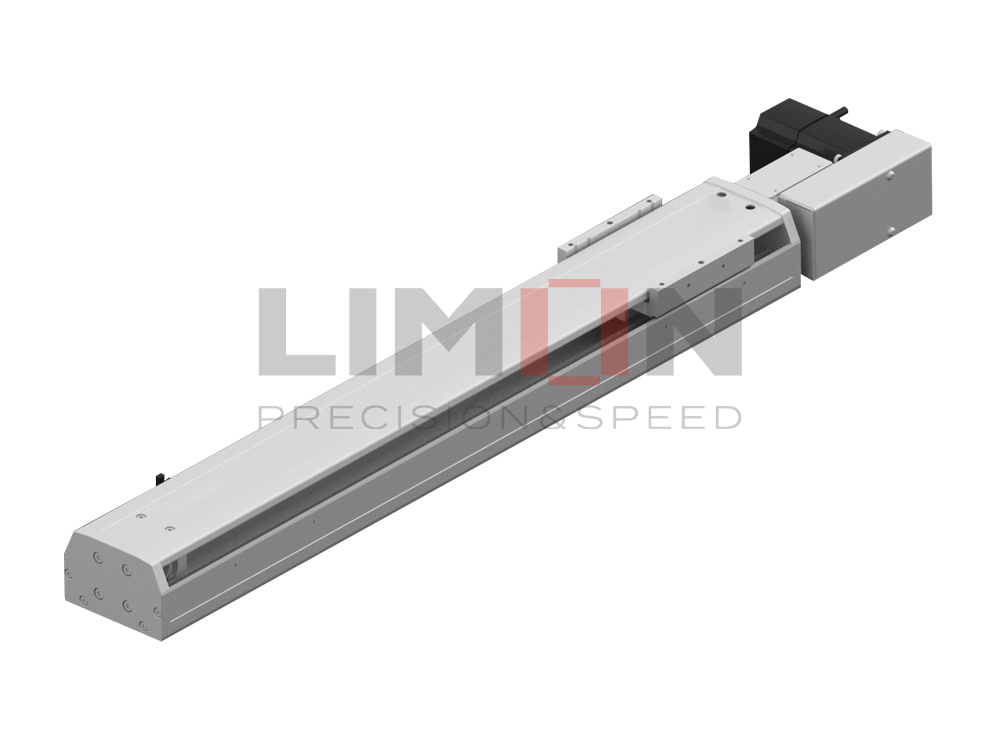
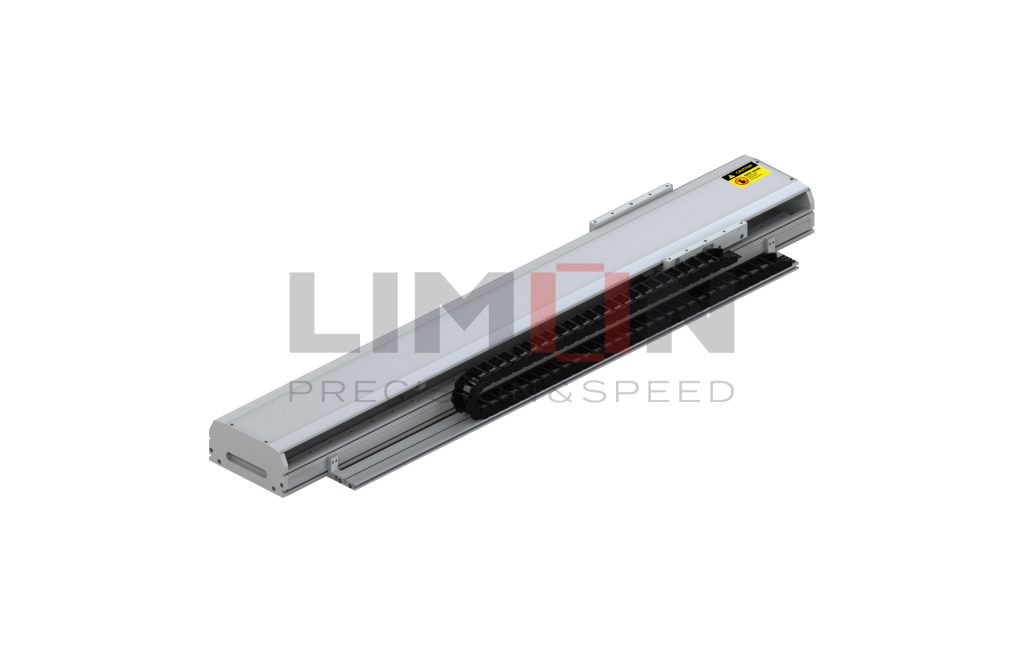
- Linear actuators
This system-level approach delivers:
- Better alignment
- Higher accuracy
- Faster installation
- Lower total cost of ownership
Future Trends in Linear Motion Shafts
As automation continues to evolve, linear motion shaft technology is advancing in several key areas:
- Higher hardness for extended service life
- Improved corrosion resistance
- Tighter tolerances for high-precision systems
- Integration into compact linear actuators
- Increased demand for complete, pre-engineered motion modules
These trends align with Limon’s focus on future-ready, high-performance linear motion solutions.
Final Thoughts: Why Linear Motion Shafts Matter
A linear motion shaft may seem like a basic component, but it plays a defining role in system accuracy, smoothness, and reliability.
From material selection to surface finish, every detail matters—especially when linear motion shafts operate continuously in demanding industrial environments.
If you’re designing or upgrading a linear motion system, choosing the right shaft—and the right manufacturing partner—can make all the difference.
With Limon’s precision-engineered linear motion shafts, you get more than motion—you get confidence, consistency, and performance built to last.