Are poor positioning accuracy, high friction, or premature wear limiting the performance of your linear motion equipment?
Ball screws convert rotary motion into precise linear motion through recirculating steel balls between the screw shaft and nut. They provide low friction, high efficiency, accurate positioning, and repeatable movement, making them ideal for CNC machines, automation equipment, robotics, and precision industrial applications.
Understanding how ball screws work and how to select the right specification can help you build a more reliable linear motion system.
What Is a Ball Screw and How Does It Work?
A ball screw is a mechanical transmission component designed to convert rotary motion into linear motion with high efficiency and precision. Unlike a traditional lead screw, which uses sliding contact between the screw and nut, a ball screw uses recirculating steel balls between specially designed raceways. The rolling contact reduces friction and mechanical resistance during operation.
A typical ball screw consists of a screw shaft, ball nut, recirculating balls, and supporting components. When the screw shaft rotates, the balls roll along the helical raceways and circulate through the nut. This movement causes the nut to travel along the screw shaft, creating controlled linear motion.
The low friction of ballscrews provides several important advantages. They can deliver efficient power transmission, smooth movement, reduced heat generation, and consistent positioning performance. These characteristics make them suitable for equipment that performs repeated and demanding linear movements.
For applications where positioning accuracy is particularly important, precision ball screws are manufactured with tighter dimensional and geometric control. They are commonly used in CNC machinery, industrial automation, robotics, inspection equipment, and precision positioning systems.
However, a ball screw should not be viewed as an isolated component. Its performance depends on the motor, bearings, linear guide rails, coupling, control system, mounting structure, and operating conditions. Selecting compatible components as a complete system is essential for achieving reliable linear motion.
Why Are Ball Screws Important for Linear Motion?
The transmission mechanism has a direct influence on the efficiency, accuracy, and reliability of a linear motion system. This is one of the main reasons ball screws are widely used in industrial equipment.
Because the balls roll between the screw and nut, contact friction is generally much lower than in sliding screw mechanisms. Lower friction allows more of the motor’s input energy to be converted into useful mechanical movement. This can be especially valuable in automated machines that operate continuously or perform many positioning cycles.
Ball screws can also provide excellent positioning performance when properly selected and installed. In CNC machining, inaccurate movement can affect cutting quality and final dimensions. In automated assembly equipment, positioning errors can cause components to be placed incorrectly.
Repeatability is another important advantage. A properly designed ball screw assembly can repeatedly move a load between defined positions with consistent performance.
At the same time, system rigidity and alignment must be considered. A high quality screw cannot compensate for poor mechanical installation, excessive backlash elsewhere in the machine, or an incorrectly selected motor.
For this reason, ball screws work particularly well as part of a complete linear motion solution that includes appropriate guide rails, bearings, motors, and control components.
Where Are Ball Screws Commonly Used?
Ball screws are used in many machines that require controlled, efficient, and repeatable linear movement. Their combination of low friction, positioning capability, and mechanical efficiency makes them suitable for both general industrial automation and precision equipment.
CNC machine tools are one of the most common applications. CNC equipment needs controlled movement along different axes, and ball screw assemblies can convert motor rotation into accurate linear displacement.
Industrial automation is another major application. Automated assembly machines, inspection equipment, material handling systems, and production machinery often require repeated movement between specific positions.
Robotic systems may also use ball screws for linear axes where controlled positioning and repeatability are important. Depending on the machine architecture, the screw can be combined with linear guide rails to provide stable and accurate movement.
Common applications include CNC machines, machining centers, industrial automation equipment, robotic linear axes, precision positioning equipment, electronic manufacturing machinery, inspection systems, automated assembly equipment, and material handling systems.
Different applications require different ball screw specifications. A high speed positioning axis has different requirements from a heavy load machine axis. Load, stroke, speed, acceleration, accuracy, duty cycle, and environmental conditions should all be evaluated before choosing a product.
How Do You Choose the Right Ball Screw?
Choosing a ball screw based only on diameter or length can lead to poor performance. The selection process should begin with the actual operating requirements of the machine.
First, determine the required load. Both the normal operating load and possible peak loads should be considered. Next, calculate the required linear speed and acceleration. These factors affect the required screw lead and rotational speed.
Lead is particularly important because it determines how far the nut moves during one revolution of the screw. A larger lead can provide greater linear travel per revolution and may be appropriate for high speed applications. A smaller lead can provide finer movement and may be more suitable for applications where positioning resolution is a priority.
Accuracy should also be evaluated carefully. Precision ball screws can be considered when an application requires higher positioning accuracy and repeatability. However, the final accuracy of the machine depends on the entire mechanical system.
Other important factors include load capacity, stroke length, required speed, acceleration, screw lead, accuracy class, preload, bearing support, installation configuration, operating temperature, lubrication, and duty cycle.
The relationship between the ball screw and the motor is also important. The motor must provide sufficient torque to accelerate and move the load while operating within its appropriate speed range. The support bearings and linear guide rails must also be correctly matched to the application.
A reliable manufacturer should therefore evaluate the complete application instead of recommending a ball screw based on only one dimension.
Ball Screws vs Lead Screws: Which Is Better?
Ball screws and lead screws both convert rotary motion into linear movement, but their operating principles are different.
A lead screw normally relies on sliding contact between the screw and nut. Its relatively simple structure can make it suitable for applications where cost, simplicity, low speed, or self locking characteristics are important.
Ball screws use recirculating balls to create rolling contact. This generally reduces friction and improves mechanical efficiency. They are often preferred for applications requiring frequent movement, higher efficiency, accurate positioning, and smooth operation.
Ball screws generally offer lower friction and higher efficiency than traditional lead screws. They are also commonly selected for applications where positioning accuracy and repeatability are important.
Lead screws can still be an appropriate choice for simpler linear mechanisms with moderate movement requirements. In some applications, their simpler design and self locking characteristics may provide practical advantages.
The correct choice depends on the machine requirements. There is no universal solution for every application.
For equipment that requires efficient transmission, frequent movement, repeatable positioning, and higher performance, a properly selected ball screw can provide significant advantages. For simpler mechanisms where precision and efficiency are less critical, a lead screw may be sufficient.
What Problems Can Affect Ball Screw Performance?
Even high quality ball screws can experience performance problems if they are incorrectly selected, installed, lubricated, or maintained.
Excessive loading is one common problem. Operating beyond the appropriate load capacity can increase wear and shorten service life. Excessive speed and acceleration can also generate additional heat and mechanical stress.
Misalignment is another important factor. The ball screw should be correctly aligned with the linear guide system and other mechanical components. Poor alignment can create unwanted loads, vibration, noise, and uneven wear.
Contamination can also damage the internal rolling surfaces. Dust, metal particles, and other contaminants may enter the ball nut and affect smooth movement. Proper protection and lubrication are therefore important, particularly in industrial environments.
Installation quality is equally important. Even precision components cannot achieve their intended performance when the mounting structure is inaccurate or supporting components are incorrectly installed.
Regular maintenance should include checking for unusual noise or vibration, maintaining appropriate lubrication, protecting the screw and nut from contamination, monitoring positioning accuracy, checking alignment, and inspecting supporting bearings and couplings.
When abnormal noise, vibration, backlash, or positioning errors appear, the problem should be investigated before continued operation causes additional damage.
Working with an experienced manufacturer can help prevent many of these problems. Proper product selection, application guidance, installation advice, and technical support can all contribute to better long term performance.
Why Choose Limon for Your Ball Screw Solution?
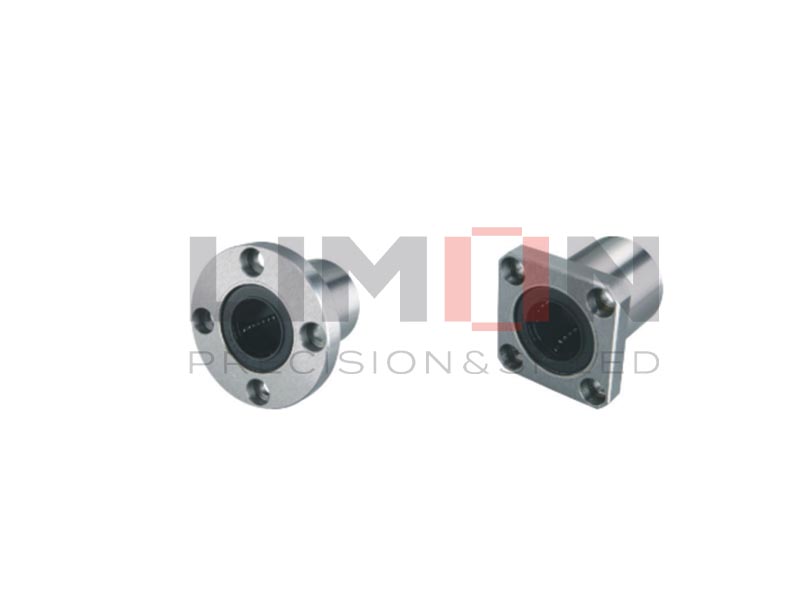
A ball screw is only one component of a complete linear motion system. Its performance depends on how effectively it works with other components such as linear guide rails, linear bearings, actuators, motors, couplings, and control systems.
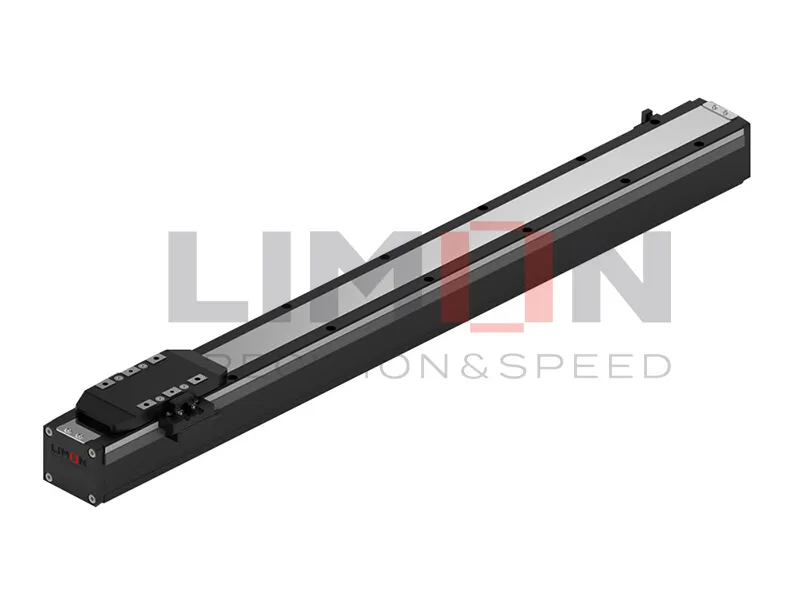
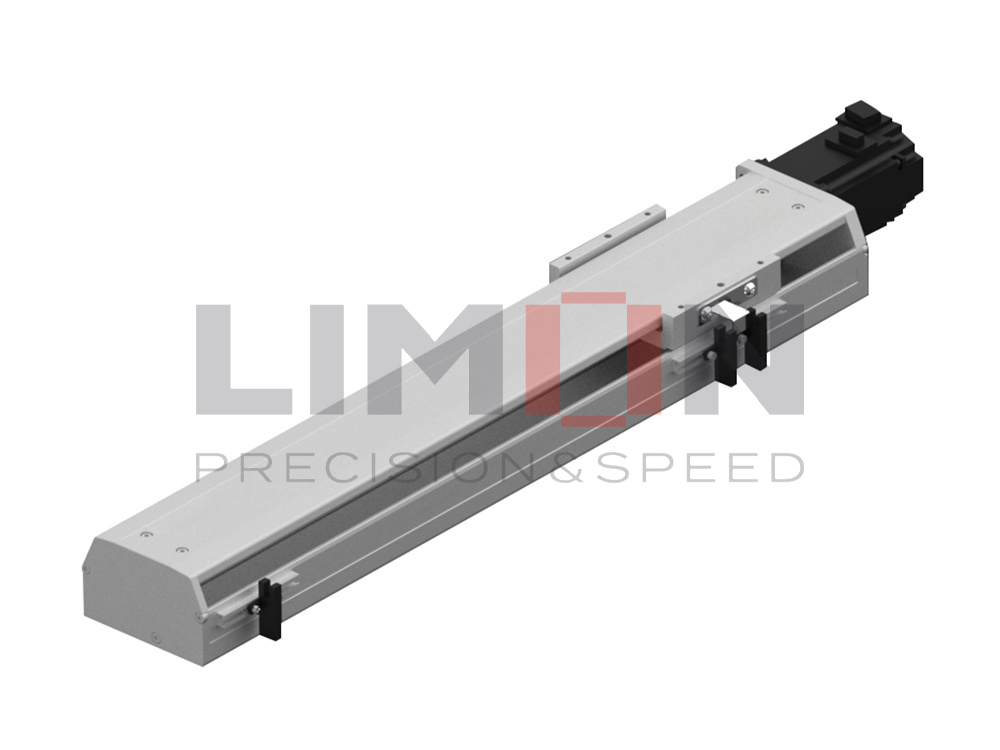
Limon specializes in linear motion products, including ball screws, linear guide rails, linear bearings, and linear actuators. With a fully integrated production line, Limon can maintain control over the manufacturing process while providing customers with reliable, high performance linear motion products.
Direct sales through the Limon website make product selection and communication more straightforward. Customers can discuss their actual application requirements and select components based on load, speed, stroke, accuracy, installation conditions, and other operating factors.
Product quality is especially important for industrial motion systems. A ball screw needs to provide stable and repeatable movement during repeated operating cycles. Limon focuses on high quality linear motion products designed to support demanding industrial applications.
Technical support is another important part of the customer experience. If you are uncertain about screw diameter, lead, accuracy, preload, support configuration, or compatibility with other linear motion components, professional guidance can help you select a more suitable solution.
More importantly, Limon can help customers look beyond a single component and consider the complete linear motion system. Combining ball screws with suitable linear guide rails, linear bearings, and linear actuators can help create a more coordinated and reliable machine design.
This integrated approach helps customers simplify sourcing while building linear motion systems around actual industrial requirements.
Conclusion
Ball screws provide an efficient and precise method for converting rotary motion into controlled linear movement. Their low friction, high efficiency, positioning capability, and repeatability make them valuable for CNC machines, industrial automation, robotics, and precision equipment.
Selecting the right ball screw requires more than checking its dimensions. Load, speed, stroke, lead, accuracy, preload, installation, lubrication, and compatibility with other components should all be considered.
Limon provides reliable, high performance linear motion solutions supported by a fully integrated production line, direct sales, quality focused manufacturing, and professional technical support.
When your machine depends on accurate and reliable linear movement, choosing the right ball screw and the right manufacturing partner can make a significant difference. Choose Limon for dependable linear motion solutions built around real industrial requirements.