Understanding Linear Modules in CNC Machining
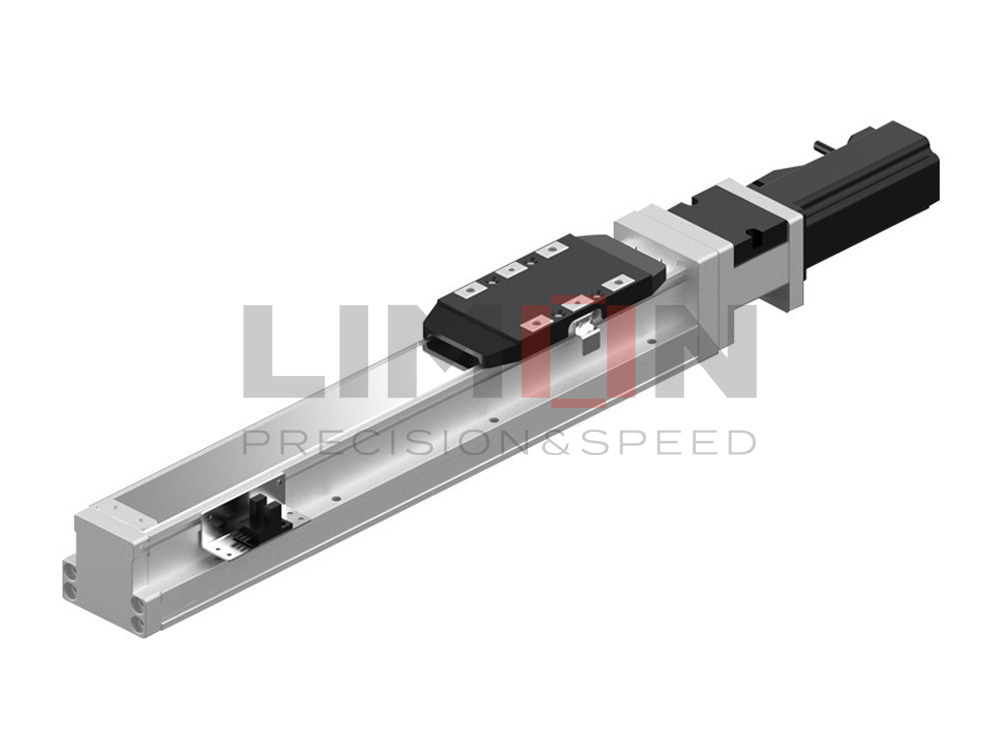
Linear modules, also known as linear actuators, convert rotary motion into linear motion with high precision. In CNC (Computer Numerical Control) machining, these modules are pivotal for controlling the movement and positioning of machine components. The integration of linear modules into CNC machines allows for precise, repeatable movements, which is essential for producing high-quality parts.
Precision: The Hallmark of Linear Modules in CNC Machining
The precision provided by linear modules in CNC machining cannot be overstated. Even minor deviations can lead to significant errors in the final product. Linear modules ensure micron-level accuracy, making them indispensable in industries with tight tolerance requirements, such as aerospace, automotive, and medical device manufacturing. The precision of linear modules ensures that every component meets strict specifications, reducing waste and rework.
Enhancing Efficiency and Reducing Downtime
Linear modules also play a key role in enhancing the efficiency of CNC machining processes. Traditional mechanical systems often suffer from wear and tear, leading to maintenance issues and downtime. However, linear modules are designed for durability, with fewer moving parts, resulting in reduced maintenance needs and extended operational life.
The use of linear modules in CNC machining allows for faster, smoother movements, significantly reducing cycle times. This efficiency is particularly advantageous in a competitive manufacturing landscape, enabling businesses to meet tight deadlines and increase production capacity without sacrificing quality.
The Versatility and Flexibility of Linear Modules
One of the standout features of linear modules in CNC machining is their versatility. Whether it’s high-speed machining, handling heavy loads, or performing delicate, intricate work, linear modules can be tailored to specific applications. This flexibility makes them ideal for a wide range of CNC machining tasks, from prototyping to mass production.
The modular design of linear modules also allows for easy integration into existing CNC machines or new setups. This adaptability is crucial for manufacturers looking to upgrade their equipment or expand their production capabilities without significant investment.
Future-Proofing CNC Machining with Advanced Linear Modules
As CNC machining evolves, the demand for more precise and efficient systems grows. Linear modules are a critical component in this evolution, seamlessly integrating with modern control systems and smart manufacturing technologies. Investing in advanced linear modules not only enhances current operations but also prepares businesses for future advancements in CNC machining and Industry 4.0.
Real-World Success Stories with Linear Modules
Many of my clients have experienced remarkable improvements by incorporating linear modules into their CNC machining processes. For instance, an aerospace manufacturer improved the precision and reliability of their components, while a medical device company reduced production times by 20%, thanks to the efficiency of linear modules.
Conclusion: Leveraging Linear Modules for CNC Machining Excellence
Linear modules are a cornerstone of modern CNC machining, offering unmatched precision, efficiency, and versatility. By integrating these components, businesses can enhance their production capabilities and stay competitive in a rapidly evolving market. If you’re looking to optimize your CNC machining processes and future-proof your operations, exploring the benefits of linear modules is a smart investment.