Are you losing accuracy, efficiency, or productivity because you chose the wrong motor technology?
The debate between stepper vs servo motor depends on application needs. Stepper motors are cost-effective and simple for low-speed positioning, while servo motors provide higher speed, torque, accuracy, and closed-loop feedback for advanced automation and precision motion control.
Let’s compare performance, applications, costs, and how to choose the right motor system.
Stepper vs Servo Motor: What’s the Core Difference?
The biggest difference in stepper vs servo motor technology lies in how motion is controlled. Stepper motors move in fixed increments, while servo motors use continuous feedback to adjust motion in real time.
In a typical stepper motor vs servo motor comparison:
- Stepper motors operate in open-loop systems
- Servo motors operate in closed-loop systems with encoders
This means a servo motor vs stepper motor setup can automatically correct positioning errors, while stepper systems cannot detect missed steps.
When comparing stepper motors vs servo motors, servo systems usually offer:
- Higher efficiency
- Faster acceleration
- Greater torque at high speeds
- Better positioning accuracy
However, stepper systems remain popular because they are simpler and more affordable for light-duty applications.
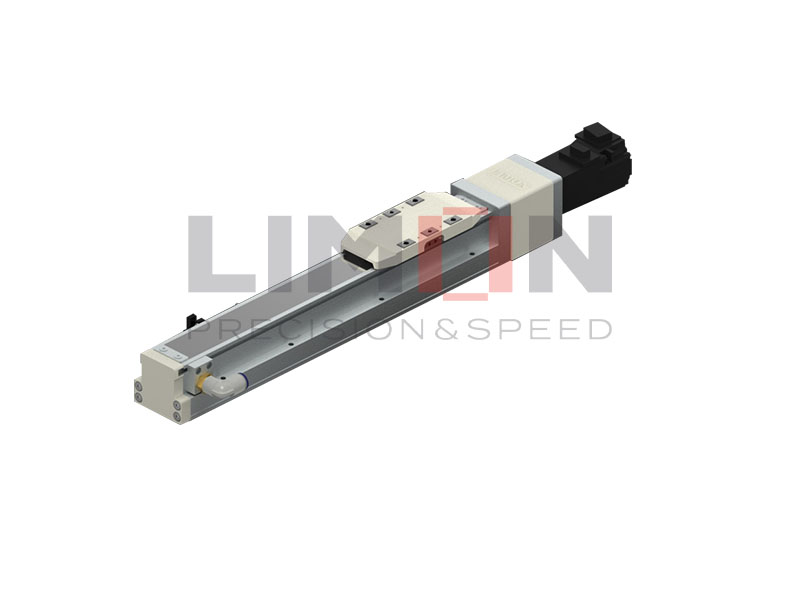
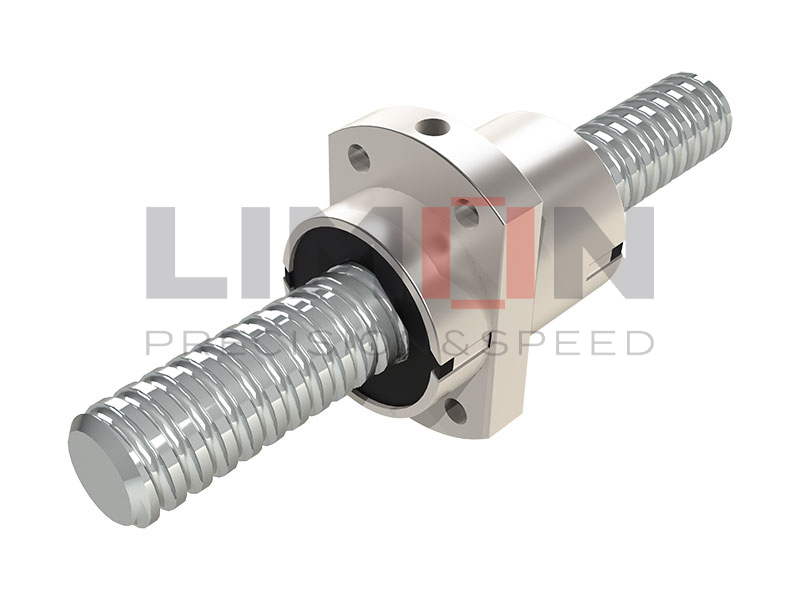
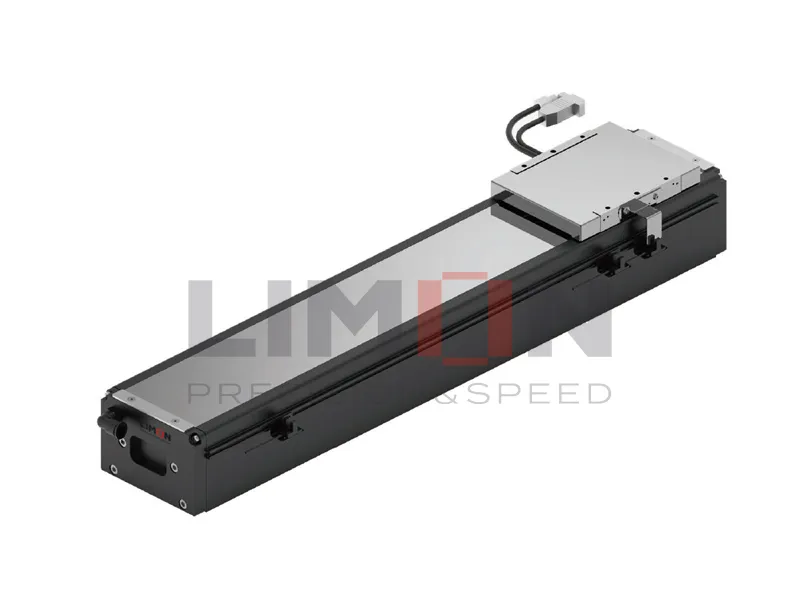
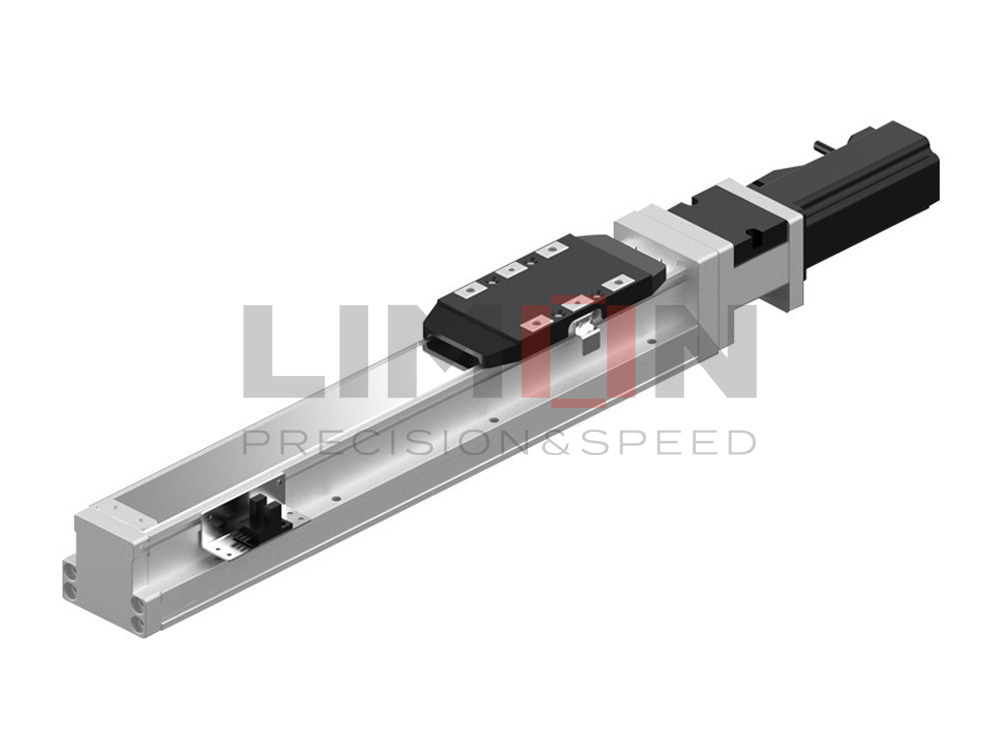
At Limon, we help customers optimize both servo and stepper motor solutions by integrating them with high-performance linear guides, ball screws, and actuators manufactured through our fully integrated production line.
Servo vs Stepper: Which Performs Better in Industrial Automation?
In the discussion of servo vs stepper, performance requirements are the deciding factor.
Stepper Motor Advantages
- Lower initial cost
- Simple control systems
- Excellent low-speed holding torque
- Ideal for compact automation equipment
Servo Motor Advantages
- High-speed operation
- Closed-loop precision control
- Lower heat generation
- Better efficiency under varying loads
For applications requiring high precision and dynamic movement, the answer to servo or stepper is usually servo motors. Modern CNC machines, robotics, and semiconductor equipment often depend on servo technology because even small positioning errors can affect productivity and product quality.
However, a stepper motor or servo motor decision should always consider budget, speed, and operating environment.
Limon’s technical team helps customers evaluate whether a servo motor and stepper motor solution is best for their automation system, ensuring maximum performance and cost efficiency.
Stepper Motor vs Servo Motor in Linear Motion Applications
The comparison between stepper motor vs servo motor becomes especially important in linear motion systems.
Linear guides, ball screws, and actuators all depend on precise motor control to achieve smooth and repeatable movement. In these systems:
- Stepper motors are often used in light-load positioning systems
- Servo motors are preferred for high-speed and high-load automation
A servo motor vs stepper configuration offers superior motion smoothness because the system continuously adjusts torque and position in real time.
For example, in CNC machinery, servo motors improve cutting precision and reduce vibration during rapid movement. In contrast, stepper systems may lose steps under sudden load changes.
Limon designs complete motion solutions optimized for both step motor vs servo motor applications. Our fully integrated manufacturing process ensures compatibility between motors and mechanical components, helping customers reduce installation complexity and improve system reliability.
Cost Comparison: Servo Motor or Stepper Motor?
One of the most common questions is whether a servo motor or stepper motor provides better value.
Stepper Motor Costs
Stepper systems generally have:
- Lower upfront costs
- Simpler controllers
- Lower maintenance requirements for basic applications
Servo Motor Costs
Servo systems typically involve:
- Higher initial investment
- More advanced drives and encoders
- Greater long-term efficiency and productivity
Although servo motors cost more initially, they often reduce operational costs through better efficiency, reduced downtime, and improved accuracy.
In the long-term debate of servo versus stepper, many manufacturers find servo systems more cost-effective for high-performance applications.
Limon helps customers balance performance and budget by providing customized motion solutions directly from our factory, eliminating unnecessary intermediaries and improving overall value.
Stepper and Servo Motor Applications Across Industries
Both stepper and servo motor technologies play important roles across industries.
Common Stepper Motor Applications
- 3D printers
- Small CNC machines
- Labeling systems
- Entry-level automation equipment
Common Servo Motor Applications
- Industrial robotics
- Semiconductor manufacturing
- High-speed packaging systems
- Precision medical equipment
In many advanced systems, engineers evaluate stepper motor or servo options based on precision requirements, cycle speed, and load variability.
Limon’s engineering team works closely with customers to ensure that the selected motor technology integrates seamlessly with our high-quality linear motion products, delivering reliable and efficient automation performance.
Future Trends: Servo vs Stepper in Smart Manufacturing
As Industry 4.0 continues to evolve, the future of servo vs stepper motor technology is changing rapidly.
Key Trends Include:
- Smarter closed-loop stepper systems
- AI-driven servo optimization
- Energy-efficient motion control
- Integration with IoT monitoring systems
While stepper motors are becoming more advanced, servo technology continues to dominate high-end automation because of its adaptability and precision.
The future debate of servo motor vs stepper will increasingly focus on intelligent motion control, predictive maintenance, and energy efficiency.
Limon remains committed to innovation, continuously improving our motion solutions to meet the changing demands of modern automation industries.
Why Limon Is Your Trusted Motion Solution Partner
Choosing between servo vs stepper motor is only part of the equation. Selecting the right manufacturing partner is equally important.
Limon offers:
- Fully integrated production line
- High-quality linear motion products
- Precision manufacturing capabilities
- Direct-to-customer pricing advantages
- Strong technical support and OEM/ODM services
Whether your project requires a servo motor and stepper motor integration or a fully customized motion system, Limon provides reliable, high-performance solutions designed for demanding industrial applications.
Conclusion: Choose the Right Motor Technology for Long-Term Success
The choice between stepper vs servo, servo or stepper, or stepper motor vs servo motor depends on your application’s speed, precision, load, and efficiency requirements.
Stepper motors offer simplicity and affordability, while servo motors provide unmatched precision and dynamic performance for advanced automation systems.
Limon combines engineering expertise, integrated manufacturing, and reliable technical support to help customers select the ideal motion solution for their needs.
With Limon, you gain more than components—you gain a trusted partner delivering reliable, high-performance linear motion solutions built for the future of automation.