Selecting the correct linear guide rail sizes is one of the most important decisions in any linear motion design. The right size ensures accuracy, load capacity, rigidity, and long-term reliability—while the wrong size can lead to vibration, premature wear, or costly downtime.
So how do you choose the right linear guide rail size for your application?
In this in-depth guide, we’ll explain:
- Standard linear guide rail dimensions
- How to read and use a linear guide rail sizes chart
- When and how to use a linear guide rail sizes calculator
- Practical sizing tips used by U.S. industrial engineers
- How Limon helps customers select optimized linear guide solutions
What Are Linear Guide Rails?
Linear guide rails (also known as linear motion guides or linear rails) are precision-engineered components that allow smooth, accurate linear movement with minimal friction. They are widely used in:
- CNC machines
- Industrial automation systems
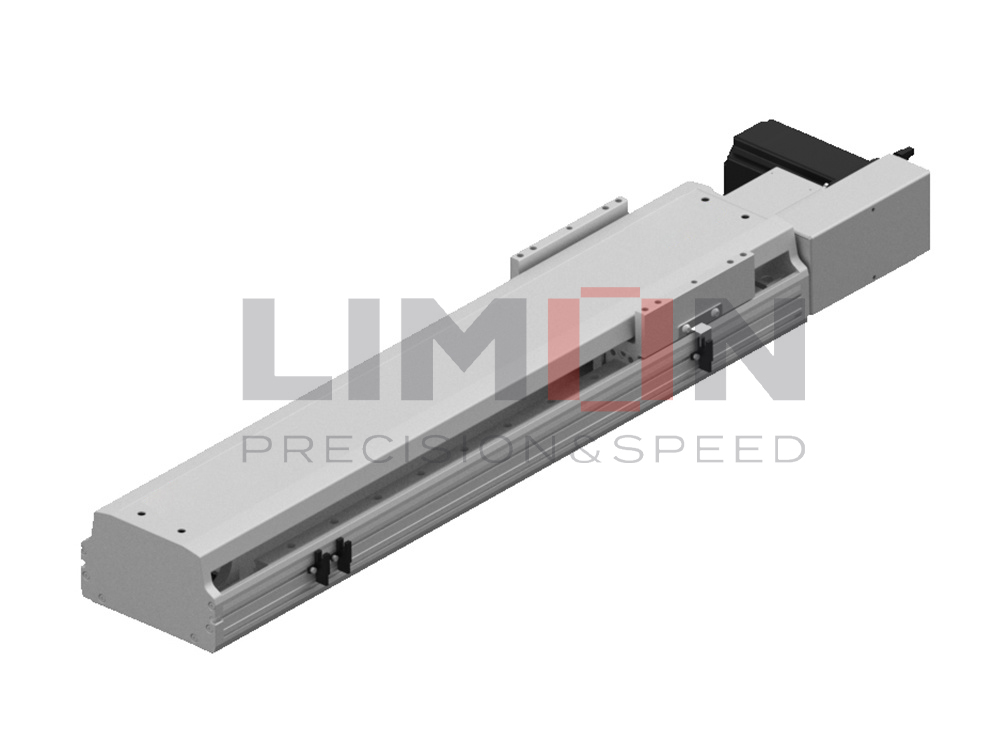
- Linear actuators
- Robotics
- Semiconductor and packaging equipment
A typical linear guide system consists of:
- A hardened steel rail
- One or more bearing blocks (carriages)
The size of the rail directly affects load capacity, stiffness, and system performance.
Why Linear Guide Rail Sizes Matter
Choosing the correct linear guide rail sizes is not just about fitting space constraints—it’s about engineering reliability.
The Right Size Helps You Achieve:
- Higher load ratings
- Better rigidity and accuracy
- Longer service life
- Reduced vibration and noise
- Improved system stability
Undersized rails may fail early, while oversized rails increase cost and inertia without real benefits.
Standard Linear Guide Rail Sizes Explained
Most manufacturers—including Limon—follow globally recognized sizing standards. Linear guide rail sizes are typically expressed in millimeters, referring to the rail width.
Common Linear Guide Rail Sizes (U.S. Industrial Standard)
- 15 mm
- 20 mm
- 25 mm
- 30 mm
- 35 mm
- 45 mm
- 55 mm
Each size represents a balance between compactness and load-carrying capability.
Linear Guide Rail Sizes Chart (Typical Reference)
Below is a simplified linear guide rail sizes chart used by engineers during initial selection:
| Rail Size (mm) | Typical Load Capacity | Common Applications |
| 15 | Light | Medical devices, 3D printers |
| 20 | Medium-light | Small CNC, automation |
| 25 | Medium | Packaging, pick-and-place |
| 30 | Medium-heavy | CNC machines, robotics |
| 35 | Heavy | Industrial automation |
| 45 | Very heavy | Large machine tools |
| 55 | Ultra-heavy | High-load gantry systems |
Tip: Always confirm final selection using full load calculations and real operating conditions.
Understanding Linear Guide Rail Dimensions
When evaluating linear guide rail dimensions, engineers look beyond just the nominal rail size.
Key dimensions include:
- Rail width
- Rail height
- Mounting hole spacing
- Mounting hole diameter
- Block width and height
- Dynamic and static load ratings
These dimensions affect:
- Installation compatibility
- Structural stiffness
- System accuracy
- Ease of maintenance
Limon provides detailed dimensional drawings for every linear guide model to ensure seamless integration.
How to Use a Linear Guide Rail Sizes Calculator
A linear guide rail sizes calculator helps engineers quickly narrow down suitable options based on real-world conditions.
Typical Inputs:
- Load weight (including payload + moving mass)
- Load direction (vertical, horizontal, moment loads)
- Stroke length
- Speed and acceleration
- Desired service life
- Safety factor
Calculator Output:
- Recommended rail size
- Required number of bearing blocks
- Expected service life
At Limon, our engineers use professional-grade sizing tools—combined with real manufacturing experience—to ensure optimal results beyond basic calculators.
Key Factors When Choosing Linear Guide Rail Sizes
1.Load and Moment Loads
Consider not only vertical loads but also:
- Pitch
- Roll
- Yaw moments
Moment loads often drive the rail size selection.
2.Accuracy Requirements
Higher precision applications benefit from:
- Larger rail sizes
- Higher preload classes
- Better rigidity
3.Speed and Acceleration
High-speed systems require:
- Sufficient stiffness
- Proper lubrication
- Stable rail mounting
4.Installation Space
Compact machines may require smaller rails, but never compromise safety margins just to save space.
5.Environment
Dust, moisture, or temperature extremes may require:
- Larger sizes
- Sealed bearing blocks
- Special surface treatments
Linear Guide Rail Sizes in Real Applications
CNC Machine Tools
Common sizes: 25–35 mm
Focus: rigidity, accuracy, vibration control
Industrial Automation Lines
Common sizes: 20–30 mm
Focus: speed, repeatability, long duty cycles
Heavy Gantry Systems
Common sizes: 45–55 mm
Focus: high load capacity, structural stability
Linear Actuators
Rail sizes are matched carefully with:
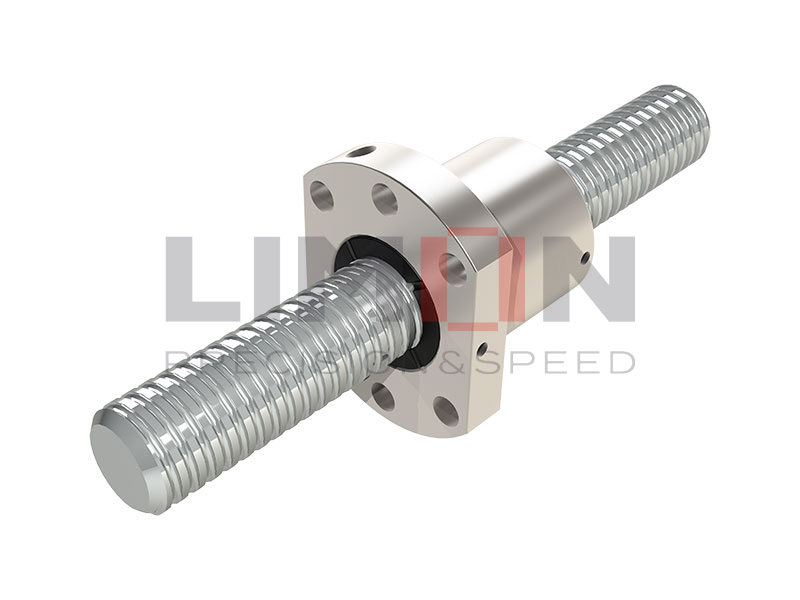
- Ball screw diameter
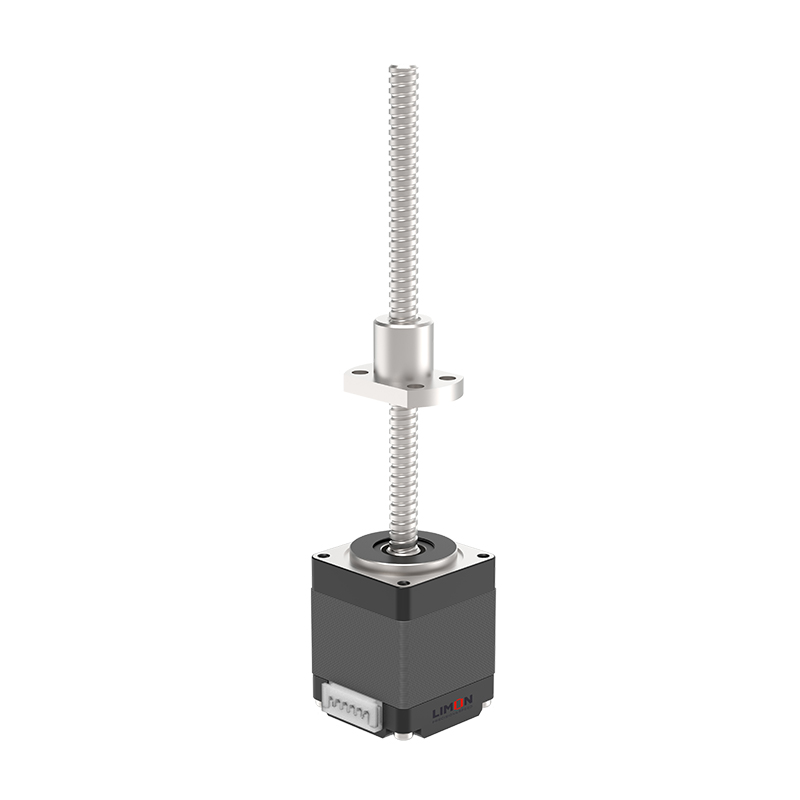
- Servo motor torque
- Desired thrust output
Why Limon Linear Guides Stand Out
As a fully integrated linear motion manufacturer, Limon controls every stage of production—from raw materials to finished components.
What This Means for You:
- Consistent rail dimensions and tolerances
- Servo-ready linear guide solutions
- Custom rail lengths and configurations
- Faster lead times and stable quality
Our linear guide rails are designed to work seamlessly with Limon ball screws, linear bearings, and linear actuators—ensuring system-level optimization.
Choosing the Right Linear Guide Rail Size with Limon
Selecting the correct linear guide rail sizes doesn’t have to be complicated.
Whether you’re:
- Designing a new machine
- Upgrading existing equipment
- Optimizing a servo-driven linear axis
Limon’s engineering team can help you:
- Interpret a linear guide rail sizes chart
- Validate choices using a linear guide rail sizes calculator
Match rail dimensions with real operating conditions.
Final Thoughts: Size Matters in Linear Motion
Choosing the correct linear guide rail dimensions is foundational to machine performance, reliability, and long-term cost efficiency.
By understanding:
- Load requirements
- Rail sizing standards
- Real-world application demands
You can design systems that perform better and last longer.
If you’re looking for high-performance linear guide rails engineered for modern industrial automation, Limon is your trusted partner.
2.jpg)