⚠️ Unstable motion causes inaccurate positioning, faster wear, and production downtime. If ignored, it can reduce product quality and increase maintenance cost. A linear motion system solves this by guiding, driving, and controlling straight-line movement.
A linear motion system works by converting motor power into precise linear movement. It usually combines a drive unit, guideway, carriage, bearing, actuator, and control device to move loads smoothly, accurately, and repeatedly in automation equipment. Common drive types include ball screw, belt, linear motor, and rack and pinion systems.
To understand how it works, it is useful to look at the structure, motion process, and component functions.
What Is a Linear Motion System?
A linear motion system is a mechanical system used to move an object in a straight line. This movement may be horizontal, vertical, or angled, depending on the machine design. Unlike rotary motion, which moves around a center point, linear motion moves along a fixed path.
In industrial automation, linear motion systems are widely used in:
✅ CNC machines
✅ Packaging machines
✅ Semiconductor equipment
✅ Medical equipment
✅ LCD panel production
✅ Photovoltaic equipment
✅ Electronic manufacturing
✅ Pick-and-place systems
The main purpose of the system is not only to move a load, but also to ensure smooth movement, stable support, repeatable positioning, and long service life.
A complete system usually includes several key parts: linear guideway, drive mechanism, carriage, bearing or rolling elements, motor, controller, and support components. These parts work together to reduce friction, support the load, and control the movement accurately.
The Basic Working Principle
The basic working principle is simple:
➡️ Power is generated by the motor.
➡️ The drive mechanism transfers or converts the power.
➡️ The carriage moves along the guideway in a straight line.
➡️ The controller manages speed, direction, and position.
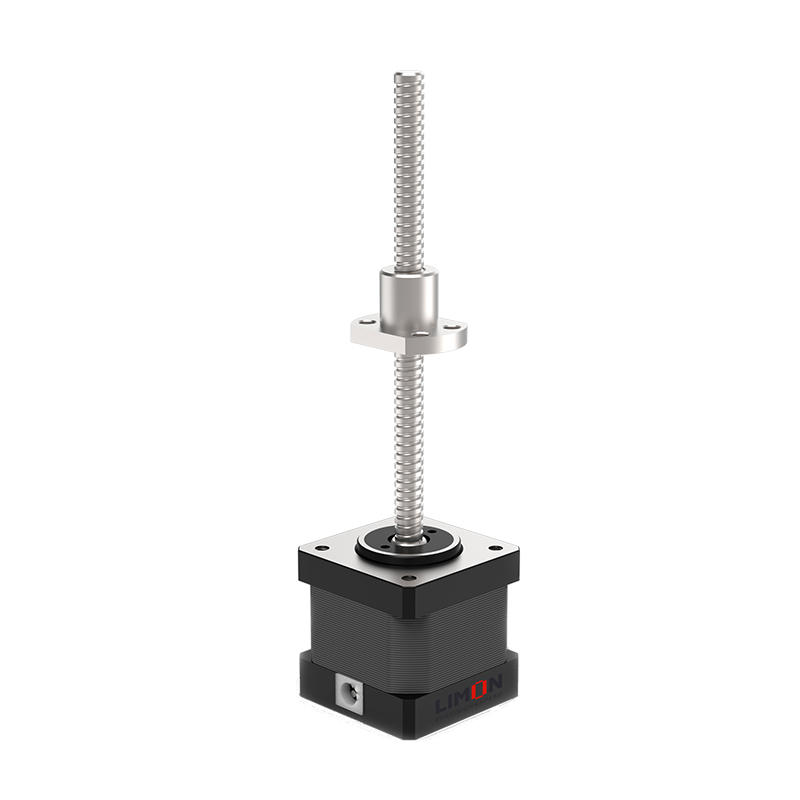
For example, in a ball screw driven system, the motor rotates the screw. As the screw turns, the ball nut moves along the screw shaft. This converts rotary motion into linear motion. Because balls roll between the screw and nut, friction is reduced and movement becomes smoother.
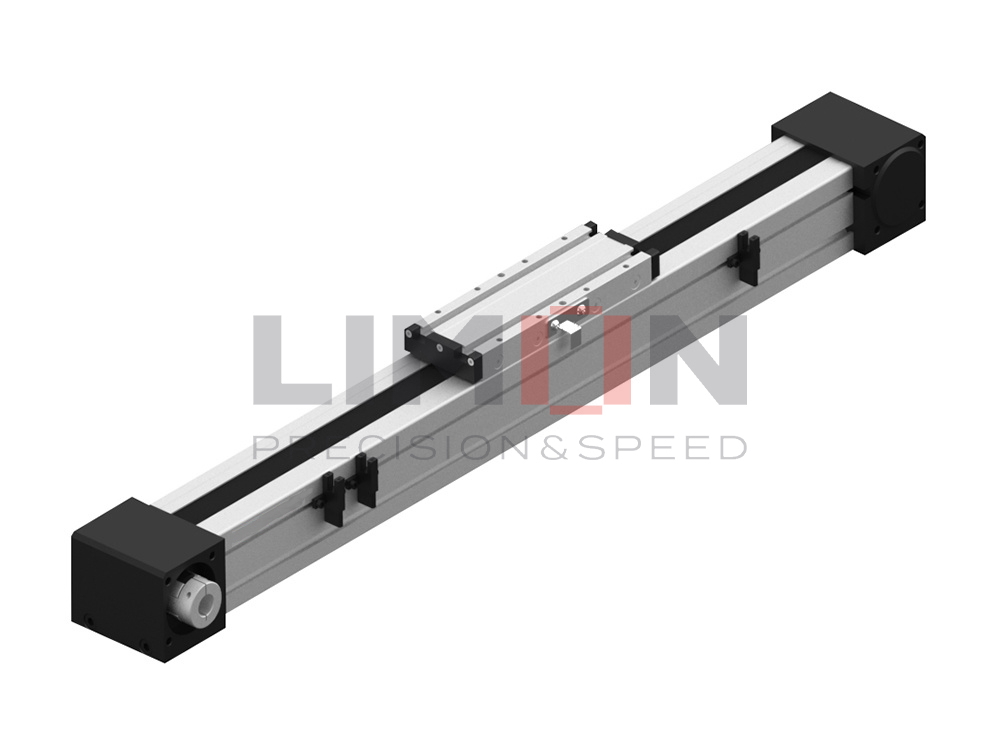
In a belt driven system, the motor turns a pulley. The belt then pulls the carriage along the guide rail. This structure is often suitable for long stroke and high-speed transfer applications.
In a linear motor driven system, the motor creates linear force directly. There is no need for a screw or belt to convert motion. This makes the system suitable for applications requiring high speed, high acceleration, quiet operation, and high precision.
Main Components of a Linear Motion System
1. Linear Guideway
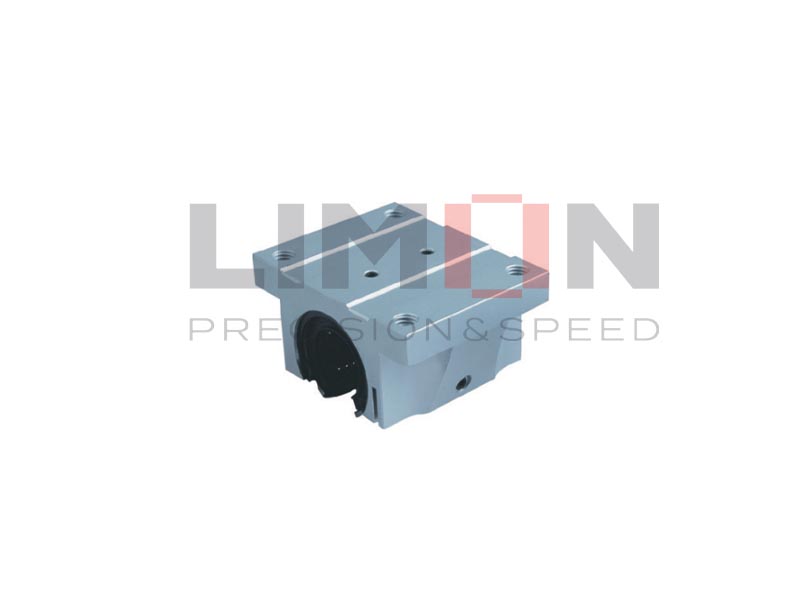
The linear guideway supports the moving load and keeps the carriage moving in a straight path. It usually includes a rail, block, and rolling elements such as balls or rollers.
A good guideway can provide:
✅ High rigidity
✅ Smooth operation
✅ Low friction
✅ Accurate guidance
✅ Stable load capacity in different directions
Some linear guideways are designed with self-aligning capability. This helps absorb certain installation errors and improves smooth motion during operation.
2. Drive Mechanism
The drive mechanism is the part that creates movement. Different drive types are selected according to application requirements.
Common options include:
🔹 Ball screw drive: suitable for high accuracy, rigidity, and repeatability.
🔹 Belt drive: suitable for fast movement and long stroke.
🔹 Linear motor drive: suitable for high precision, high speed, and direct motion.
🔹 Rack and pinion drive: suitable for long travel and strong load capacity.
The drive mechanism has a direct influence on speed, accuracy, load capacity, noise, and maintenance requirements.
3. Carriage or Slider
The carriage is the moving platform that carries the workpiece, fixture, tool, or mechanical component. It moves along the guideway while being driven by the screw, belt, motor, or rack system.
The carriage must have enough rigidity to avoid vibration and deformation. For high-precision equipment, carriage stability is especially important.
4. Motor and Drive Control
The motor provides power for the system. Common motor options include stepper motors, servo motors, and linear motors.
A stepper motor moves step by step according to pulse signals. It is often used in open-loop control systems.
A servo motor works with a servo drive and feedback device. It can control speed, torque, and position more accurately.
A linear motor produces direct straight-line motion and is often used in high-end automation systems.
The control system determines how far, how fast, and in which direction the system moves.
Step-by-Step Motion Process
The operation process of a linear motion system can be explained in five steps:
Step 1: The Controller Sends a Command
The controller sends a signal to the motor or drive. This signal may define speed, direction, stroke, acceleration, or target position.
Step 2: The Motor Generates Power
The motor converts electrical energy into mechanical energy. In most systems, this starts as rotary motion. In linear motor systems, the force is already linear.
Step 3: The Drive Transfers Motion
The drive component transfers or converts the motion. A ball screw converts rotation into linear movement. A belt transfers movement through pulley rotation. A linear motor moves directly without mechanical conversion.
Step 4: The Carriage Moves Along the Guideway
The carriage moves along the rail. Rolling elements reduce friction and help the system achieve smooth, stable, and repeatable travel.
Step 5: The System Stops at the Target Position
The system reaches the required position. In simple systems, position is controlled by pulse quantity. In advanced systems, feedback devices confirm the actual position and correct errors.
Why Accuracy Depends on System Design
The accuracy of a linear motion system depends on several factors:
✅ Drive type
✅ Guideway precision
✅ Rigidity
✅ Preload
✅ Mounting accuracy
✅ Lubrication condition
✅ Load weight
✅ Control method
For example, a ball screw with proper preload can reduce axial clearance and improve stiffness. A rigid guideway can reduce deflection under load. A servo system can improve positioning response and stability.
Installation quality is also important. If the rail is not aligned correctly or the mounting surface is uneven, the system may suffer from vibration, noise, unstable motion, or reduced service life.
Common Types of Linear Motion Systems
Ball Screw Driven System
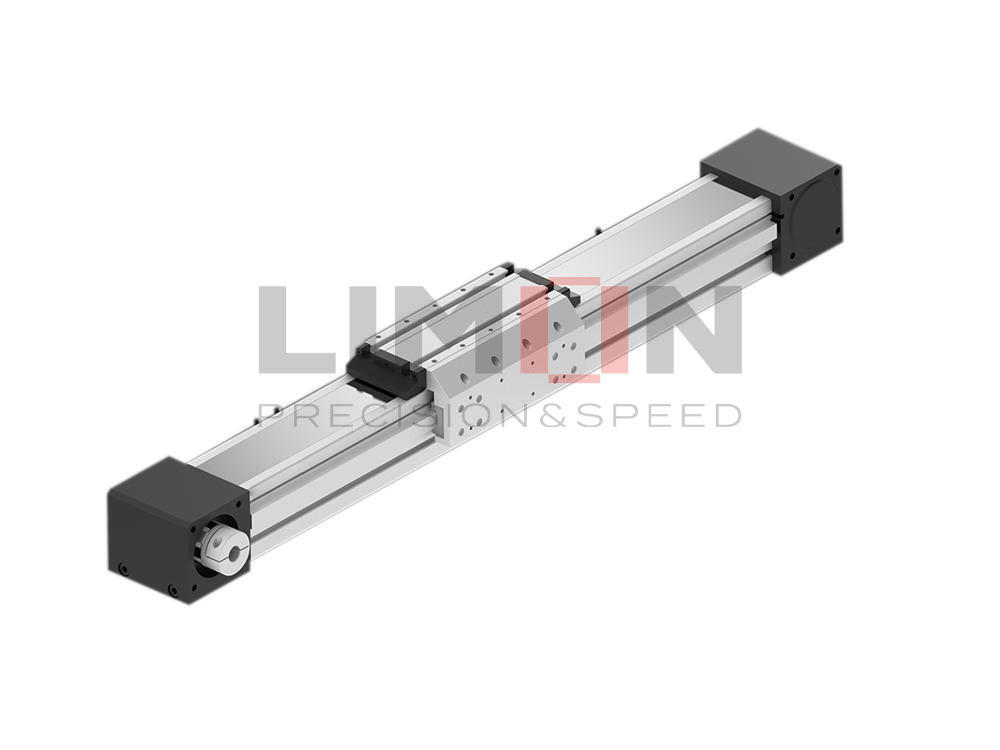
A ball screw driven system is suitable for applications requiring high precision, high rigidity, and smooth operation. It is commonly used in CNC machines, medical equipment, semiconductor equipment, and industrial automation.
Belt Driven System
A belt driven system is suitable for high-speed transfer and long stroke movement. It is often used in packaging machines, pick-and-place systems, and general automation equipment.
Linear Motor Driven System
A linear motor driven system provides direct motion with high acceleration and high precision. It is suitable for advanced automation, laser equipment, inspection systems, and clean production environments.
Multi-Axis Linear Motion System
A multi-axis system combines several linear axes to create X-Y, X-Z, or X-Y-Z movement. This allows machines to complete more complex tasks such as loading, assembly, testing, dispensing, cutting, and inspection.
How to Select the Right Linear Motion System
The right system should be selected according to the actual application. Important selection factors include:
✅ Load weight
✅ Stroke length
✅ Required speed
✅ Repeatability
✅ Working environment
✅ Mounting space
✅ Duty cycle
✅ Required service life
For long stroke and fast movement, a belt driven module may be suitable. For precise positioning, a ball screw driven module may be more appropriate. For ultra-high precision and direct drive performance, a linear motor system may be considered.
A professional selection process helps avoid problems such as undersized components, unstable operation, excessive vibration, and unnecessary cost.
LIMON Linear Motion Solutions
LIMON provides linear motion products including linear guideways, ball screws, linear modules, linear bearings, hollow rotary actuators, stepper motors, stepper motor drivers, linear stepper motors, and servo drives.
Its linear motion systems can support applications in LCD panel production, electronic manufacturing, photovoltaic equipment, machining, automotive equipment, medical equipment, food filling machines, and general industrial automation.
With different drive types and modular structures, LIMON can support both distributors and end users in selecting suitable solutions for different motion requirements.
A linear motion system works best when guide, drive, motor, control, and support components are correctly matched.