Is your machine losing accuracy or wearing out faster because you selected the wrong linear guide?
A linear guide ensures smooth, precise, and low-friction linear motion by supporting controlled movement under load. Choosing the correct guide requires evaluating linear guide dimensions, load capacity, linear guide calculation, and compatible linear guide carriages for optimal performance and reliability.
Let’s explore how linear guides work, how to size them, and how to choose the best solution for your application.
What Is a Linear Guide and Why Is It Essential?
A linear guide is a precision mechanical component that allows equipment to move smoothly along a straight path while minimizing friction and maintaining high positioning accuracy. It consists of a hardened guide rail and one or more linear guide carriages that contain recirculating balls or rollers. As the carriage travels along the rail, the rolling elements reduce friction, enabling stable, repeatable, and efficient motion.
Linear guides are indispensable in modern automation. They are widely used in CNC machining centers, industrial robots, semiconductor manufacturing equipment, packaging machinery, medical devices, automated inspection systems, and material handling equipment. Compared with traditional sliding mechanisms, linear guides provide greater rigidity, higher speed, and significantly longer service life.
The overall performance of a motion system depends not only on the guide rail itself but also on the quality of the linear guide carriages and the precision of the rail. Properly matched components improve positioning accuracy, reduce vibration, and extend equipment life.
At Limon, we manufacture precision linear guides using fully integrated production lines. Every rail and carriage is produced under strict quality control, ensuring consistent dimensions, smooth operation, and long-term reliability. Combined with direct factory sales and professional engineering support, we help customers build efficient and dependable automation systems.
Why Do Linear Guide Dimensions Matter?
Selecting the correct linear guide dimensions is one of the most important steps in machine design. Dimensions influence load capacity, rigidity, travel accuracy, installation space, and the overall performance of the equipment.
Rail width, carriage length, mounting hole spacing, and rail height must all match the application’s mechanical requirements. Larger guides generally support higher loads and greater rigidity, making them suitable for heavy-duty industrial equipment. Smaller guides are preferred for compact automation systems where space and weight are critical.
The number and size of linear guide carriages also affect system stability. Longer carriages distribute loads over a greater contact area, improving resistance to pitching, rolling, and yawing moments. Selecting the wrong carriage size can reduce positioning accuracy and shorten service life.
Engineers should also consider travel length, operating speed, environmental conditions, and available installation space when evaluating linear guide dimensions. Oversized guides may increase costs unnecessarily, while undersized guides may experience premature wear or excessive deflection.
Limon offers a complete range of linear guide sizes for applications ranging from miniature precision equipment to heavy industrial machinery. Our engineering team provides technical recommendations to ensure customers choose dimensions that balance performance, durability, and cost-effectiveness.
How Do You Perform a Linear Guide Calculation?
A proper linear guide calculation ensures that the selected guide can safely withstand the expected operating conditions throughout its service life. This process begins by evaluating the application’s static and dynamic loads.
Engineers typically calculate vertical loads, horizontal forces, acceleration, deceleration, and external moments acting on the guide system. These values are then compared with the guide’s rated dynamic and static load capacities to determine an appropriate safety factor.
Travel speed, operating frequency, duty cycle, and required service life should also be included in the linear guide calculation. High-speed applications generate additional dynamic forces that influence bearing life and lubrication requirements.
Environmental factors such as dust, coolant, vibration, and operating temperature may require higher safety margins or specialized sealing solutions. Accurate calculations reduce unexpected failures, improve machine reliability, and minimize maintenance costs.
At Limon, our experienced engineering team assists customers with linear guide calculations based on actual application requirements. Combined with our high-precision manufacturing capabilities, we help customers select the most suitable linear motion solution while optimizing long-term performance and equipment reliability.
What Are Linear Guide Carriages and How Do They Affect Performance?
The linear guide carriages are the moving components that travel along the guide rail while supporting the machine load. Inside each carriage, precision rolling elements circulate continuously, allowing smooth movement with extremely low friction.
Different carriage designs are available to accommodate varying load capacities and installation requirements. Standard carriages offer a balanced combination of speed and accuracy, while long-type carriages provide greater rigidity and higher moment load capacity. Compact versions are ideal for applications where installation space is limited.
The preload level of the carriage significantly affects system performance. Higher preload increases rigidity and positioning accuracy but also raises friction and operating resistance. Selecting the appropriate preload depends on machine precision, operating speed, and expected vibration levels.
Proper lubrication is equally important for maintaining the service life of linear guide carriages. Regular lubrication reduces wear, lowers operating temperature, and protects internal rolling elements from contamination.
Limon manufactures precision guide carriages using advanced machining, grinding, heat treatment, and assembly processes. Every product undergoes strict inspection to ensure smooth operation, consistent preload, and reliable performance across demanding industrial environments.
How Is a Linear Guide Rail Sliding Table Used in Automation?
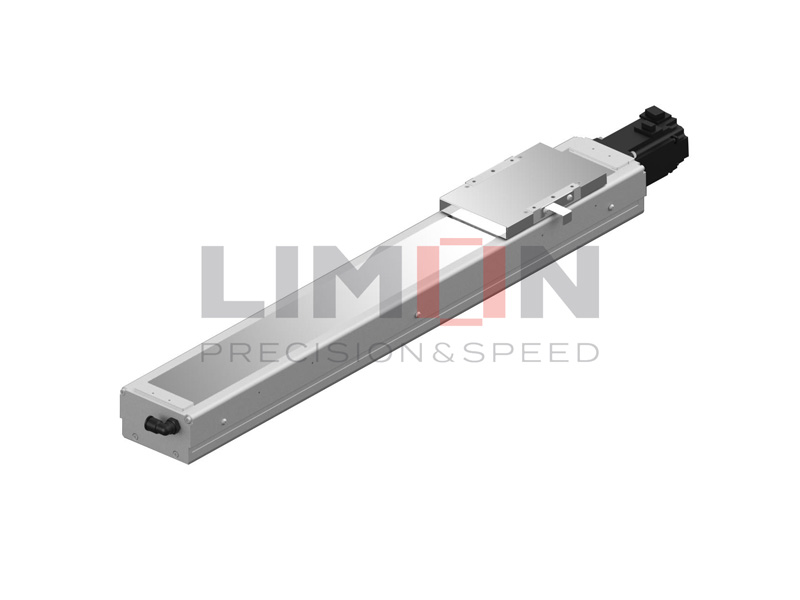
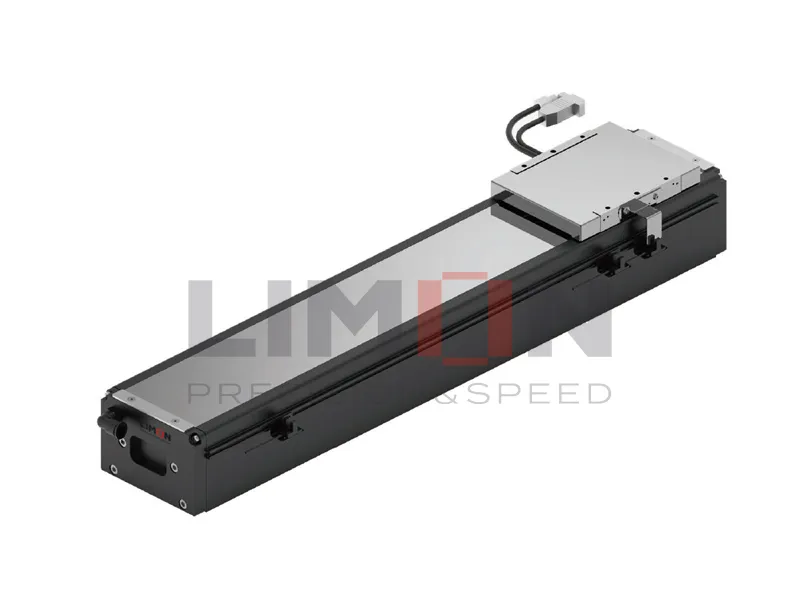
A linear guide rail sliding table combines linear guides with a moving platform to create a complete linear positioning system. These assemblies are widely used wherever accurate and repeatable linear movement is required.
Typical applications include automated assembly equipment, semiconductor manufacturing, laboratory automation, laser engraving, packaging machinery, electronic inspection systems, and precision material handling. Depending on the application, the sliding table may be driven by a ball screw, timing belt, rack and pinion, or linear motor.
The precision of the linear guide rail sliding table depends heavily on the quality of the guide rail and carriage assembly. High-quality guides reduce vibration, improve positioning repeatability, and maintain smooth motion even under continuous operation.
Modern sliding tables often integrate servo motors, sensors, and intelligent control systems, enabling synchronized multi-axis motion and automated positioning with exceptional accuracy.
Limon supplies precision linear guides and related motion components that integrate seamlessly into sliding table systems. Our fully integrated manufacturing process ensures consistent quality, rapid production, and dependable performance for customers building advanced automation equipment.
Why Choose Limon for Your Linear Guide Solutions?
Choosing the right supplier is just as important as selecting the right product. Manufacturing capability, quality control, and engineering support all influence the long-term success of your automation project.
Limon specializes in manufacturing precision linear motion products, including linear guides, ball screws, linear bearings, and linear actuators. Our vertically integrated production process covers machining, heat treatment, grinding, assembly, and inspection, allowing us to maintain strict quality standards throughout every manufacturing stage.
Unlike many suppliers, we sell directly through our independent website, providing factory-direct pricing without compromising quality or service. Customers receive responsive technical support, application guidance, and customized solutions tailored to specific project requirements.
Our precision manufacturing, rigorous quality management, and continuous investment in advanced production technology ensure every linear guide delivers reliable performance, excellent durability, and outstanding positioning accuracy. Whether your project involves industrial automation, robotics, CNC equipment, medical devices, or semiconductor manufacturing, Limon provides dependable linear motion solutions designed for long-term success.
Conclusion
A high-quality linear guide is the foundation of precise, reliable, and efficient linear motion. By selecting the correct linear guide dimensions, performing accurate linear guide calculation, choosing suitable linear guide carriages, and integrating a precision linear guide rail sliding table, manufacturers can significantly improve machine performance and operational reliability.
At Limon, we combine fully integrated manufacturing, premium-quality linear motion products, factory-direct sales, and professional technical support to deliver reliable, high-performance linear motion solutions. Whether you’re designing new automation equipment or upgrading an existing system, Limon is your trusted partner for precision linear motion technology.