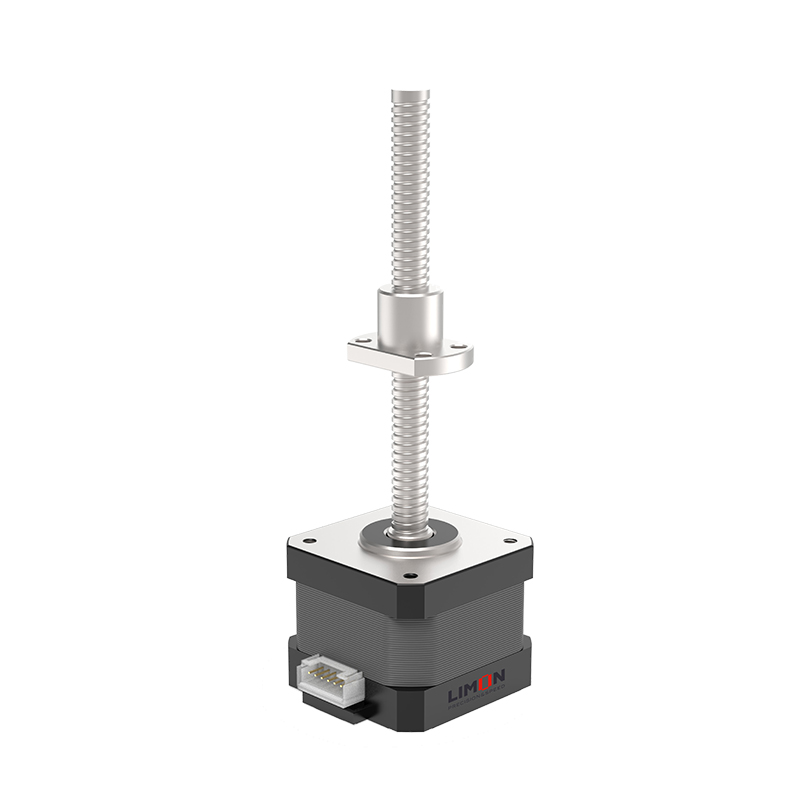
Discover the fascinating realm of stepper motors and their ability to translate electrical pulses into exact mechanical movements. This exploration into their fundamental mechanisms unveils the captivating technology behind their widespread applications.
Fundamental Mechanism
Stepper motors, at their cores, harness the power of electromagnetism. The pivotal rotors respond to magnetic fields generated by the stators, orchestrating controlled and precise movements that form the basis of their functionality.
Steps and Resolution
The term ‘steppers’ derive from the motors’ distinctive capability to move in precise steps. The resolution, determining the number of steps per revolution, defines the motors’ precision. This unique characteristic positions stepper motors as indispensable in tasks that demand accurate positioning.
Controlled by Pulses
Stepper motors exhibit a unique responsiveness to pulses. Each pulse corresponds to specific steps, and the sequence of pulses dictates both the direction and extent of the motors’ rotation. This inherent controllability sets stepper motors apart in applications where precision and accuracy are paramount.
Applications in Precision Engineering
The intricate dance of electromagnetism within stepper motors grants them unparalleled precision. Engineers leverage this precision in critical applications such as robotics, where exact positioning is essential, and CNC machines, where the quality of the output is defined by accuracy.

Understanding the inner workings of stepper motors is like peering into the heart of precision engineering. As we delve deeper into the world of stepper motors, upcoming topics will shed light on their diverse types, applications, and the nuanced choices involved in harnessing their capabilities. Explore the magic within these motors and unlock their potential for precise and controlled movements.