Are inconsistent positioning, slow response, or unstable motion limiting the performance of your automation equipment?
Servo drives precisely control servo motor speed, torque, and position using feedback from an encoder. In linear motion systems, they improve positioning accuracy, motion response, acceleration control, and repeatability for demanding automation applications.
Let’s look at how servo drives work, their applications, and how to choose the right solution.
What Is a Servo Drive and How Does It Work?
A servo drive is an electronic device that controls the operation of a servo motor. It receives commands from a motion controller and regulates the motor’s speed, torque, and position according to the application’s requirements.
Unlike a basic motor controller, a servo drive typically works with an encoder or another feedback device. The encoder continuously provides information about the motor’s actual position and speed. The drive compares this feedback with the commanded movement and makes real-time adjustments when necessary.
This closed-loop control is particularly useful for linear motion systems. When a servo motor drives a ball screw, belt mechanism, or linear actuator, the servo drive helps the system achieve controlled and repeatable movement.
For applications involving frequent acceleration, precise positioning, or changing loads, a properly configured servo system can provide much better motion control than a simple open-loop motor system.
Why Is an AC Servo Drive Important for Linear Motion?
An AC servo drive is commonly used when an automation system requires accurate and responsive motor control. It regulates the electrical power supplied to an AC servo motor, allowing the motor to respond quickly to commands from the controller.
In linear motion applications, this control becomes especially important when equipment needs to move to multiple positions or operate at different speeds. For example, a servo motor connected to a ball screw can provide accurate linear positioning for machine tools, inspection equipment, automated assembly systems, and production machinery.
The value of an AC servo drive is not simply high speed. Its main advantage is precise control. With appropriate system configuration and tuning, it can help reduce overshoot, vibration, and unnecessary acceleration.
However, the servo drive is only one part of the system. The ball screw, linear guide, bearing, motor, encoder, and mechanical structure must all be properly matched. Limon focuses on these complete linear motion requirements, helping customers select compatible mechanical components for their applications.
How Do Servo Drives Improve Positioning Accuracy?
Positioning accuracy depends on more than the servo drive itself. Mechanical rigidity, transmission accuracy, backlash, alignment, encoder resolution, and control parameters all affect the final result.
A servo drive contributes by continuously comparing the commanded position with feedback from the motor. If a difference occurs, the drive adjusts motor output to reduce the error.
When combined with a precision ball screw and suitable linear guide, this closed-loop control can provide stable and repeatable linear positioning. It is particularly valuable in applications that require frequent start-and-stop movement, rapid acceleration, multiple positioning points, or synchronized movement.
For example, a machine may need to move a workpiece to several defined positions during one production cycle. A properly configured servo system can control each movement with predictable acceleration, speed, and stopping behavior.
Limon’s integrated manufacturing capabilities provide customers with access to key linear motion components from one manufacturer. This makes it easier to consider the mechanical system as a whole instead of selecting individual components without considering their interaction.
Where Are Servo Drives Used?
Servo drives are widely used in industrial automation where accurate and repeatable motion is essential. They can control rotary or linear motion and are commonly integrated into machines that require dynamic positioning.
Typical applications include:
CNC machines: Precise positioning and coordinated movement between machine axes.
Robotics: Controlled motion across multiple axes for automated operations.
Packaging machines: Fast positioning and repeatable movement during packaging cycles.
Inspection equipment: Stable linear movement for scanning, measurement, and testing.
Assembly equipment: Accurate positioning during automated assembly processes.
Material handling systems: Controlled acceleration and deceleration when moving different loads.
In linear motion equipment, servo drives may operate ball screws, belt-driven axes, rack-and-pinion mechanisms, or linear actuators.
The best transmission method depends on the application. Ball screws are often selected for high positioning accuracy and controlled movement, while belt-driven systems can be advantageous for longer travel and higher linear speeds.
Therefore, engineers should evaluate the servo drive, motor, and mechanical transmission as a complete motion system.
How Should You Choose a Servo Drive?
Choosing a servo drive should begin with the actual requirements of the machine rather than motor power alone.
Consider the following factors:
Load: Determine the total moving mass and external forces acting on the system.
Speed: Define the required linear speed, acceleration, and deceleration.
Positioning: Establish the required positioning accuracy and repeatability.
Transmission: Determine whether the application uses a ball screw, belt, rack, or another mechanism.
Duty Cycle: Consider how frequently the system operates and whether it runs continuously or intermittently.
Feedback: Select an appropriate encoder and feedback configuration.
Operating Environment: Consider temperature, dust, vibration, and other environmental conditions.
The relationship between the servo motor and mechanical transmission is also important. For example, the pitch of a ball screw determines how much linear travel is produced by each motor revolution. The servo drive must therefore be configured according to the mechanical characteristics of the complete system.
Choosing components individually without considering these relationships can lead to unnecessary vibration, poor positioning performance, or inefficient operation.
Why Choose Limon for Linear Motion Solutions?
A reliable servo system requires reliable mechanical components. Even a high-performance servo drive cannot compensate for excessive mechanical play, poor alignment, insufficient rigidity, or an incorrectly selected transmission system.
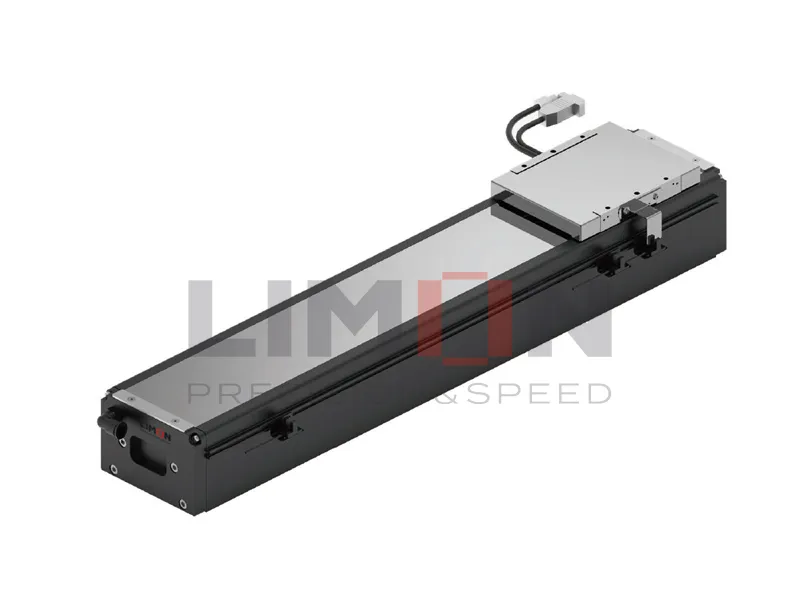
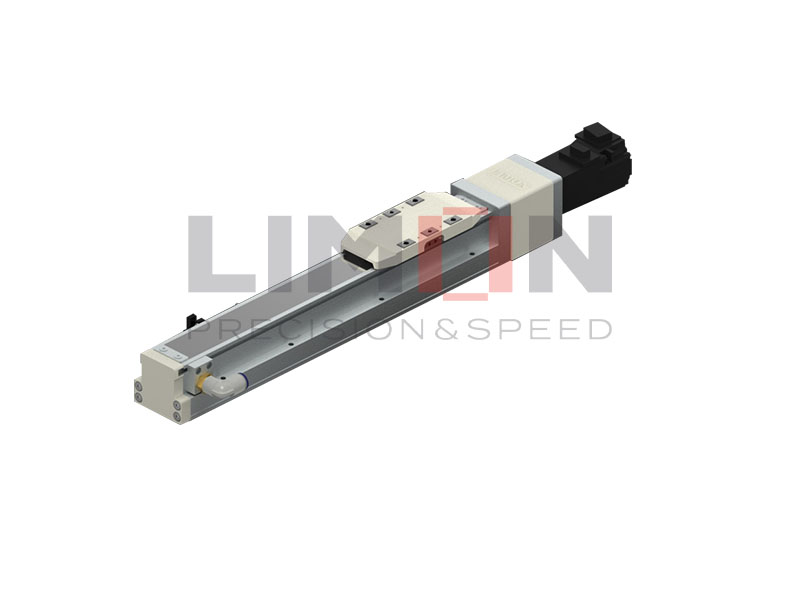
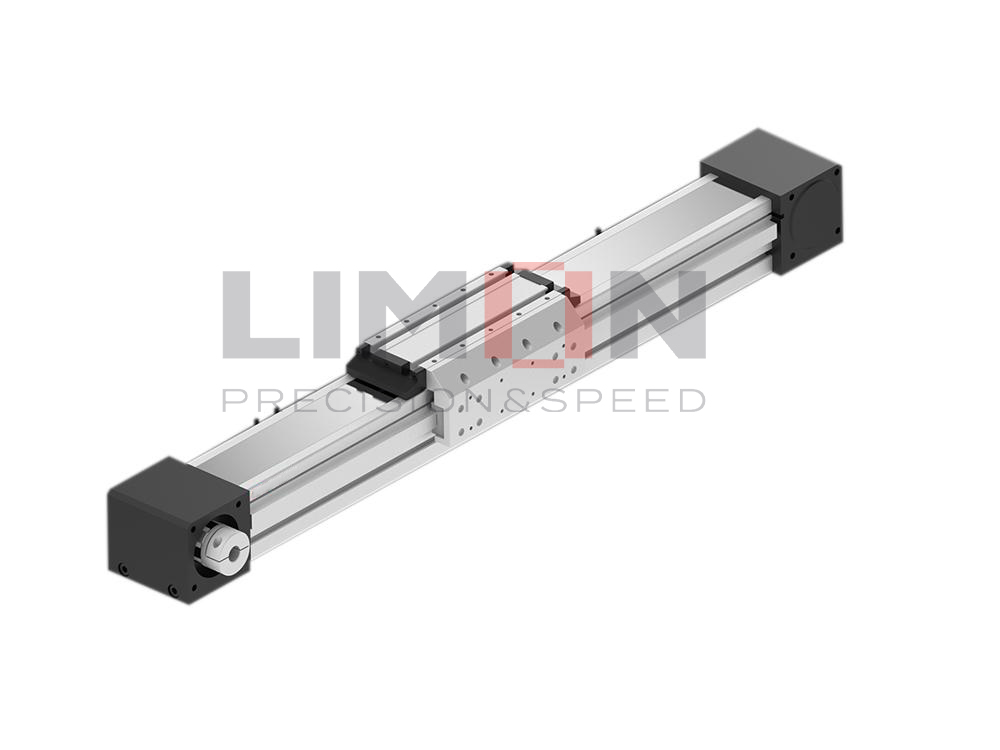
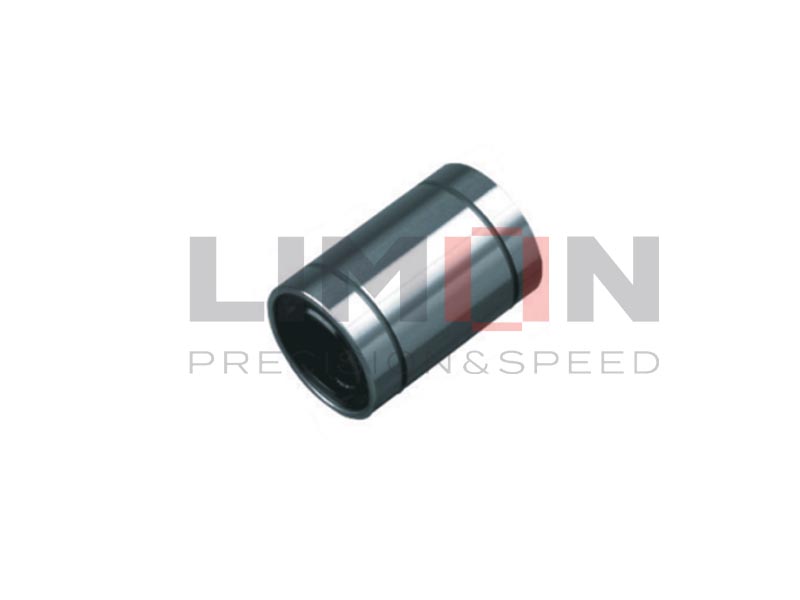
Limon provides a range of linear motion products, including linear guide rails, ball screws, linear bearings, and linear actuators. These products can be used together to create complete linear motion solutions for industrial automation.
One of Limon’s key advantages is its integrated production line. By managing important manufacturing processes internally, Limon can maintain consistent product quality and provide more reliable supply for different application requirements.
Limon also sells directly through its independent website, allowing customers to communicate directly with the manufacturer. This direct approach simplifies product selection, specification discussions, customization, and technical support.
Whether you are designing a new automation machine or upgrading an existing system, Limon can help you evaluate the mechanical requirements and identify suitable linear motion components.
The goal is not simply to provide individual products. It is to help customers build reliable, high-performance motion systems.
Conclusion
Servo drives provide precise control of servo motor speed, torque, and position, making them an important part of modern automation systems. When properly matched with ball screws, linear guides, bearings, and linear actuators, they can improve positioning accuracy, response, repeatability, and overall machine performance.
Limon provides reliable and high-performance linear motion solutions supported by integrated manufacturing, direct sales, high-quality products, and professional technical support.
For your next automation project, consider the servo system and mechanical components as one complete motion solution. Choose Limon for dependable linear motion technology and practical engineering support.