In modern manufacturing and automation, precision motion systems are the backbone of efficiency and productivity. Whether it’s robotics assembling electronics, CNC machines shaping aerospace parts, or automated warehouse systems sorting thousands of packages every hour, these systems rely heavily on reliable motion components.
One of the most important components enabling this movement is the linear slide rail guide. As a core element in many industrial motion systems, linear slides and guides ensure smooth, accurate, and repeatable linear motion.
At Limon, we specialize in manufacturing high-performance linear motion products—including linear guide rails, ball screws, linear bearings, and actuators. In this comprehensive guide, we’ll explore what a linear slide rail guide is, how it works, why it’s critical for modern automation, and what trends are shaping its future in American manufacturing.
What Is a Linear Slide Rail Guide?
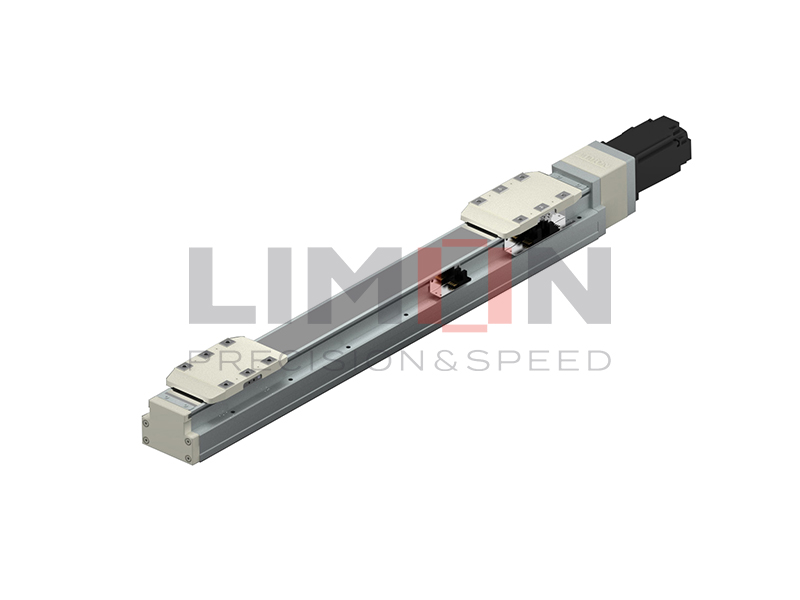
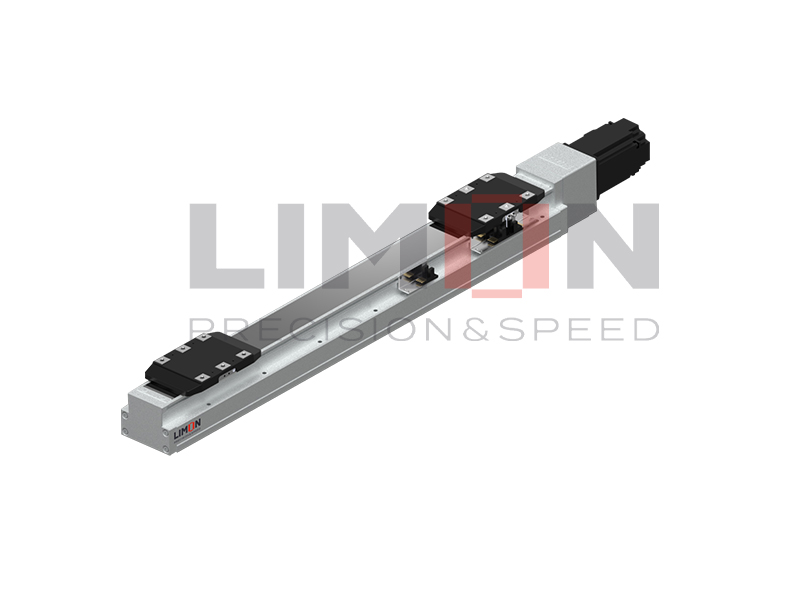
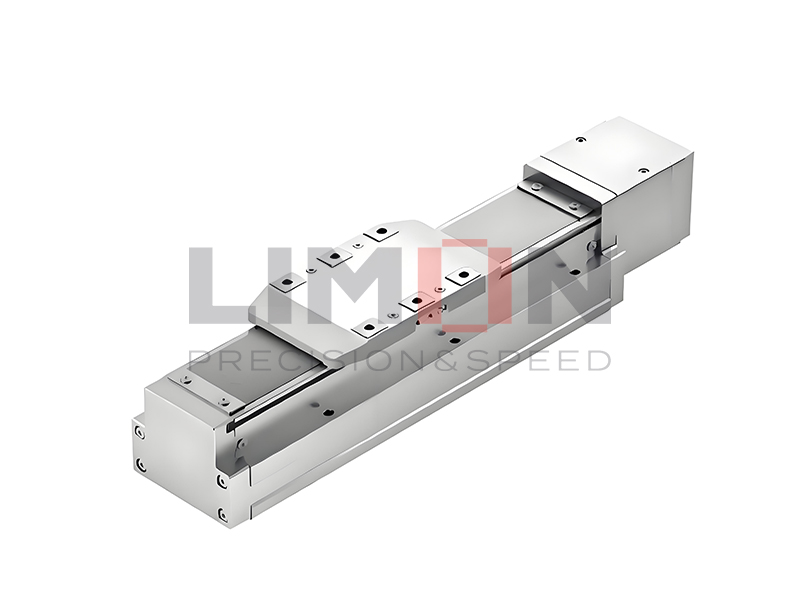
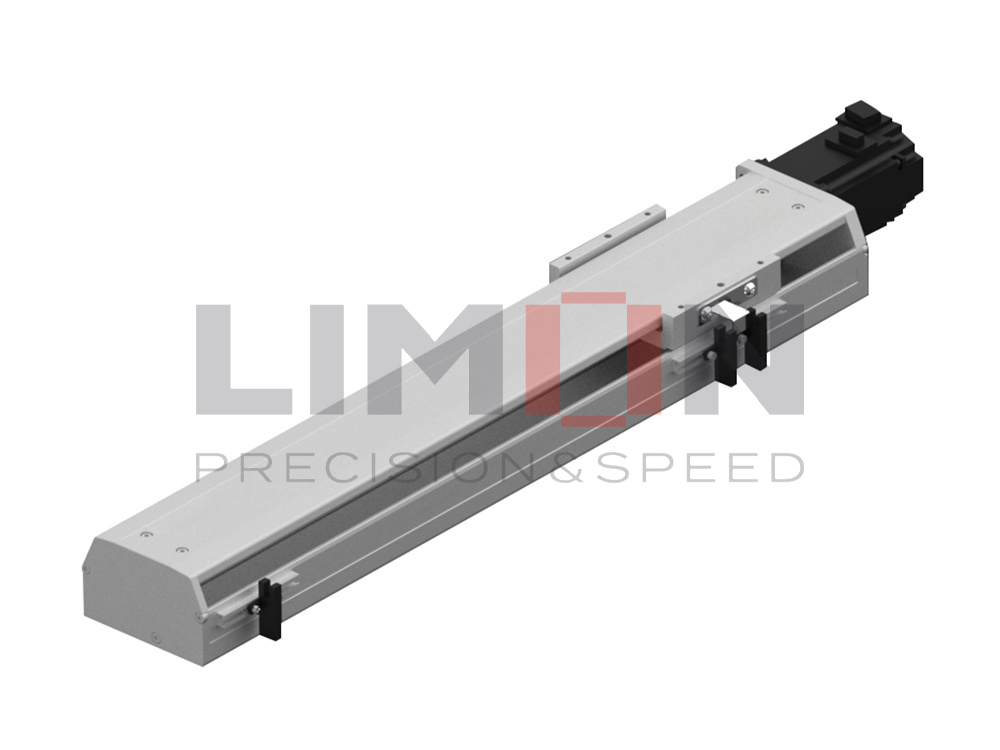
A linear slide rail guide is a mechanical system designed to guide and support smooth linear motion along a straight path. It typically consists of two primary components:
- Rail (or track) – A hardened metal rail mounted to a machine base
- Sliding carriage or block – The moving component that travels along the rail
Inside the carriage are rolling elements such as balls or rollers that significantly reduce friction, allowing the system to move smoothly even under heavy loads.
Together, these components form one of the most important types of linear slides and guides, enabling controlled and repeatable motion in countless industrial applications.
Why Linear Slides and Guides Are Critical in Modern Industry
Across the United States, manufacturers are under constant pressure to increase efficiency, reduce downtime, and maintain precision. This is where linear slides and guides play a vital role.
Precision and Repeatability
High-end manufacturing—especially in industries like aerospace, medical devices, and electronics—requires extreme precision. A linear slide rail guide ensures that moving components stay aligned and travel in a straight, predictable path.
This level of precision is critical for:
- CNC machining centers
- Automated inspection equipment
- Semiconductor manufacturing systems
- Robotic assembly lines
Even a small deviation in movement can lead to defective parts or production delays.
Reduced Friction and Improved Efficiency
Traditional sliding systems create significant friction, which leads to wear, heat generation, and energy loss.
A properly designed linear slide rail guide uses rolling elements to dramatically reduce friction. This offers several benefits:
- Smoother motion
- Lower energy consumption
- Reduced component wear
- Longer equipment lifespan
In high-speed automation environments, these advantages translate directly into increased productivity and reduced maintenance costs.
High Load Capacity
Many industrial machines carry significant loads. Linear slides and guides are designed to support these forces while maintaining stability and accuracy.
Heavy-duty linear guide systems are commonly used in:
- Large CNC machining centers
- Industrial gantry robots
- Material handling equipment
- Automated manufacturing systems
The structural rigidity of a linear slide rail guide ensures that machines remain stable even during rapid acceleration and heavy workloads.
Key Applications of Linear Slide Rail Guides
The versatility of linear slides and guides allows them to be used across a wide range of industries throughout North America.
CNC Machinery
CNC machines rely heavily on linear slide rail guides to control the movement of cutting tools and workpieces. Precision rails ensure accurate machining and consistent product quality.
Robotics and Automation
From automotive factories in Detroit to robotics startups in Silicon Valley, linear slides and guides enable robots to move smoothly and accurately across multiple axes.
Packaging and Logistics Systems
Automated packaging lines and warehouse sorting systems depend on fast and reliable motion. A linear slide rail guide allows equipment to move products quickly while maintaining precise positioning.
Medical and Laboratory Equipment
Medical imaging systems, surgical robots, and laboratory automation platforms require quiet, precise motion—making linear slides and guides ideal for these applications.
Types of Linear Slide Rail Guides
Not all motion systems have the same requirements. Different types of linear slide rail guide systems are designed to meet specific needs.
Ball-Type Linear Guides
These guides use circulating ball bearings inside the carriage to reduce friction. They are widely used in CNC machines and automation systems due to their excellent balance of speed and precision.
Roller-Type Linear Guides
Roller guides provide higher load capacity and rigidity. They are ideal for heavy industrial equipment and large-scale automation systems.
Miniature Linear Guides
Miniature linear slides and guides are designed for compact devices where space is limited. They are commonly used in electronics manufacturing, medical equipment, and precision instruments.
Future Trends in Linear Slide Rail Guide Technology
As American manufacturing continues to embrace automation and Industry 4.0 technologies, the design and capabilities of linear slide rail guides are evolving rapidly.
Smart Motion Systems
New motion systems are integrating sensors that monitor:
- Position accuracy
- Wear and lubrication levels
- Temperature and vibration
These smart features help engineers detect problems before they cause downtime.
Higher Precision Manufacturing
Advanced machining and surface finishing technologies are allowing manufacturers to produce linear slides and guides with tighter tolerances and smoother surfaces, improving motion accuracy.
Lightweight Materials
In industries like robotics and aerospace, reducing weight without sacrificing strength is a major priority. Engineers are increasingly using advanced alloys and optimized designs to improve performance.
How to Choose the Right Linear Slide Rail Guide
Selecting the correct linear slide rail guide for your application requires careful evaluation of several factors.
Load Requirements
Determine the total load your system must support, including the weight of moving components and any external forces.
Travel Length
Some applications require long travel distances, while others focus on compact motion systems.
Speed and Acceleration
High-speed automation systems require rails capable of handling rapid acceleration and continuous movement.
Environmental Conditions
Industrial environments often include dust, oil, and temperature fluctuations. Choosing properly sealed linear slides and guides can significantly improve reliability.
Why Engineers Choose Limon Linear Motion Solutions
At Limon, we understand that motion systems must perform reliably in demanding environments. That’s why we focus on delivering high-quality linear motion components designed for long-term performance.
Our advantages include:
- Fully integrated manufacturing process for consistent product quality
- Precision engineering standards that meet global industrial requirements
- Comprehensive product portfolio including linear guide rails, ball screws, linear bearings, and actuators
- Reliable solutions for OEM manufacturers and automation integrators
Our linear slides and guides are designed to provide smooth motion, high durability, and excellent performance in a wide range of industrial applications.
Final Thoughts: The Future of Precision Motion
As automation continues to transform industries across the United States, reliable motion systems are more important than ever.
The linear slide rail guide remains one of the most essential components enabling smooth, precise, and efficient movement in modern machines. From robotics and CNC equipment to advanced manufacturing systems, linear slides and guides provide the foundation for reliable motion control.
For companies looking to improve machine performance, reduce maintenance, and stay competitive in an increasingly automated world, investing in high-quality linear motion components is a smart decision.
At Limon, we are committed to helping manufacturers build better machines through precision-engineered motion solutions.