Are inconsistent motion, poor positioning accuracy, or inefficient motor performance limiting your automation system?
The difference between dc motor vs servo motor lies in control and precision. DC motors provide simple continuous rotation for basic applications, while servo motors use feedback systems for highly accurate position, speed, and torque control in advanced automation and linear motion systems.
Let’s compare their performance, applications, and how to choose the right motor solution.
DC Motor vs Servo Motor: What’s the Main Difference?
Understanding dc motor vs servo motor technology begins with how each motor operates.
A standard DC motor converts electrical energy into continuous rotary motion. It is simple, affordable, and effective for applications where precise positioning is not required. In contrast, a servo motor uses a closed-loop feedback system that continuously monitors and adjusts motion for high precision and stability.
In the comparison of servo vs dc motor, servo systems provide:
- Accurate position control
- Controlled speed and torque
- Real-time motion correction
- Higher efficiency in dynamic systems
Meanwhile, DC motors are typically used for straightforward rotational tasks where advanced feedback control is unnecessary.
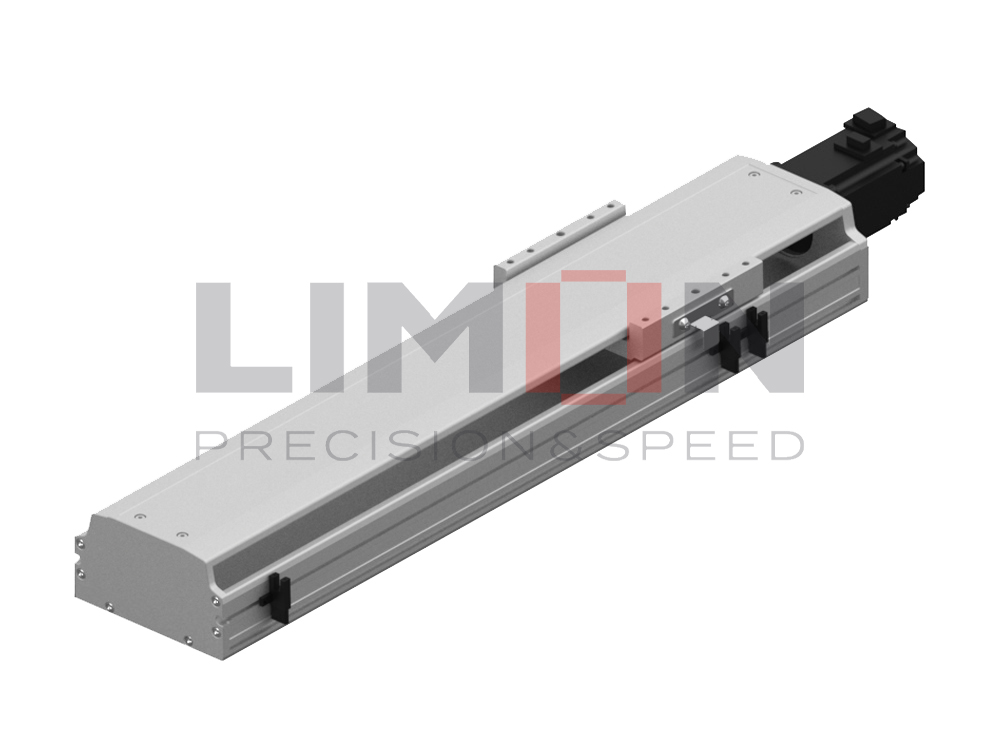
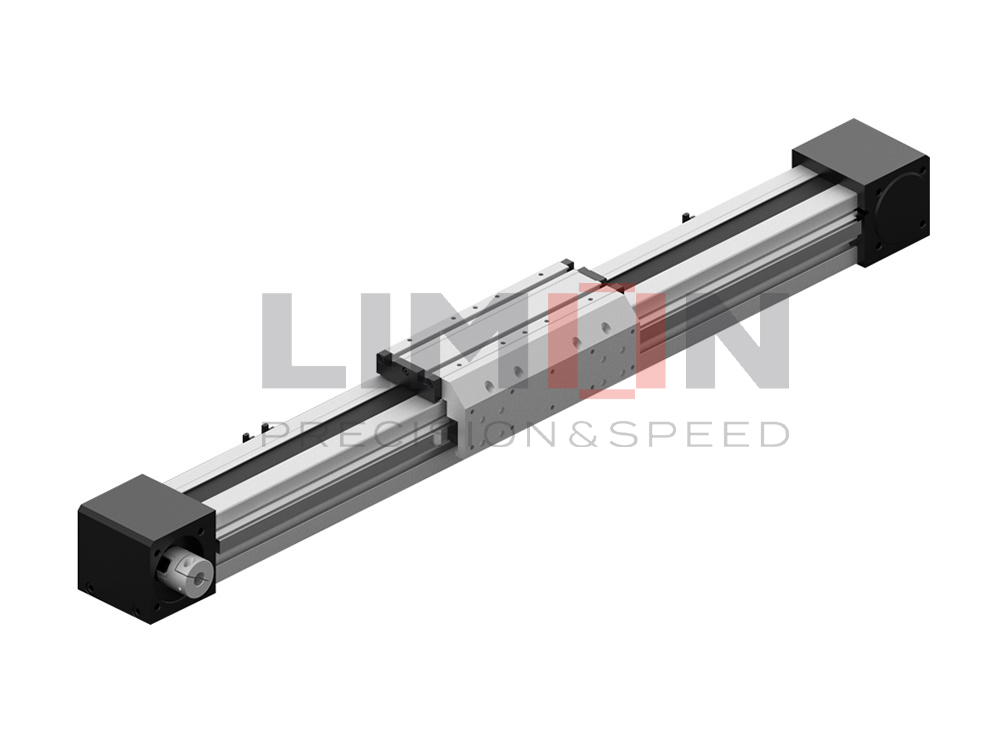
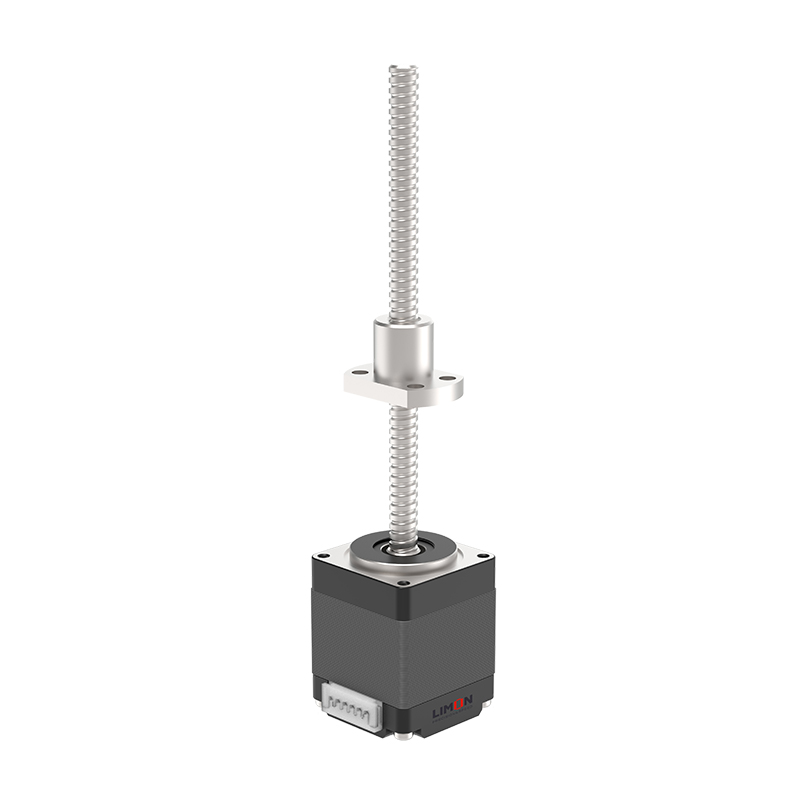
At Limon, we help customers integrate both motor technologies with high-performance linear motion systems such as ball screws, actuators, and linear guides. Our fully integrated production line ensures consistent compatibility, precision, and long-term reliability.
Servo Motor vs DC Motor in Precision Automation
When comparing servo motor vs dc motor for automation, the application’s precision requirements are often the deciding factor.
Servo motors excel in environments where exact positioning and smooth motion are essential. Industries such as robotics, semiconductor manufacturing, and CNC machining rely heavily on servo technology because even minor positioning errors can impact productivity and product quality.
A servo vs dc motor comparison typically shows that servo systems offer:
- Higher positioning accuracy
- Faster response times
- Better high-speed performance
- Reduced vibration and instability
DC motors, however, remain valuable for simpler systems where constant-speed rotation is sufficient.
Limon’s engineering team specializes in optimizing motion performance by integrating advanced servo systems with precision linear motion components. This allows customers to achieve higher efficiency, smoother operation, and improved machine reliability.
How DC Motors and Servo Motors Work in Linear Motion Systems
In modern automation, motors are often combined with ball screws, linear guides, and actuators to create controlled linear movement. The choice between dc motor vs servo motor significantly affects system performance.
A DC motor-driven actuator is generally suitable for:
- Basic lifting systems
- Simple conveyor equipment
- Low-cost automation projects
A servo-driven system is preferred for:
- CNC machinery
- Precision robotics
- Automated inspection systems
- Semiconductor equipment
The reason is simple: a servo motor vs dc motor configuration can continuously correct motion errors through feedback systems, ensuring consistent accuracy even under changing loads.
Limon designs complete motion systems optimized for both DC and servo technologies. By manufacturing key components in-house, we maintain strict quality control and ensure excellent compatibility across all motion products.
Servo vs DC Motor: Efficiency, Speed, and Performance Comparison
The debate over servo vs dc motor often focuses on performance characteristics.
DC Motor Advantages
- Lower initial cost
- Simple structure and operation
- Easy integration into basic systems
Servo Motor Advantages
- High-speed precision control
- Superior torque at varying speeds
- Energy-efficient operation
- Closed-loop stability and accuracy
In high-performance industrial systems, servo motors typically outperform traditional DC motors because they can adapt dynamically to changing operating conditions.
For example, in high-speed CNC applications, a servo motor vs dc motor solution provides smoother acceleration and better positional accuracy, reducing production errors and improving throughput.
Limon helps customers evaluate these trade-offs to select the most efficient and cost-effective solution for their automation goals.
Applications of DC Motors and Servo Motors Across Industries
Both motor technologies play important roles across modern industries.
Common DC Motor Applications
- Conveyor systems
- Cooling fans and pumps
- Basic linear actuators
- Consumer automation products
Common Servo Motor Applications
- Industrial robotics
- CNC machining centers
- Packaging automation
- Semiconductor manufacturing
- Medical positioning equipment
In the ongoing comparison of dc motor vs servo motor, the trend toward smarter and more precise automation continues to drive demand for servo systems.
Limon supports a wide range of industrial applications by delivering high-performance linear motion products compatible with both motor technologies. Our direct-sales model also enables customers to receive faster technical support and more flexible customization services.
How to Choose Between Servo Motor vs DC Motor
Selecting between servo motor vs dc motor requires evaluating several critical factors.
Precision Requirements
High-accuracy systems generally require servo motors.
Speed and Dynamic Performance
Servo motors provide superior high-speed responsiveness.
Budget Considerations
DC motors often offer lower upfront costs for basic applications.
Load Conditions
Changing loads and high inertia environments benefit from servo control.
System Complexity
Servo systems involve more advanced drives and controllers but deliver greater performance.
Limon’s technical experts work closely with customers to identify the most suitable motion solution. Our integrated manufacturing process allows us to provide customized systems tailored to specific industrial applications.
Future Trends in DC and Servo Motor Technology
The future of servo vs dc motor technology is being shaped by Industry 4.0 and intelligent automation.
Key trends include:
- Smarter servo drive systems
- AI-based motion optimization
- Energy-efficient motor technologies
- Compact integrated motion systems
- Predictive maintenance through real-time monitoring
As industrial systems become more advanced, servo technology continues to dominate high-precision applications because of its adaptability and intelligent control capabilities.
Limon remains committed to innovation, continuously improving our motion solutions to help customers stay competitive in rapidly evolving markets.
Conclusion: Choose the Right Motor for Smarter Automation
The decision between dc motor vs servo motor, servo vs dc motor, or servo motor vs dc motor depends on your application’s precision, speed, efficiency, and budget requirements.
DC motors offer simplicity and affordability for basic motion systems, while servo motors provide advanced control and superior performance for precision automation.
Limon combines engineering expertise, fully integrated manufacturing, and strong technical support to deliver reliable, high-performance linear motion solutions tailored to your needs.
With Limon, you gain more than motion components—you gain a trusted partner dedicated to powering the future of automation with precision, reliability, and innovation.