Electric motors are the backbone of modern automation. From factory floors and conveyor systems to robotics and precision linear motion equipment, motors convert electrical energy into controlled mechanical movement. Yet one of the most common—and important—questions engineers and buyers ask is:
What is the difference between AC motor and DC motor?
Understanding the difference between AC and DC electric motors is critical when designing or selecting motion systems that require accuracy, efficiency, and long-term reliability. In this guide, we’ll break down how each motor works, where they are used, and how the right motor choice directly impacts linear motion systems like ball screws, linear guides, and linear actuators.
What Is an AC Motor?
An AC (Alternating Current) motor is powered by alternating current, where the direction of electrical flow changes periodically. This alternating current creates a rotating magnetic field inside the motor, causing the rotor to turn.
Key Characteristics of AC Motors
- Powered by standard AC electrical supply
- Simple and robust construction
- Low maintenance requirements
- Well-suited for continuous operation
AC motors are widely used in industrial automation because of their durability and cost efficiency, especially in environments where motors run for long hours.
What Is a DC Motor?
A DC (Direct Current) motor operates on direct current, where electricity flows in one direction only. Speed and torque are typically controlled by adjusting voltage or current.
Key Characteristics of DC Motors
- Powered by DC sources (batteries or power supplies)
- Excellent speed control and fast response
- High starting torque
- Compact and easy to control
DC motors are often used in applications that require precise motion control or variable speeds over short cycles.
What Is the Difference Between AC and DC Electric Motors?
To clearly understand what is the difference between AC and DC electric motors, let’s compare them across key performance factors:
- Power Supply
- AC Motor: Uses alternating current from the electrical grid
- DC Motor: Uses direct current from batteries or DC power supplies
- Speed Control
- AC Motor: Speed control typically requires a variable frequency drive (VFD)
- DC Motor: Speed is easily controlled by adjusting voltage
- Torque Performance
- AC Motor: Best for constant-speed, steady-load applications
- DC Motor: Excellent low-speed torque and quick acceleration
- Maintenance
- AC Motor: Fewer moving electrical components, lower maintenance
- DC Motor: Brushed designs require more frequent maintenance
- Cost and Scalability
- AC Motor: Lower cost for industrial-scale applications
- DC Motor: Higher control cost but better precision
This comparison highlights the core difference between AC and DC electric motors in real-world automation scenarios.
AC Motor vs DC Motor in Industrial Automation
When answering what is the difference between AC motor and DC motor, context matters. Each motor type excels in different environments.
Where AC Motors Are Commonly Used
- Conveyors and material handling systems
- Pumps, fans, and compressors
- CNC machinery and industrial automation lines
- Continuous-duty linear actuator systems
Where DC Motors Are Commonly Used
- Robotics and mobile automation
- Medical devices
- Battery-powered equipment
- Precision positioning systems
In modern factories, AC motors paired with servo drives or VFDs are increasingly used to combine durability with precision.
Servo Motors: Bridging AC and DC Performance
In advanced motion systems, the discussion of AC vs DC motors often leads to servo motors.
Servo motors—commonly AC servos in industrial settings—combine:
- High torque density
- Closed-loop feedback
- Exceptional positioning accuracy
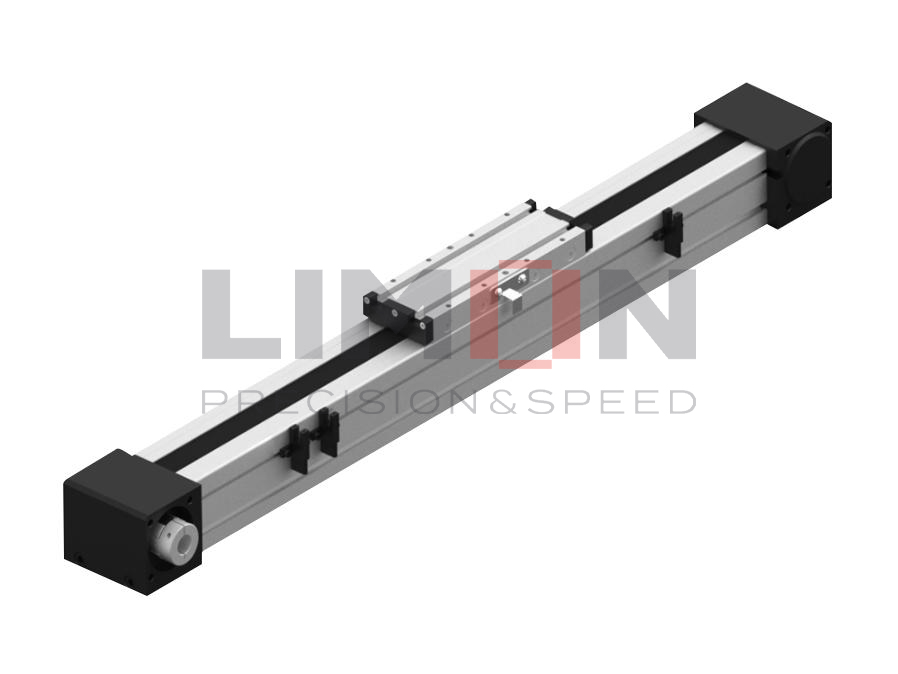
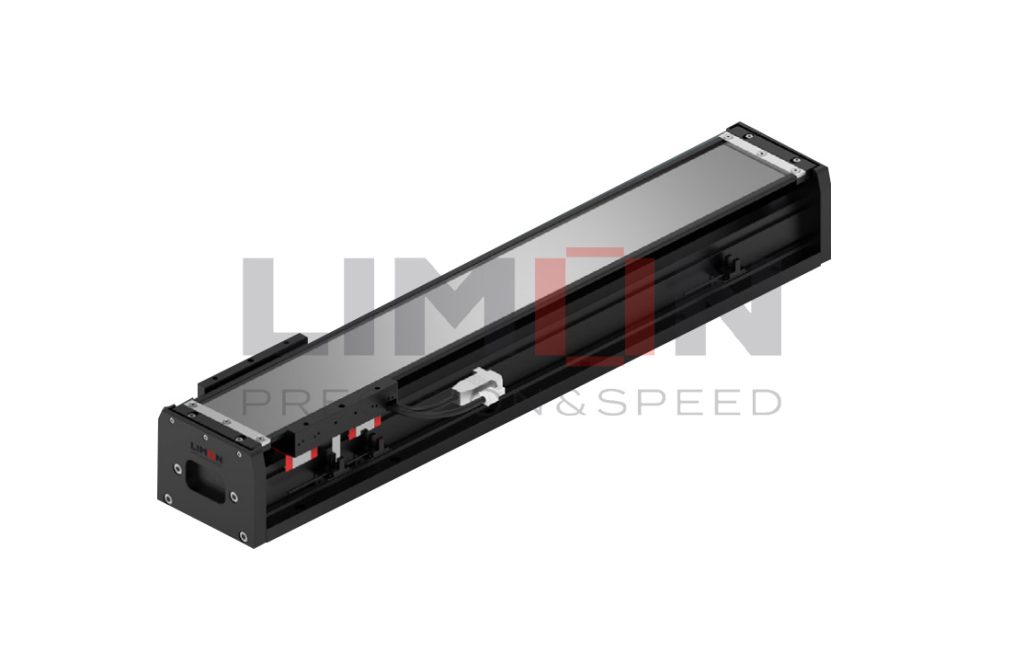
For linear motion systems using ball screws, linear guides, and linear actuators, servo-driven AC motors provide the ideal balance of power, efficiency, and precision.
How Motor Choice Impacts Linear Motion Systems
At Limon, motor selection is never isolated—it directly affects the performance of the entire linear motion assembly.
Motor choice influences:
- Positioning accuracy
- Load capacity
- Speed and acceleration
- System lifespan
For example:
- AC servo motors are ideal for high-load, high-duty linear actuators
- DC motors are suitable for compact or battery-powered linear motion solutions
Choosing the wrong motor can lead to vibration, inefficiency, or premature wear in ball screws and linear bearings.
Why Limon Designs Motion Systems with the Right Motor Strategy
As a fully integrated linear motion product manufacturer, Limon designs systems where motors, guides, screws, and actuators work as one optimized solution.
Limon Advantages:
- In-house manufacturing of linear guides, ball screws, bearings, and actuators
- Motion systems engineered for servo and motor compatibility
- High reliability for industrial automation environments
- Solutions designed for performance, not just components
By understanding the difference between AC and DC electric motors, our engineers help customers select motion solutions that deliver consistent, long-term value.
Final Thoughts: Choosing the Right Motor for Precision Motion
So, what is the difference between AC motor and DC motor?
It comes down to power source, control requirements, performance expectations, and application demands.
- AC motors dominate industrial automation for reliability and scalability
- DC motors excel in compact, variable-speed, or mobile applications
- Servo-driven AC systems deliver the highest level of precision for linear motion
If your project depends on accurate, efficient, and durable motion, choosing the right motor—and the right motion partner—matters.