As industrial automation moves toward higher speed, accuracy, and intelligence, the servo motor has become a critical driving force behind modern linear motion systems. From CNC machines to robotics and automated production lines, servo motors are shaping the future of precision control.
At Limon, we manufacture high-performance linear guides, ball screws, linear bearings, and linear actuators, designed to fully unlock the potential of servo-driven motion. In this article, we’ll explore what a servo motor is, how it works, and why it plays a key role in next-generation industrial applications.
What Is a Servo Motor?
A servo motor is a closed-loop motor system capable of precisely controlling position, speed, and torque. Unlike basic motors, a servo motor continuously receives feedback from an encoder, enabling real-time correction.
You may sometimes see terms like seevo motor or sevo motor online—these are common misspellings, but they refer to the same servo motor technology widely used in industry.
This closed-loop structure is the foundation of controlling servo motor performance with high accuracy and reliability.
Servo Drive Motor: The Brain Behind Precision Control
- The electrical servo motor
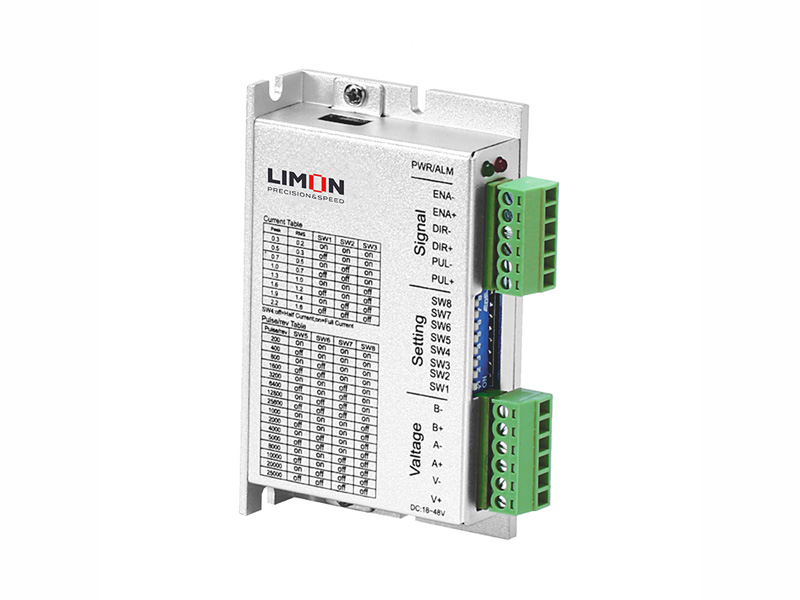
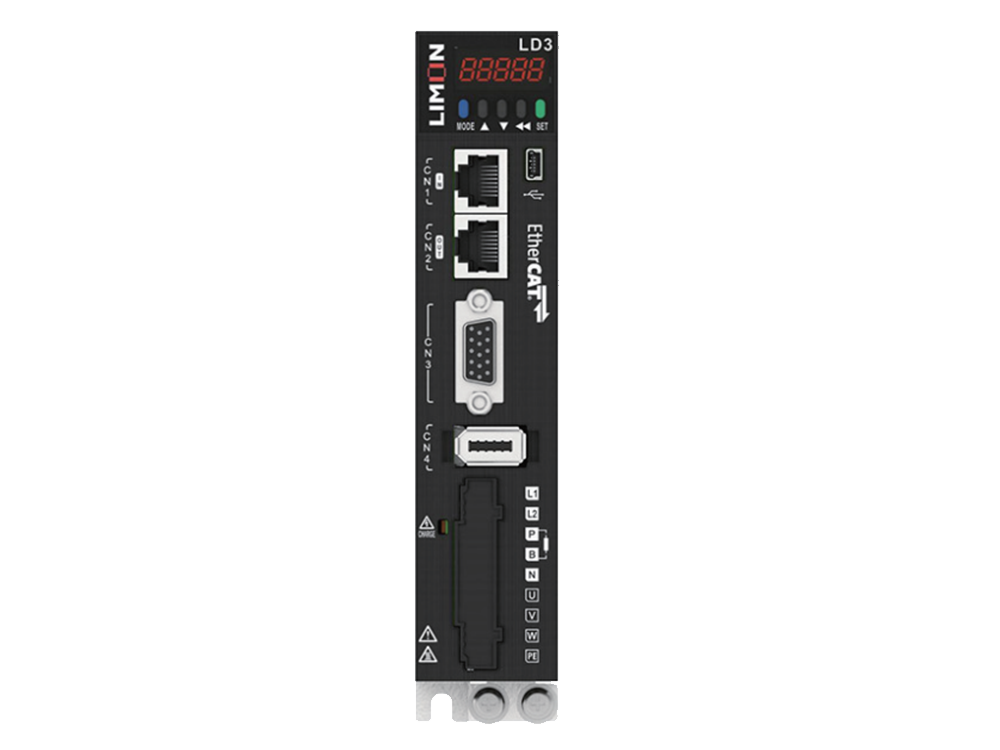
- The servo drive (controller)
The drive interprets command signals and adjusts voltage, current, and frequency to ensure accurate motion. This tight integration allows servo motors to deliver smooth, repeatable motion—especially important when driving precision components like ball screws and linear guides.
How Controlling Servo Motor Systems Work
Controlling servo systems rely on continuous feedback. The controller compares the target command with actual motor performance and corrects any deviation instantly.
This capability ensures:
- No lost position
- Stable motion under load changes
- Consistent accuracy over long operating cycles
When paired with Limon’s precision-ground ball screws, servo control delivers exceptional linear positioning performance.
AC Servomotor: The Industry Standard
An AC servomotor is the most common servo type used in industrial automation today. Compared with traditional motors, AC servomotors offer:
- High efficiency
- Wide speed range
- Excellent heat dissipation
- Long service life
These advantages make AC servomotors ideal for high-speed linear actuators and continuous-duty automation systems.
Torque Servo Motor: Power for Demanding Applications
A torque servo motor is designed to provide high torque even at low or zero speed. This is essential for:
- Vertical linear axes
- Heavy-load positioning
- Pressing and clamping operations
High torque stability directly improves the performance and lifespan of linear motion components such as guides and bearings.
Servo Stepper Motor: Understanding the Difference
The term servo stepper motor usually refers to a stepper motor with added feedback. While this hybrid approach improves reliability, it still cannot match the dynamic response, speed range, or torque consistency of a true servo motor.
For demanding industrial linear motion systems, full servo solutions remain the preferred choice.
Remote Controlled Servo Motor Systems
A remote controlled servo motor allows motion to be managed through PLCs, CNC controllers, or industrial networks. This capability is critical for:
- Smart factories
- Multi-axis synchronized systems
- Centralized monitoring and diagnostics
Servo-driven linear systems support scalable and intelligent automation.
Wiring a Servo Motor: Key Considerations
Wiring a servo motor involves power cables, encoder lines, grounding, and communication interfaces. Proper wiring ensures:
- Stable signal transmission
- Reduced electrical noise
- Improved system reliability
Well-designed wiring is essential to maintain precision when servo motors drive high-accuracy linear motion assemblies.
Why Servo Motors Define the Future of Linear Motion
As industries demand:
- Higher precision
- Faster cycle times
- Energy efficiency
- Intelligent control
Servo motors continue to replace traditional motion solutions. Their adaptability makes them ideal for next-generation linear motion systems built around automation and digital control.
Why Limon Linear Motion Systems Work Best with Servo Motors
At Limon, our fully integrated production line allows us to engineer linear motion products optimized for servo applications.
Our solutions offer:
- High-efficiency ball screws for servo drive motors
- Rigid linear guides for dynamic motion
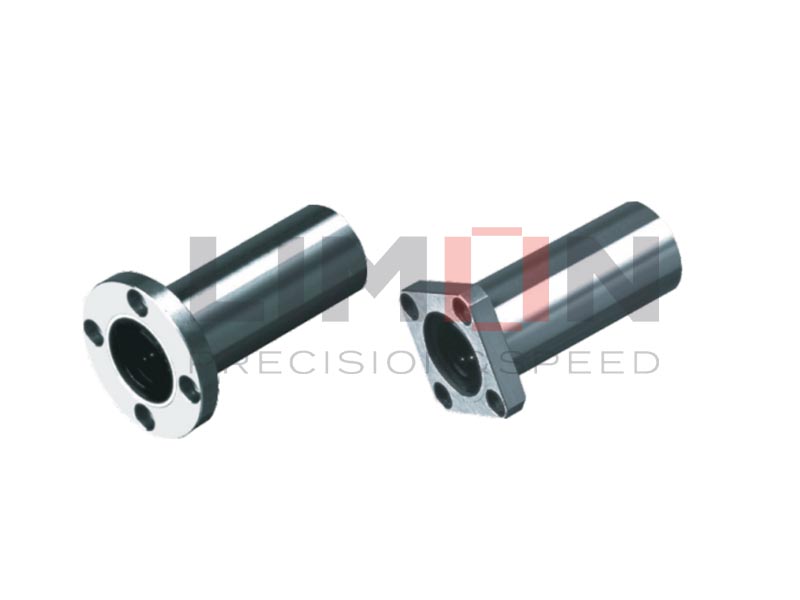
- Durable linear bearings for long service life
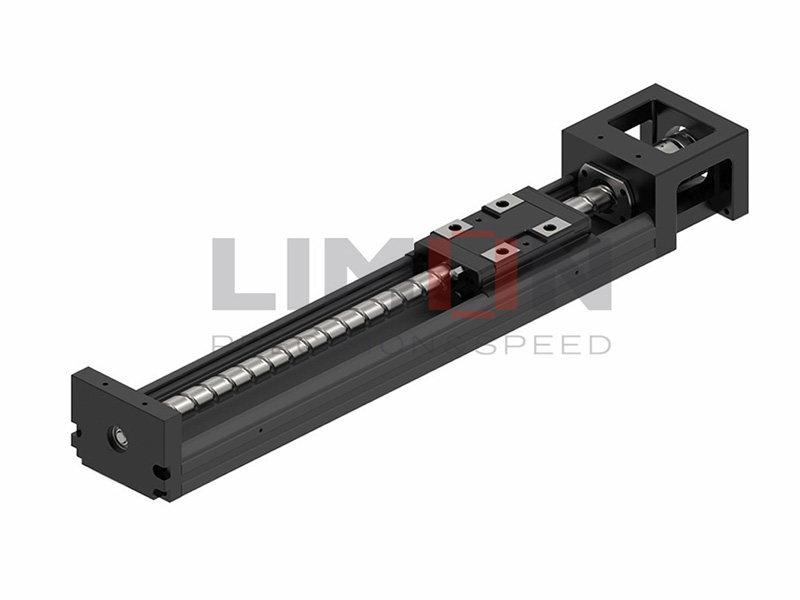
- Servo-ready linear actuators for easy integration
This system-level optimization helps customers achieve better performance with lower total ownership cost.