In modern industrial automation, motors are expected to run faster, longer, and under increasingly demanding conditions. While power, torque, and speed often get the most attention, one essential factor is frequently overlooked: the motor insulation class.
For engineers and equipment builders, understanding insulation classes is key to ensuring reliability, safety, and long service life.
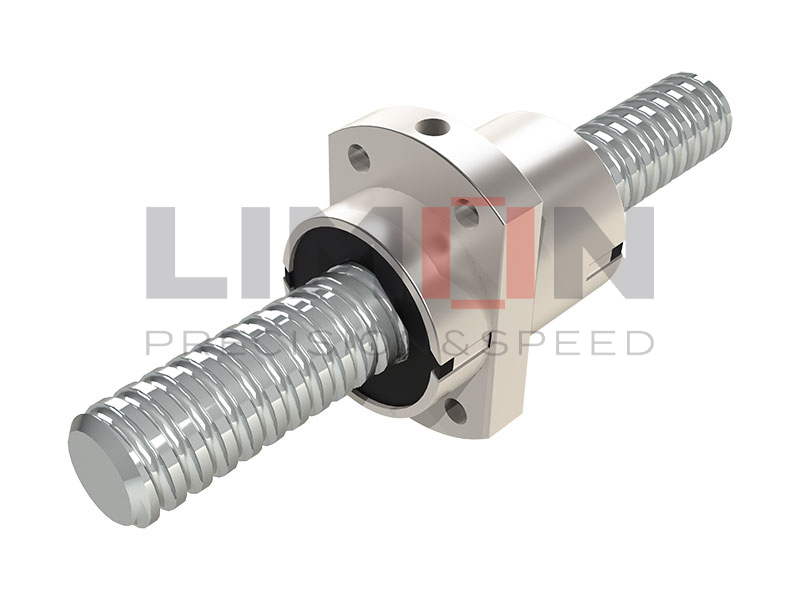
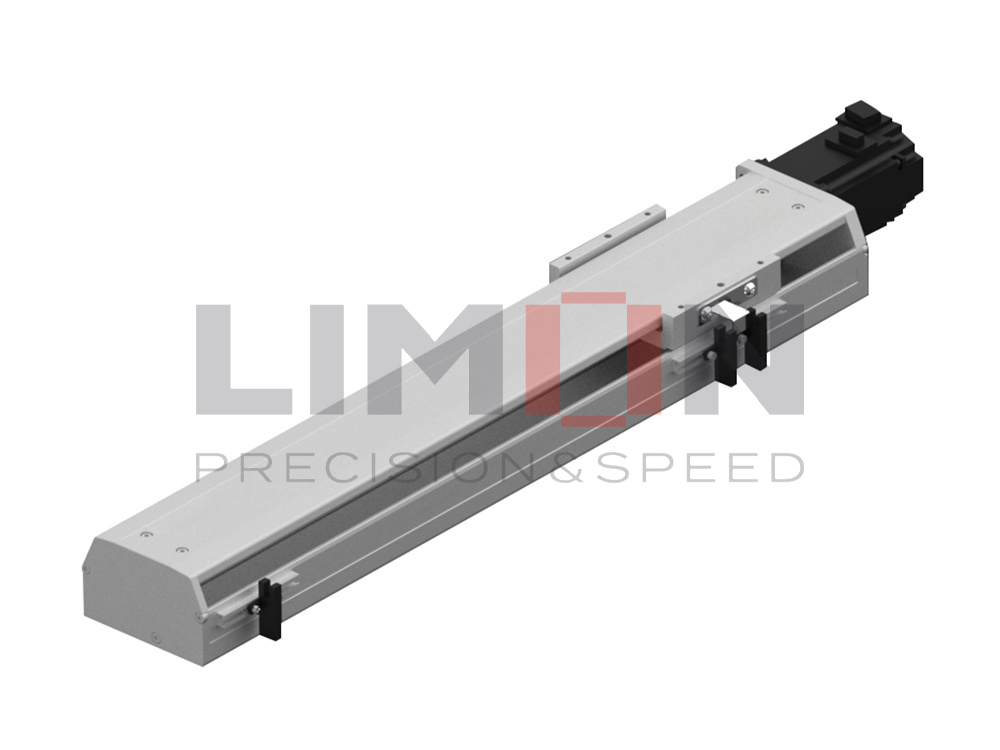
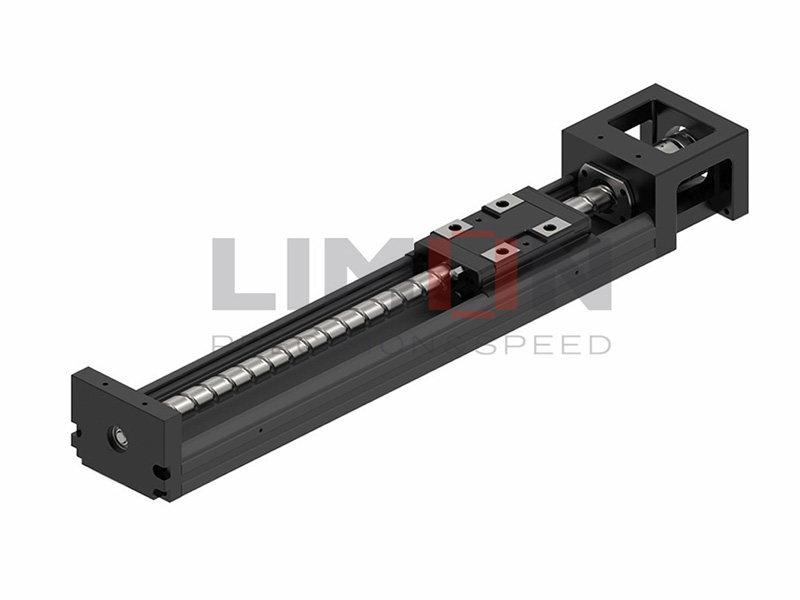
As a fully integrated linear motion manufacturer, Limon designs and produces linear guide rails, ball screws, linear bearings, and linear actuators that often work hand-in-hand with electric motors in real-world industrial environments. Choosing the right motor insulation class is a foundational decision that directly impacts system performance and uptime.
What Is a Motor Insulation Class?
The motor insulation class defines the maximum temperature that a motor’s internal insulation materials can withstand during continuous operation. These insulation systems protect motor windings from thermal damage, electrical stress, and premature aging.
When engineers ask about the class of insulation in motor design, they are referring to standardized temperature ratings established by organizations such as NEMA and IEC, which are widely followed in U.S. industrial markets.
A higher insulation class allows a motor to operate at higher temperatures, making it more suitable for demanding applications, high-duty cycles, or harsh environments.
Common Insulation Classes for Motors
There are several standard insulation classes for motors, each defined by its maximum allowable temperature. The most common classes include:
- Class A – Up to 105°C (221°F)
- Class B – Up to 130°C (266°F)
- Class F – Up to 155°C (311°F)
- Class H – Up to 180°C (356°F)
In practical applications, Class F and Class H motors are increasingly preferred in modern automation due to their higher thermal margins and longer lifespan.
Understanding the insulation class of motor you are using helps ensure that the motor can handle real operating conditions—not just ideal lab conditions.
Why Motor Insulation Class Matters in Industrial Applications
The motor insulation class plays a critical role in overall machine reliability. Excessive heat is the number-one cause of motor failure, and insulation breakdown is often the first step toward costly downtime.
Key benefits of selecting the right insulation class include:
- Longer motor life under continuous or high-load operation
- Improved reliability in high-speed or high-torque systems
- Greater tolerance for voltage fluctuations and thermal spikes
- Reduced maintenance and replacement costs
In linear motion systems—such as servo-driven actuators, ball screw assemblies, and automated positioning systems—motors frequently operate under dynamic loads. A higher class of insulation in motor design provides a safety margin that protects both the motor and the mechanical components it drives.
Motor Insulation Class and Future Automation Trends
As automation technology advances, motors are being pushed harder than ever before. Several trends are increasing the importance of proper insulation selection:
Higher Power Density
Motors are becoming smaller while delivering more power, which generates more heat in a compact space. Advanced insulation classes for motors help manage this thermal challenge.
Continuous Operation
Modern factories increasingly rely on 24/7 production. A higher motor insulation class supports longer duty cycles without degradation.
Integration with Precision Motion Systems
Servo motors working with linear guides and ball screws require stable, repeatable performance. Thermal stability ensured by the correct insulation class of motor directly affects positioning accuracy and system consistency.
These trends make insulation class a strategic decision—not just a technical specification.
What Motor Insulation Class Means for Your Linear Motion System
While Limon does not manufacture motors, our linear motion products are designed to operate in demanding industrial environments where motor performance is critical.
High-quality linear guides, ball screws, and actuators:
- Reduce friction and heat generation
- Lower the load on motors
- Help motors operate within safe temperature ranges
By pairing robust mechanical systems with motors that have an appropriate motor insulation class, customers can achieve smoother motion, higher precision, and longer service life across the entire system.
Conclusion: Motor Insulation Class Is a Long-Term Reliability Decision
So, what is the takeaway?
The motor insulation class is far more than a technical detail—it is a key factor in motor durability, system reliability, and total cost of ownership.
By understanding the class of insulation in motor design and selecting suitable insulation classes for motors, engineers and equipment builders can reduce failures, improve performance, and future-proof their machines.
When combined with high-quality linear motion components from Limon, the right motor insulation class helps ensure your automation systems deliver consistent, reliable performance—today and well into the future.