Linear motion systems are the backbone of modern automation. From CNC machines and industrial robots to linear guide 3D printer platforms and automated production lines, the performance of a machine often depends on one critical component: the linear guide.
As a professional linear guide factory with a fully integrated production line, Limon designs and manufactures high-performance linear motion products that help manufacturers achieve higher precision, reliability, and efficiency. In this guide, we explore everything you need to know—from fundamentals to future trends—so you can make confident, cost-effective decisions.
Linear Guide Definition: The Foundation of Precision Motion
A clear linear guide definition is essential for understanding its value:
A linear guide is a mechanical system that enables smooth, accurate, and repeatable linear motion using rolling elements such as balls or rollers between precision-machined rails and carriages.
Compared to traditional sliding mechanisms, linear guides dramatically reduce friction, increase load capacity, and improve positioning accuracy—making them indispensable in modern industrial equipment.
Linear Guide Anatomy: Understanding the Core Structure
To select the right solution, engineers must first understand linear guide anatomy. A complete system consists of multiple precision-engineered linear guide components, including:
- Rails – hardened and ground for straightness and rigidity
- Blocks / Carriages – housing the rolling system
- Rolling elements – balls or rollers for low-friction motion
- End caps and retainers
- Linear guide dust cover – protecting against debris and contamination
- Optional linear guide brake – for vertical or safety-critical applications
These linear guide blocks and rails work together to ensure long service life even under high loads and continuous operation.
Linear Guide Types: Choosing the Right Technology
There are several linear guide types, each optimized for different applications:
- Ball-type linear guides – high speed, low friction, ideal for automation and 3D printing
- Roller-type linear guides – higher rigidity and load capacity for CNC and heavy machinery
- Miniature linear guides – compact solutions for electronics and medical devices
Limon provides each type as a standard product or as a fully customized linear guide set tailored to your application.
Linear Guide Design: Engineering for Performance
Effective linear guide design goes far beyond selecting a rail size. Engineers must evaluate:
- Load direction and magnitude
- Required accuracy and stiffness
- Speed and acceleration
- Environmental conditions
Key factors such as linear guide dimensions and mounting methods directly influence system performance. In demanding assemblies, accessories like a linear guide clamp can further enhance structural stability.
Linear Guide Calculation & Calculator: Avoid Costly Mistakes
Incorrect sizing is one of the most common causes of premature failure. Proper linear guide calculation includes:
- Equivalent load analysis
- Life expectancy (L10 life)
- Safety factor evaluation
To simplify this process, Limon supports engineers with a professional linear guide calculator, ensuring optimal selection without over-engineering or unnecessary cost.
Linear Guide Assembly: Precision Starts with Installation
Even the best product can underperform if installed incorrectly. Proper linear guide assembly requires:
- Accurate alignment of mounting surfaces
- Controlled tightening torque
- Correct lubrication procedures
- Protection against contamination
For faster and safer integration, Limon offers pre-configured linear guide rail kit solutions, minimizing installation errors and setup time.
Linear Guide Carriages and Slides: Integrated Motion Solutions
In many systems, linear guides are delivered as complete motion modules:
- Linear guide carriages designed for specific load profiles
- Linear guide carriages and slides for modular automation systems
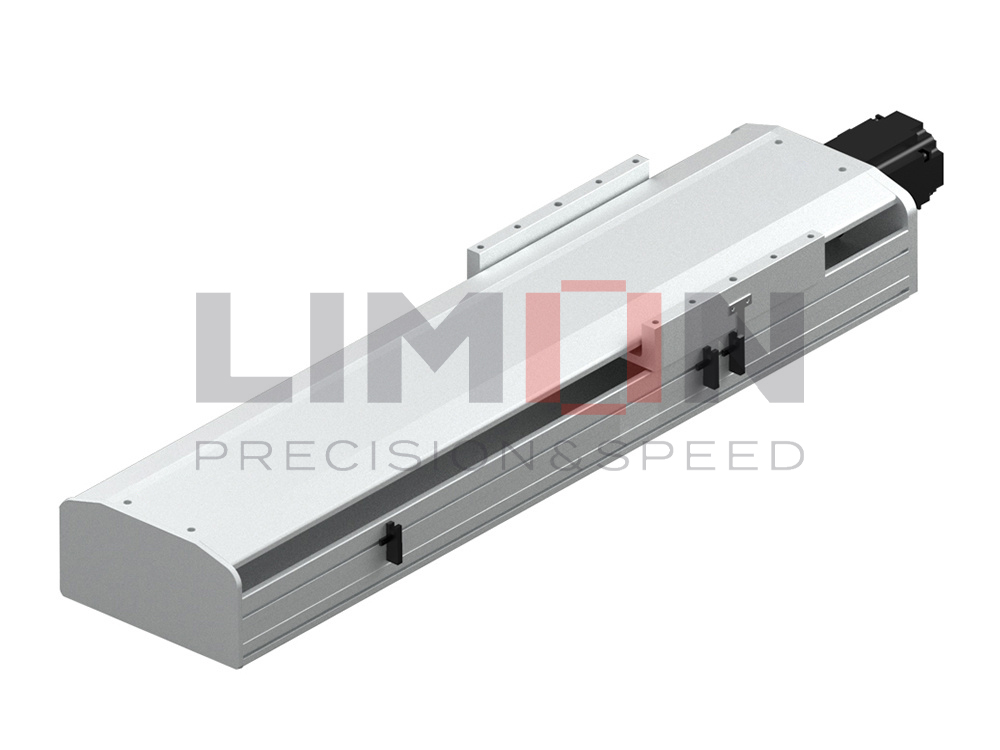
- Linear guide rail sliding table assemblies for plug-and-play applications
These integrated solutions help OEMs shorten development cycles and improve system reliability.
Linear Guide CAD: Faster, Smarter Engineering
Modern design demands speed and accuracy. Limon provides detailed linear guide CAD models compatible with major engineering software, enabling:
- Seamless mechanical integration
- Accurate space and interference checks
- Faster project approval and prototyping
Linear Guide 3D Printer Applications: Precision at Every Layer
In a linear guide 3D printer, motion accuracy directly affects print quality. Linear guides ensure:
- Stable layer positioning
- Reduced vibration and noise
- Higher repeatability for industrial-grade printing
As additive manufacturing continues to evolve, demand for higher-precision linear guides will only grow.
Cheap Linear Guide Rail: Cost vs. Value
Many buyers search for a cheap linear guide rail or cheap linear guide rails, but low upfront cost often hides long-term risks:
- Inconsistent materials
- Poor heat treatment
- Short service life
As an experienced linear guide factory, Limon delivers true value—competitive pricing backed by strict quality control, advanced machining, and proven industrial performance.
Future Trends in Linear Guide Technology
Looking ahead, linear guides are evolving toward:
- Higher precision and longer life
- Modular, standardized systems
- Smart integration with sensors and actuators
- Greater adoption in automation and additive manufacturing
Limon continues to invest in innovation to support these trends and help customers stay ahead.
Why Choose Limon Linear Guides?
- Fully integrated manufacturing from raw material to final inspection
- Broad product range and customization capability
- Engineering support from design to installation
- Reliable performance for demanding industrial environments
Whether you need a standard linear guide rail kit or a custom motion solution, Limon is your trusted partner in linear motion technology.