Struggling with positioning errors, vibration, or poor motion accuracy in your machine design?
What is the purpose of a linear guide? The purpose of a linear guide is to provide precise, smooth, and low-friction linear motion while supporting loads and maintaining positioning accuracy. A linear guide rail helps machines move components in a controlled path, making it essential for CNC equipment, automation systems, robotics, and industrial machinery.
Let’s explore how linear guides work, where they are used, and how to choose the right system.
Quel est l'objectif d'un guide linéaire ?
When engineers ask “what is the purpose of a linear guide”, the answer goes far beyond simple movement. A linear guide is designed to constrain motion to a single axis while minimizing friction and maximizing precision. Unlike traditional sliding mechanisms, modern linear guides use rolling elements such as balls or rollers to achieve smooth travel with minimal resistance.
The primary purpose of a linear guide is to:
- Provide accurate linear movement
- Support heavy loads
- Reduce friction and wear
- Improve positioning repeatability
- Increase machine efficiency
- Extend equipment lifespan
In modern manufacturing environments, precision directly affects product quality. Whether in CNC machining, semiconductor production, packaging automation, or medical equipment, linear guides ensure consistent and repeatable motion.
At Limon, our integrated manufacturing process allows us to control every production stage, from material selection to precision grinding and quality inspection. This ensures every linear guide delivers exceptional performance and long-term reliability.
What Is the Purpose of a Linear Guide Rail in Industrial Equipment?
Many buyers specifically search for “what is the purpose of a linear guide rail” because guide rails form the backbone of modern motion systems.
A linear guide rail consists of two primary components:
- Precision rail
- Bearing block (carriage)
The rail provides a fixed path, while the carriage travels along it with extremely low friction. This design enables equipment to achieve high-speed movement without sacrificing accuracy.
The purpose of a linear guide rail includes:
- Maintaining straight-line motion
- Preventing unwanted movement
- Supporting radial and moment loads
- Improving machine rigidity
- Enhancing production consistency
For example, CNC machining centers rely on guide rails to position cutting tools with micron-level accuracy. Automated assembly systems use guide rails to move components efficiently between workstations.
Limon manufactures high-quality linear guide rails using advanced machining and inspection technologies, ensuring excellent straightness, rigidity, and durability even under demanding industrial conditions.
Where Are Linear Guides Used Across Industries?
A common question among engineers is “where are linear guides used?”
The answer is virtually everywhere precision motion is required.
Machines CNC
Machine tools depend on linear guides for accurate cutting operations. Smooth motion directly influences surface finish quality and dimensional accuracy.
Automatisation industrielle
Automated production lines utilize linear guides for pick-and-place systems, conveyors, and robotic positioning equipment.
Robotique
Robotic arms often integrate linear guide systems to achieve precise movement along multiple axes.
Fabrication de semi-conducteurs
Chip production requires ultra-precise motion systems capable of maintaining positioning accuracy at microscopic levels.
Équipement médical
Diagnostic and imaging devices rely on linear guides for smooth and vibration-free operation.
Machines d'emballage
High-speed packaging equipment uses guide rails to maintain accurate product positioning during processing.
As Industry 4.0 continues to expand, demand for high-performance linear guides is growing rapidly across virtually every manufacturing sector.
How Do Linear Guides Improve Machine Accuracy and Productivity?
Machine performance depends heavily on motion quality. Poor guidance systems can introduce backlash, vibration, and positioning errors.
Linear guides solve these issues by providing:
Précision de positionnement élevée
Rolling elements create predictable and repeatable movement, allowing machines to maintain tight tolerances.
Faible friction
Reduced friction minimizes energy consumption and enables smoother operation.
Higher Operating Speeds
Modern automation systems require fast cycle times. Linear guides support rapid movement without sacrificing stability.
Increased Load Capacity
Advanced carriage designs distribute loads efficiently, allowing compact systems to handle significant forces.
Longer Service Life
Properly designed linear guides experience less wear than traditional sliding systems.
At Limon, our engineering team helps customers select optimal guide systems that balance speed, load capacity, precision, and cost to maximize productivity.
How to Choose the Right Linear Guide for Your Application?
Selecting the correct guide system requires careful evaluation of application requirements.
Important considerations include:
Exigences en matière de charge
Determine static and dynamic loads acting on the system.
Travel Distance
Longer travel lengths may require specialized rail configurations.
Environnement opérationnel
Dust, moisture, chemicals, and temperature variations can affect guide performance.
Exigences en matière de vitesse
High-speed applications often require optimized lubrication and carriage designs.
Accuracy Expectations
Applications such as semiconductor manufacturing demand significantly higher precision than general industrial automation.
Maintenance Preferences
Some industries prioritize low-maintenance designs to reduce downtime.
Limon’s technical support team works directly with customers to analyze application requirements and recommend the most suitable linear motion solutions.
Why Are High-Quality Linear Guides Becoming More Important in Industry 4.0?
The rise of smart manufacturing has dramatically increased performance expectations for motion systems.
Modern factories demand:
- Higher precision
- Faster throughput
- Continuous operation
- Maintenance prédictive
- Amélioration de l'efficacité énergétique
As automation systems become more sophisticated, even small positioning errors can result in significant production losses.
This is why manufacturers increasingly invest in premium linear guides that offer:
- Higher rigidity
- Better repeatability
- Durée de vie plus longue
- Réduction des coûts de maintenance
- Greater operational stability
Limon’s fully integrated production capabilities enable strict quality control throughout the manufacturing process, ensuring our linear guides meet the evolving requirements of advanced automation environments.
Why Choose Limon as Your Linear Motion Partner?
Selecting a linear guide supplier is about more than simply purchasing components. It requires confidence in product quality, manufacturing expertise, and long-term technical support.
Limon provides several key advantages:
Fabrication entièrement intégrée
We control production from raw materials to final inspection, ensuring consistent quality and faster lead times.
High-Performance Products
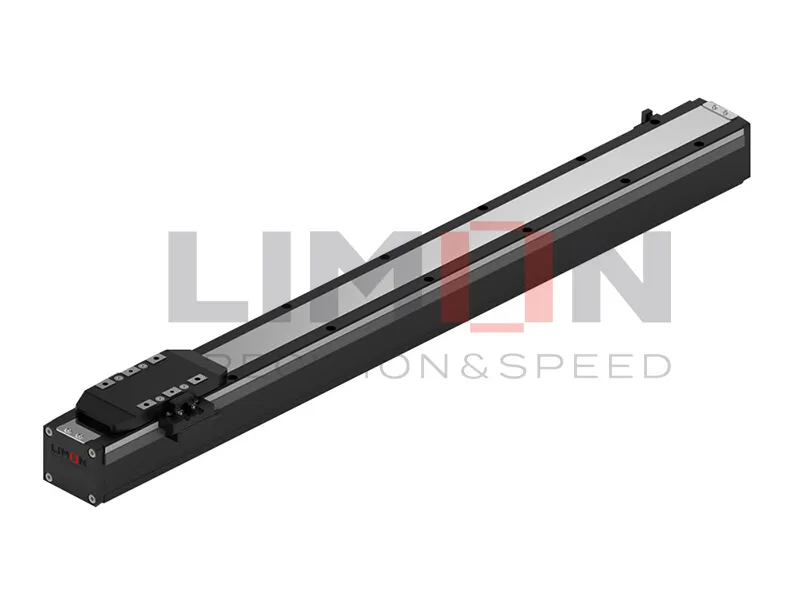
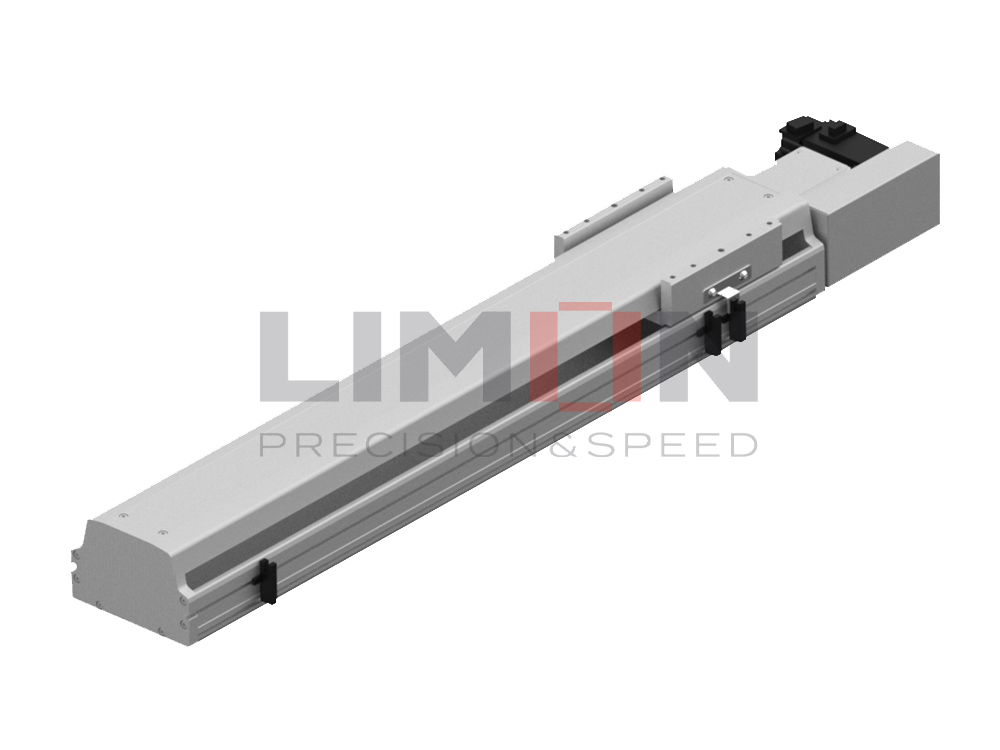
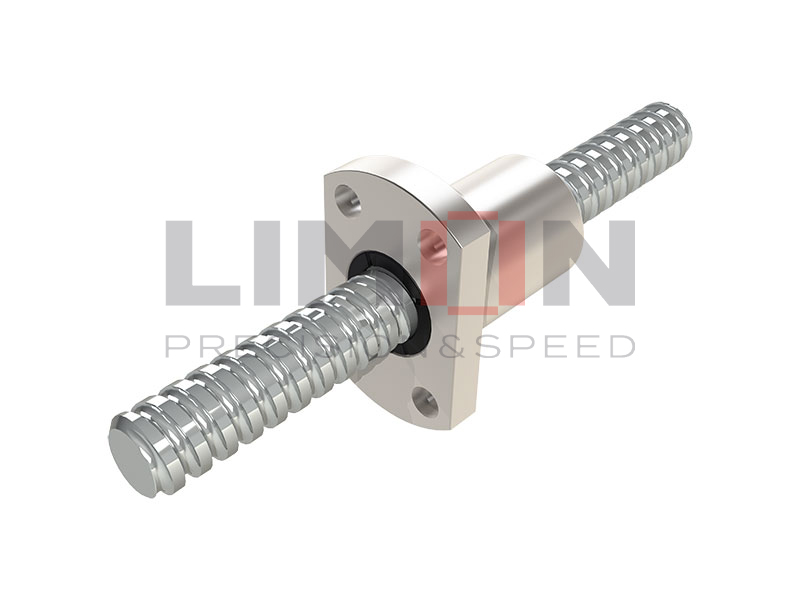
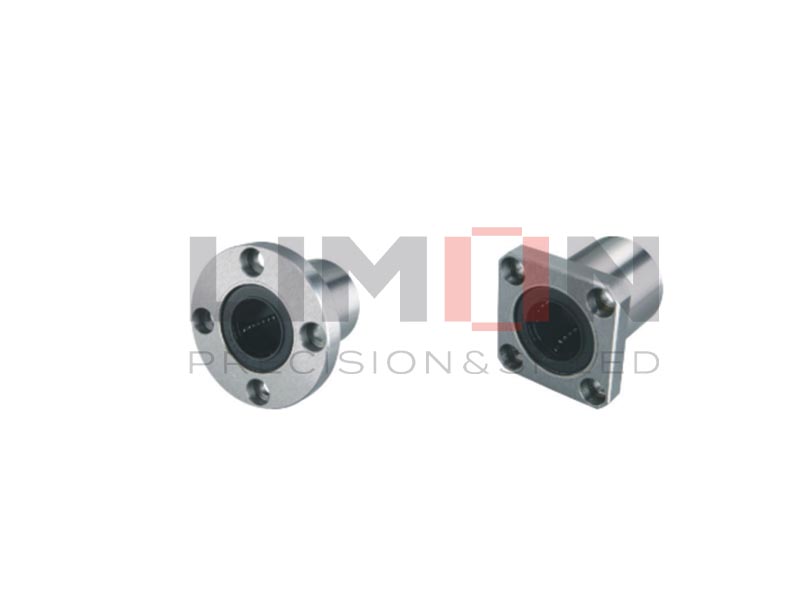
Our linear guides, ball screws, linear bearings, and actuators are engineered for demanding industrial applications.
Direct-to-Customer Sales
By selling directly through our website, we offer competitive pricing and responsive service.
Soutien à l'ingénierie
Our experienced technical team helps customers optimize system performance and reduce project risks.
Global Application Experience
Limon products support automation, CNC machining, robotics, packaging, electronics manufacturing, and many other industries worldwide.
Conclusion
So, what is the purpose of a linear guide? A linear guide provides precise, smooth, and reliable linear motion while supporting loads and maintaining alignment. Likewise, what is the purpose of a linear guide rail? It creates the foundation for accurate movement in modern automation systems. Understanding where are linear guides used reveals just how essential these components are across manufacturing, robotics, medical equipment, and countless industrial applications.
Au Limon, we combine a fully integrated production line, strict quality control, and expert technical support to deliver reliable, high-performance linear motion solutions. Whether you need linear guides, ball screws, linear bearings, or actuators, Limon is your trusted partner for precision motion technology.