Confused about motor selection and worried about performance, efficiency, or cost—are you choosing the wrong motor for your system?
Le difference between AC and DC motor lies in power source, speed control, and efficiency. AC motors use alternating current for stable, high-power applications, while DC motors offer precise speed control, making them ideal for automation and motion systems.
Let’s break down how AC and DC motors work, their differences, and how to choose the right one.
What Is the Difference Between AC and DC Motor?
Comprendre la difference between AC and DC motor is essential for selecting the right solution in modern automation and motion systems. The primary difference in AC and DC motor lies in how electrical energy is supplied and converted into mechanical motion.
An AC motor operates using alternating current, where the direction of current changes periodically. This allows for simple construction and durability, making AC motors ideal for continuous, high-power applications.
In contrast, a DC motor uses direct current, providing consistent voltage and enabling precise control over speed and torque. This is why DC motors are widely used in systems requiring dynamic performance.
Lors de l'évaluation du difference between an AC and DC motor, engineers typically consider:
- Power source compatibility
- Speed control requirements
- Application complexity
At Limon, we help customers understand the diff between AC and DC motor in the context of real-world motion systems, ensuring the best fit for performance and efficiency.
How Do AC Motors and DC Motors Work?
To fully understand what is the difference between AC and DC motor, it’s important to look at how each type functions.
AC Motors
AC motors generate motion through electromagnetic induction. The alternating current creates a rotating magnetic field, which drives the rotor.
Key advantages:
- Simple and robust design
- Peu d'entretien
- Ideal for constant-speed operations
Moteurs à courant continu
DC motors rely on a steady current supply and use brushes or electronic controllers to regulate speed and direction.
Key advantages:
- Contrôle précis de la vitesse
- Couple de démarrage élevé
- Better suited for variable-speed applications
Le difference between AC and DC motors becomes clear when comparing control and responsiveness—critical factors in automation systems.
Limon integrates both motor types into advanced motion solutions, ensuring optimal compatibility with linear systems.
Difference Between AC and DC Motors in Performance and Control
When analyzing the difference between AC and DC motors, performance characteristics play a major role.
Contrôle de la vitesse
- DC motors: Easy and precise control
- AC motors: Require variable frequency drives (VFDs)
Efficacité
- AC motors: High efficiency in steady-state operation
- DC motors: Efficient in variable-speed conditions
Maintenance
- AC motors: Lower maintenance due to fewer components
- DC motors: Higher maintenance (especially brushed types)
Le présent difference in AC and DC motor performance directly impacts system design, especially in applications like robotics and automation.
Limon helps customers evaluate these factors to ensure the right motor is selected for each motion system.
Which Motor Is Better for Linear Motion Systems?
A common question is: what is difference between AC motor and DC motor when applied to linear motion?
AC Motors in Linear Systems
- Ideal for continuous operation
- Common in conveyor systems and industrial machinery
DC Motors in Linear Motion
- Better for precise positioning
- Widely used in actuators and automation
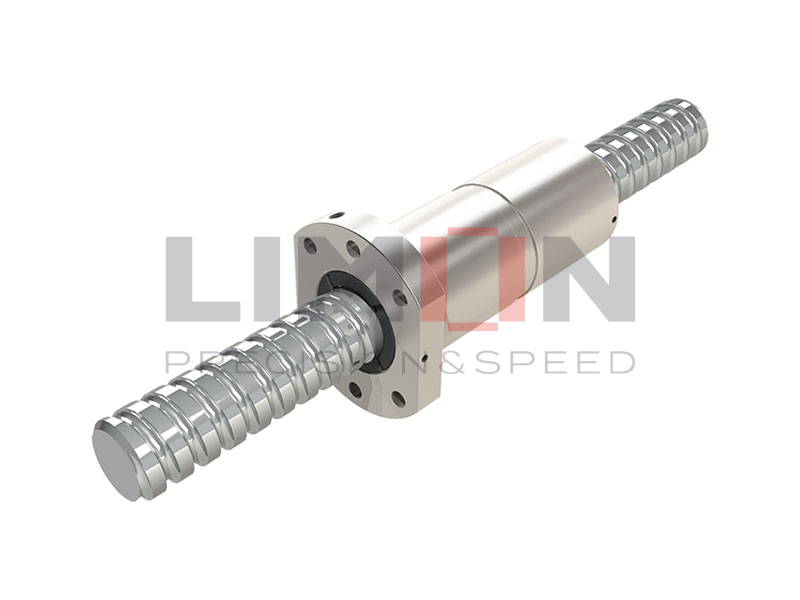
In many cases, DC motors are paired with ball screws or integrated into actuators to achieve high accuracy. However, AC motors are often used in high-load systems where durability is key.
Comprendre la difference between an AC and DC motor helps engineers choose the right drive system for applications like:
- Actionneurs linéaires
- Machines CNC
- Lignes de production automatisées
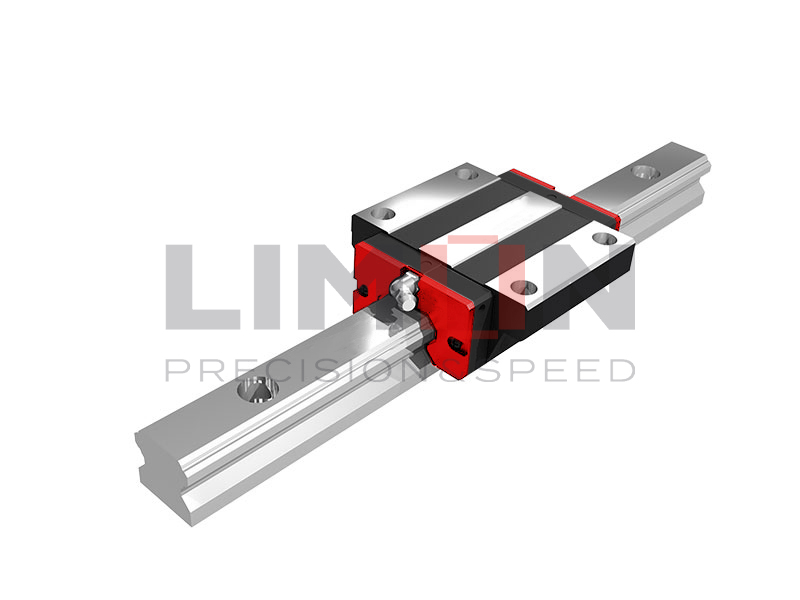
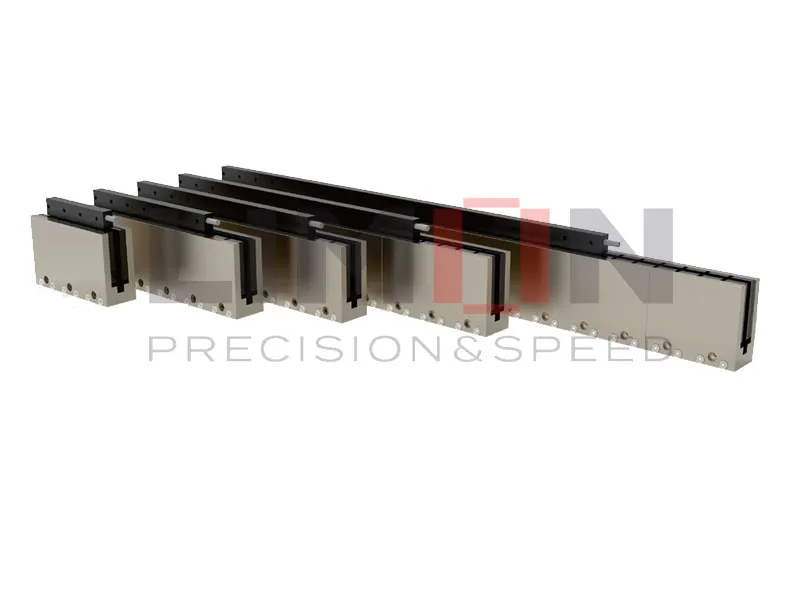
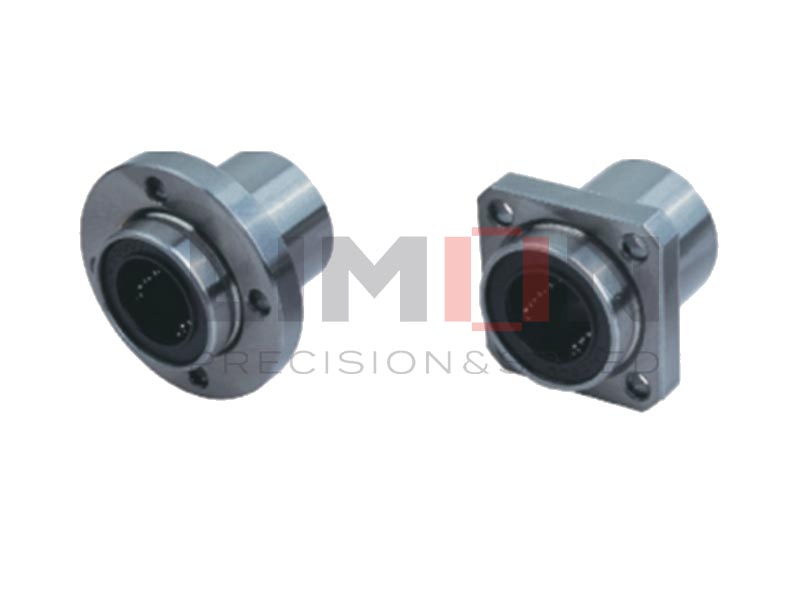
Limon provides complete motion solutions that integrate motors with linear guides and ball screws for optimal performance.
How to Choose Between AC and DC Motors for Your Application?
Choosing between AC and DC motors depends on your specific application requirements.
Consider the Following:
- Required precision and control
- Exigences en matière de charge et de couple
- Environnement opérationnel
- Budget and maintenance expectations
If your system requires precise positioning and responsiveness, a DC motor may be the better choice. For continuous, heavy-duty operation, AC motors are often more suitable.
By understanding the diff between AC and DC motor, you can avoid costly design mistakes and improve system efficiency.
Limon’s engineering team works closely with customers to match the right motor technology with their linear motion systems.
Why Motor Selection Matters in Modern Automation?
In today’s automation-driven industries, the difference between AC and DC motor directly impacts system performance, reliability, and cost.
Principales tendances :
- Increased demand for precision motion systems
- Integration of motors with smart control systems
- Growth of automated manufacturing
Choosing the right motor ensures:
- Efficacité accrue
- Réduction des temps d'arrêt
- Improved product quality
Whether evaluating the difference between AC and DC motors or selecting components for a new system, the right decision is critical.
Limon combines motor expertise with linear motion technology to deliver complete, high-performance solutions.
Why Choose Limon for Your Motion System Needs?
Limon stands out by offering more than just components—we provide complete motion solutions.
Nos atouts :
- Fully integrated production line for consistent quality
- Direct-to-customer model for competitive pricing
- Wide range of linear motion products
- Assistance technique experte
We help customers understand the difference between AC and DC motor in real applications and deliver optimized solutions that improve performance and reliability.
Réflexions finales
Comprendre la difference between AC and DC motor is essential for designing efficient and reliable motion systems. Each motor type offers unique advantages depending on the application.
Chez Limon, nous allions engineering expertise, fabrication intégréeet vente directe pour livrer solutions de mouvement linéaire hautes performances.
If you’re evaluating the difference between AC and DC motors for your next project, Limon is your trusted partner for precision, reliability, and value.