Are inaccurate positioning, unstable speed, or slow machine response limiting the performance of your automation system?
A servo is a motor-based motion system that uses feedback to precisely control position, speed, and torque. Servos are widely used in automation, robotics, CNC machines, and linear motion systems where accurate, responsive movement is required.
Servo systems are easier to understand when you look at their components, functions, applications, and selection factors.
What Is a Servo and How Does It Work?
When people search for “servo what is,” they are usually looking for a simple explanation of how servo technology controls motion. A servo is not simply a motor. It is a closed-loop motion system that combines a motor, feedback device, drive, and control signals to achieve precise movement.
A typical servo system includes a servo motor, servo drive, encoder or other feedback device, and controller. The controller sends a command for a desired position, speed, or torque. The motor then moves according to that command, while the encoder continuously measures the actual motor position or speed. The system compares the commanded value with the feedback and automatically corrects errors.
This closed-loop operation is one of the main differences between a servo system and a basic motor. Instead of simply rotating when power is applied, a servo system continuously monitors its movement and adjusts operation according to the control requirements.
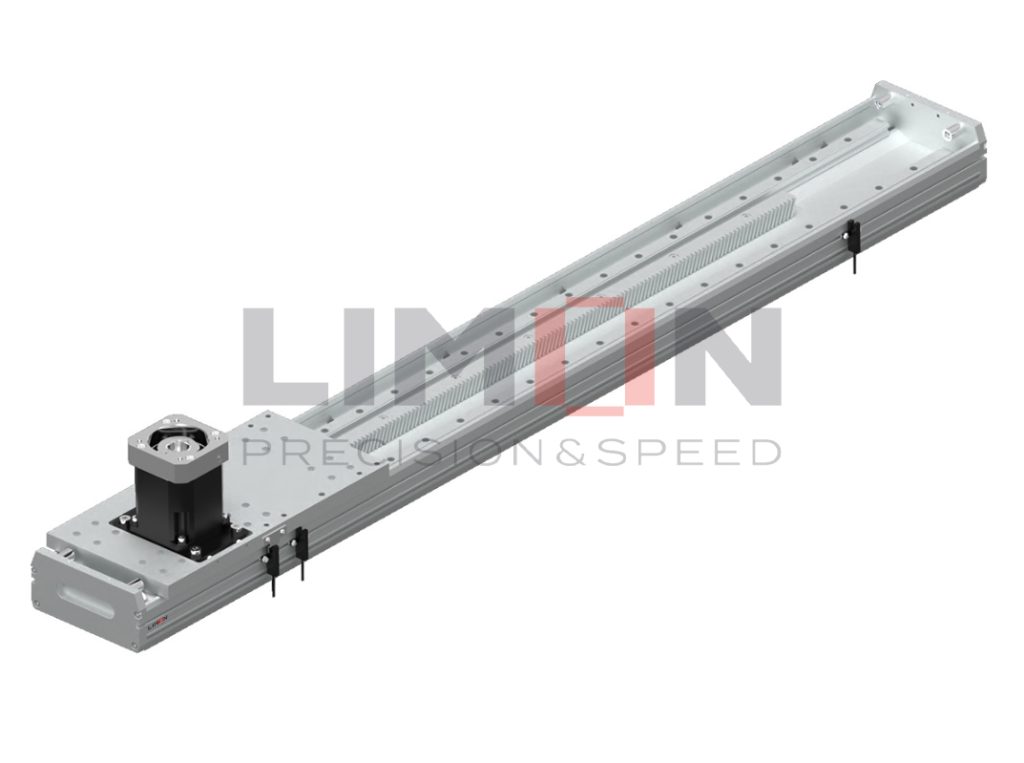
In linear motion applications, this capability becomes particularly valuable. A servo motor can drive a ball screw, belt-driven axis, or other mechanical transmission system to produce controlled linear movement. This makes servo technology an important part of high-performance automation equipment.
What Does a Servo Do in a Motion System?
So, what does a servo do? Its main purpose is to control motion accurately and respond quickly to changes in the machine’s operating requirements.
A servo system can control three major motion parameters: position, speed, and torque. Position control determines where the mechanism should move. Speed control determines how fast it should move. Torque control manages the rotational force produced by the motor.
For example, consider a linear actuator driven by a ball screw. The controller may command the axis to move 200 mm at a specific speed. The servo motor rotates the ball screw, which converts rotary motion into linear movement. Meanwhile, the encoder provides feedback about the actual motor position. If the axis does not reach the expected position, the control system can adjust the motor operation.
This feedback-based control provides several advantages:
- Positionnement précis
- Fast response
- Stable speed control
- Une meilleure répétabilité
- Controlled acceleration and deceleration
- Improved performance under changing loads
For machines that require frequent starts, stops, reversals, or accurate positioning, these characteristics can significantly improve overall system performance.
Where Are Servo Systems Commonly Used?
Servo systems are widely used where motion accuracy, repeatability, and dynamic performance are important. They are particularly common in industrial automation and precision linear motion equipment.
Machines CNC
CNC equipment requires accurate movement along multiple axes. Servo motors can drive ball screws and linear guide systems to achieve controlled positioning and coordinated movement.
Automatisation industrielle
Automated production lines often require rapid and repeatable positioning. Servo systems can control linear actuators, transfer mechanisms, robotic axes, and other motion components.
Robotique
Robots need precise control of multiple axes. Servo motors provide the positioning and speed control required for coordinated robotic movement.
Équipement d'emballage
Packaging machines frequently perform repetitive high-speed movements. Servo systems can provide accurate synchronization between feeding, cutting, sealing, and positioning operations.
Inspection and Precision Equipment
Inspection machines and precision positioning systems may require very small movements with high repeatability. Servo control allows the system to respond accurately to position commands.
Linear Motion Systems
Servo motors are especially useful when combined with mechanical components such as linear guide rails, ball screws, and linear actuators. The servo provides controlled rotary motion while the mechanical transmission converts it into precise linear movement.
The result is a complete motion system rather than an isolated motor.
What Are the Advantages of Using a Servo?
One of the biggest advantages of servo technology is its ability to maintain controlled motion through feedback. This makes it suitable for applications where ordinary motors may not provide sufficient positioning performance.
High positioning accuracy is especially important in applications such as CNC machining, automated assembly, and precision inspection. A servo system can continuously compare commanded movement with actual movement and make corrections when necessary.
Another advantage is dynamic response. Servo systems can accelerate, decelerate, stop, and reverse quickly, making them suitable for machines with frequent changes in motion.
Servo systems can also provide better control under variable loads. When machine conditions change, feedback allows the controller to detect differences between the expected and actual movement and compensate accordingly.
However, servo performance does not depend on the motor alone. The mechanical components are equally important. A high-performance servo motor connected to an unsuitable transmission system may still produce poor overall results.
For this reason, servo motors should be considered together with components such as ball screws, linear guide rails, bearings, couplings, and actuators. Proper matching between the motor and mechanical system is essential for achieving reliable linear motion.
How Do You Choose the Right Servo for Linear Motion?
Choosing a servo for a linear motion application requires more than selecting a motor based on power. The complete motion requirements should be evaluated before making a decision.
Exigences en matière de charge
Start by determining the total moving load. The required motor torque depends on factors such as load weight, friction, transmission efficiency, and acceleration.
Required Speed
Determine the required linear speed and calculate the corresponding motor speed based on the selected transmission mechanism. A ball screw with a different lead, for example, will require a different motor speed to achieve the same linear velocity.
Acceleration and Deceleration
Machines that frequently start and stop may require higher dynamic performance than applications with continuous movement. Acceleration requirements should therefore be considered when sizing the servo.
Précision du positionnement
If the machine requires precise positioning, evaluate the complete system rather than the motor alone. Ball screw accuracy, linear guide performance, mechanical rigidity, encoder resolution, and control parameters can all affect the final result.
Cycle de travail
Consider how frequently the machine operates, how long each movement lasts, and how often the axis accelerates or decelerates. Continuous and high-duty applications may require different servo specifications from occasional positioning systems.
Mechanical Compatibility
The servo motor, ball screw, coupling, linear guide rail, and other components should work together as a complete system. Incorrect sizing or poor mechanical matching can reduce efficiency and increase vibration or positioning errors.
A good supplier should therefore be able to help evaluate the complete motion system rather than simply recommend a motor based on a single specification.
How Does Limon Support Servo-Based Linear Motion Solutions?
Servo technology delivers the best results when the motor and mechanical transmission system are properly matched. This is where Limon’s experience in linear motion products can provide practical value.
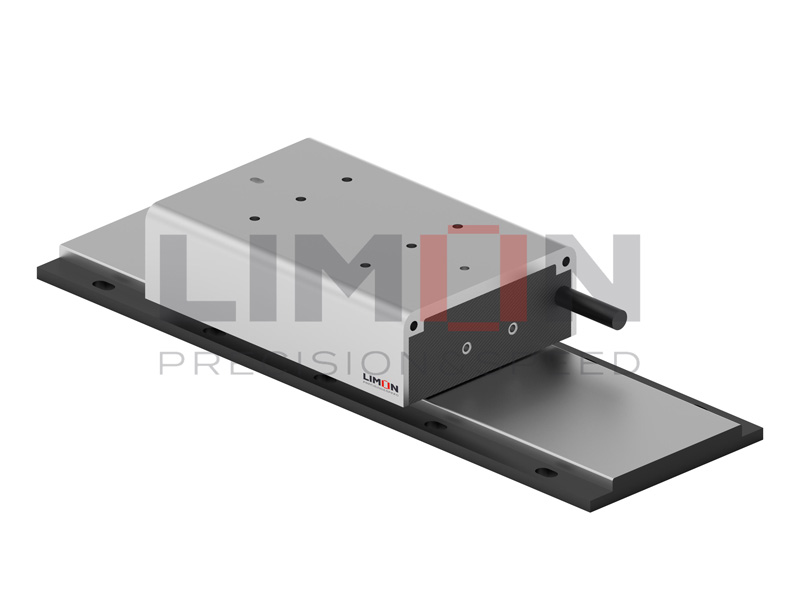
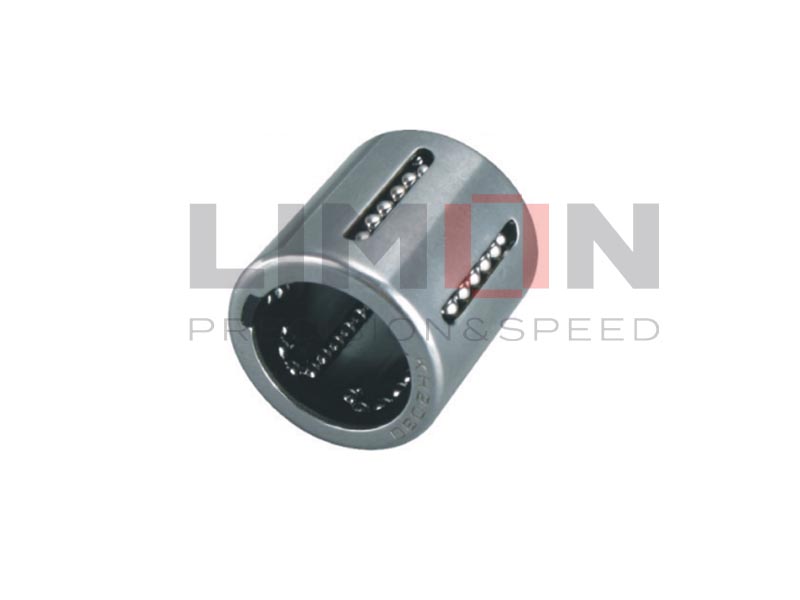
Limon focuses on key linear motion components including linear guide rails, ball screws, linear bearings, and linear actuators. With an integrated production line, Limon can maintain greater control over manufacturing processes and product quality across different linear motion components.
For customers building servo-driven linear axes, the mechanical system is just as important as the servo motor. A servo motor may provide precise rotational control, but the ball screw or actuator determines how that rotation is converted into linear movement, while the linear guide supports and guides the moving load.
Limon provides these complementary components through direct sales, helping customers source reliable linear motion products without unnecessary supply-chain complexity. This approach can also make technical communication easier when customers need to match different components for an automation project.
Quality is another important consideration. Linear motion components must operate smoothly and consistently to support the performance of a servo-controlled system. Limon focuses on reliable, high-quality products designed for industrial applications.
Technical support is also available to help customers evaluate factors such as load, stroke, speed, positioning requirements, and component compatibility. Whether you are developing a CNC axis, automation machine, robotic mechanism, or custom linear actuator system, selecting compatible components is essential for achieving stable performance.
Conclusion
A servo is more than a motor. It is a feedback-based motion control system designed to provide precise control of position, speed, and torque. Understanding what does a servo do helps engineers and buyers make better decisions when designing automated and linear motion equipment.
For servo-driven linear applications, the motor must work effectively with mechanical components such as ball screws, linear guide rails, bearings, and actuators. Limon provides reliable, high-performance linear motion solutions supported by integrated manufacturing, direct sales, high-quality products, and professional technical support.
When your application requires controlled, repeatable, and reliable linear movement, choosing the right complete motion system can make a significant difference. Limon is ready to support your next linear motion project.