In modern industrial automation, servo systems have become the cornerstone of high-precision motion control. As a linear motion product manufacturer with a fully integrated production line, Limon understands deeply fonctionnement des servomoteurs and how they integrate with our linear guides, ball screws, and other products to create exceptional industrial solutions. Today, let’s explore how servos work and examine key trends shaping this technology’s future development.
1. Servo Motor Fundamentals – Understanding Motion Control Essentials
What is a Servo System?
A servo system is a closed-loop control system capable of precisely controlling position, speed, and acceleration. Unlike standard motors, servo systems ensure execution accuracy through real-time feedback and adjustments.
Fonctionnement des servomoteurs
The core workflow of servomoteurs can be divided into four key stages:
1.Command Reception
- Controller sends position, speed, or torque commands
- Commands transmitted via pulse signals or communication protocols (EtherCAT, PROFINET)
2.Position Detection
- Encoder or resolver monitors actual motor shaft position in real time
- High-resolution feedback (up to 23+ bits) ensures precision
3.Calcul de l'erreur
- Compares target position with actual position
- Generates error signals for correction
4.Power Output
- Servo driver adjusts output based on error signals
- Controls motor torque and direction via PWM
Key Components Analysis
- Servomoteur: Provides power output as the executive element
- Encoder: Core sensor for position and speed feedback
- Servo Driver: The system’s “brain” processing control algorithms
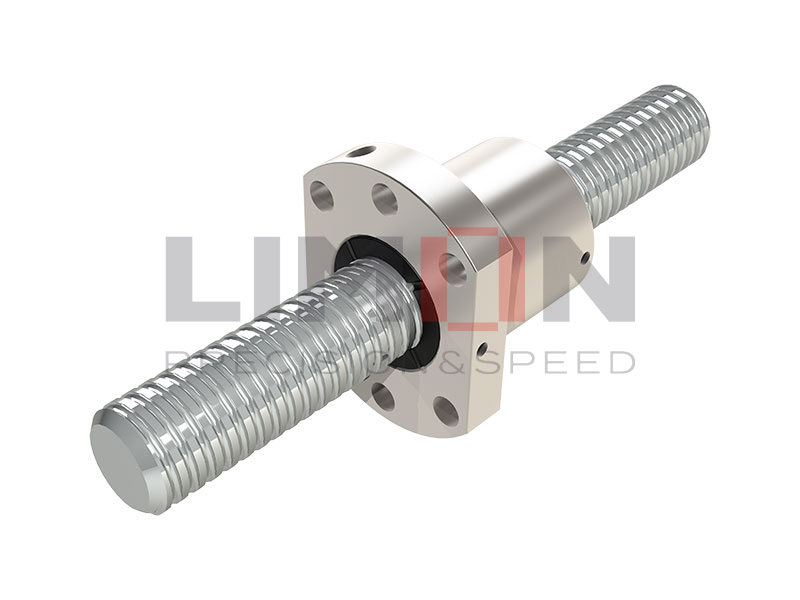
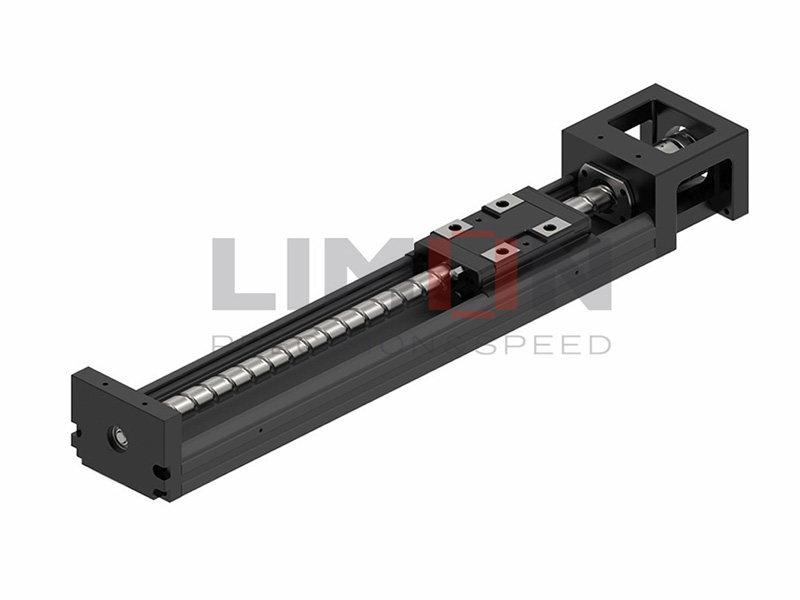
- Mechanical Transmission: Components like linear guides and ball screws that transmit motion
2.Servo Technology Evolution – 5 Key Trends for 2025
1. Full Digitalization and Smart Diagnostics
By 2025, servo systems will achieve complete digitalization:
- Predictive Maintenance: AI algorithms analyze operational data to identify potential faults early
- Digital Twin Technology: Creates virtual models for simulation and optimization
- Adaptive Control: Systems automatically adjust
2. Ultra-High Precision Miniaturization
With growing demand from medical devices and semiconductor manufacturing:
- Nanoscale Positioning: Positioning accuracy breakthroughs to 0.1 micron
- Conception compacte: Smaller size, higher power density
- Direct Drive Technology: Eliminates transmission errors, improves response speed
3. Energy Efficiency Revolution
Sustainability drives energy efficiency innovations:
- Smart Power Saving Modes: Automatically optimizes energy consumption based on load
- Regenerative Energy Recovery: Returns braking energy to the grid
- Efficient Cooling Systems: Reduces thermal losses, extends lifespan
4.Integration and Modularization
Simplifies installation and maintenance processes:
- Integrated Design: Perfect matching between drivers and motors
- Plug-and-Play Modules: Rapid deployment, reduced commissioning time
- Flexible Expansion: Supports multi-axis synchronization and complex motion trajectories
5. Cybersecurity and Data Protection
Security needs in Industry 4.0 era:
- Encrypted Communication: Prevents data leaks and malicious control
- Security Certification: Complies with international standards like IEC 62443
- Secure Remote Access: Safe remote monitoring and maintenance
3. Servo System Selection Guide – Matching Your Application Needs
Key Selection Parameters
1.Load Characteristic Analysis
- Inertia Matching: Ideal ratio between load inertia and motor inertia is 1:1 to 10:1
- Torque Requirement Calculation: Peak torque, continuous torque, and acceleration torque
- Gamme de vitesse: Rated speed and maximum operating speed
2.Precision Requirements Assessment
- Précision du positionnement répété: Typically ±1 to ±3 pulses
- Resolution: Minimum control unit determined by encoder line count
- Rigidity Requirements: Determined based on machining or assembly precision
3.Environmental Adaptability
- Protection Rating: IP54 to IP67 dust and water resistance
- Temperature Range: Standard range of -20°C to +40°C
- Special Environments: Explosion-proof, cleanroom, vacuum requirements
Limon Solution Advantages
As a fully integrated manufacturer, Limon fournit :
- Perfect Matching: Optimized combinations of servo systems and linear motion components
- One-Stop Service: Complete support from selection to installation and commissioning
- Customized Solutions: Design and configuration adjustments based on special requirements
4.Servo System Maintenance and Optimization – Extending Service Life
Daily Maintenance Essentials
1.Regular Inspection Checklist
- Cable and connector conditions
- Cooling system and ventilation status
- Mechanical component wear conditions
2.Preventive Maintenance Plan
- Check encoder accuracy every 6 months
- Replace or replenish lubrication annually
- Regularly backup parameter settings
3.Troubleshooting Techniques
- Common alarm code interpretation
- Vibration and noise analysis
- Temperature anomaly handling
Performance Optimization Strategies
1.Parameter Tuning Best Practices
- Application of auto-tuning functions
- Manual fine-tuning techniques
- Parameter optimization under different load conditions
2.Energy Consumption Management
- Standby mode settings
- Load-adaptive energy saving
- Energy monitoring and analysis
Limon Integrated Solutions
Our fully integrated production line ensures:
- Strict Quality Control: Every stage from raw materials to finished products
- Optimized System Matching: Perfect coordination between components
- Reliable Performance Assurance: Rigorous testing and verification
Conclusion: Preparing for Future Automation
Technology Integration Trends
By 2025, servo technology will deeply integrate with:
- Artificial Intelligence: Intelligent optimization of motion control parameters
- Internet of Things: Equipment interconnection and remote monitoring
- 5G Communication: Low-latency high-speed data transmission
Reasons to Choose Limon
- Fully Integrated Production: Ensures excellent quality consistency
- Rich Experience: Successful cases serving multiple industries
- Comprehensive Support: Complete system from technical consultation to after-sales service